 Preview
 Send
Send Share
Share
 Details

 Download
 Similars
 X-Ray
X-Ray Diaporama
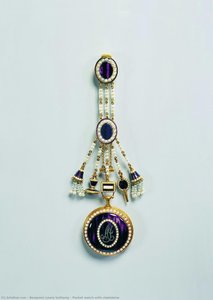
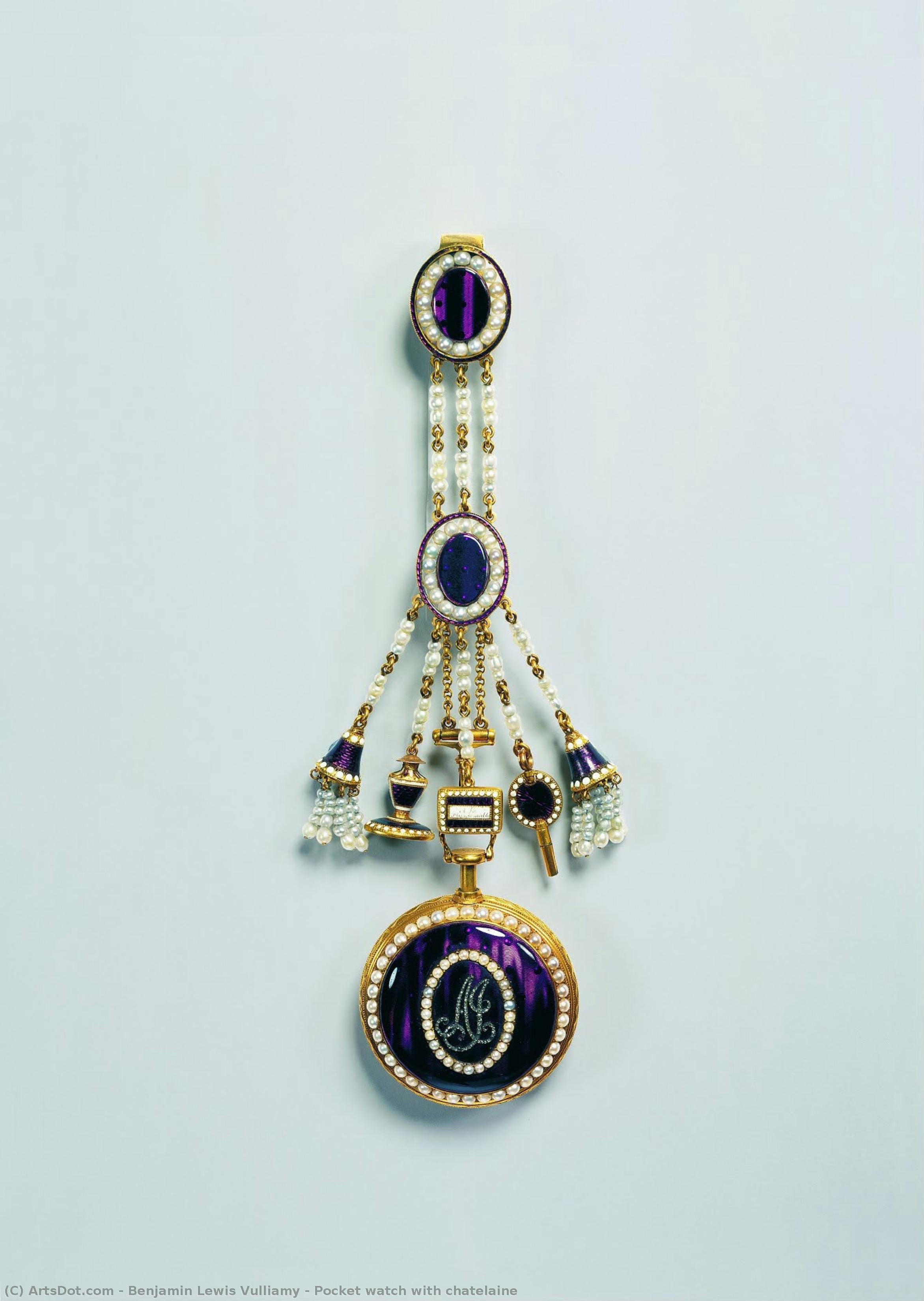
Pocket watch with chatelaine


 Read More
Hand Made Oil Reproduction
Hand-painted oil on canvas in your size and frame, made to order by our artists. ( Buy Print Buy Image)




































Pick from our preset sizes that match the artwork's original proportions.

You may enter your own dimensions to fit a specific frame or space. If your selected size does not match the original image's proportions, we will either crop the artwork or extend the painting with additional hand-painted elements. A digital mockup will be sent for your approval before production begins.
Please note that the on-screen preview does not reflect the actual cropping or extension. Only the mockup will accurately show the final composition.
While custom sizes are available, we recommend selecting a dimension from the predefined list to preserve the original proportions.
After order, ArtsDot.com team will email client for instructions and provide a mockup preview
Worldwide Delivery () in 3/4 weeks instead of standard 5 weeks. (30 August). No compromise on quality.

Free Worldwide Express Shipping

High-Quality Linen Canvas

Full Shipping Insurance

Customs Tax Refund Guarantee

True Color Matching Guarantee

60-Day Return Policy (Defects Only)

100% Money-Back Guarantee

Bulk Discount Offer
 Glass option is only available in size under 110 CM

Pocket watch with chatelaine
Reproduction Medium
Reproduction Size
-


Total Price
$ 263
Related Artworks





Artist Biography
Benjamin Lewis Vulliamy: The Clockmaker Royal
Benjamin Lewis Vulliamy (25 January 1780 – 8 January 1854) was a clockmaker born in London, United Kingdom, whose legacy extends far beyond the intricate mechanisms he crafted. He inherited his father’s esteemed business and established himself as Clockmaker to the Crown under George III, marking him as a pivotal figure in British horological history and architectural patronage. His meticulous designs and unwavering dedication to precision cemented his place amongst Britain's most celebrated artisans of the Regency era.Early Life and Family Legacy
Born into a family steeped in clockmaking tradition—his father, Benjamin Vulliamy, was himself a renowned craftsman—Benjamin Lewis Vulliamy received an education focused on mathematics and engineering, disciplines crucial for mastering the art of timepiece construction. Justin Vulliamy, his ancestor, arrived in England from Switzerland in 1704 with a singular ambition: to understand the burgeoning English clockmaking industry under Benjamin Gray’s tutelage. This lineage instilled within him a profound respect for craftsmanship and a commitment to upholding the family's reputation for excellence. He married Frances Moulton Stiles in 1815, forging a familial bond that produced three children, shaping his personal life alongside his professional pursuits.The Vulliamy Firm: Innovation and Patronage
The Vulliamy firm’s history began with Justin Gray’s arrival and quickly ascended to prominence thanks to Benjamin Vulliamy's appointment as Clockmaker to the Crown in 1742—a position that endured for over a century—establishing a tradition of royal commissions and shaping London’s skyline. Following his father’s death in 1797, Benjamin Lewis took the reins, demonstrating remarkable ingenuity and introducing groundbreaking innovations into clock design. Notably, he championed the use of the deadbeat escapement – previously pioneered by Jean Baptiste Lepaute at the Hôtel de Ville, Paris – and incorporated a 2-second pendulum for unparalleled accuracy. This dedication to technical advancement wasn’t merely driven by scientific curiosity; it was inextricably linked to fulfilling commissions from influential figures like George III and bolstering London's prestige as a center of artistic and intellectual achievement.Notable Achievements: Clockwork Marvels and Architectural Vision
Vulliamy’s contribution to British horology is undeniable, evidenced by his creation of clocks for prominent buildings across England – palaces, churches, and the cathedral at Calcutta—a testament to his skill and ambition. Perhaps his most enduring legacy resides in his involvement with Victoria Street, where he designed several buildings alongside Sir Charles Barry, shaping London’s urban landscape during a period of significant architectural transformation. Furthermore, his work on Cleopatra's Needle – designing the pedestal and sphinxes for this monumental Egyptian relic—demonstrates his artistic sensibilities and ability to elevate public monuments to new heights of grandeur. His meticulous attention to detail and unwavering pursuit of perfection solidified his reputation as one of Britain’s foremost clockmakers and architects.Legacy and Influence
Benjamin Lewis Vulliamy's influence extended beyond the tangible creations he produced; he fostered a culture of innovation within the clockmaking profession, inspiring subsequent generations of artisans to strive for excellence. His meticulous approach to design—characterized by an understanding of both mechanics and aesthetics—established a benchmark for precision and beauty that continues to resonate today. As a Fellow of the Royal Astronomical Society and a respected member of the Clockmakers’ Company, Vulliamy embodied the spirit of Enlightenment inquiry and upheld the highest standards of craftsmanship, securing his place as a cornerstone of British artistic and scientific heritage.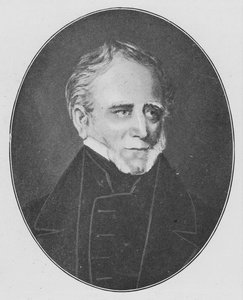
benjamin lewis vulliamy
1780 - 1854 , United Kingdom
Quick Facts
- Artistic Movement Or Style: Clockmaking
- Artists Or Movements Influenced By This Artist: ['George III']
- Artists Who Influenced This Artist:
- Benjamin Vulliamy
- Justin Theodore Vulliamy
- Date Of Birth: January 25, 1780
- Date Of Death: January 8, 1854
- Full Name: Benjamin Lewis Vulliamy
- Nationality: British
- Notable Artworks: ['Pocket watch with chatelaine']
- Place Of Birth: London, United Kingdom