 Preview
 Send
Send Share
Share
 Details

 Download
 Similars
 X-Ray
X-Ray Diaporama
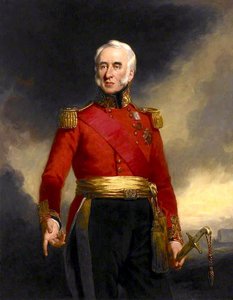
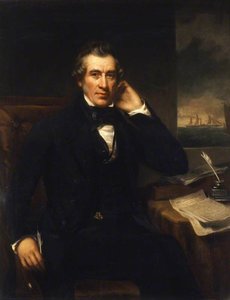
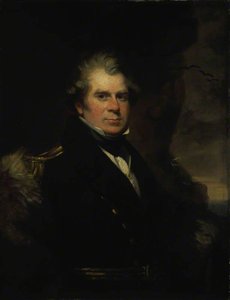
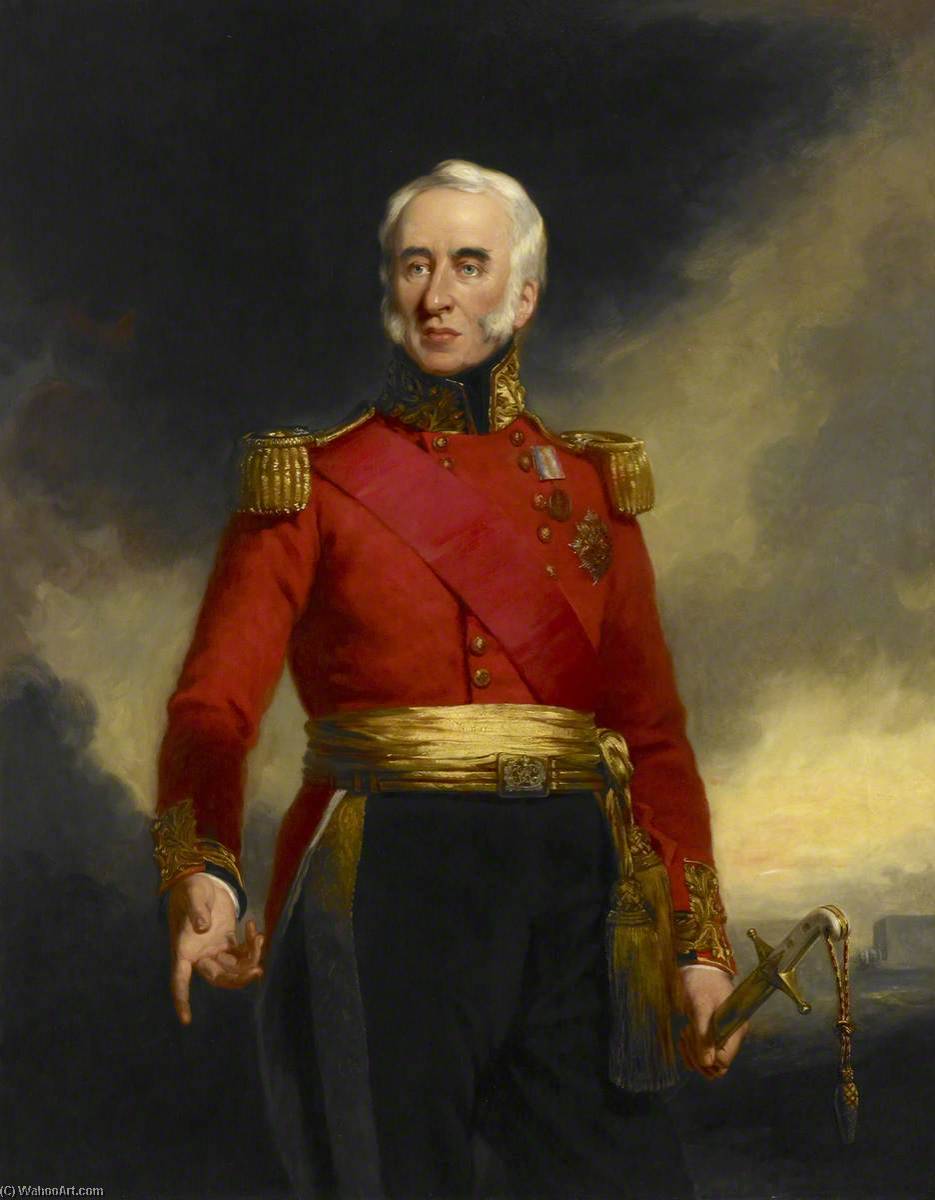
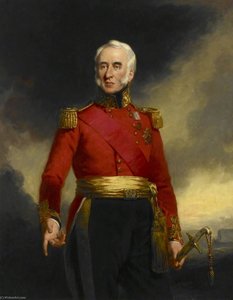
Major General Sir William Nott (1782–1845)
 1844
1844 142.0 x 112.0 cm
 British Library
 Read More
Hand Made Oil Reproduction
Hand-painted oil on canvas in your size and frame, made to order by our artists. ( Buy Print Buy Image)




































Pick from our preset sizes that match the artwork's original proportions.

You may enter your own dimensions to fit a specific frame or space. If your selected size does not match the original image's proportions, we will either crop the artwork or extend the painting with additional hand-painted elements. A digital mockup will be sent for your approval before production begins.
Please note that the on-screen preview does not reflect the actual cropping or extension. Only the mockup will accurately show the final composition.
While custom sizes are available, we recommend selecting a dimension from the predefined list to preserve the original proportions.
After order, ArtsDot.com team will email client for instructions and provide a mockup preview
Worldwide Delivery () in 3/4 weeks instead of standard 5 weeks. (17 August). No compromise on quality.

Free Worldwide Express Shipping

High-Quality Linen Canvas

Full Shipping Insurance

Customs Tax Refund Guarantee

True Color Matching Guarantee

60-Day Return Policy (Defects Only)

100% Money-Back Guarantee

Bulk Discount Offer
 Glass option is only available in size under 110 CM

Major General Sir William Nott (1782–1845)
Reproduction Medium
Reproduction Size
-


Total Price
$ 263
Related Artworks
Artist Biography
Benjamin Rawlinson Faulkner (1787 – 1849): A Manchester Portraitist
Benjamin Rawlinson Faulkner was an English portrait painter born in Manchester, marking the beginning of a career distinguished by both artistic talent and quiet observation. Initially involved in mercantile pursuits—representing a sizable firm at Gibraltar—Faulkner’s life took an unexpected turn when his health deteriorated during a visit to Gibraltarian quarantine due to plague. This experience profoundly impacted him, fostering a newfound passion for drawing that was nurtured by his brother, Joshua Wilson Faulkner, who himself possessed considerable artistic skill. Recognizing this latent ability, Faulkner dedicated himself to rigorous study of the foundational principles of art, spending upwards of two years immersed in the examination of classical sculpture and painting—a testament to his unwavering commitment to mastering technique. His relocation to London propelled him into the bustling artistic milieu of Victorian England, where he established himself as a portrait artist. However, Faulkner’s personality was inherently modest and retiring, resulting in an understated recognition of his accomplishments compared to the acclaim enjoyed by fellow artists in Manchester. Despite this lack of public fanfare, Faulkner steadily gained respect within his hometown community, primarily through his captivating depictions of prominent figures—most notably John Dalton, F.R.S., and John McCulloch, the geologist. These portraits exemplify Faulkner’s meticulous attention to detail and masterful use of oil paint, capturing not only physical likeness but also conveying intellectual depth and character. Faulkner debuted at the Royal Academy in 1821, presenting two canvases that garnered initial attention. He continued to participate in exhibitions throughout his lifetime—including the British Institution, Suffolk Street Gallery, Liverpool Academy, and others—demonstrating a consistent dedication to furthering his artistic practice. His compositions predominantly featured portraits, though he occasionally ventured into studies of natural subjects, reflecting an appreciation for observation beyond the human form. He resided at 23 Newman Street for many years, cultivating a tranquil life amidst London’s vibrant cultural landscape until his passing in Fulham on October 29th, 1849, at the age of sixty-three. Faulkner's legacy resides not only in his impressive oeuvre but also in his contribution to British art history. His work stands as an exemplar of Romantic portraiture—characterized by expressive brushwork and a nuanced portrayal of psychological states—influenced by the artistic traditions of antiquity and the burgeoning fascination with scientific inquiry. Notable engravings of his paintings, undertaken by artists like R.J. Lane and H. Robinson, ensured that Faulkner’s images endured beyond his lifetime, securing his place as a respected artist within his era. Furthermore, portraits commissioned by figures such as Sir John Ross, the Arctic explorer, cemented his reputation for capturing both grandeur and intimacy—a hallmark of his artistic vision.- Notable Works: Portraits of John Dalton, F.R.S.; John McCulloch; Charles Lloyd; Sir John Ross
- Technique: Primarily oil painting on canvas; meticulous attention to detail and textural realism.
- Influences: Classical sculpture and painting; Romantic artistic traditions.
benjamin rawlinson faulkner
1787 - 1849
Quick Facts
- Artistic Movement Or Style: Romanticism
- Artists Or Movements Influenced By This Artist: ['Romantic Art']
- Artists Who Influenced This Artist: ['Joshua Wilson Faulkner']
- Date Of Birth: 1787
- Date Of Death: 1849
- Full Name: Benjamin Rawlinson Faulkner
- Nationality: English
- Notable Artworks:
- John Dalton Portrait
- Portrait of John MacCulloch
- Charles Lloyd Portrait
- Place Of Birth: Manchester, England