

 Preview
 Send
Send Share
Share
 Details

 Download
 Similars
 X-Ray
X-Ray Diaporama
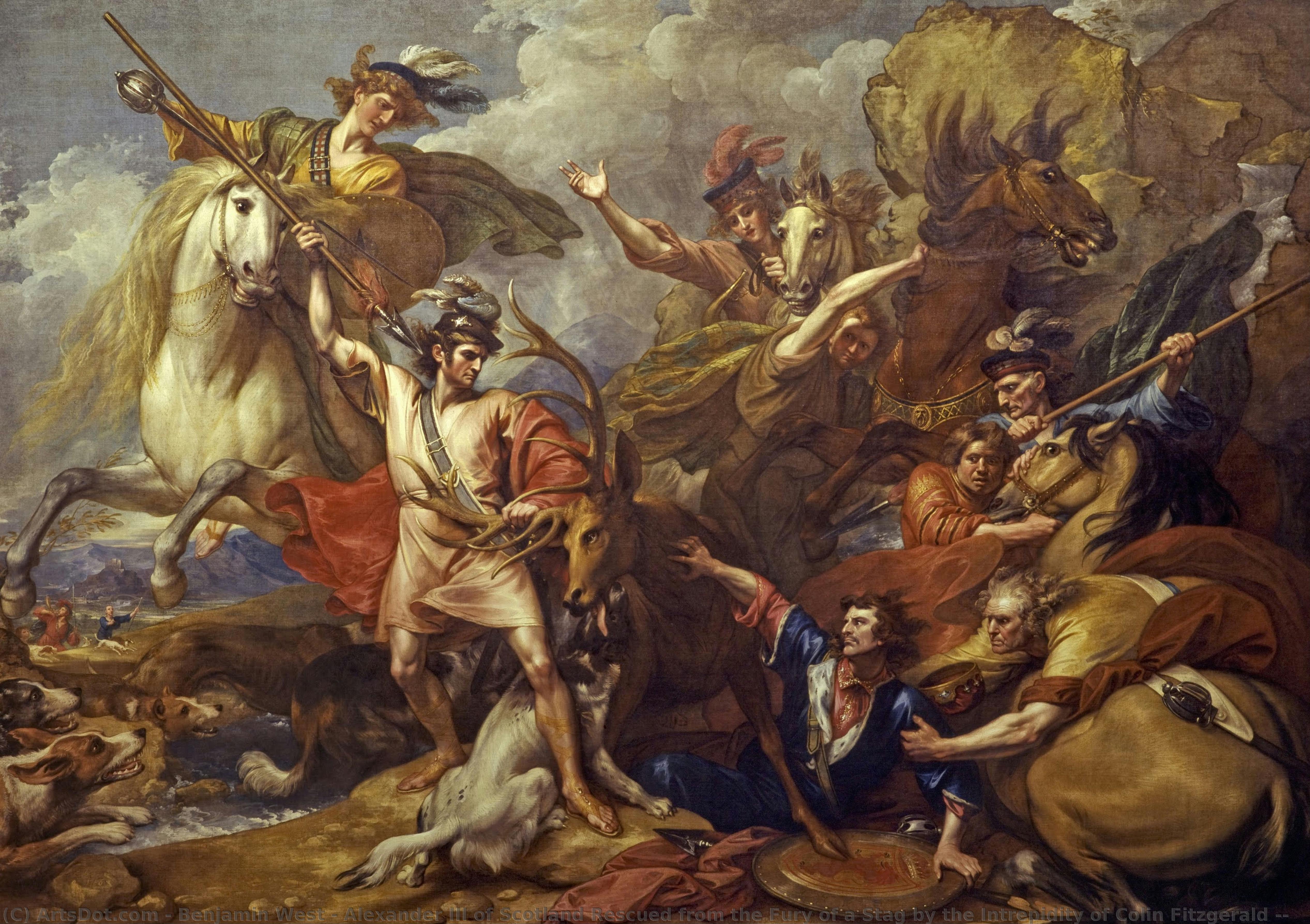
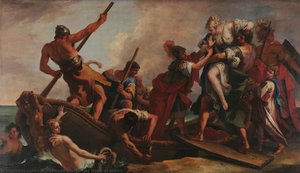
Alexander III of Scotland Rescued from the Fury of a Stag by the Intrepidity of Colin Fitzgerald (


 Read More
Purchase a high-resolution, enhanced digital image, far superior to the online preview.
Each file is meticulously prepared by our in-house specialists using advanced tools and expert manual retouching. We ensure every image has exceptional clarity, precise color accuracy, and fine detail.
The final file is delivered via email within 72 hours, optimized for immediate use in professional, editorial, and print environments. This is the same quality trusted by top-tier design studios, publishers, and galleries.
Digital Image
Download a high-resolution file for personal display, printing, and creative projects. ( Buy Print Buy Hand Made Painting)
Included in Every Digital Image Order
Expert Digital Delivery, Guaranteed
When you choose ArtsDot.com, you're not just getting an image - you're receiving a professionally enhanced digital artwork, crafted with precision and backed by a satisfaction guarantee. Here's everything that comes with your order, automatically:

Fast Email Delivery
Your high-resolution digital image file will be emailed to you within 72 hours of ordering - ready for immediate use.

AI-Enhanced Digital File
Your artwork is professionally optimized using advanced AI tools and manual editing, ensuring maximum detail, clarity, and color accuracy.

Free Lifetime Re-Delivery
Accidentally deleted or lost your file? No worries - we'll resend it to you anytime, free of charge.

No Import Fees - Ever
Enjoy your artwork instantly with zero customs, duties, or delivery fees - digital downloads are always tax-free.

Color Accuracy Guarantee
We ensure your digital image reflects the original colors as closely as possible using professional tools and color management.

60-Day Satisfaction Guarantee
If you're not satisfied with your digital image, we'll revise it or refund 100% within 60 days - no questions asked.

100% Money-Back Guarantee
Not satisfied? Get a full refund within 60 days of receiving your digital file - no questions asked.

Bulk Order Discounts
Buy 3 images, save 10% - Buy 5, save 15% - Buy 10+, save 20%. Great for creative projects, galleries, and agencies.
A Dramatic Rescue: Benjamin West’s “The Death of the Stag”
Benjamin West's "Alexander III of Scotland Rescued from the Fury of a Stag by the Intrepidity of Colin Fitzgerald" – often referred to as “The Death of the Stag” – is more than just a historical painting; it’s a visceral tableau of courage, loyalty, and the very essence of Highland legend. Completed in 1786, this monumental work, now residing within the Scottish National Gallery, transports us directly into a pivotal moment in Scottish history, a scene brimming with action, emotion, and symbolic weight.
West, an Anglo-American artist who forged a remarkable career bridging the worlds of Neoclassicism and Romanticism, masterfully captures the drama unfolding before him. The composition is immediately arresting – a dynamic swirl of movement centered around the imminent rescue of King Alexander III from the ravenous attack of a stag. Colin Fitzgerald, a figure steeped in Clan Mackenzie lore, stands poised with his sword, ready to deliver the decisive blow. The king himself, visibly shaken but unharmed, watches intently, embodying both vulnerability and gratitude. Surrounding them are other huntsmen, their faces etched with concern and anticipation, while horses and dogs add further layers of complexity to the scene.
A Story Forged in Legend
The painting’s narrative is rooted in a legendary tale from the late 13th century. Alexander III, known as “Alexander the Cruel” due to his violent temper, was on a hunting expedition when he encountered a particularly aggressive stag. Just as the animal lunged towards him, Colin Fitzgerald, a young and relatively unknown member of Clan Mackenzie, bravely intervened, slaying the beast and saving the king’s life. This act of valor cemented Fitzgerald's place in Highland history and established the Mackenzie clan’s reputation for courage and loyalty – a legacy that West sought to immortalize.
Francis Mackenzie, the later chieftain of the Clan Mackenzie, commissioned the painting as a testament to his ancestor’s heroism. This patronage highlights not only the importance of this particular event within Scottish history but also the clan's desire to solidify its lineage and celebrate its values. The choice of West, an artist already gaining international recognition for his dramatic historical paintings, underscored the significance of the commission.
Technique and Style: Neoclassical Drama
West’s masterful technique is a key element in conveying the painting's emotional impact. He employs a distinctly Neoclassical style, characterized by clear lines, balanced compositions, and an emphasis on heroic figures. The use of light and shadow – *chiaroscuro* – dramatically highlights the central action, drawing the viewer’s eye to Fitzgerald’s outstretched sword and Alexander III’s expression of relief. The artist's attention to detail is remarkable; from the texture of the stag’s fur to the intricate folds of the huntsmen’s clothing, every element contributes to a sense of realism and immediacy.
Furthermore, West skillfully utilizes color – rich reds and browns dominate the scene, evoking the rugged landscape of Scotland and adding to the painting's dramatic intensity. The dynamic brushstrokes create a palpable sense of movement, capturing the frenetic energy of the rescue attempt. The composition itself is carefully constructed, utilizing diagonal lines to guide the viewer’s eye through the scene and creating a powerful visual rhythm.
Symbolism and Emotional Resonance
Beyond its historical narrative, “The Death of the Stag” is rich in symbolism. The stag represents both danger and untamed nature – forces that must be overcome by courage and skill. Fitzgerald’s act of heroism embodies loyalty, bravery, and the willingness to risk one's life for another. Alexander III’s vulnerability underscores the importance of protection and the value of leadership.
The painting evokes a powerful emotional response in the viewer – a sense of awe at the scene’s drama, admiration for Fitzgerald’s courage, and perhaps even a touch of melancholy for the precariousness of life. It's a testament to West’s ability to capture not just historical events but also the underlying human emotions that drive them. Today, “The Death of the Stag” remains a captivating masterpiece, offering a glimpse into Scotland’s rich history and the enduring power of legend.
Related Artworks


Artist Biography
A Pioneer Bridging Worlds: The Life and Legacy of Benjamin West
Born in 1738 amidst the burgeoning landscape of colonial Pennsylvania, Benjamin West emerged as a pivotal figure in the transatlantic art world, a painter who skillfully navigated the currents of Neoclassicism and Romanticism while forging a uniquely American artistic identity. His story is one of remarkable self-education, unwavering ambition, and an extraordinary ability to connect with both aristocratic patrons and revolutionary ideals. From humble beginnings—his father an innkeeper in Springfield—West’s innate talent was nurtured by early exposure to the arts, reportedly learning rudimentary techniques from Native Americans before receiving any formal training. This unconventional start instilled within him a spirit of innovation that would characterize his entire career. He quickly established himself as a sought-after portraitist in Philadelphia and New York, but a thirst for deeper artistic knowledge propelled him towards Europe in 1760, embarking on a journey that would irrevocably alter the course of American art.From Italy to London: Forging a Path to Recognition
West’s arrival in Italy marked a turning point. Immersing himself in the artistic heartland of Europe, he studied the masters—Titian, Raphael—and engaged with contemporary Neoclassical thinkers like Anton Rafael Mengs and Angelica Kauffman. This period was crucial in shaping his aesthetic sensibilities, instilling within him an appreciation for classical form and historical narrative. However, it was London that ultimately became his adopted home and artistic center. Arriving in 1763, West swiftly ascended the ranks of the British art scene, captivating audiences with his ambitious canvases and securing the patronage of King George III. This royal endorsement not only provided financial stability but also cemented his position as a leading figure within the establishment. A defining moment came with his election to the Royal Academy in 1769, an institution he would later preside over as President from 1792 until his death. His influence extended beyond his own artistic production; West became a champion for American artists seeking training abroad, offering guidance and support to generations of aspiring painters like Allston, Copley, and Morse.Revolutionizing Historical Painting: Technique and Controversy
West’s impact on the art world wasn't merely about achieving technical mastery; it was about challenging conventions. He dared to reimagine historical painting, moving away from rigid adherence to classical precedent and embracing a more contemporary sensibility. The Death of General Wolfe (1770), arguably his most famous work, exemplifies this revolutionary approach. By depicting the fallen general surrounded by figures in *contemporary* military attire rather than traditional Roman garb, West sparked considerable debate. Critics questioned the historical accuracy, but audiences were captivated by the immediacy and emotional resonance of the scene. This bold move signaled a shift towards greater realism and narrative power in history painting, influencing countless artists who followed. His style evolved over time, incorporating elements of Romanticism into his later works, yet always retaining a commitment to ambitious composition and detailed execution. Other notable pieces like Thetis Bringing the Armor to Achilles, The Three Sisters, The Fright of Astyanax, and The Cave of Despair demonstrate his versatility and mastery across a range of mythological and historical themes.A Lasting Legacy: Shaping Artistic Identity
Benjamin West’s legacy extends far beyond the canvases he created. He fundamentally altered the landscape of American art, establishing history painting as a viable genre for American artists and fostering a sense of national artistic identity. His presidency of the Royal Academy solidified his influence on British art, promoting innovation and supporting emerging talent.- He championed a more accessible and emotionally engaging style of historical representation.
- His studio became a haven for American artists seeking training in Europe.
- He bridged the gap between Neoclassical ideals and the burgeoning Romantic movement.
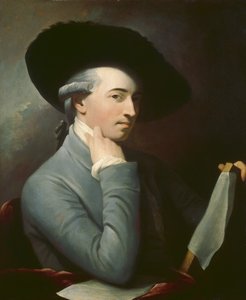
Benjamin West
1738 - 1820 , United States of America
Quick Facts
- Artistic Movement Or Style: Neoclassical, Romanticism
- Artists Or Movements Influenced By This Artist:
- Allston
- Copley
- Morse
- Artists Who Influenced This Artist:
- Titian
- Raphael
- Mengs
- Hamilton
- Kauffman
- Date Of Birth: 1738-10-10
- Date Of Death: 1820-03-11
- Full Name: Benjamin West
- Nationality: American
- Notable Artworks:
- The Death of General Wolfe
- Thetis Bringing Armor
- The Three Sisters
- Fright of Astyanax
- Place Of Birth: Springfield, USA

