

 Preview
 Send
Send Share
Share
 Details

 Download
 Similars
 X-Ray
X-Ray Diaporama
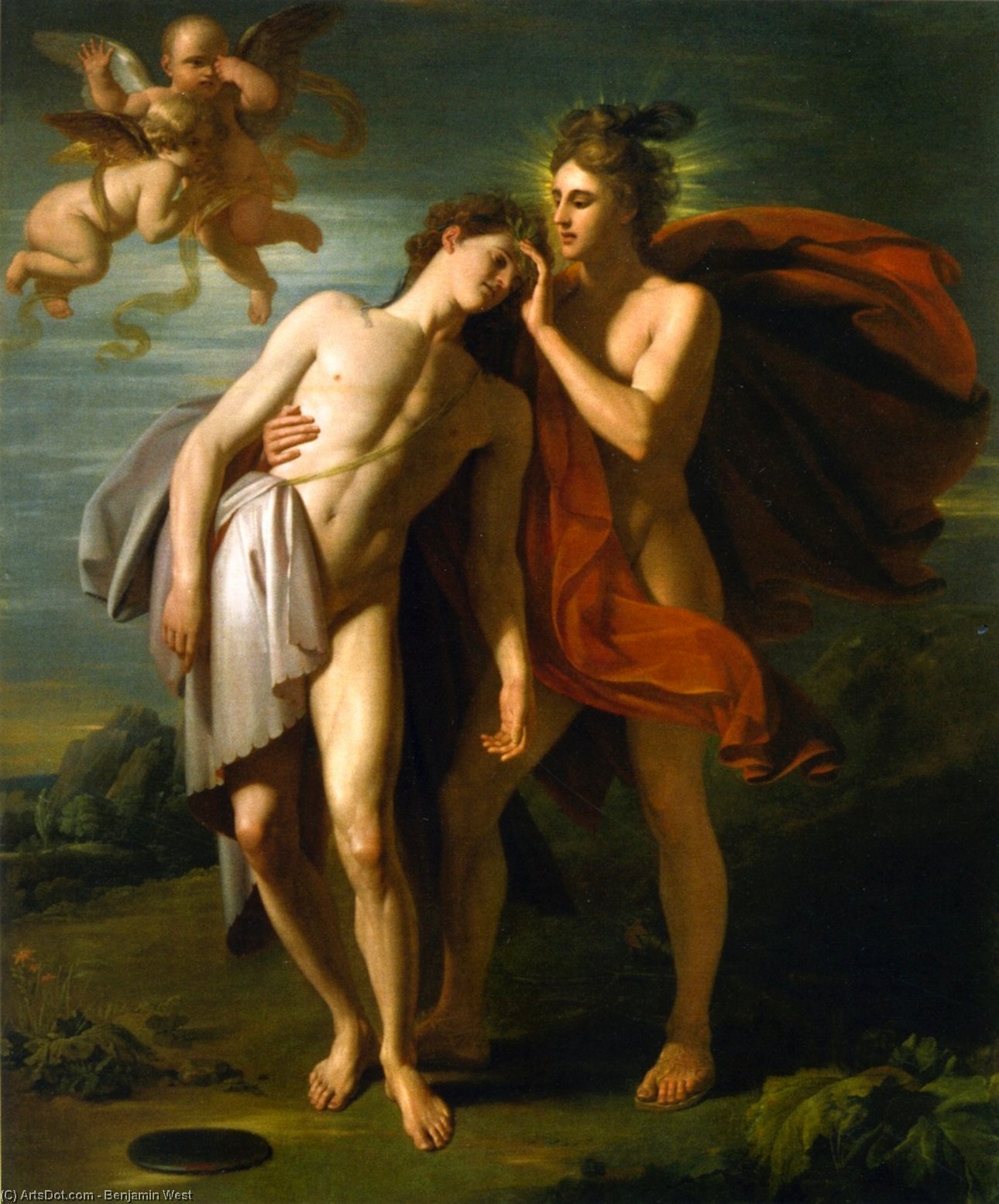
The Death of Hyacinth


 Read More
Purchase a high-resolution, enhanced digital image, far superior to the online preview.
Each file is meticulously prepared by our in-house specialists using advanced tools and expert manual retouching. We ensure every image has exceptional clarity, precise color accuracy, and fine detail.
The final file is delivered via email within 72 hours, optimized for immediate use in professional, editorial, and print environments. This is the same quality trusted by top-tier design studios, publishers, and galleries.
Digital Image
Download a high-resolution file for personal display, printing, and creative projects. ( Buy Print Buy Hand Made Painting)
Included in Every Digital Image Order
Expert Digital Delivery, Guaranteed
When you choose ArtsDot.com, you're not just getting an image - you're receiving a professionally enhanced digital artwork, crafted with precision and backed by a satisfaction guarantee. Here's everything that comes with your order, automatically:

Fast Email Delivery
Your high-resolution digital image file will be emailed to you within 72 hours of ordering - ready for immediate use.

AI-Enhanced Digital File
Your artwork is professionally optimized using advanced AI tools and manual editing, ensuring maximum detail, clarity, and color accuracy.

Free Lifetime Re-Delivery
Accidentally deleted or lost your file? No worries - we'll resend it to you anytime, free of charge.

No Import Fees - Ever
Enjoy your artwork instantly with zero customs, duties, or delivery fees - digital downloads are always tax-free.

Color Accuracy Guarantee
We ensure your digital image reflects the original colors as closely as possible using professional tools and color management.

60-Day Satisfaction Guarantee
If you're not satisfied with your digital image, we'll revise it or refund 100% within 60 days - no questions asked.

100% Money-Back Guarantee
Not satisfied? Get a full refund within 60 days of receiving your digital file - no questions asked.

Bulk Order Discounts
Buy 3 images, save 10% - Buy 5, save 15% - Buy 10+, save 20%. Great for creative projects, galleries, and agencies.
Collectible Description
The Death of Hyacinth: A Study in Dramatic Neoclassicism
Benjamin West’s “The Death of Hyacinth,” completed in 1771, stands as a cornerstone of British Romanticism's nascent influence on the American artistic landscape. Currently residing within the Philadelphia Museum of Art, this monumental oil painting transcends mere depiction; it embodies an emotional resonance that continues to captivate viewers centuries later.
Subject Matter and Narrative The artwork portrays Hyacinthus Pompeianus, a young Roman nobleman succumbing to illness—specifically malaria—under the watchful gaze of his devoted companion and two physicians. An angel descends from above, offering solace and conveying divine judgment upon Hyacinth’s demise. This poignant scene draws heavily on classical mythology, specifically Virgil's Aeneid, adapting heroic themes for a contemporary audience grappling with mortality.
Artistic Style and Technique West meticulously adheres to Neoclassical principles, prioritizing clarity of form, idealized beauty, and restrained emotion—a deliberate contrast to the burgeoning Romantic fervor dominating European art at the time. The artist employs meticulous brushwork and tonal gradation to achieve remarkable realism within a stylized framework. Color palettes are subdued, dominated by earthy reds, blues, and greens that lend an air of solemn dignity to the composition.
Compositional Considerations The painting’s arrangement is deliberately calculated to heighten dramatic impact. Hyacinth lies prone on the floor, supported by his friend, creating a horizontal axis that anchors the scene. The angel occupies the upper right quadrant, symbolizing divine compassion and overseeing the unfolding tragedy. Careful positioning of figures ensures visual balance while directing the viewer's gaze toward the central narrative.
Symbolism and Emotional Resonance Beyond its mythological basis, “The Death of Hyacinth” speaks to universal themes of loss, devotion, and acceptance of fate. The angel’s presence underscores Christian morality and offers a glimmer of hope amidst despair. West skillfully captures the palpable grief experienced by Hyacinth's friend—a testament to the artist’s ability to convey profound emotion through visual language.
Historical Context Painted during the Enlightenment, “The Death of Hyacinth” reflects the intellectual preoccupation with reason and morality prevalent in British society. However, West subtly incorporates Romantic elements – notably the ethereal angel – signaling a shift toward valuing subjective experience and emotional intensity. Its commission by wealthy patrons like William Augustus Fitzwilliam underscores the painting’s significance within the aristocratic circles of its era.
Reproductions & Further Exploration ArtsDot offers exceptional reproductions of “The Death of Hyacinth,” allowing collectors and enthusiasts alike to appreciate this masterpiece in stunning detail. For more information about Benjamin West and his artistic legacy, visit /art/list/?Filter=8XX8VZ-Benjamin-West-The-Death-of-Hyacinth or explore related artworks at the Philadelphia Museum of Art: https://www.philamuseum.org/
Related Artworks
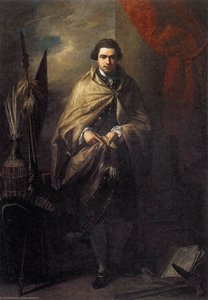
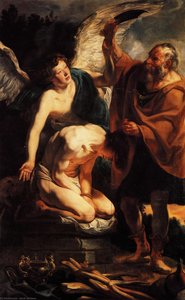
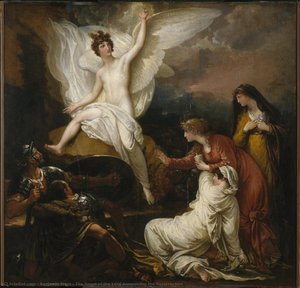
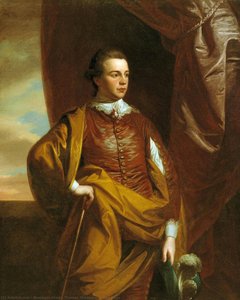
Artist Biography
A Pioneer Bridging Worlds: The Life and Legacy of Benjamin West
Born in 1738 amidst the burgeoning landscape of colonial Pennsylvania, Benjamin West emerged as a pivotal figure in the transatlantic art world, a painter who skillfully navigated the currents of Neoclassicism and Romanticism while forging a uniquely American artistic identity. His story is one of remarkable self-education, unwavering ambition, and an extraordinary ability to connect with both aristocratic patrons and revolutionary ideals. From humble beginnings—his father an innkeeper in Springfield—West’s innate talent was nurtured by early exposure to the arts, reportedly learning rudimentary techniques from Native Americans before receiving any formal training. This unconventional start instilled within him a spirit of innovation that would characterize his entire career. He quickly established himself as a sought-after portraitist in Philadelphia and New York, but a thirst for deeper artistic knowledge propelled him towards Europe in 1760, embarking on a journey that would irrevocably alter the course of American art.From Italy to London: Forging a Path to Recognition
West’s arrival in Italy marked a turning point. Immersing himself in the artistic heartland of Europe, he studied the masters—Titian, Raphael—and engaged with contemporary Neoclassical thinkers like Anton Rafael Mengs and Angelica Kauffman. This period was crucial in shaping his aesthetic sensibilities, instilling within him an appreciation for classical form and historical narrative. However, it was London that ultimately became his adopted home and artistic center. Arriving in 1763, West swiftly ascended the ranks of the British art scene, captivating audiences with his ambitious canvases and securing the patronage of King George III. This royal endorsement not only provided financial stability but also cemented his position as a leading figure within the establishment. A defining moment came with his election to the Royal Academy in 1769, an institution he would later preside over as President from 1792 until his death. His influence extended beyond his own artistic production; West became a champion for American artists seeking training abroad, offering guidance and support to generations of aspiring painters like Allston, Copley, and Morse.Revolutionizing Historical Painting: Technique and Controversy
West’s impact on the art world wasn't merely about achieving technical mastery; it was about challenging conventions. He dared to reimagine historical painting, moving away from rigid adherence to classical precedent and embracing a more contemporary sensibility. The Death of General Wolfe (1770), arguably his most famous work, exemplifies this revolutionary approach. By depicting the fallen general surrounded by figures in *contemporary* military attire rather than traditional Roman garb, West sparked considerable debate. Critics questioned the historical accuracy, but audiences were captivated by the immediacy and emotional resonance of the scene. This bold move signaled a shift towards greater realism and narrative power in history painting, influencing countless artists who followed. His style evolved over time, incorporating elements of Romanticism into his later works, yet always retaining a commitment to ambitious composition and detailed execution. Other notable pieces like Thetis Bringing the Armor to Achilles, The Three Sisters, The Fright of Astyanax, and The Cave of Despair demonstrate his versatility and mastery across a range of mythological and historical themes.A Lasting Legacy: Shaping Artistic Identity
Benjamin West’s legacy extends far beyond the canvases he created. He fundamentally altered the landscape of American art, establishing history painting as a viable genre for American artists and fostering a sense of national artistic identity. His presidency of the Royal Academy solidified his influence on British art, promoting innovation and supporting emerging talent.- He championed a more accessible and emotionally engaging style of historical representation.
- His studio became a haven for American artists seeking training in Europe.
- He bridged the gap between Neoclassical ideals and the burgeoning Romantic movement.
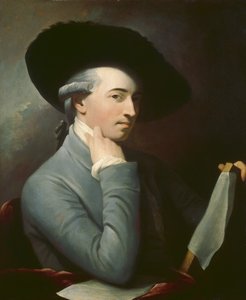
Benjamin West
1738 - 1820 , United States of America
Quick Facts
- Artistic Movement Or Style: Neoclassical, Romanticism
- Artists Or Movements Influenced By This Artist:
- Allston
- Copley
- Morse
- Artists Who Influenced This Artist:
- Titian
- Raphael
- Mengs
- Hamilton
- Kauffman
- Date Of Birth: 1738-10-10
- Date Of Death: 1820-03-11
- Full Name: Benjamin West
- Nationality: American
- Notable Artworks:
- The Death of General Wolfe
- Thetis Bringing Armor
- The Three Sisters
- Fright of Astyanax
- Place Of Birth: Springfield, USA

