

 Send
Send Share
Share
 Details

 Download
 Similars
 Diaporama
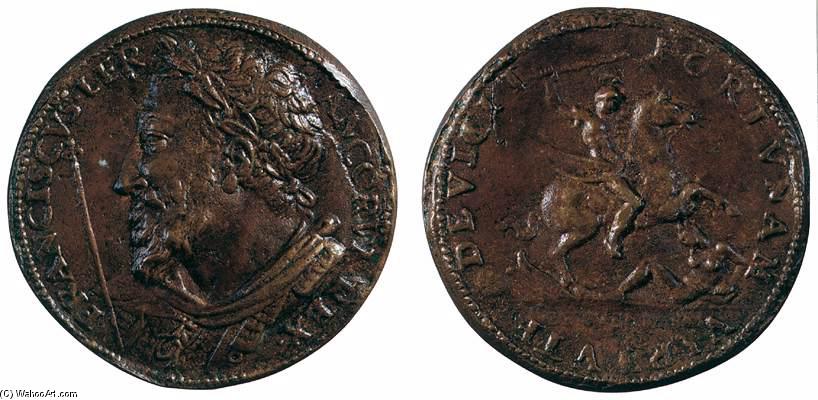
Medal of François I
 Metalwork
- Sculpture
- Mannerism
 1540
1540- Renaissance
 3.0 x 3.0 cm
 Museo Nazionale del Bargello
 Read More
Purchase a high-resolution, enhanced digital image, far superior to the online preview.
Each file is meticulously prepared by our in-house specialists using advanced tools and expert manual retouching. We ensure every image has exceptional clarity, precise color accuracy, and fine detail.
The final file is delivered via email within 72 hours, optimized for immediate use in professional, editorial, and print environments. This is the same quality trusted by top-tier design studios, publishers, and galleries.
Digital Image
Download a high-resolution file for personal display, printing, and creative projects. ( Buy Print Buy Hand Made Painting)
Included in Every Digital Image Order
Expert Digital Delivery, Guaranteed
When you choose ArtsDot.com, you're not just getting an image - you're receiving a professionally enhanced digital artwork, crafted with precision and backed by a satisfaction guarantee. Here's everything that comes with your order, automatically:

Fast Email Delivery
Your high-resolution digital image file will be emailed to you within 72 hours of ordering - ready for immediate use.

AI-Enhanced Digital File
Your artwork is professionally optimized using advanced AI tools and manual editing, ensuring maximum detail, clarity, and color accuracy.

Free Lifetime Re-Delivery
Accidentally deleted or lost your file? No worries - we'll resend it to you anytime, free of charge.

No Import Fees - Ever
Enjoy your artwork instantly with zero customs, duties, or delivery fees - digital downloads are always tax-free.

Color Accuracy Guarantee
We ensure your digital image reflects the original colors as closely as possible using professional tools and color management.

60-Day Satisfaction Guarantee
If you're not satisfied with your digital image, we'll revise it or refund 100% within 60 days - no questions asked.

100% Money-Back Guarantee
Not satisfied? Get a full refund within 60 days of receiving your digital file - no questions asked.

Bulk Order Discounts
Buy 3 images, save 10% - Buy 5, save 15% - Buy 10+, save 20%. Great for creative projects, galleries, and agencies.
Collectible Description
Benvenuto Cellini’s Medal of François I: A Testament to Mannerist Grandeur
Benvenuto Cellini’s *Medal of François I*, created in 1543 for the French King, stands as a pinnacle of Renaissance sculpture and embodies the stylistic fervor of Mannerism. More than just a commemorative portrait, it's an ambitious artistic statement reflecting Cellini’s mastery of technique and his profound understanding of humanist ideals—a microcosm of the era’s preoccupation with idealized beauty and dramatic expression.
The Sculptor’s Vision: Technique and Material
Cellini approached this commission with meticulous care, drawing upon his extensive experience in goldsmithing and sculpture. He famously recounted that he “made a little model in wax” – a technique characteristic of Mannerist artists who sought to transcend realism and capture the essence of their subjects. The medal itself is crafted from gold repoussé, meaning it’s hammered from a sheet of gold while still attached to a backing plate, allowing for incredible detail to be achieved. Cellini skillfully employed enamel—a painstaking process involving layering thin glazes of colored glass onto metal—to create vibrant hues and textures that heighten the visual impact.
Symbolism and Narrative: Terra et Mare
The medal’s composition is laden with symbolic significance, reflecting Cellini's fascination with classical mythology and humanist philosophy. Divided into two principal registers, it depicts *Terra et Mare* – Earth and Sea – representing the duality of human existence. The female figure embodies Earth, depicted in a serene pose adorned with laurel wreaths symbolizing victory and honor. Beside her stands Neptune, god of the sea, wielding his trident—a potent emblem of power and dominion—and surrounded by marine creatures that underscore the ocean’s influence on humanity.
Historical Context: Francis I and the Renaissance Court
Cellini's work was produced during a period of intense artistic innovation in France under François I, who championed humanist ideals and fostered a vibrant cultural environment. Cellini’s patronage by the King reflects the broader trend toward celebrating human achievement and exploring philosophical concepts—a hallmark of Mannerism. The medal served as a visual declaration of Francis I's authority and prestige, mirroring the opulent style prevalent in royal courts throughout Europe.
A Legacy of Artistic Excellence
The *Medal of François I* remains an extraordinary example of Cellini’s artistic genius—a testament to his unparalleled skill in goldsmithing and sculpture. Its exquisite craftsmanship, evocative symbolism, and connection to the intellectual currents of the Renaissance continue to inspire admiration and intrigue, cementing its place as one of the most celebrated artworks of its time.
Related Artworks
Artist Biography
Benvenuto Cellini: A Renaissance Polymath
- Born: Florence, Italy (November 1, 1500)
- Died: February 13, 1571
Benvenuto Cellini was a remarkable figure of the Italian Renaissance, renowned as an accomplished goldsmith, sculptor, draftsman, soldier, musician, and writer. His multifaceted talents and flamboyant personality are vividly captured in his celebrated autobiography, considered a significant literary work alongside his artistic achievements. He embodies the spirit of Mannerism, a period following the High Renaissance characterized by dramatic flair and stylistic complexity.
Early Life and Artistic Training
Born into a family with musical inclinations – his father was a musician and instrument maker – Cellini initially showed promise in music. However, at fifteen, he passionately pursued a career as a goldsmith, convincing his reluctant father to apprentice him to Antonio di Sandro (known as Marcone). This marked the beginning of his formal artistic training. His early years were not without incident; at sixteen, he became embroiled in an affray with companions, leading to banishment from Florence and a period working in Siena under goldsmith Fracastoro.
Major Artistic Works and Style
- Salt Cellar: This elaborate silver masterpiece, commissioned by King Francis I of France, is arguably his most famous work. It showcases intricate detail and dynamic figures, now housed at the Kunsthistorisches Museum in Vienna.
- Perseus with the Head of Medusa: A bronze sculpture depicting Perseus triumphantly holding the severed head of Medusa, this piece exemplifies Cellini’s mastery of form and dramatic composition. It stands as a testament to his skill in capturing movement and emotion in metal.
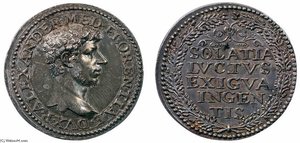
- Gold Medallion of Leda and the Swan: Created for Gonfaloniere Gabriello Cesarino, this medallion demonstrates Cellini's ability to blend classical mythology with exquisite craftsmanship.
- Project for a Seal: A drawing held at the British Museum, showcasing his design skills.
Cellini’s style is characterized by its dynamism, realism, and attention to detail. He drew inspiration from classical antiquity and Michelangelo's powerful figures, but infused his work with a distinctly Mannerist sensibility – elongated forms, exaggerated poses, and a sense of theatricality.
Life Beyond Art: Soldier, Musician, and Autobiographer
Cellini’s life extended far beyond the workshop. He served as a soldier during sieges, claiming to have played a crucial role in defending Rome against imperial forces. He was also an accomplished musician, playing the cornett and flute at papal court. However, it is his autobiography that truly sets him apart.
- The Life of Benvenuto Cellini: This candid and often boastful account provides invaluable insights into Renaissance art, culture, and society. It’s a compelling narrative filled with anecdotes about patrons, rivals, and personal adventures, offering a unique perspective on the era.
His autobiography is not merely a recounting of events; it's a carefully constructed self-portrait designed to showcase his talents and justify his actions. While sometimes unreliable due to Cellini’s own biases, it remains an essential primary source for understanding Renaissance life.
Legacy and Historical Significance
Benvenuto Cellini died in Florence in 1571, leaving behind a legacy as one of the most important artists of Mannerism. His technical skill, artistic innovation, and captivating autobiography continue to inspire artists and art enthusiasts alike. He represents the quintessential Renaissance ideal – a polymath skilled in multiple disciplines, driven by ambition, and unafraid to express his individuality. His works are celebrated for their beauty, craftsmanship, and dramatic power, solidifying his place as a pivotal figure in Western art history.
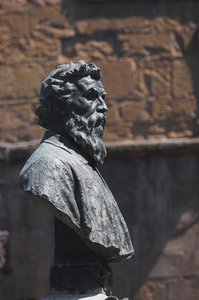
Benvenuto Cellini
1500 - 1571 , Italy
Quick Facts
- Artistic Movement Or Style: Mannerism
- Artists Who Influenced This Artist: ['Michelangelo']
- Date Of Birth: November 1, 1500
- Date Of Death: February 13, 1571
- Full Name: Benvenuto Cellini
- Nationality: Italian
- Notable Artworks:
- Perseus with the Head of Medusa
- Cellini Salt Cellar
- Place Of Birth: Florence, Italy

