 Preview
 Send
Send Share
Share
 Details

 Download
 Similars
 X-Ray
X-Ray Diaporama
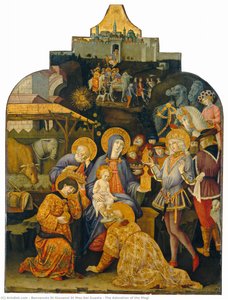
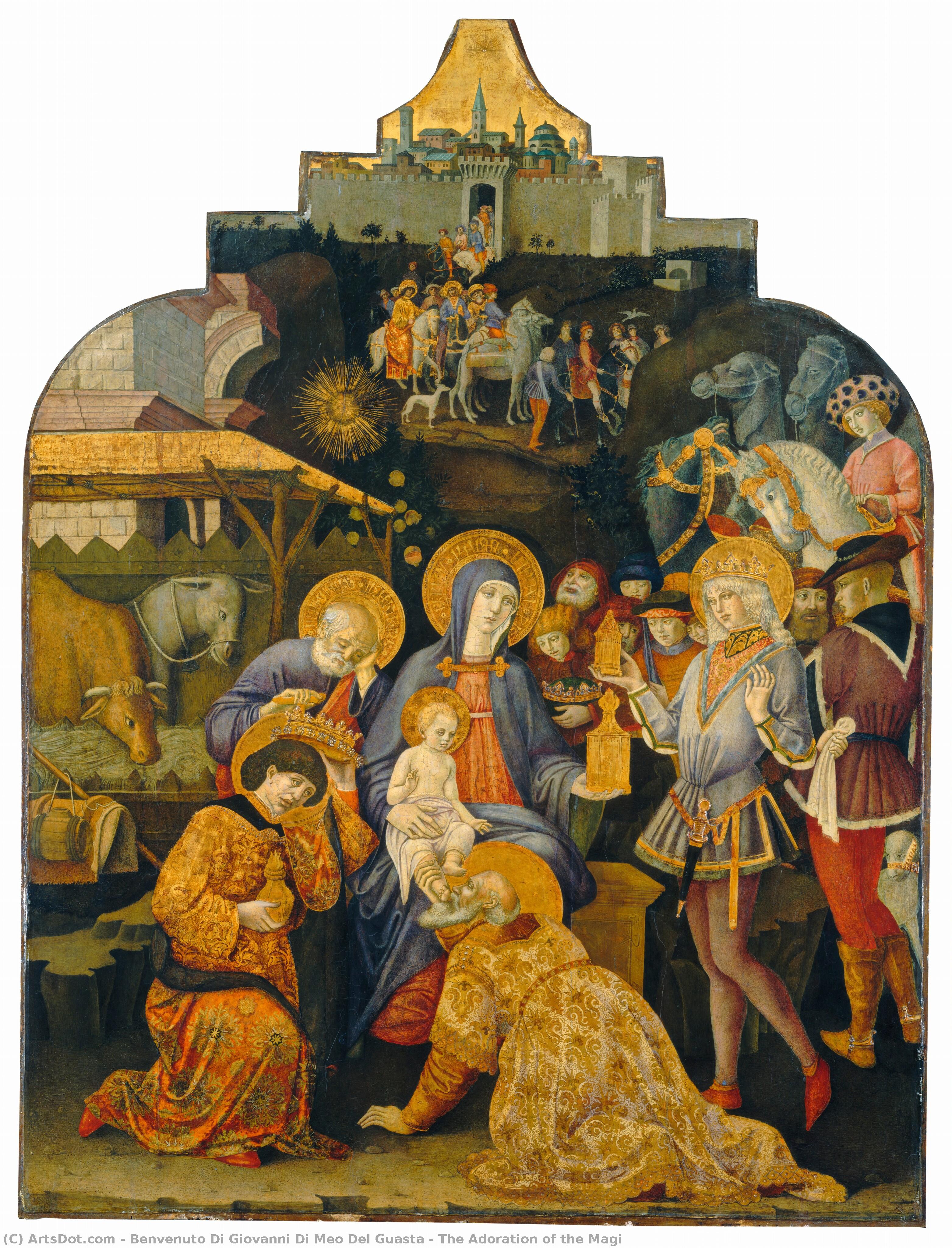
The Adoration of the Magi
 1475
1475 208.0 x 151.0 cm
 Read More
Giclée / Art Print
Museum-quality giclée or canvas print with fast production and flexible finish options. ( Buy Hand Made Painting Buy Image)




































Pick from our preset sizes that match the artwork's original proportions.

You may enter your own dimensions to fit a specific frame or space. If your selected size does not match the original image's proportions, we will either crop the artwork or extend the image with a mirrored or solid-fill edge. A digital mockup will be sent for your approval before production begins.
Please note that the on-screen preview does not reflect the actual cropping or extension. Only the mockup will accurately show the final composition.
While custom sizes are available, we recommend selecting a dimension from the predefined list to preserve the original proportions.
Worldwide Delivery () in 2 weeks instead of standard 4/5 weeks. (6 September)

Free Worldwide Express Shipping

High-Quality Linen Canvas

Full Shipping Insurance

Customs Tax Refund Guarantee

True Color Matching Guarantee

100-Day Return Policy (Defects Only)

100% Money-Back Guarantee

Bulk Discount Offer
 Glass option is only available in size under 110 CM

The Adoration of the Magi
Giclée / Art Print
Reproduction Size
-


Total Price
$ 63
Related Artworks






Artist Biography
The Sienese Master of Detail and Emotion
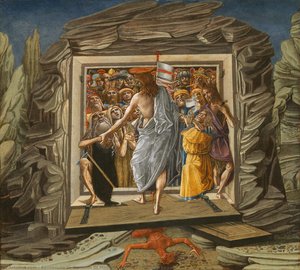
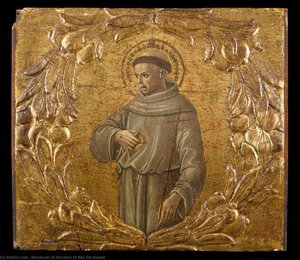
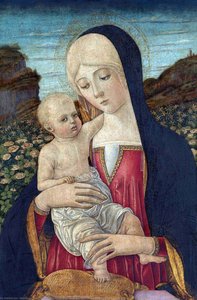
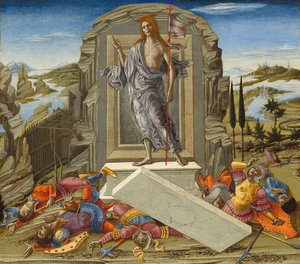
Benvenuto di Giovanni, born around 1436 as Benvenuto di Giovanni di Meo del Guasta, remains a luminous figure in the storied artistic landscape of Siena. A true son of his city, he spent nearly his entire life immersed in the vibrant, competitive, and deeply spiritual atmosphere of Tuscany. While many Renaissance artists sought fame in distant courts, Benvenuto’s legacy is inextricably tied to the streets and sacred spaces of Siena, where his hand shaped the very fabric of the city's visual identity. His work, characterized by an extraordinary devotion to minute detail and a profound ability to evoke human emotion, serves as a bridge between the late Gothic traditions of his predecessors and the burgeoning complexities of the High Renaissance.
The foundations of his artistry were laid in the prestigious workshop of il Vecchietta, one of Siena's most influential masters. It was within this environment of rigorous training and stylistic experimentation that Benvenuto learned to manipulate light, color, and form to serve narrative ends. This early apprenticeship did more than teach him technique; it connected him to a lineage of Sienese painters who valued clarity, elegance, and a certain rhythmic grace. As his career progressed, particularly during the 1480s, one can observe a fascinating stylistic evolution. Influenced by the broader currents of the Italian Renaissance—including the bold color palettes and dramatic spatial distortions seen in the works of artists like Liberale da Verona—Benvenuto began to infuse his compositions with a new sense of depth and atmospheric tension.
A Legacy Carved in Stone, Gold, and Pigment
Benvenuto’s versatility allowed him to master a diverse array of mediums, making him an indispensable figure for the most prestigious ecclesiastical commissions of his era. His contributions were not merely confined to portable panels but extended into the very architecture of Sienese devotion. He was particularly renowned for several distinct types of artistic achievement:
- Choral Miniatures: These exquisite, small-scale depictions of biblical narratives required a steady hand and an eye for the infinitesimal. In these works, Benvenuto demonstrated his ability to compress vast theological truths into delicate, jewel-encoded scenes that invited close, meditative study.
- Pavement Designs: His talent for intricate pattern-making transformed the floors of great cathedrals into sprawling visual tapestries. These designs provided a geometric and symbolic foundation upon which the spiritual experience of the viewer could unfold.
- Monumental Frescoes: In the grander scale of wall paintings, Benvenuto utilized his mastery of color to animate the sacred spaces of churches and palaces, bringing the stories of saints and scripture to life through sweeping gestures and emotive facial expressions.
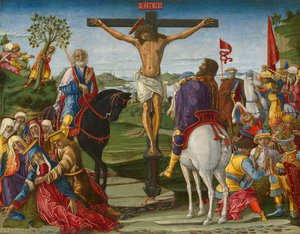
One of his most hauntingly beautiful achievements can be seen in works such as The Crucifixion. In this composition, the artist employs a striking contrast between the visceral reality of suffering—the blood dripping from nails and the slumped, exhausted form of Christ—and a luminous, almost otherworldly sky. The use of vibrant yellows, deep reds, and royal purples creates a sensory richness that captures the viewer's attention, while the meticulous rendering of the surrounding figures adds a layer of human drama that is both tragic and transcendent.
Historical Significance and Enduring Spirit
The historical importance of Benvenuto di Giovanni lies in his role as a custodian of Sienese tradition during a period of profound transition. While the broader Italian peninsula was moving toward the balanced classicism of Rome and Florence, Benvenuto maintained a unique stylistic identity that honored the decorative richness of Siena while embracing the new possibilities of spatial depth and psychological realism. He was an artist who could navigate the delicate balance between the symbolic language of the past and the observational rigor of the future.
Though he lived through a period of immense change, his commitment to his craft remained steadfast until his death around 1518. His ability to weave together the spiritual and the material—to make the divine feel tangible through the texture of a robe or the glint of a tear—ensures that his work continues to resonate. Today, when we look upon his miniatures or contemplate his grand designs, we are not just viewing relics of the 15th century; we are witnessing the enduring pulse of a master who found the infinite within the minute.
benvenuto di giovanni di meo del guasta
1436 - 1518 , Italy
Quick Facts
- Artistic Movement Or Style: Early Renaissance
- Artists Or Movements Influenced By This Artist: ['Renaissance']
- Artists Who Influenced This Artist:
- Vecchietta
- Sano di Pietro
- Date Of Birth: 1436 Siena, Italy
- Date Of Death: c.1518
- Full Name: Benvenuto di Giovanni di Meo del Guasta
- Nationality: Italian
- Notable Artworks:
- The Crucifixion
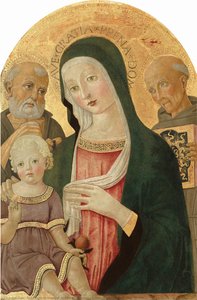
- The Virgin and Child with Saints
- The Adoration of the Magi
- Place Of Birth: Siena