 Preview
 Send
Send Share
Share
 Details

 Download
 Similars
 X-Ray
X-Ray Diaporama
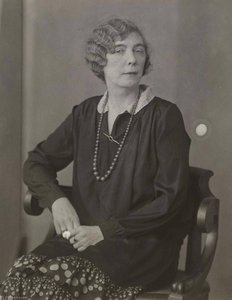
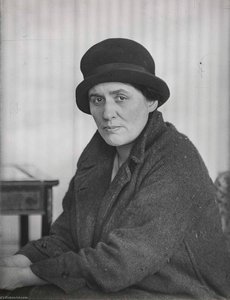
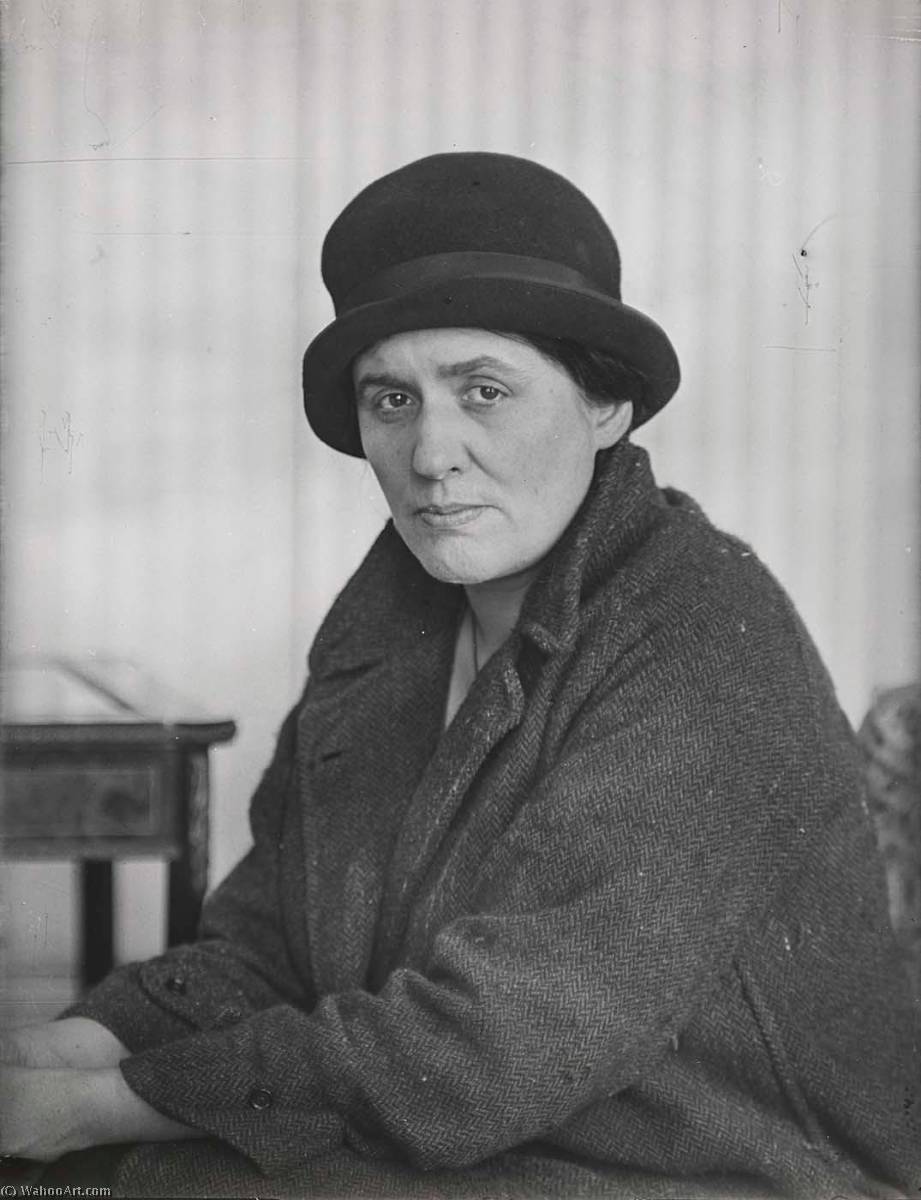
Portrait of Anna Wickham
 Documentary Photography
 1929
1929 25.0 x 20.0 cm
 Read More
Hand Made Oil Reproduction
Hand-painted oil on canvas in your size and frame, made to order by our artists. ( Buy Print Buy Image)




































Pick from our preset sizes that match the artwork's original proportions.

You may enter your own dimensions to fit a specific frame or space. If your selected size does not match the original image's proportions, we will either crop the artwork or extend the painting with additional hand-painted elements. A digital mockup will be sent for your approval before production begins.
Please note that the on-screen preview does not reflect the actual cropping or extension. Only the mockup will accurately show the final composition.
While custom sizes are available, we recommend selecting a dimension from the predefined list to preserve the original proportions.
After order, ArtsDot.com team will email client for instructions and provide a mockup preview
Worldwide Delivery () in 3/4 weeks instead of standard 5 weeks. (23 August). No compromise on quality.

Free Worldwide Express Shipping

High-Quality Linen Canvas

Full Shipping Insurance

Customs Tax Refund Guarantee

True Color Matching Guarantee

60-Day Return Policy (Defects Only)

100% Money-Back Guarantee

Bulk Discount Offer
 Glass option is only available in size under 110 CM

Portrait of Anna Wickham
Reproduction Medium
Reproduction Size
-


Total Price
$ 263
Artwork Description
A Glimpse into Modernity: Berenice Abbott's Portrait of Anna Wickham
This striking black and white portrait photograph, captured in 1929 by the pioneering American photographer Berenice Abbott, offers a compelling window into the interwar period. The subject is Anna Wickham, a British poet known for her unconventional verse and independent spirit. Abbott’s image transcends a simple likeness; it presents a carefully constructed study of character and presence, reflecting the burgeoning documentary photography movement of the time. The photograph's enduring appeal lies in its ability to convey both formality and intimacy, capturing a moment of quiet contemplation within a rapidly changing world.Style & Technique: Documentary Realism with Artistic Flair
Abbott’s style is firmly rooted in documentary realism, aiming to capture the essence of everyday life with unflinching honesty. However, this isn't mere snapshot photography. Abbott was an artist who meticulously composed her images. The use of a large format camera ensured exceptional detail and sharpness, allowing for nuanced observation of textures – the rough weave of Wickham’s coat, the crisp lines of her hat, the subtle grain of the wall paneling. The stark grayscale palette, achieved through traditional photographic processes, amplifies the contrast between light and shadow, defining shapes and adding depth to the composition. The slight blurring of the background creates a sense of focus on Wickham, drawing the viewer's eye directly to her gaze. Abbott’s mastery lies in transforming a seemingly straightforward portrait into a work of art that speaks volumes about its subject and era.Historical Context & Symbolism
The late 1920s were a period of significant social and cultural shifts, marked by the rise of modernism and a fascination with urban life. Abbott’s photographs often documented this transformation, capturing the dynamism of New York City and its inhabitants. This portrait of Anna Wickham aligns with that broader project, portraying a woman who, like many artists of her time, challenged conventional norms. The wide-brimmed hat and formal attire suggest a certain societal standing, while Wickham’s direct gaze and composed posture convey an air of independence and intellectual strength. The presence of other figures in the blurred background hints at a social setting, yet Wickham remains the undeniable focal point – a testament to Abbott's skill in directing attention. The choice of black and white further emphasizes the timeless quality of the image, stripping away color distractions and focusing on form, texture, and emotion.Emotional Impact & Enduring Appeal
Beyond its historical significance, this portrait evokes a sense of quiet dignity and introspection. Wickham’s expression is enigmatic – neither overtly joyful nor sorrowful, but rather thoughtful and perhaps slightly melancholic. This ambiguity invites the viewer to project their own interpretations onto her face, fostering a personal connection with the image. The photograph's strength lies in its ability to convey a complex emotional landscape through subtle cues—the angle of her head, the set of her jaw, the intensity of her gaze. It’s a portrait that lingers in the mind long after viewing, prompting reflection on the individual and the era they inhabited. This piece is ideal for those seeking an elegant and thought-provoking addition to their art collection or interior décor, bringing a touch of modernist sophistication and timeless beauty to any space.Related Artworks
Artist Biography
Early Life and Artistic Foundations
Berenice Abbott, born Berenice Alice Abbott on July 17, 1898, in Springfield, Ohio, embarked on a journey that would establish her as a pioneering figure in American photography. Her early life was marked by a restless spirit and a burgeoning artistic sensibility. After briefly attending The Ohio State University in 1918, she gravitated towards the vibrant energy of New York City, seeking to hone her skills in sculpture and painting. This period laid the groundwork for her future endeavors, introducing her to the avant-garde circles that would profoundly shape her aesthetic vision. Connections forged with influential figures like Marcel Duchamp and Man Ray proved pivotal, opening doors to a world of artistic experimentation and challenging conventional norms. It was an environment ripe with possibility, fostering a spirit of innovation that would come to define Abbott’s own unique approach to visual expression.Parisian Awakening and Photographic Development
A transformative chapter in Abbott's life began in 1921 when she journeyed to Paris. This move proved instrumental in her artistic evolution, leading to an apprenticeship with the renowned photographer Man Ray. Working alongside him, she immersed herself in the intricacies of darkroom techniques and photographic processes, gaining invaluable experience that would become the cornerstone of her practice. It was during this period that Abbott’s distinctive style began to emerge, characterized by a keen eye for detail and a commitment to capturing the essence of her subjects. Her work quickly gained recognition, culminating in an exhibition at Le Sacre du Printemps gallery in 1926, where she showcased portraits of prominent artists and literary figures, including James Joyce and Eugène Atget. Further studies in Berlin refined her skills before returning to Paris and establishing a second studio on the rue Servandoni, solidifying her position within the European artistic landscape.Documenting a Changing City: New York Transformed
In 1929, Abbott returned to New York City with a dual purpose: to champion the work of Eugène Atget and to document the rapidly changing urban environment that captivated her imagination. Recognizing the city’s photographic potential, she embarked on an ambitious project to capture its architecture and evolving character. Supported by the Works Progress Administration (WPA), this undertaking resulted in “Changing New York,” a comprehensive collection that stands as a landmark achievement in documentary photography. Abbott meticulously documented the city's transformation, contrasting old and new structures, capturing bustling street scenes, and revealing the dynamic energy of a metropolis in constant flux. Her photographs weren’t merely records; they were insightful observations about urban life, progress, and the passage of time. This project cemented her reputation as a visionary artist with a unique ability to capture the spirit of a place.Legacy and Enduring Influence
Berenice Abbott's legacy extends far beyond her stunning photographs. She is celebrated for pioneering documentary photography, demonstrating an unparalleled ability to convey the essence of urban life through her lens. Her portraits offer intimate glimpses into the lives of influential cultural figures, while her New York City photographs serve as a valuable historical record of the city’s evolution. Crucially, Abbott played a vital role in preserving and promoting the work of Eugène Atget, bringing his artistry to wider recognition and ensuring his place in photographic history. Beyond her artistic practice, she contributed significantly to the field through her writings and illustrations on photographic techniques, furthering its development as an art form. Her photographs are now held in prestigious collections worldwide, including the Smithsonian American Art Museum and the Philadelphia Museum of Art, a testament to their enduring power and significance. Abbott’s influence continues to inspire photographers today, reminding us of the profound ability of the camera to document, interpret, and celebrate the world around us.Key Influences and Artistic Style
Several key influences shaped Berenice Abbott's artistic vision. Her apprenticeship with Man Ray was foundational, exposing her to avant-garde techniques and introducing her to a network of influential artists. The rediscovery and promotion of Eugène Atget’s work profoundly impacted her approach to documentary photography, inspiring her meticulous documentation of urban environments. Abbott's photographs often reflect the aesthetic sensibilities of the Art Deco Movement, characterized by geometric forms and a sense of modernity. Her style aligned with the principles of “straight photography,” emphasizing sharp focus and unmanipulated images to present a realistic depiction of her subjects, devoid of artificiality or romanticism. This commitment to clarity and authenticity became a hallmark of her work, allowing viewers to connect directly with the scenes she captured and appreciate the beauty inherent in everyday life.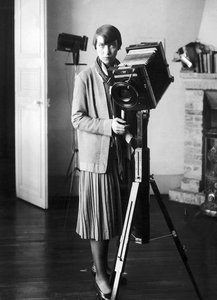
Berenice Abbott
1898 - 1991 , United States of America
Quick Facts
- Artistic Movement Or Style: Documentary photography
- Artists Or Movements Influenced By This Artist: Documentary photography
- Artists Who Influenced This Artist:
- Man Ray
- Eugène Atget
- Date Of Birth: July 17, 1898
- Date Of Death: December 9, 1991
- Full Name: Berenice Abbott
- Nationality: American
- Notable Artworks:
- Portrait of Anna Wickham
- Normandie, North River
- Zito
- Place Of Birth: Springfield, USA
Related Articles

Monochrome Visions: Exploring the Aesthetic & Historical Significance of Black & White Photography
Explore the rich history & artistic power of black and white photography. From early techniques to iconic masters like Ansel Adams, discover why monochrome continues to captivate art lovers today. Expert insights for collectors.
Whistler's Masterpieces: Explore 25 Iconic Paintings & Aesthetic Art for Your Home
Journey through 25 iconic James Abbott McNeill Whistler paintings! Explore his masterpieces of Aestheticism, from 'Nocturne in Black and Gold' to captivating portraits. Find museum-quality art reproductions & elevate your home decor with ArtsDot.com. Discover the full collection online.

White on Canvas: 10 Masterpieces & Timeless Elegance for Your Home Decor
Explore 10 iconic white paintings by Monet, Whistler & Rothko! Discover the stories behind these serene masterpieces and their impact on art history. Find museum-quality reproductions for your home decor at .
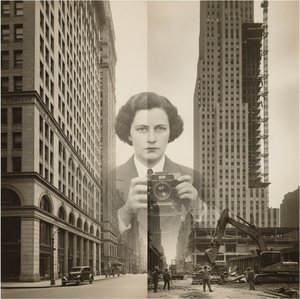
Berenice Abbott: Documenting a Changing America Through Photographic Vision
Explore the groundbreaking work of Berenice Abbott, a pioneer of documentary photography. Discover her iconic images of New York City, portraits, and scientific studies. Learn about her unique style & lasting legacy at ArtsDot.

Timeless & Chic: Elevating Your New Home with the Sophistication of Black and White Photography
Transform your new home with the timeless allure of black and white photography. ArtsDot.com specializes in elegant monochrome decor and custom hand-painted wedding portraits that turn cherished milestones into lasting, soulful masterpieces. Elevate your space with ease.