

 Preview
 Send
Send Share
Share
 Details

 Download
 Similars
 X-Ray
X-Ray Diaporama
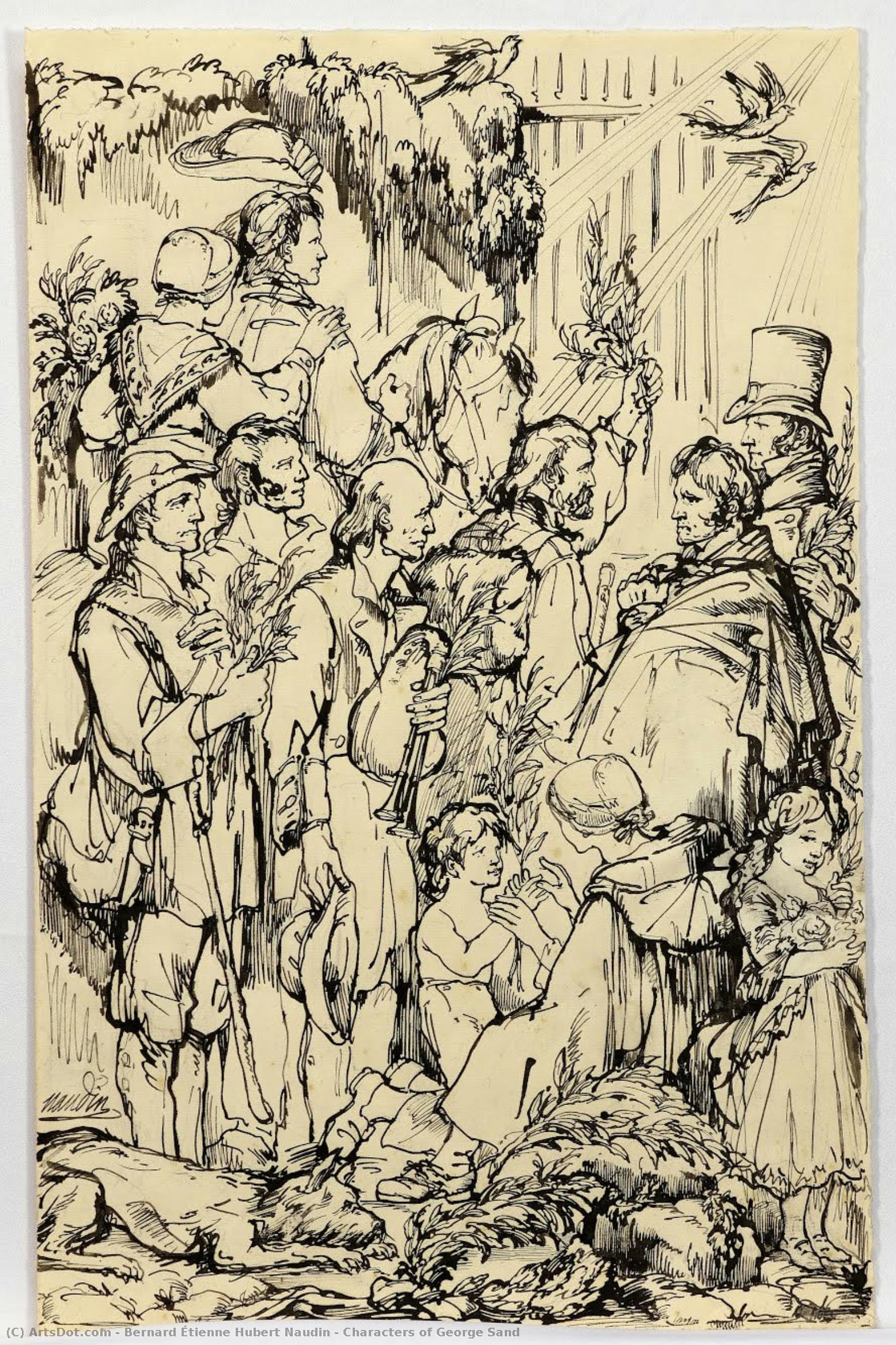
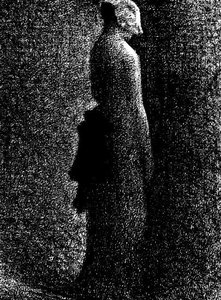
Characters of George Sand


 Read More
Giclée / Art Print
Museum-quality giclée or canvas print with fast production and flexible finish options. ( Buy Hand Made Painting Buy Image)




































Pick from our preset sizes that match the artwork's original proportions.

You may enter your own dimensions to fit a specific frame or space. If your selected size does not match the original image's proportions, we will either crop the artwork or extend the image with a mirrored or solid-fill edge. A digital mockup will be sent for your approval before production begins.
Please note that the on-screen preview does not reflect the actual cropping or extension. Only the mockup will accurately show the final composition.
While custom sizes are available, we recommend selecting a dimension from the predefined list to preserve the original proportions.
Worldwide Delivery () in 2 weeks instead of standard 4/5 weeks. (25 August)

Free Worldwide Express Shipping

High-Quality Linen Canvas

Full Shipping Insurance

Customs Tax Refund Guarantee

True Color Matching Guarantee

60-Day Return Policy (Defects Only)

100% Money-Back Guarantee

Bulk Discount Offer
 Glass option is only available in size under 110 CM

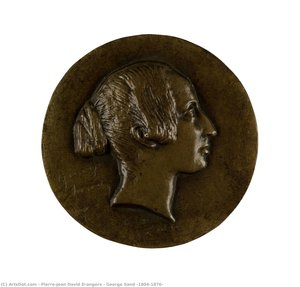
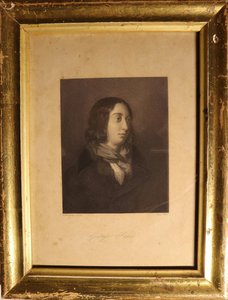
Characters of George Sand
Giclée / Art Print
Reproduction Size
-


Total Price
$ 63
Related Artworks
Artist Biography
A Legacy of Line and Light: The Life of Bernard Naudin
Born amidst the quiet, artisanal rhythms of Châteauroux, France, in 1876, Bernard Étienne Hubert Naudin was a child of craftsmanship. Raised in a family of watchmakers and antique dealers, his early world was one of meticulous detail and historical reverence. This precision was further refined by his father, a painter and designer who served as Naudin’s first mentor before his untimely passing in 1890. Left to navigate his artistic evolution independently, the young Naudin possessed an innate ability to translate the soul of the French landscape into visual narrative, a gift that would eventually lead him from the provincial charm of Berry to the vibrant, intellectual heart of Paris.
Naudin’s ascent within the Parisian art scene was marked by a remarkable versatility that defied simple categorization. His journey began in earnest with a commission for Jean Baffier, the publisher of Le Réveil de la Gaule, where his early illustrations—such as his evocative depiction of a 17th-century bagpiper—demonstrated a profound capacity for atmosphere. As he moved to Paris and studied under masters like Léon Bonnat at the École des Beaux-Arts, Naudin’s work began to bridge the gap between classical training and the burgeoning modern spirit. He was not merely an observer of life but a chronicler of its many facets, moving seamlessly between the delicate beauty of rural scenes and the biting wit of urban caricature.
The Art of Narrative and the Spirit of Collaboration
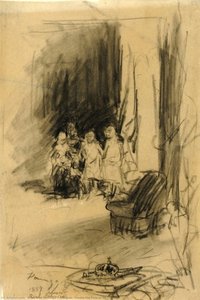
One cannot discuss Naudin’s contribution to French culture without acknowledging his profound connection to the literary giants of his era. His most celebrated partnership was with the legendary novelist George Sand. Through his lithographs, such as the 1926 masterpiece Characters of George Sand, Naudin breathed visual life into her prose, capturing the kinetic energy of Parisian streets and the emotional depth of her characters. This ability to translate literary themes into striking imagery solidified his reputation as a premier illustrator capable of profound storytelling.
His talent for social commentary found its most potent expression in the pages of the satirical journal L'Assiette au Beurre. Here, Naudin utilized his mastery of etching and drawing to tackle the heavy shadows of society. His work for this publication was far from mere decoration; he used his pen to illuminate the harsh realities of war, homelessness, and childhood abuse. This period of his career showcased a shift in focus, as he moved away from the purely aesthetic toward a more visceral, socially conscious form of printmaking that demanded the viewer's empathy and attention.
Technical Mastery and Lasting Influence
Naudin’s artistic repertoire was remarkably expansive, encompassing painting, design, engraving, and even typography. His dedication to the fundamental elements of design led him to collaborate with the Deberny & Peignot foundry, where he designed and engraved a new type font—a testament to his belief that art should permeate every aspect of visual communication. Whether he was creating decorative panels for public buildings or serving as a war illustrator during the Great War, his work remained anchored by a distinctive style characterized by precise linework and subtle tonal gradations.
The historical significance of Bernard Naudin lies in his ability to exist at the intersection of multiple artistic movements. He was simultaneously a romanticist capturing the essence of provincial life and a modern illustrator confronting the complexities of the 20th century. His legacy is found in the delicate etchings that capture a fleeting moment of light and the bold caricatures that challenge social injustice. Through his diverse mediums, Naudin ensured that the spirit of French artistry remained both deeply rooted in tradition and courageously engaged with the evolving modern world.
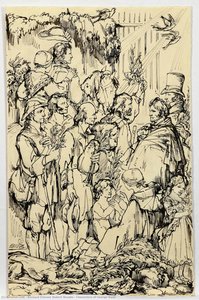
bernard étienne hubert naudin
1876 - 1946 , France
Quick Facts
- Artistic Movement Or Style: Illustration Art
- Artists Or Movements Influenced By This Artist: ['19th Century Art']
- Artists Who Influenced This Artist: ['George Sand']
- Date Of Birth: November 11, 1876
- Date Of Death: March 7, 1946
- Full Name: Bernard Étienne Hubert Naudin
- Nationality: French
- Notable Artworks: ['Characters of George Sand']
- Place Of Birth: Chartroux, France
Related Articles

Georges Braque's Masterpieces: 25 Paintings That Defined Cubism & Modern Art | ArtsDot
Explore 25 iconic Georges Braque paintings that revolutionized Cubism & modern art. Discover the stories behind his masterpieces, from Fauvism to Analytical Cubism. Find museum-quality reproductions & elevate your home decor with ArtsDot.com.

Georges Seurat's Masterpieces: 25 Paintings That Defined Pointillism | ArtsDot
Explore 25 iconic Georges Seurat paintings & discover the brilliance of Pointillism. From 'La Grande Jatte' to his harbor scenes, delve into art history with ArtsDot.com. Find museum-quality reproductions for your home decor. Explore the full collection online!

Dark Masterpieces: 10 Iconic Paintings Dominated by Black Tones |
Explore 10 iconic paintings dominated by black tones, from Rembrandt’s chiaroscuro to Goya's dark expressions. Discover the stories behind these masterpieces & find museum-quality art reproductions for your home at .
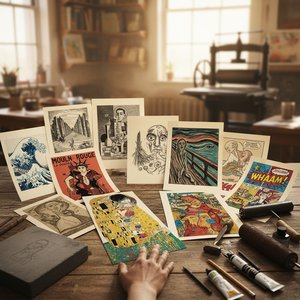
Top 10 Lithographs That Revolutionized Art | ArtsDot
Explore 10 legendary lithographs by Toulouse-Lautrec, Munch & Picasso that redefined art! Discover the stories behind these iconic prints and find museum-quality reproductions for your home decor at ArtsDot.com. Explore the full collection online.
Mars Black Masterpieces: 10 Iconic Paintings & Timeless Art Decor Ideas
Delve into the power of 'Mars Black' with 10 iconic paintings by masters like Rembrandt & Caravaggio. Explore dramatic chiaroscuro, gothic art, and timeless beauty. Find museum-quality reproductions & elevate your home decor on .

