 Send
Send Share
Share
 Details

 Download
 Similars
 Diaporama
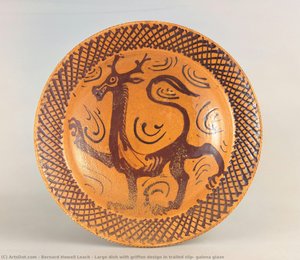
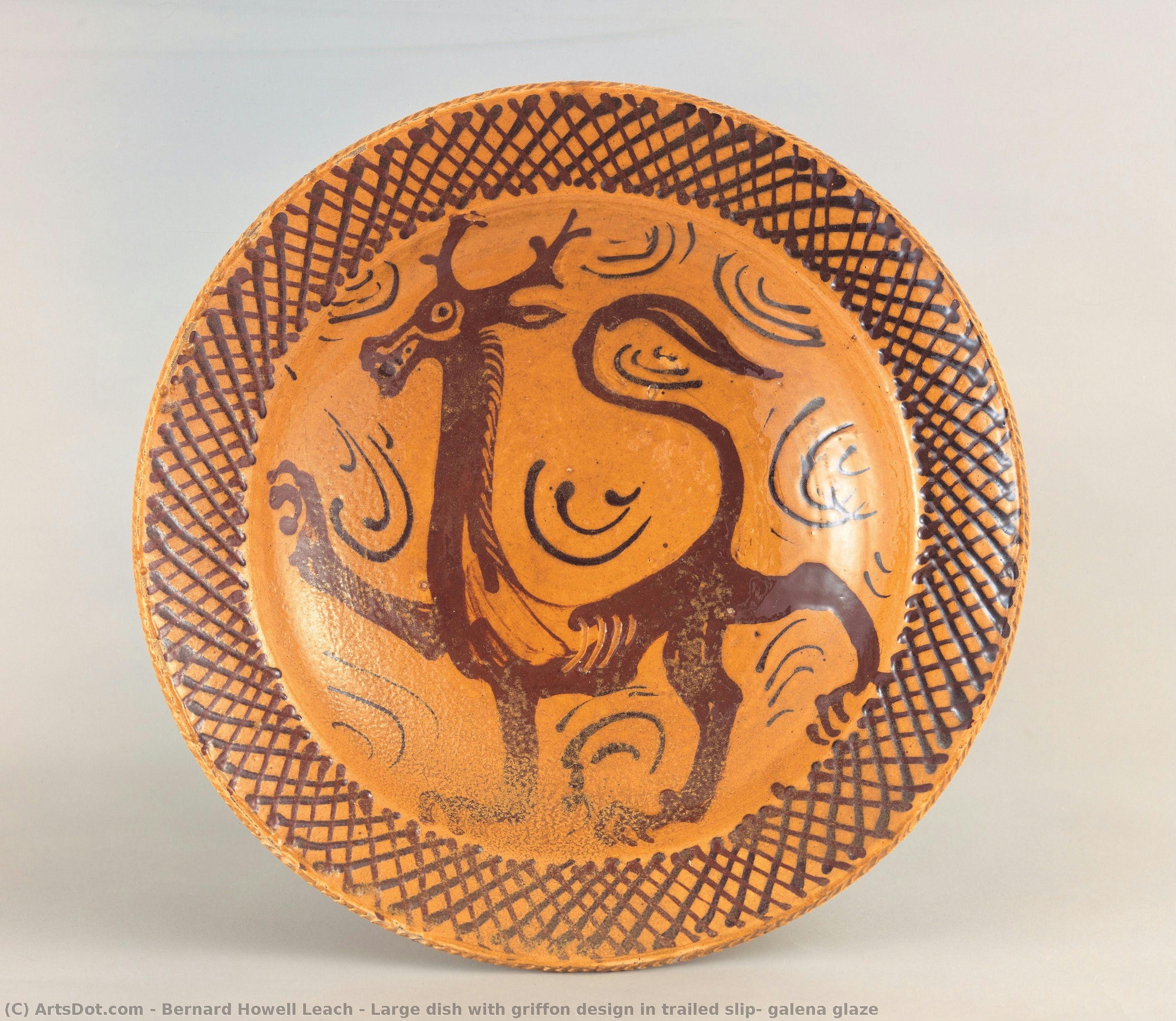
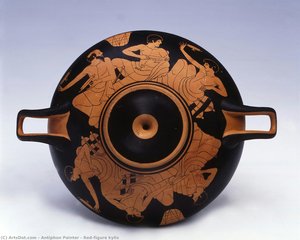
Large dish with griffon design in trailed slip, galena glaze


 Read More
Hand Made Oil Reproduction
Hand-painted oil on canvas in your size and frame, made to order by our artists. ( Buy Print Buy Image)




































Pick from our preset sizes that match the artwork's original proportions.

You may enter your own dimensions to fit a specific frame or space. If your selected size does not match the original image's proportions, we will either crop the artwork or extend the painting with additional hand-painted elements. A digital mockup will be sent for your approval before production begins.
Please note that the on-screen preview does not reflect the actual cropping or extension. Only the mockup will accurately show the final composition.
While custom sizes are available, we recommend selecting a dimension from the predefined list to preserve the original proportions.
After order, ArtsDot.com team will email client for instructions and provide a mockup preview
Worldwide Delivery () in 3/4 weeks instead of standard 5 weeks. (25 August). No compromise on quality.

Free Worldwide Express Shipping

High-Quality Linen Canvas

Full Shipping Insurance

Customs Tax Refund Guarantee

True Color Matching Guarantee

60-Day Return Policy (Defects Only)

100% Money-Back Guarantee

Bulk Discount Offer
 Glass option is only available in size under 110 CM

Large dish with griffon design in trailed slip, galena glaze
Reproduction Medium
Reproduction Size
-


Total Price
$ 263
Artwork Description
A Fusion of East and West in Clay
In the realm of studio pottery, few pieces capture the profound dialogue between disparate cultures as poignantly as this large dish with a griffon design. Created by the legendary Bernard Howell Leach, often revered as the "father of British studio pottery," this work serves as a tangible bridge between the rugged traditions of English slipware and the delicate, spiritual precision of Japanese ceramic mastery. The dish is not merely a functional object but a vessel of history, embodying the cross-cultural pilgrimage that defined Leach’s life and artistic philosophy. As one contemplates its surface, one feels the presence of the Mingei movement—the Japanese folk art movement—which celebrated the beauty of everyday, handcrafted objects made by anonymous craftsmen.
The visual centerpiece of this masterpiece is the striking depiction of a mythical creature, often interpreted through the lens of a dragon or a griffon. Rendered in a rich, earthy palette, the design commands the viewer's attention with its intricate detail and fluid movement. The use of galena glaze lends the piece a deep, lustrous finish, providing a somber yet sophisticated backdrop that allows the trailing slip to emerge with sculptural prominence. This interplay of light and shadow across the brown tones creates a sense of ancient mystery, making the dish feel like an unearthed treasure from a forgotten era.
The Mastery of Trailed Slip and Technique
To appreciate this work is to understand the meticulous labor of the tsutsugaki technique. Leach, drawing inspiration from Japanese traditions, utilized a syringe-like tool to apply clay in a liquid, mud-like form, carefully trailing it across the surface to create raised, decorative patterns. This method of slipware decoration requires an unwavering hand and a deep understanding of how the clay will react to the heat of the kiln. The result is a tactile experience; the design is not merely painted onto the surface but is physically part of its architecture, offering a rhythmic texture that invites the touch.
The technical execution reflects Leach’s unique position as an educator and guide. Having studied at the Slade School of Fine Art and later immersing himself in the kilns of Japan, he possessed the rare ability to blend Western fine art sensibilities with Eastern technical discipline. This dish stands as a testament to that synthesis—a perfect marriage of British decorative earthenware and the soulful, minimalist aesthetics of the East. For the collector or interior designer, such a piece offers more than decoration; it provides a conversation piece that speaks to the enduring power of global artistic exchange.
An Eternal Presence for the Modern Collector
For those seeking to curate a space filled with soul and substance, this reproduction offers an unparalleled opportunity. The emotional impact of the dish lies in its groundedness; it possesses an organic warmth that can anchor a contemporary room or complement a classic, traditional study. It evokes a sense of timelessness, as if the piece has been part of a lineage of craftsmanship stretching back centuries. Whether displayed as a focal point on a minimalist sideboard or integrated into a collection of fine ceramics, its presence is both commanding and serene.
Owning a high-quality reproduction of such a significant work allows for the appreciation of Leach’s monumental legacy. It brings the spirit of the Arts & Crafts movement into the modern home, reminding us of the beauty found in the imperfect, the handmade, and the historical. This dish is an invitation to slow down, to observe the fine lines of the trailing slip, and to connect with the profound artistic journey of a man who redefined the boundaries of clay.
Related Artworks



Artist Biography
The Soul of the Clay: The Life and Legacy of Bernard Leach
To touch a piece of stoneware by Bernard Howell Leach is to engage in a silent dialogue with history, spanning continents and centuries. Often revered as the “father of British studio pottery,” Leach was far more than a mere craftsman; he was a philosopher of form, a bridge between the rugged traditions of English slipware and the spiritual precision of Japanese ceramic mastery. His life was a continuous pilgrimage, a journey that began in the vibrant atmosphere of Hong Kong and led him through the disciplined workshops of Japan to the windswept coast of Cornwall. This cross-cultural odyssey allowed him to weave together disparate artistic threads, creating a unified aesthetic that would forever alter the trajectory of 20th-century ceramics.
Leach’s early years were steeped in an Orientalist fascination, inherited from his father, Sir Edward Leach, a diplomat whose influence instilled in the young artist an enduring reverence for Eastern cultures. While his formal training at the Slade School of Fine Art and the London School of Art provided him with a foundation in drawing and etching, it was his transformative immersion in Japan that truly ignited his creative spirit. In 1919, seeking a deeper connection to the craft, Leach embarked on an apprenticeship within the lineage of the great Japanese potter Ogata Kenzan. Under the guidance of masters like Koichi Ono, he mastered the delicate cuerda seca technique and learned to command the unpredictable nature of glazes, discovering that true beauty in pottery lies at the intersection of aesthetic grace and humble utility.
A Fusion of East and West
The establishment of the Leach Pottery near St. Ives, Cornwall, marked the beginning of a monumental era for British art. Returning to England in 1921, Leach sought to transplant the soul of Japanese folk art—the Mingei movement—into the fertile soil of the West. He championed a philosophy that rejected the superficiality of mass-produced, ornate decoration in favor of a profound simplicity. His work embraced the Arts and Crafts principles, prioritizing the honest expression of materials and the functional integrity of the object. In his hands, stoneware became a medium for storytelling, where muted color palettes and clean lines reflected a deep respect for the natural world.
His technical mastery was often displayed through intricate methods such as tsutsugaki, using syringe-like tools to trail liquid clay across surfaces to create raised, sculptural patterns. One might contemplate a large dish featuring a mythical griffon design and feel the weight of this meticulous labor; the use of galena glazes provides a deep, lustrous finish that allows the trailing slip to emerge with a haunting prominence. This interplay of light and shadow, of earth and fire, embodies his belief that a vessel should be both a functional tool for daily life and a spiritual object of contemplation.
An Enduring Artistic Heritage
The significance of Bernard Leach extends far beyond the kiln. He was an educator and a visionary who mentored generations of potters, including his son, David Leach, ensuring that the lineage of studio pottery would continue to flourish. His impact can be summarized through several key contributions:
- Cultural Synthesis: He successfully integrated the spiritual depth of Japanese ceramic traditions with the robust, utilitarian heritage of English slipware.
- The Studio Pottery Movement: By establishing a dedicated space for craft in Cornwall, he provided a blueprint for the modern independent artist-potter.
- Philosophical Impact: He championed the Mingei ideal, promoting the beauty of the everyday and the dignity of handcrafted, functional objects.
- Technical Innovation: His mastery of glaze formulations and slip decoration techniques set new standards for ceramic excellence in the West.
Today, the legacy of Bernard Leach remains etched in the clay of every studio potter who seeks truth in form. He taught us that art need not be distant or decorative to be profound; rather, it is found in the weight of a bowl, the texture of a glaze, and the quiet, enduring strength of a well-made object. His life stands as a testament to the idea that through the mastery of craft, one can achieve a universal language that transcends borders and time.

bernard howell leach
1887 - 1979 , United Kingdom
Quick Facts
- Artistic Movement Or Style: Studio Pottery
- Artists Or Movements Influenced By This Artist:
- Arts & Crafts Movement
- Japanese Folk Art
- Artists Who Influenced This Artist:
- David Leach
- Hamada Shoji
- Date Of Birth: January 5, 1887
- Date Of Death: May 6, 1979
- Full Name: Bernard Howell Leach
- Nationality: British
- Notable Artworks: ['Large dish with griffon design in trailed slip, galena glaze']
- Place Of Birth: Hong Kong, United Kingdom
Related Articles
Rosy Brown Hues: 10 Master Paintings & Timeless Decor Ideas |
Explore 10 iconic paintings bathed in captivating rosy brown tones! From Rembrandt to Titian, discover the stories behind these masterpieces & their warm color palettes. Find museum-quality art reproductions and decor inspiration at .

Sandy Brown Masterpieces: 10 Iconic Paintings & Timeless Decor Ideas
Explore 10 iconic paintings bathed in captivating sandy brown tones! From Rembrandt to Monet, discover the stories behind these timeless masterpieces & find museum-quality art reproductions for your home. Explore the full collection on ArtsDot.com.

John George Brown: Capturing American Life & Sentiment in 19th-Century Genre Painting
Explore the captivating genre paintings of John George Brown, celebrated for his realistic depictions of 19th-century American life. Discover his legacy & find museum-quality reproductions at ArtsDot.
Earthy Hues & Masterpieces: Top 10 Paintings with 'Mushroom' Tones |
Explore 10 iconic paintings with captivating 'mushroom' tones! Discover Van Gogh, Monet & Rembrandt’s masterpieces—earthy palettes, rich history & artistic techniques. Find museum-quality art reproductions and curated decor ideas at

Ford Madox Brown: Pre-Raphaelite Visionary & Victorian Social Commentary
Explore the life & art of Ford Madox Brown, a pivotal Pre-Raphaelite painter renowned for his powerful social commentary and masterpiece 'Work'. Discover his lasting influence on British art history.