 Preview
 Send
Send Share
Share
 Details

 Download
 Similars
 X-Ray
X-Ray Diaporama
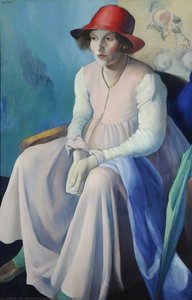
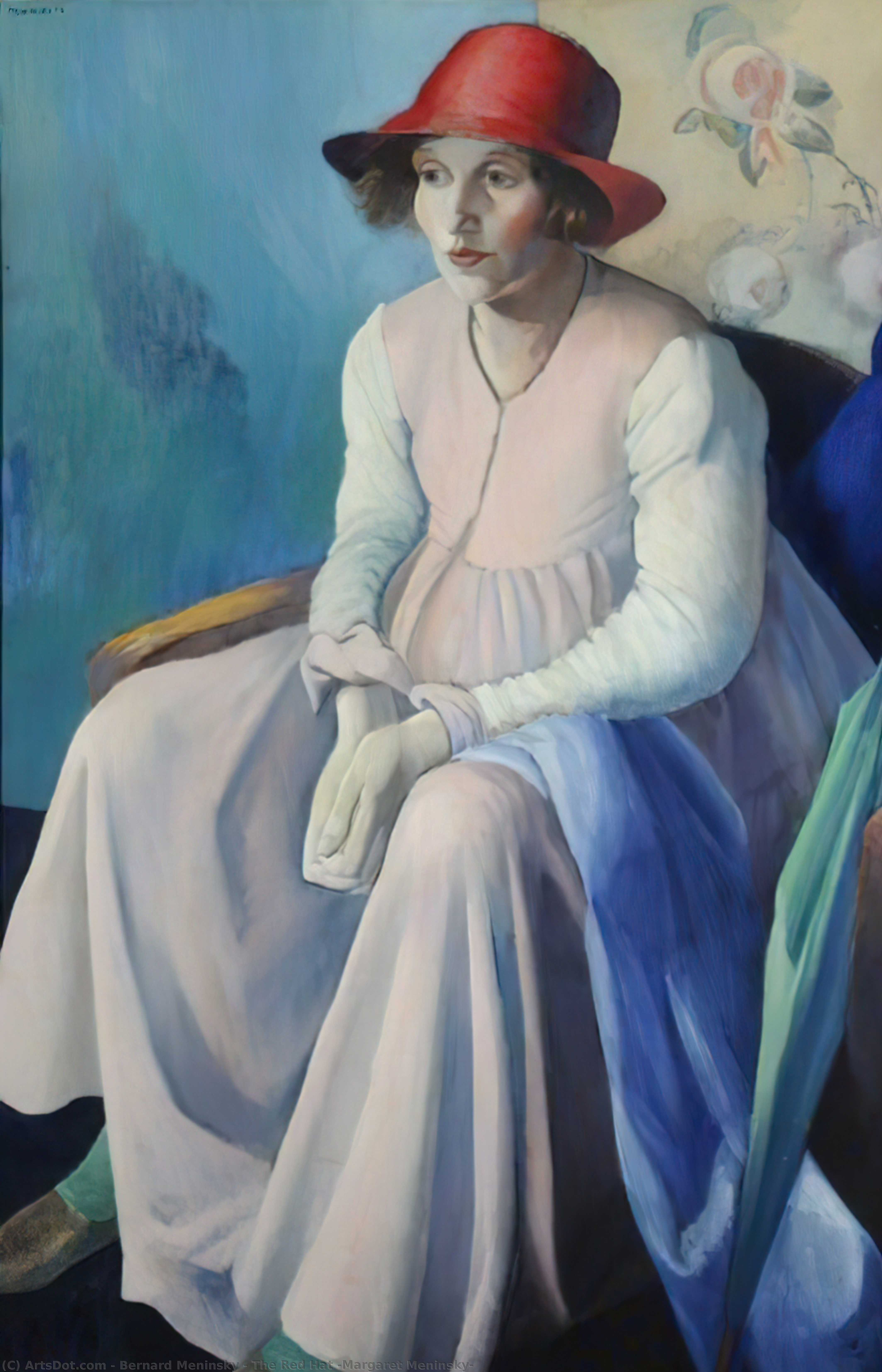
The Red Hat (Margaret Meninsky)
 Oil
Oil- WallArt
- Post-Impressionism
 1919
1919- Modern
 114.0 x 76.0 cm
 Ferens Art Gallery
 Read More
Hand Made Oil Reproduction
Hand-painted oil on canvas in your size and frame, made to order by our artists. ( Buy Print Buy Image)




P118B $10

P118H $10

P118W $10

P438Z $10

P508JH $12

P508YH $12

P805H $10

P805Z $10

P919BZ $10

P919G $10

P919XJ $10

P959ZH $10

P968JZ $12

W106C $8

W218G $10

W218JH $8

W218Y $10

W307PJ $10

W316G $10

W316PJ $8

W316Y $10

W398PJ $8

W4111J $10

W500HY $15

W500JH $15

W692G $12

W849H $8

W940BG $15

W953PJ $8




Pick from our preset sizes that match the artwork's original proportions.

You may enter your own dimensions to fit a specific frame or space. If your selected size does not match the original image's proportions, we will either crop the artwork or extend the painting with additional hand-painted elements. A digital mockup will be sent for your approval before production begins.
Please note that the on-screen preview does not reflect the actual cropping or extension. Only the mockup will accurately show the final composition.
While custom sizes are available, we recommend selecting a dimension from the predefined list to preserve the original proportions.
After order, ArtsDot.com team will email client for instructions and provide a mockup preview
Worldwide Delivery () in 3/4 weeks instead of standard 5 weeks. (17 August). No compromise on quality.

Free Worldwide Express Shipping

High-Quality Linen Canvas

Full Shipping Insurance

Customs Tax Refund Guarantee

True Color Matching Guarantee

60-Day Return Policy (Defects Only)

100% Money-Back Guarantee

Bulk Discount Offer
 Glass option is only available in size under 110 CM

The Red Hat (Margaret Meninsky)
Reproduction Medium
Reproduction Size
-


Total Price
$ 263
Artwork Description
A Moment Frozen in Crimson: The Soul of Meninsky’s Portraiture
In the quiet intimacy of The Red Hat, painted in 1919, we are invited into a world that feels both profoundly personal and timelessly poised. Bernard Meninsky, an artist whose life was shaped by the shifting shadows of early 20th-century Europe, captures here more than just a seated figure; he captures a breath held in time. The focal point is a woman, her presence commanding yet contemplative, draped in the striking brilliance of a red hat that serves as the painting's emotional and visual heartbeat. As she gazes downward at something cradled in her hands, there is an unmistakable sense of introspection, a private moment of reflection that pulls the viewer into her silent dialogue with herself.
The composition is masterfully layered, creating a sense of depth that extends far beyond the primary subject. While the woman occupies the heart of the frame, the background breathes with the subtle presence of others—a standing figure and a seated companion—suggesting a larger social tapestry from which this moment has been momentarily carved out. A delicate bird flutters near the upper periphery, adding a touch of ephemeral life, while a decorative vase on the left anchors the scene with a sense of domestic permanence. This interplay between the singular focus of the woman and the soft, receding details of her surroundings creates a rich, atmospheric environment that feels lived-in and authentic.
Technique and the Post-Impressionist Legacy
Executed during the transformative years following the Great War, this work reflects the nuanced influence of Post-Impressionism. Meninsky avoids the fractured geometry of Cubism, opting instead for a style that prioritizes form, light, and emotional resonance. The technique is characterized by a deliberate use of color and texture; the vibrant crimson of the hat is not merely a pigment but a structural element that directs the eye and sets the tonal temperature of the entire piece. Through careful brushwork, Meninsky achieves a tactile quality, where the weight of the fabric and the softness of the skin feel almost tangible to the observer.
For the discerning collector or interior designer, this painting offers a sophisticated balance of bold color and muted subtlety. The way the light interacts with the various elements of the composition—the sheen on the vase, the soft contours of the figures in the background—demonstrates a mastery of chiaroscuro that brings a sense of drama to any space. It is a piece that does not merely hang on a wall; it commands the room, providing a focal point that invites long periods of study and quiet admiration.
An Eternal Elegance for Modern Interiors
Beyond its historical significance, The Red Hat possesses an enduring aesthetic appeal that transcends the era of its creation. It embodies a sense of "quiet luxury"—a sophisticated elegance that complements both classical and contemporary interior design schemes. Whether placed in a sunlit gallery or a moody, library-style study, the painting’s rich palette and narrative depth provide a layer of intellectual and emotional sophistication.
Owning a high-quality hand-painted reproduction of this masterpiece allows one to bring the poignant beauty of Meninsky’s vision into the modern home. It serves as a bridge to the past, offering a window into the soulful, emotive art of 1919. For those seeking to curate a collection that speaks of history, human connection, and the timeless allure of color, this work stands as an incomparable choice, promising to inspire anyone who pauses to look upon its crimson crown.
Related Artworks
Artist Biography
Bernard Meninsky: A Life Painted in Shadows and Light
Born in Konotop, Ukraine – a place steeped in both Ukrainian and Yiddish heritage – Bernard Meninsky’s artistic journey began far from the bustling art centers of London. His early life, marked by a swift move to Liverpool with his family, laid the foundation for an artist deeply attuned to human emotion and the quiet dignity of everyday moments. Despite leaving formal education at eleven, a remarkable talent for drawing quickly surfaced, leading to scholarships that propelled him towards the prestigious Slade School of Fine Art in 1912. This pivotal period wasn’t merely about technical training; it was a transformative immersion into the burgeoning world of modern art, profoundly influenced by figures like Walter Sickert and Henry Tonks, while simultaneously challenging the established norms championed by Roger Fry.
The Slade's rejection of avant-garde movements – particularly Cubism – shaped Meninsky’s approach. He didn’t immediately embrace radical experimentation but instead developed a distinctive style characterized by evocative figures, poignant landscapes, and above all, his deeply moving ‘Mother and Child’ scenes. These works, imbued with a sense of melancholy and quiet strength, became the hallmark of his oeuvre. His time at the school fostered connections that would prove invaluable throughout his career, including a lifelong friendship with William Roberts and mentorship from Walter Sickert, who provided a crucial platform for his work.
The War Artist’s Eye
World War I irrevocably altered Meninsky's trajectory. Enlisting in the Royal Fusiliers in 1918, he transitioned into a war artist under the British War Memorials Committee, documenting the realities of conflict with unflinching honesty and sensitivity. His wartime paintings – particularly ‘The Arrival of a Leave Train, Victoria Station’ – offer a powerful glimpse into the lives of returning soldiers, capturing their weariness, longing, and quiet resilience. These works weren't simply depictions of battle; they were intimate portraits of human experience amidst devastation. Meninsky’s commitment to this role extended beyond mere observation; he sought to convey the emotional weight of the war, reflecting a profound empathy for those affected by it.
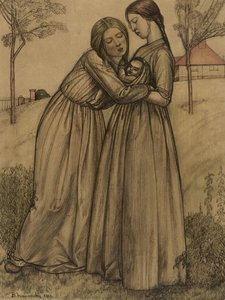
Following the war, Meninsky continued his teaching career at the Central School of Arts and Crafts, nurturing a new generation of artists. His dedication to instruction was matched by an unwavering belief in the power of art to illuminate the human condition. His work during this period reflected a shift towards greater introspection, with a focus on domestic scenes and familial relationships – particularly his celebrated ‘Mother and Child’ series. These paintings, rendered in muted tones and imbued with a sense of quiet intimacy, became increasingly central to his artistic identity.
Style and Influences
Meninsky's style is often described as Post-Impressionist, yet he developed a unique voice that transcended simple categorization. He absorbed the bold colors and expressive brushwork of artists like Cézanne and Van Gogh, but tempered them with a distinctly British sensibility. His landscapes are characterized by atmospheric perspective and a subtle use of color, while his figures possess a remarkable sense of realism combined with emotional depth. The influence of Walter Sickert is particularly evident in Meninsky’s use of light and shadow, as well as his ability to capture the mood and atmosphere of a scene.
The impact of his wartime experiences undoubtedly shaped his artistic vision. The trauma of war instilled in him a deep appreciation for the fragility of life and the importance of human connection. This sensitivity is powerfully conveyed in his ‘Mother and Child’ paintings, which are not merely sentimental depictions but rather profound meditations on motherhood, loss, and hope. His work stands as a testament to the enduring power of art to bear witness to history and explore the complexities of the human spirit.
Legacy and Continuing Relevance
Bernard Meninsky's legacy extends beyond his individual paintings. He was a significant figure in the London Group and contributed to the development of British modernism. His work continues to resonate with viewers today, offering a poignant reminder of the enduring power of art to capture the human experience. The Imperial War Museum holds a substantial collection of his wartime works, ensuring that his powerful depictions of conflict will continue to be studied and appreciated for generations to come. His dedication to teaching also left an indelible mark on the artistic landscape of Britain, shaping the careers of countless aspiring artists.
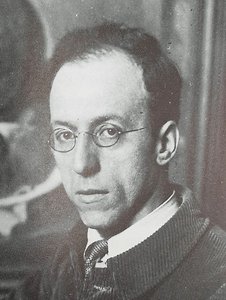
bernard meninsky
1891 - 1950
Quick Facts
- Artistic Movement Or Style: Post-Impressionism
- Artists Or Movements Influenced By This Artist:
- Bomberg
- Roberts
- Artists Who Influenced This Artist:
- Cézanne
- Sickert
- Date Of Birth: 1891
- Date Of Death: 1950
- Full Name: Bernard Meninsky
- Nationality: British
- Notable Artworks:
- The Red Hat
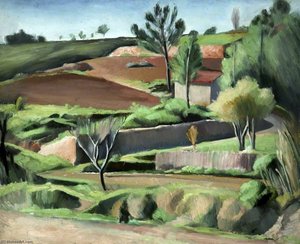
- Study of Trees
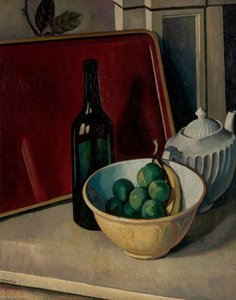
- Still Life with Apples
- Place Of Birth: Konotop, Ukraine
Related Articles
Post-Impressionism's 10 Defining Masterpieces: Art for Your Home |
Journey through Post-Impressionism's 10 defining masterpieces – Van Gogh, Monet & more. Explore iconic paintings, art history & find museum-quality reproductions for your home at . Discover all masterpieces online!
Beyond Light & Color: Impressionism vs. Post-Impressionism for the Discerning Collector
Explore the nuances of Impressionism & Post-Impressionism with . Expert insights for collectors on style, investment, and acquiring museum-quality reproductions.
Beyond Impressionism: Exploring the Emotional Depth of Post-Impressionist Painting
Explore the profound emotional depth & innovative techniques of Post-Impressionism with ArtsDot. Discover Cézanne, Van Gogh, Gauguin & more – and their lasting impact on modern art.
Émile Bernard: Pioneering Synthetism & the Post-Impressionist Quest for Essence
Explore the life & work of Émile Bernard, a pivotal Post-Impressionist pioneer of Synthetism. Discover his influence on Van Gogh & Gauguin and learn about collecting his art with ArtsDot.

Crimson Threads of Narrative: Exploring Symbolism & Representation in Artworks Featuring the Red Dress
Explore the rich symbolism of the red dress in art history! From ancient power displays to iconic portraits like Cézanne’s 'Madame Cezanne', discover the cultural and artistic significance behind this captivating color. Expert analysis & insights.