 Preview
 Send
Send Share
Share
 Details

 Download
 Similars
 X-Ray
X-Ray Diaporama
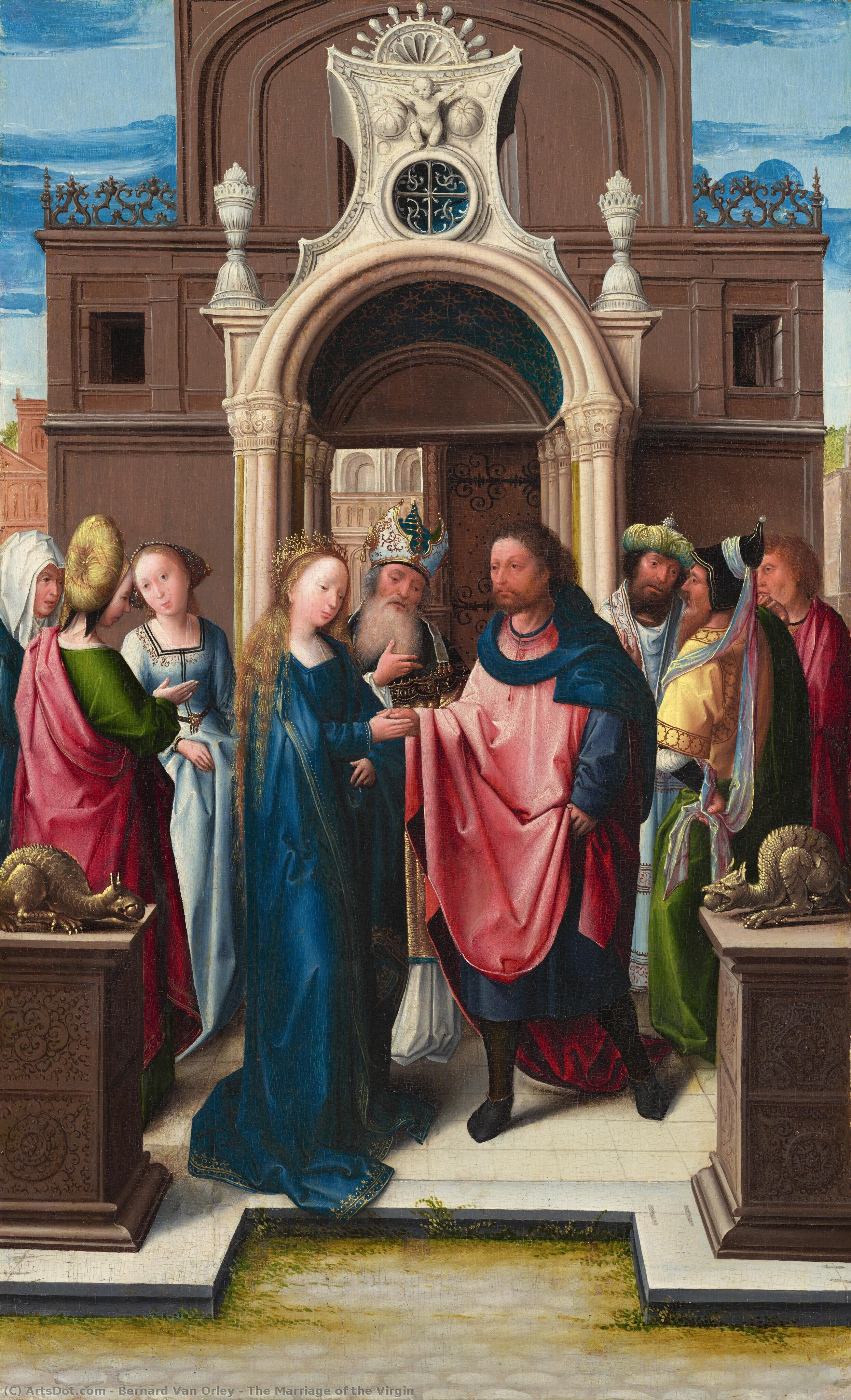
The Marriage of the Virgin
 1513
1513 63.0 x 42.0 cm
 Read More
Purchase a high-resolution, enhanced digital image, far superior to the online preview.
Each file is meticulously prepared by our in-house specialists using advanced tools and expert manual retouching. We ensure every image has exceptional clarity, precise color accuracy, and fine detail.
The final file is delivered via email within 72 hours, optimized for immediate use in professional, editorial, and print environments. This is the same quality trusted by top-tier design studios, publishers, and galleries.
Digital Image
Download a high-resolution file for personal display, printing, and creative projects. ( Buy Print Buy Hand Made Painting)
Included in Every Digital Image Order
Expert Digital Delivery, Guaranteed
When you choose ArtsDot.com, you're not just getting an image - you're receiving a professionally enhanced digital artwork, crafted with precision and backed by a satisfaction guarantee. Here's everything that comes with your order, automatically:

Fast Email Delivery
Your high-resolution digital image file will be emailed to you within 72 hours of ordering - ready for immediate use.

AI-Enhanced Digital File
Your artwork is professionally optimized using advanced AI tools and manual editing, ensuring maximum detail, clarity, and color accuracy.

Free Lifetime Re-Delivery
Accidentally deleted or lost your file? No worries - we'll resend it to you anytime, free of charge.

No Import Fees - Ever
Enjoy your artwork instantly with zero customs, duties, or delivery fees - digital downloads are always tax-free.

Color Accuracy Guarantee
We ensure your digital image reflects the original colors as closely as possible using professional tools and color management.

60-Day Satisfaction Guarantee
If you're not satisfied with your digital image, we'll revise it or refund 100% within 60 days - no questions asked.

100% Money-Back Guarantee
Not satisfied? Get a full refund within 60 days of receiving your digital file - no questions asked.

Bulk Order Discounts
Buy 3 images, save 10% - Buy 5, save 15% - Buy 10+, save 20%. Great for creative projects, galleries, and agencies.
Related Artworks
Artist Biography
The Refined Elegance of Bernard van Orley
Bernard van Orley, a pivotal figure in the transition from Early Netherlandish to High Renaissance painting, stands as a testament to the evolving artistic landscape of 16th-century Europe. Born around 1488 in Brussels – though precise dates remain elusive – he emerged from a family deeply entrenched in the city’s thriving artistic community. His father, Joos van Orley, and uncle, Jan van Orley, were established painters, providing Bernard with an initial grounding in the traditions of meticulous detail and religious iconography characteristic of Flemish art. However, unlike many of his contemporaries who remained steadfastly rooted in these conventions, Van Orley embarked on a journey that would see him embrace the burgeoning Italian Renaissance style, ultimately becoming one of the most sought-after artists of his time.Early Training and Roman Influences
Van Orley’s early work reflects the strong influence of his familial training, displaying a mastery of oil painting techniques and a penchant for detailed depictions of biblical scenes and portraits. He quickly gained recognition within Brussels' Guild of Saint Luke in 1507, signaling his professional establishment. A turning point in Van Orley’s artistic development came with two documented journeys to Rome – the first around 1510-1512 and a second between 1519 and 1524. These sojourns were transformative. Immersed in the world of Raphael, Michelangelo, and other Italian masters, Van Orley absorbed their principles of classical composition, anatomical accuracy, and graceful figural forms. He returned to Brussels imbued with a new artistic vocabulary, ready to fuse it with his existing Flemish sensibilities. This synthesis is perhaps his most defining characteristic – a unique blend of Northern precision and Italian grandeur.A Courtly Career: Tapestries and Portraits
Upon his return from Rome, Van Orley’s career flourished, largely due to his association with the Habsburg court. He became *the* principal painter for Margaret of Austria, Regent of the Netherlands, undertaking numerous commissions that showcased his evolving style. A significant portion of his output consisted of designs for tapestries – a highly prestigious and lucrative art form at the time. His tapestry series, such as those depicting the Acts of the Apostles, were renowned for their narrative clarity, vibrant colors, and sophisticated compositions. Beyond tapestries, Van Orley excelled in portraiture. He captured the likenesses of prominent nobles, courtiers, and members of the burgeoning merchant class with a refined elegance that set him apart. His portraits are not merely representations of physical appearance; they offer insightful glimpses into the personalities and social standing of his sitters. The *Portrait of Margaret of Austria* exemplifies this skill, conveying both her regal authority and inner composure.Blending Traditions: Van Orley’s Artistic Synthesis
Van Orley's genius lay in his ability to seamlessly integrate Italian Renaissance ideals with the established traditions of Netherlandish painting. While adopting classical principles of composition and anatomy, he retained the Northern emphasis on meticulous detail, realistic textures, and symbolic richness. His figures possess a sculptural quality reminiscent of Italian art, yet they are often set within richly detailed interiors or landscapes that evoke the Flemish tradition. This fusion is evident in his altarpieces, where classical architectural elements frame scenes imbued with Northern realism and emotional depth. He also demonstrated a remarkable skill in depicting drapery, creating flowing fabrics that add to the sense of movement and grace within his compositions. His use of color, though influenced by Italian palettes, remained distinctly Flemish – characterized by rich jewel tones and subtle gradations. This delicate balance between tradition and innovation cemented Van Orley’s position as a leading artist of his generation.Legacy and Historical Significance
Bernard van Orley died in Brussels in 1541, leaving behind a substantial body of work that profoundly influenced the development of Northern Renaissance art. His workshop was highly productive, disseminating his style throughout the Netherlands and beyond. He trained numerous artists who carried on his legacy, further solidifying his impact on the artistic landscape.- His influence can be seen in the works of Pieter Coecke van Aelst, a prominent painter and designer.
- Van Orley’s tapestry designs were widely copied and adapted, shaping the aesthetic of courtly interiors across Europe.
- He played a crucial role in introducing Italian Renaissance principles to the Netherlands, paving the way for subsequent generations of artists.