 Preview
 Send
Send Share
Share
 Details

 Download
 Similars
 X-Ray
X-Ray Diaporama
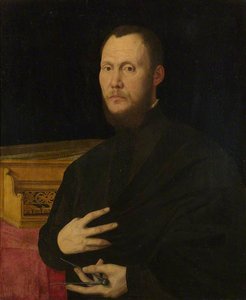
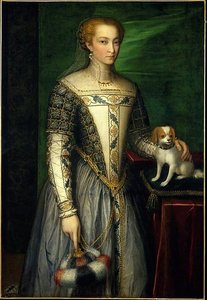
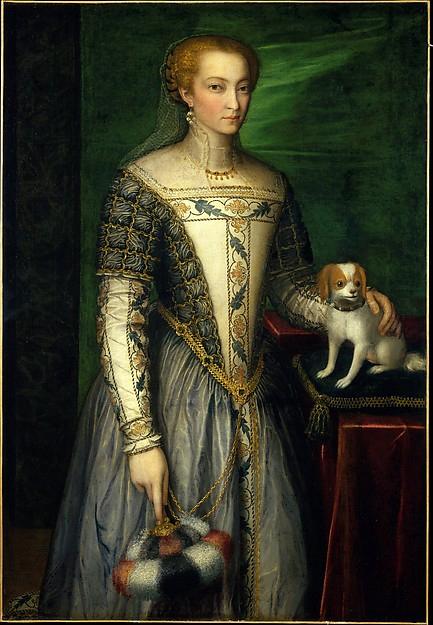
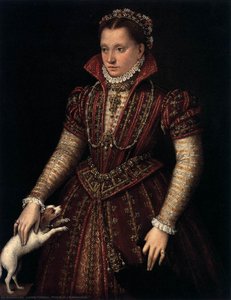
Portrait of a Woman
 1560
1560 141.0 x 97.0 cm
 Read More
Hand Made Oil Reproduction
Hand-painted oil on canvas in your size and frame, made to order by our artists. ( Buy Print Buy Image)




































Pick from our preset sizes that match the artwork's original proportions.

You may enter your own dimensions to fit a specific frame or space. If your selected size does not match the original image's proportions, we will either crop the artwork or extend the painting with additional hand-painted elements. A digital mockup will be sent for your approval before production begins.
Please note that the on-screen preview does not reflect the actual cropping or extension. Only the mockup will accurately show the final composition.
While custom sizes are available, we recommend selecting a dimension from the predefined list to preserve the original proportions.
After order, ArtsDot.com team will email client for instructions and provide a mockup preview
Worldwide Delivery () in 3/4 weeks instead of standard 5 weeks. (24 August). No compromise on quality.

Free Worldwide Express Shipping

High-Quality Linen Canvas

Full Shipping Insurance

Customs Tax Refund Guarantee

True Color Matching Guarantee

60-Day Return Policy (Defects Only)

100% Money-Back Guarantee

Bulk Discount Offer
 Glass option is only available in size under 110 CM

Portrait of a Woman
Reproduction Medium
Reproduction Size
-


Total Price
$ 263
Related Artworks






Artist Biography
The Master of Cremona: The Life and Legacy of Bernardino Campi
In the vibrant, sun-drenched landscape of the Italian High Renaissance, few names resonate with the quiet authority of Bernardino Campi. A pivotal figure in the artistic evolution of Cremona, Campi was not merely a painter but a cornerstone of the Lombard tradition. Born in 1522 into an illustrious family of artists, his very existence was woven into the fabric of Cremonese art production. Growing up amidst the studios of his relatives, particularly Giulio and Antonio Campi, Bernardino was immersed from infancy in an environment where the brushstroke was a language of prestige and devotion. This familial foundation provided him with more than just technical training; it granted him access to a lineage of aesthetic excellence that would define his mature style.
The formative years of Campi’s life were shaped by a profound absorption of the masters who preceded him. While precise biographical records of his early apprenticeship remain elusive, the stylistic echoes of Giulio Romano and Correggio are unmistakable within his work. From these titans, he inherited a sophisticated understanding of form and a penchant for emotional resonance. His development was marked by a transition from the rigorous structures of the earlier Renaissance toward a more fluid, expressive approach that embraced the subtle tonal gradations and luminous light characteristic of the Lombard school. This evolution allowed him to bridge the gap between the monumental grandeur of the past and the psychological intimacy of the emerging Mannerist sensibilities.
A Legacy of Portraits and Grandeur
Campi’s professional zenith was reached through his ability to navigate both the intimate scale of portraiture and the sweeping demands of large-scale fresco decoration. His career flourished under the prestigious patronage of Vespasiano Gonzaga, the Duke of Sabbioneta. It was within the walls of the Palazzo del Giardino that Campi truly demonstrated his versatility, executing ambitious frescoes that transformed architectural spaces into narrative wonders. These works were not merely decorative; they were triumphs of composition that utilized light and shadow to breathe life into historical and allegorical scenes, cementing his reputation as a master of monumental storytelling.
Beyond the grand scale of frescoes, Campi’s true genius often resided in his ability to capture the human soul through portraiture. His portraits are celebrated for their psychological realism, moving beyond mere physical likeness to convey a sense of dignified composure and inner life. This mastery is perhaps most poignantly reflected in his connection to other great artists of his era. He is widely recognized as a teacher to the extraordinary Sofonisba Anguissola, one of the few women to achieve international renown in the Renaissance. Through his guidance, he helped nurture a talent that would go on to redefine the possibilities for female artists in a male-dominated world.
The breadth of his artistic achievements can be summarized through several defining pillars of his career:
- Technical Mastery: A sophisticated use of color and light, heavily influenced by the Venetian masters and the soft shadows of Correggio.
- Educational Impact: His role as a mentor to luminaries such as Sofonisba Anguissola and Giovanni Battista Trotti (il Malosso).
- Versatility in Medium: The seamless transition between the delicate precision of oil portraits and the architectural complexity of fresco painting.
- Cultural Ambition: His daring undertaking of reproducing Titian’s Eleven Caesars, a project that demonstrated his profound respect for and engagement with the highest levels of Renaissance art.
Historical Significance and Enduring Influence
As the sixteenth century progressed, Bernardino Campi’s influence rippled through the Lombard region, shaping the next generation of painters who would carry the torch of Cremonese excellence into the Baroque era. His workshop became a crucible of talent, where the techniques of the High Renaissance were refined and passed down to successors like Il Malosso. Even as styles shifted toward more dramatic and theatrical expressions, the clarity of form and the emotional depth pioneered by Campi remained a foundational element of the local tradition.
Today, we look back at Bernardino Campi not just as a regional master, but as a vital link in the chain of Italian art history. He represents that rare moment in time when familial tradition, noble patronage, and individual genius converged to create an era of unparalleled beauty. His ability to capture the breathing likeness of his subjects and the grandeur of his surroundings ensures that his name remains etched in the annals of the Renaissance, a testament to a life dedicated to the pursuit of aesthetic perfection.
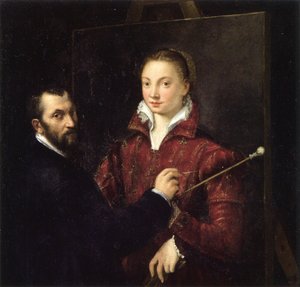
Bernardino Campi
1522 - 1591
Quick Facts
- Artistic Movement Or Style: Renaissance
- Artists Or Movements Influenced By This Artist: ['Sofonisba Anguissola']
- Artists Who Influenced This Artist:
- Camillo Boccaccino
- Correggio
- Giulio Romano
- Date Of Birth: 1522
- Date Of Death: August 18, 1591
- Full Name: Bernardino Campi
- Nationality: Italian
- Notable Artworks:
- Madonna with Saints Paul, Barbara and John the Baptist
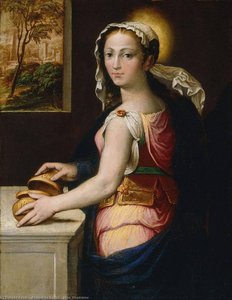
- Mary Magdalene
- Place Of Birth: Cremona, Italy