

 Preview
 Send
Send Share
Share
 Details

 Download
 Similars
 X-Ray
X-Ray Diaporama
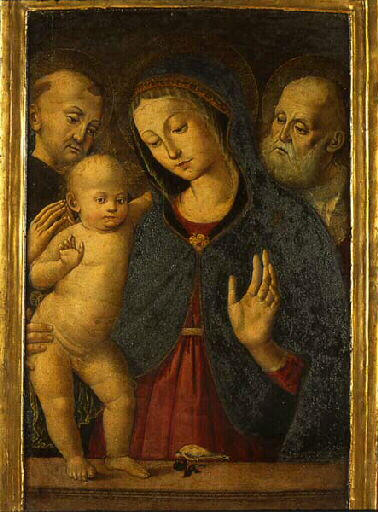
Vierge à l'Enfant avec deux saints
 Read More
Purchase a high-resolution, enhanced digital image, far superior to the online preview.
Each file is meticulously prepared by our in-house specialists using advanced tools and expert manual retouching. We ensure every image has exceptional clarity, precise color accuracy, and fine detail.
The final file is delivered via email within 72 hours, optimized for immediate use in professional, editorial, and print environments. This is the same quality trusted by top-tier design studios, publishers, and galleries.
Digital Image
Download a high-resolution file for personal display, printing, and creative projects. ( Buy Print Buy Hand Made Painting)
Included in Every Digital Image Order
Expert Digital Delivery, Guaranteed
When you choose ArtsDot.com, you're not just getting an image - you're receiving a professionally enhanced digital artwork, crafted with precision and backed by a satisfaction guarantee. Here's everything that comes with your order, automatically:

Fast Email Delivery
Your high-resolution digital image file will be emailed to you within 72 hours of ordering - ready for immediate use.

AI-Enhanced Digital File
Your artwork is professionally optimized using advanced AI tools and manual editing, ensuring maximum detail, clarity, and color accuracy.

Free Lifetime Re-Delivery
Accidentally deleted or lost your file? No worries - we'll resend it to you anytime, free of charge.

No Import Fees - Ever
Enjoy your artwork instantly with zero customs, duties, or delivery fees - digital downloads are always tax-free.

Color Accuracy Guarantee
We ensure your digital image reflects the original colors as closely as possible using professional tools and color management.

60-Day Satisfaction Guarantee
If you're not satisfied with your digital image, we'll revise it or refund 100% within 60 days - no questions asked.

100% Money-Back Guarantee
Not satisfied? Get a full refund within 60 days of receiving your digital file - no questions asked.

Bulk Order Discounts
Buy 3 images, save 10% - Buy 5, save 15% - Buy 10+, save 20%. Great for creative projects, galleries, and agencies.
Related Artworks

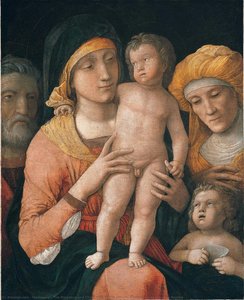
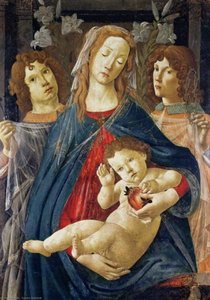


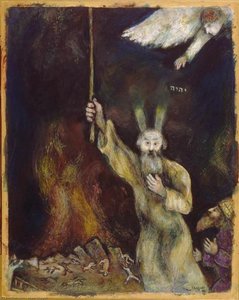
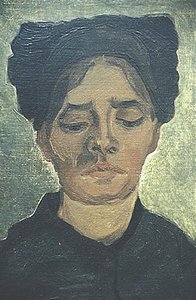
Artist Biography
Gerard David: A Master of Early Netherlandish Portraiture
Gerard David, born around 1460 in Oudewater, Netherlands, and tragically dying in Bruges circa 1523, stands as a pivotal figure in the burgeoning world of early Netherlandish painting. While often overshadowed by contemporaries like Jan van Eyck and Rogier van der Weyden, David’s unique approach to portraiture, his masterful use of color, and his profound understanding of human psychology cemented his place as one of the most significant artists of his era. His career unfolded primarily in Bruges, a vibrant commercial center and a crucial hub for artistic exchange during the late 15th and early 16th centuries, shaping his style and influencing the course of painting within the region.Early Life and Artistic Training
Information regarding David’s formative years remains somewhat elusive, shrouded in the typical gaps of historical records for artists of this period. However, it is generally accepted that he spent his early adulthood in Oudewater, receiving his initial artistic training from his uncle, Hans van der Meer, a renowned illuminator and painter. This early exposure to manuscript illumination undoubtedly instilled in him a meticulous attention to detail and an appreciation for the intricate beauty of miniature painting – skills which would later inform his approach to portraiture. Around 1484, David established himself in Bruges, quickly gaining recognition within the city’s thriving painters' guild. He was soon elevated to the position of *Meester* (master), a testament to his burgeoning talent and reputation. This period marked the beginning of a prolific career characterized by commissions from wealthy patrons – merchants, nobles, and religious institutions – who sought to adorn their homes and churches with stunning works of art.Style and Technique: Color, Form, and Psychological Depth
David’s artistic style is immediately recognizable for its refined elegance, meticulous detail, and a remarkable command of color. He built upon the foundations laid by his predecessors – van Eyck and van der Weyden – but developed a distinctly personal approach that prioritized psychological realism and atmospheric depth. Unlike the often starkly illuminated scenes favored by some of his contemporaries, David employed subtle gradations of light and shadow to create a sense of volume and three-dimensionality within his compositions. His use of color was particularly noteworthy; he eschewed the overly bright hues sometimes associated with early Netherlandish painting, opting instead for a more muted palette of earthy tones, rich reds, and deep blues – colors that conveyed both dignity and solemnity. Crucially, David’s portraits weren't merely representations of likeness; they aimed to capture the inner character and personality of his subjects. He skillfully employed gesture, expression, and subtle details in their clothing and surroundings to reveal their individualities.Notable Works and Commissions
David’s oeuvre is remarkably diverse, encompassing a wide range of subject matter including religious scenes, portraits, and altarpieces. Among his most celebrated works are the *Polyptych of the Misericordia*, a complex devotional panel showcasing intricate details and profound emotional depth; the *Judgment of Cambyses*, a harrowing depiction of divine retribution that demonstrates David’s ability to convey both horror and moral judgment; and the *Deposition of Christ*, a poignant portrayal of grief and sorrow. His portrait of the Duchess of Urbino, now in the National Gallery, London, is considered a landmark achievement in early Netherlandish portraiture, lauded for its psychological insight and exquisite rendering of fabric textures. David also served as an illustrator for illuminated manuscripts, further honing his skills in detail and perspective.Legacy and Historical Significance
Despite his considerable talent and the popularity of his work, Gerard David’s legacy was somewhat obscured for centuries after his death. It wasn't until the late 19th century that scholars began to fully appreciate his artistic contributions. Today, he is recognized as one of the most important figures in early Netherlandish painting, a master whose innovative approach to portraiture and his profound understanding of human psychology continue to resonate with viewers. His influence can be seen in the work of subsequent generations of artists, including Peter Paul Rubens, who admired David’s mastery of color and composition. Gerard David's paintings offer a window into the cultural and artistic landscape of 15th-century Europe, revealing the complex interplay between religious faith, humanism, and burgeoning mercantile prosperity. His art remains a testament to the enduring power of beauty, skill, and psychological insight.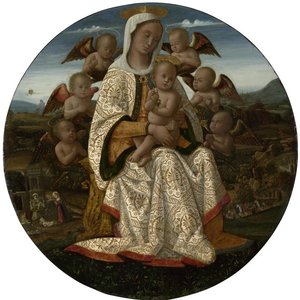
bernardino fungai
1460 - 1516 , Italy
Quick Facts
- Artistic Movement Or Style: Early Renaissance
- Artists Or Movements Influenced By This Artist: ['Correggio']
- Artists Who Influenced This Artist:
- Leonardo da Vinci
- Antonello da Messina
- Date Of Birth: c. 1460
- Date Of Death: c. 1524
- Full Name: Andrea Solari
- Nationality: Italian
- Notable Artworks:
- Madonna with Green Cushion
- Ecce Homo (Poldi-Pezzoli)
- Place Of Birth: Milan, Lombardy

