 Preview
 Send
Send Share
Share
 Details

 Download
 Similars
 X-Ray
X-Ray Diaporama
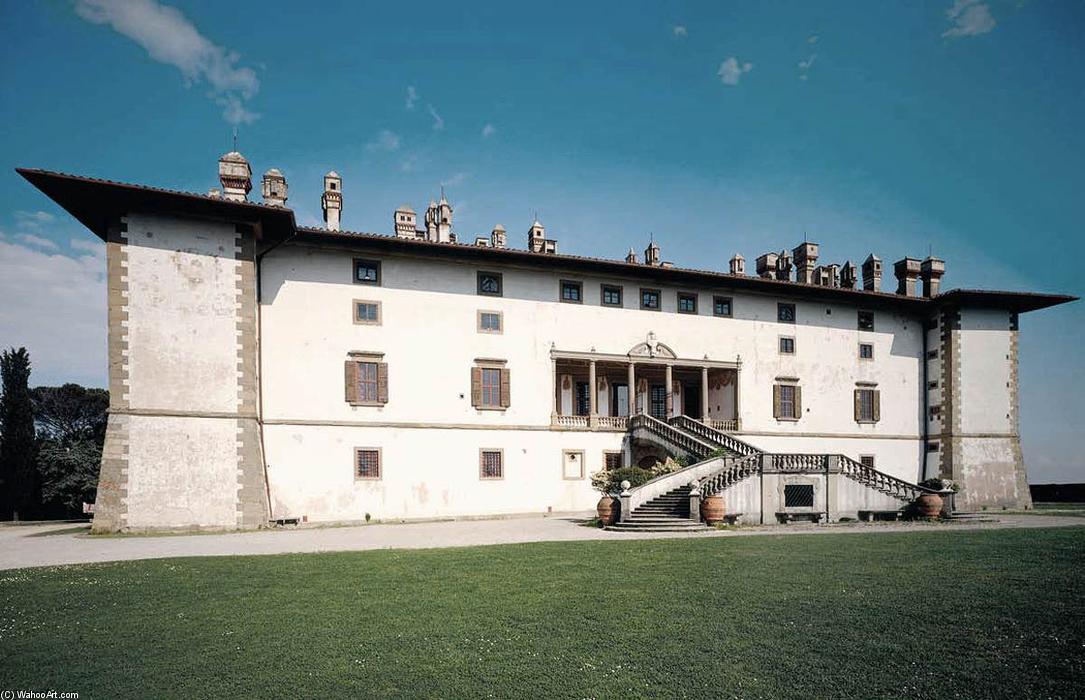
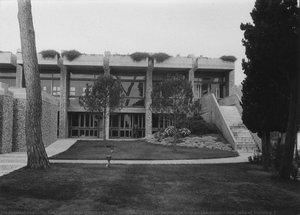
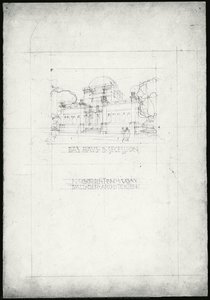
Villa Medicea


 Read More
Hand Made Oil Reproduction
Hand-painted oil on canvas in your size and frame, made to order by our artists. ( Buy Print Buy Image)




































Pick from our preset sizes that match the artwork's original proportions.

You may enter your own dimensions to fit a specific frame or space. If your selected size does not match the original image's proportions, we will either crop the artwork or extend the painting with additional hand-painted elements. A digital mockup will be sent for your approval before production begins.
Please note that the on-screen preview does not reflect the actual cropping or extension. Only the mockup will accurately show the final composition.
While custom sizes are available, we recommend selecting a dimension from the predefined list to preserve the original proportions.
After order, ArtsDot.com team will email client for instructions and provide a mockup preview
Worldwide Delivery () in 3/4 weeks instead of standard 5 weeks. (23 August). No compromise on quality.

Free Worldwide Express Shipping

High-Quality Linen Canvas

Full Shipping Insurance

Customs Tax Refund Guarantee

True Color Matching Guarantee

60-Day Return Policy (Defects Only)

100% Money-Back Guarantee

Bulk Discount Offer
 Glass option is only available in size under 110 CM

Villa Medicea
Reproduction Medium
Reproduction Size
-


Total Price
$ 263
Related Artworks


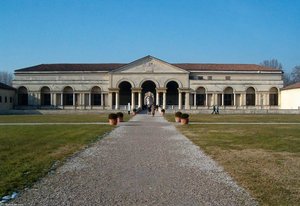
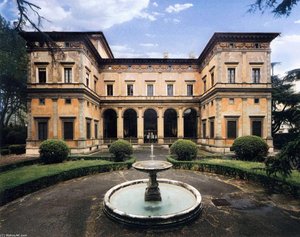
Artist Biography
Hans Burgkmair: A Bridge Between Tradition and Innovation in the Early German Renaissance
Born in Augsburg, Germany, in 1473, Hans Burgkmair the Elder stands as a pivotal figure bridging the late Gothic traditions of his predecessors with the burgeoning innovations of the early German Renaissance. His life, though tragically cut short at the age of 57 in 1531, was marked by prolific artistic output and a crucial role in shaping the visual landscape of his era. Burgkmair’s legacy rests not solely on individual masterpieces but rather on his pioneering work in printmaking – specifically woodcuts – and his influence on subsequent generations of artists.
Burgkmair's artistic journey began under the tutelage of the renowned Martin Schongauer in Colmar, France. This formative period instilled within him a deep appreciation for Schongauer’s meticulous detail, refined draftsmanship, and subtle use of light and shadow – qualities that would become hallmarks of Burgkmair’s own style. However, unlike his master who remained primarily focused on painting, Burgkmair quickly gravitated towards the burgeoning world of printmaking. He recognized the potential of woodcuts to disseminate images widely and rapidly, a revolutionary concept at the time.
His early works demonstrate a clear debt to Schongauer, characterized by a somewhat stiff formality and a reliance on established Gothic conventions. Yet, as he matured, Burgkmair began to absorb influences from other contemporary artists, including Giovanni Bellini and Lucas Cranach the Elder. This assimilation is particularly evident in his later prints, which exhibit a greater sense of dynamism, color, and expressive quality. Notably, Burgkmair was one of the first printmakers to master the technique of *chiaroscuro* – the dramatic use of light and dark – within woodcuts, achieving a level of tonal subtlety previously unseen in this medium. This innovation, demonstrated in works like his iconic “Lovers Surprised by Death,” marked a significant departure from traditional monochrome woodcuts and opened up new possibilities for artistic expression.
Burgkmair’s career was inextricably linked to the patronage of Maximilian I, Holy Roman Emperor. From 1508 until the Emperor's death in 1519, he served as a principal illustrator for the lavish *Triumphs of Maximilian* cycle – a monumental series of woodcuts depicting the Emperor’s triumphs and virtues. This commission provided Burgkmair with unparalleled opportunities to showcase his technical skills and artistic vision, solidifying his reputation as one of the leading printmakers of his time. He also produced numerous illustrations for other important books, including *Weisskunig* and *Hall*, further expanding his influence within the intellectual and artistic circles of Europe.
The Influence of Italian Renaissance Art
Burgkmair’s exposure to Italian Renaissance art during his travels profoundly shaped his style. While he never visited Italy himself, he was deeply influenced by the works of artists like Correggio and Raphael, whose compositions, color palettes, and dynamic figures found their way into his woodcuts. The influence is particularly noticeable in his depictions of mythological subjects, where he skillfully blended Italian Renaissance forms with traditional German motifs.
His adoption of *chiaroscuro*, a technique perfected by artists like Leonardo da Vinci and Michelangelo, was a direct result of this exposure. Burgkmair’s ability to create dramatic contrasts between light and shadow added depth and realism to his prints, transforming them from simple illustrations into sophisticated works of art.
Furthermore, the Italian emphasis on perspective and spatial relationships is evident in Burgkmair's compositions, which are often characterized by a sense of depth and atmosphere. This shift away from the flattened perspectives of Gothic art marked a crucial step towards the more naturalistic style that would define the High Renaissance.
Burgkmair’s Legacy: A Master of Printmaking
Hans Burgkmair's contribution to the history of printmaking is undeniable. He was not merely a skilled craftsman; he was an innovator who pushed the boundaries of the medium and established new standards for artistic expression. His pioneering work in *chiaroscuro* woodcuts, combined with his mastery of composition and draftsmanship, set a precedent that influenced generations of printmakers to come.
His association with Maximilian I further cemented his place in history as one of the most important artists of the early German Renaissance. The *Triumphs of Maximilian* cycle remains a testament to his artistic skill and his ability to capture the grandeur and power of the Holy Roman Emperor.
Despite his untimely death in 1531, Burgkmair’s legacy continues to resonate today. His works are treasured for their beauty, technical brilliance, and historical significance, serving as a vital link between the medieval world and the dawn of the Renaissance.
Related Works & Artistic Context
Burgkmair's artistic output spanned a wide range of subjects, including religious scenes, mythological narratives, portraits, and allegorical compositions. His prints are often characterized by their dynamic energy, vibrant colors, and intricate details. He frequently collaborated with the master woodcutter Jost de Negker, who played a crucial role in disseminating Burgkmair’s work through book illustrations.
His works are found within the collections of major museums worldwide, including the Metropolitan Museum of Art in New York and the British Museum in London. Studying his prints alongside those of his contemporaries – such as Lucas Cranach the Elder and Baldung Grien – provides valuable insights into the artistic trends and intellectual currents of early 16th-century Europe.
The influence of Burgkmair can also be seen in the work of later German printmakers, including Albrecht Dürer, who built upon Burgkmair’s innovations to create some of the most iconic images of the Renaissance.
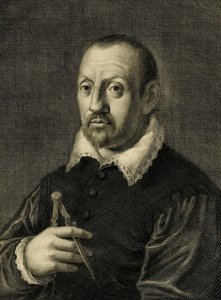
bernardo buontalenti (bernardo delle girandole)
1531 - 1608 , Italy
Quick Facts
- Artistic Movement Or Style: Early Renaissance
- Artists Or Movements Influenced By This Artist: ['Italian Renaissance']
- Artists Who Influenced This Artist: ['Martin Schongauer']
- Date Of Birth: 1473
- Date Of Death: 1531
- Full Name: Hans Burgkmair
- Nationality: German
- Notable Artworks:
- Pride of the Beggar
- Leda and the Swan
- Three Graces
- Place Of Birth: Augsburg, Germany