

 Preview
 Send
Send Share
Share
 Details

 Download
 Similars
 X-Ray
X-Ray Diaporama
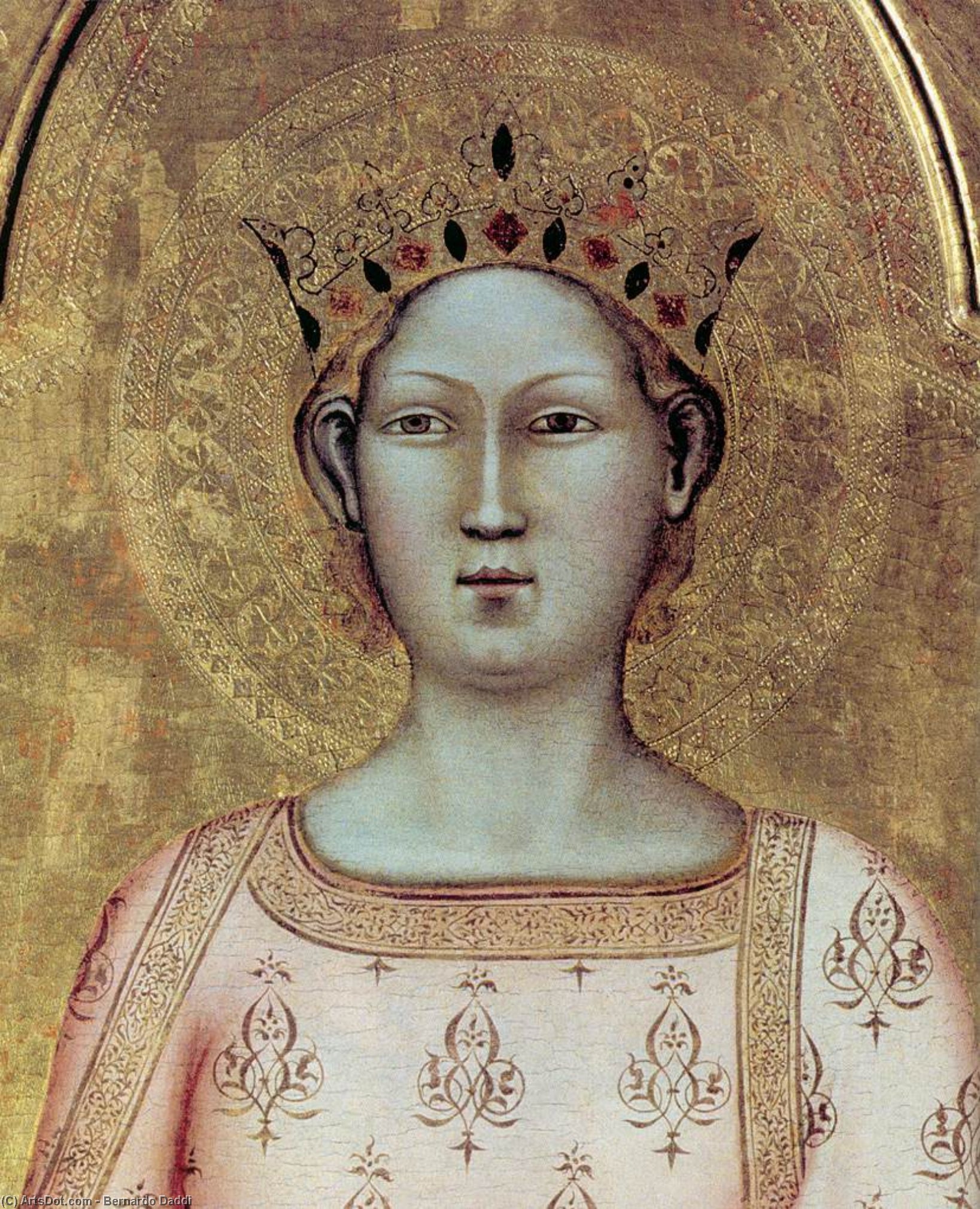
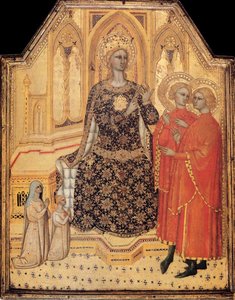
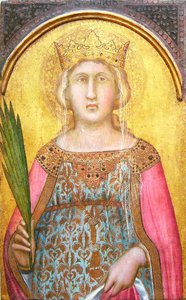
St Catherine of Alexandria with Donor and Christ Blessing (detail)


 Read More
Purchase a high-resolution, enhanced digital image, far superior to the online preview.
Each file is meticulously prepared by our in-house specialists using advanced tools and expert manual retouching. We ensure every image has exceptional clarity, precise color accuracy, and fine detail.
The final file is delivered via email within 72 hours, optimized for immediate use in professional, editorial, and print environments. This is the same quality trusted by top-tier design studios, publishers, and galleries.
Digital Image
Download a high-resolution file for personal display, printing, and creative projects. ( Buy Print Buy Hand Made Painting)
Included in Every Digital Image Order
Expert Digital Delivery, Guaranteed
When you choose ArtsDot.com, you're not just getting an image - you're receiving a professionally enhanced digital artwork, crafted with precision and backed by a satisfaction guarantee. Here's everything that comes with your order, automatically:

Fast Email Delivery
Your high-resolution digital image file will be emailed to you within 72 hours of ordering - ready for immediate use.

AI-Enhanced Digital File
Your artwork is professionally optimized using advanced AI tools and manual editing, ensuring maximum detail, clarity, and color accuracy.

Free Lifetime Re-Delivery
Accidentally deleted or lost your file? No worries - we'll resend it to you anytime, free of charge.

No Import Fees - Ever
Enjoy your artwork instantly with zero customs, duties, or delivery fees - digital downloads are always tax-free.

Color Accuracy Guarantee
We ensure your digital image reflects the original colors as closely as possible using professional tools and color management.

60-Day Satisfaction Guarantee
If you're not satisfied with your digital image, we'll revise it or refund 100% within 60 days - no questions asked.

100% Money-Back Guarantee
Not satisfied? Get a full refund within 60 days of receiving your digital file - no questions asked.

Bulk Order Discounts
Buy 3 images, save 10% - Buy 5, save 15% - Buy 10+, save 20%. Great for creative projects, galleries, and agencies.
A Glimpse into Divine Majesty: St Catherine of Alexandria
To gaze upon this detail from Bernardo Daddi’s work is to step directly across the threshold of the fourteenth century, into a moment steeped in profound spiritual narrative and regal grace. The central figure, St Catherine of Alexandria, commands attention with an undeniable aura of intellectual and divine authority. Her depiction, rendered with the delicate precision characteristic of early Italian painting, immediately draws the viewer into her luminous presence. Notice the crown upon her head; it is not merely an adornment but a potent symbol, marking her status as a scholar-saint whose wisdom rivaled that of royalty itself. The very air around her seems thick with sacred knowledge and enduring piety.
Mastery in Tempera: Technique and Texture
The palpable quality of the tempera paint is what breathes life into this historical artifact. This medium, favored during Daddi’s time, lends the surface a unique, matte richness that speaks volumes about its age and craftsmanship. Observe how the light seems to catch on the folds of her drapery and the subtle highlights in her hair—these effects were achieved through painstaking layering, characteristic of the period's finest workshops. The technique itself is a testament to human devotion; each brushstroke was an act of meditation. This fidelity to historical painting methods ensures that any reproduction captures not just the image, but the very tactile experience of looking at centuries-old devotional art.
The Context of Faith: Symbolism and Narrative Depth
This detail is more than a portrait; it is a carefully constructed theological tableau. While St Catherine remains the focal point, the presence of surrounding figures—the donor and Christ Blessing—anchors her within a larger cosmic drama. The inclusion of these secondary characters grounds the divine encounter in human reality, suggesting patronage, intercession, and ultimate divine sanction. Symbolically, St Catherine represents the triumph of reason and faith over pagan ignorance. Her composure amidst the implied activity of others speaks to an inner peace that transcends earthly turmoil, making her a timeless icon for contemplation.
Echoes of Transition: Daddi’s Artistic Voice
Bernardo Daddi himself stands at a fascinating crossroads in art history—a painter bridging the lingering elegance of the Gothic style with the burgeoning naturalism of the Renaissance. In this piece, one can sense that careful negotiation between tradition and innovation. While the composition retains certain formal symmetries of the preceding era, there is an emerging humanism in the rendering of the figures' expressions and postures. Owning a reproduction inspired by Daddi allows one to connect with this pivotal moment in art history—a time when Italian painting began its slow, magnificent turn toward celebrating man’s potential alongside his divine calling.
Related Artworks
![Legend Of St Francis - [23] - St Francis Mourned By St Clare — Giotto Di Bondone, Gothic](/media/artworks/images-thumb/17/1c/171c284c41dc3ef8bca83e51c1e1e531.jpg)
Artist Biography
Bernardo Daddi: Bridging Gothic and Renaissance in Florence
Bernardo Daddi, born in Florence around 1290 and passing away in 1348, stands as a pivotal figure in the transition from the late Gothic to the burgeoning Italian Renaissance. He wasn’t a revolutionary iconoclast shattering established conventions overnight, but rather a master craftsman who subtly yet profoundly shifted the artistic landscape of his time, particularly within the vibrant city of Florence. Often described as the “leading painter” of Florence during his generation, Daddi's legacy lies not in radical departures, but in a measured evolution—a careful refinement of existing techniques and a dedication to realism that marked a crucial step toward the humanist ideals of the Renaissance.Early Life and Artistic Roots
Daddi’s precise birthdate remains shrouded in some mystery, though records indicate he was first mentioned in 1312. It's widely believed that his artistic journey began under the tutelage of Giotto di Bondone, one of the most influential artists of the era. Giotto’s emphasis on naturalism and emotional expression undoubtedly shaped Daddi’s early style. His initial works demonstrate a clear connection to Giotto’s followers – masters like the “Master of Santa Cecilia” and other Florentine painters of the first quarter of the 14th century—reflecting a direct lineage of artistic influence. These early pieces showcase a stylistic fidelity, utilizing techniques common in the Gothic tradition while hinting at the burgeoning realism that would define his later career. The meticulous detail and vibrant colors characteristic of this period suggest a strong grounding in established practices, yet with an emerging sensitivity to depicting human form and emotion.A Style Defined by Realism and Portable Altarpieces
Daddi’s artistic style represents a significant departure from the stylized, often highly symbolic, imagery prevalent in Gothic art. He sought to achieve a more accurate and believable representation of reality—a core tenet of the Renaissance. This shift is particularly evident in his smaller-scale works, where he skillfully rendered textures, drapery, and facial expressions with remarkable detail. Crucially, Daddi played a key role in popularizing the portable altarpiece format. These multi-panel compositions, designed to be displayed in churches and chapels, allowed for greater narrative complexity and visual richness than traditional wall paintings. Daddi’s later style, influenced by Maso di Banco, demonstrates an increased refinement—a subtle elegance that belies a certain academic precision. This blend of lyrical beauty and technical skill is what distinguishes his work and cemented his position as a leading Florentine painter.Notable Works and Museum Collections
Bernardo Daddi’s artistic output has left an indelible mark on the collections of some of the world's most prestigious museums. The Uffizi Gallery in Florence houses a significant triptych from 1328, offering a compelling glimpse into his compositional skills and narrative storytelling. Equally remarkable is the “Martyrdom of Saint Stephen” housed within the Pinacoteca Vaticana—a predella comprised of eight panels painted around 1345. Beyond these iconic pieces, Daddi’s influence can be seen in numerous works scattered across institutions like the National Gallery of Art and the Walters Art Museum. His “Processional Cross,” for example, exemplifies his ability to capture movement and detail within a relatively small format. The Courtauld Institute of Art holds several panels from the "Coronation of the Virgin," showcasing his mastery of depicting religious figures and their surroundings.Influences and Lasting Legacy
Daddi’s artistic development wasn't solely rooted in Giotto’s teachings; he was also influenced by the Sienese art of Lorenzetti, whose emphasis on civic virtue and naturalistic representation resonated with Daddi’s own aesthetic sensibilities. His last known work dates back to 1347, and sadly, he passed away shortly thereafter. Despite a certain “academic and mechanical hardness” noted by some critics—a characteristic perhaps stemming from his workshop's prolific output—Daddi’s lyrical elegance and technical skill ensured his enduring legacy. He bridged the gap between the Gothic past and the nascent Renaissance, shaping the visual language of Florence and leaving behind a body of work that continues to captivate viewers today. His contributions to the development of portable altarpieces and his commitment to realistic depiction laid the groundwork for future generations of Italian artists.Useful Resources
- Loggia del Bigallo, Florence:**
Explore 14th-century art & historical artifacts from the Compagnia del Bigallo, including works by Arnoldi & Daddi. A unique Florentine gem! - Bernardo Daddi - Getty Museum:**
Explore the collection of the J. Paul Getty Museum at the Getty Center and the Getty Villa. - Bernardo Daddi - Wikipedia:**
Discover more about his life, work, and influences on Wikipedia.
Bernardo Daddi
1290 - 1348 , Italy
Quick Facts
- Artistic Movement Or Style: Early Renaissance
- Artists Or Movements Influenced By This Artist: ['Maso di Banco']
- Artists Who Influenced This Artist: ['Giotto']
- Date Of Birth: 1290
- Date Of Death: 1348
- Full Name: Bernardo Daddi
- Nationality: Italian
- Notable Artworks:
- Madonna and Child
- Martyrdom of St Stephen
- Ognissanti Triptych
- Place Of Birth: Florence, Italy

