 Preview
 Send
Send Share
Share
 Details

 Download
 Similars
 X-Ray
X-Ray Diaporama
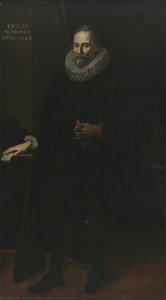
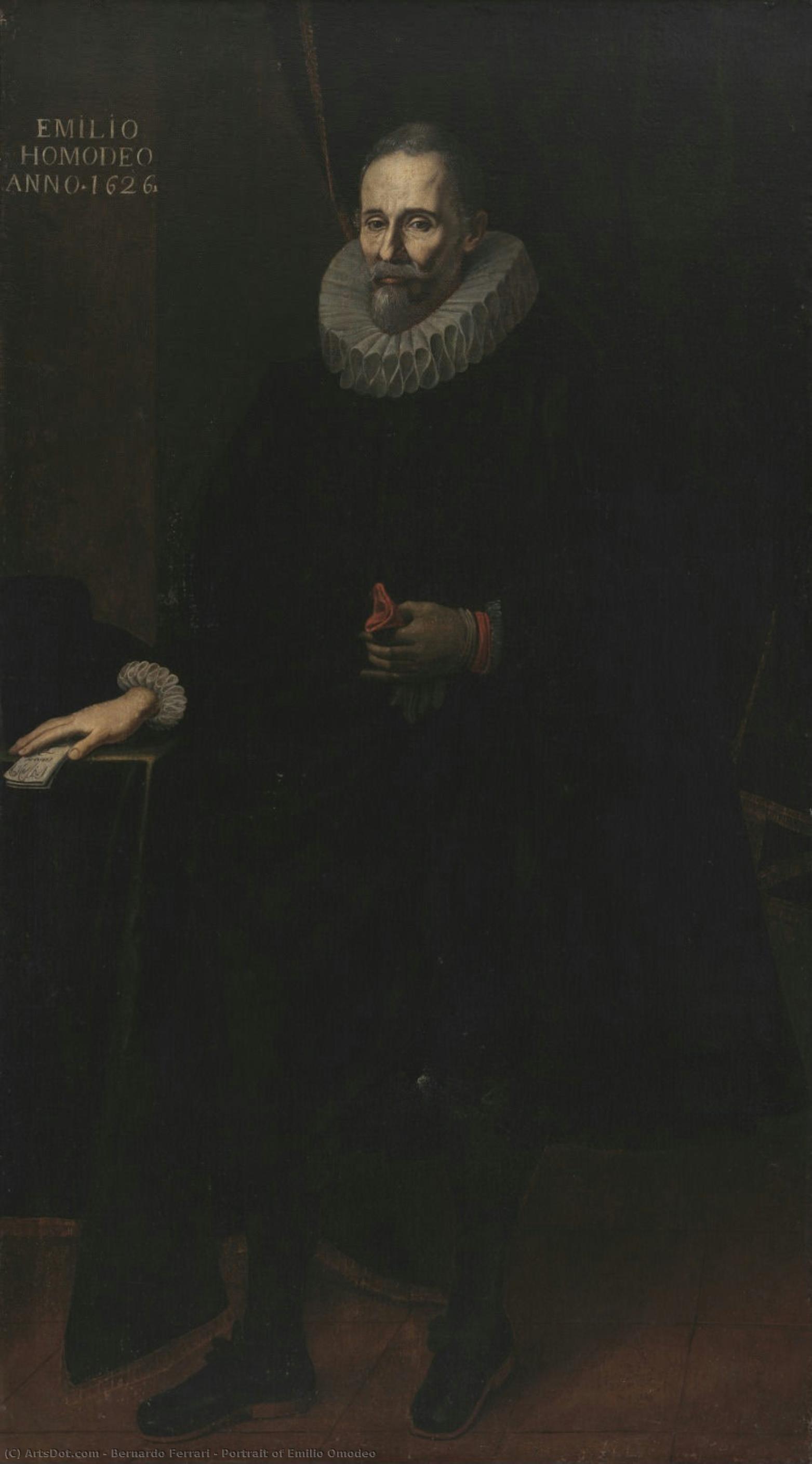
Portrait of Emilio Omodeo
 1643
1643 208.0 x 116.0 cm
 Ca’ Granda – Ospedale Maggiore Policlinico
 Read More
Hand Made Oil Reproduction
Hand-painted oil on canvas in your size and frame, made to order by our artists. ( Buy Print Buy Image)




































Pick from our preset sizes that match the artwork's original proportions.

You may enter your own dimensions to fit a specific frame or space. If your selected size does not match the original image's proportions, we will either crop the artwork or extend the painting with additional hand-painted elements. A digital mockup will be sent for your approval before production begins.
Please note that the on-screen preview does not reflect the actual cropping or extension. Only the mockup will accurately show the final composition.
While custom sizes are available, we recommend selecting a dimension from the predefined list to preserve the original proportions.
After order, ArtsDot.com team will email client for instructions and provide a mockup preview
Worldwide Delivery () in 3/4 weeks instead of standard 5 weeks. (17 August). No compromise on quality.

Free Worldwide Express Shipping

High-Quality Linen Canvas

Full Shipping Insurance

Customs Tax Refund Guarantee

True Color Matching Guarantee

60-Day Return Policy (Defects Only)

100% Money-Back Guarantee

Bulk Discount Offer
 Glass option is only available in size under 110 CM

Portrait of Emilio Omodeo
Reproduction Medium
Reproduction Size
-


Total Price
$ 263
Related Artworks
Artist Biography
Bernardo Ferrari: A Genoese Master of the Baroque
Bernardo Ferrari (1598-1669) stands as a pivotal figure in the vibrant artistic landscape of 17th-century Genoa, a city renowned for its distinctive brand of Baroque painting. Born into a family of means in Genoa, he initially pursued studies in literature before recognizing his true calling lay within the realm of art. His journey began under the tutelage of Bernardo Castello and later, the influential Bernardo Strozzi, absorbing techniques and stylistic nuances that would shape his unique artistic voice. Ferrari’s training wasn't merely academic; it was deeply influenced by the works of Anthony van Dyck, a Flemish master whose elegant portraits and dynamic compositions resonated profoundly with the young Italian artist. This confluence of influences—the rigorous foundations of Genoese tradition combined with the refined sensibilities of the Flemings—resulted in an artistic style characterized by a captivating blend of technical skill and expressive emotion.Early Life, Training, and Artistic Style
Ferrari’s early life provided him with the stability to dedicate himself fully to his art. He wasn't constrained by financial worries, allowing him to immerse himself in his studies and develop a distinctive approach. His artistic style is immediately recognizable through several key elements. Firstly, he favored a thinner application of paint, creating surfaces that appear luminous and almost translucent—a departure from the heavier, more opaque styles prevalent at the time. Secondly, his portraits are distinguished by expressive heads, often imbued with a subtle psychological depth, and tapered hands rendered with remarkable delicacy. The drapery in his paintings is frequently rolled tightly, adding to the sense of movement and dynamism. Ferrari’s religious subjects—a common theme within the Baroque period—are particularly noteworthy for their lyrical quality and emotional intensity. He skillfully employed light and shadow to heighten drama and convey a profound sense of spirituality.Collaborations, Pupils, and Artistic Circles
Ferrari's artistic career unfolded within a thriving network of artists in Genoa. He collaborated extensively with Giovanni Andrea Ansaldo on several projects, demonstrating the interconnectedness of the Genoese art scene. Furthermore, he served as a mentor to numerous pupils, including Giovanni Bernardo Carbone, Sebastiano Cervetto, and Giovanni Andrea Podestà, ensuring the continuation of his artistic legacy. These apprentices absorbed not only Ferrari’s technical skills but also his distinctive stylistic sensibilities. The influence of these collaborations and mentorships highlights Ferrari's role as a key figure in shaping the development of Baroque art within Genoa. His connections extended beyond direct instruction; he was part of a broader artistic community, engaging with fellow artists and sharing ideas and techniques.Key Works and Influences
Ferrari’s most celebrated works often depict religious scenes, frequently featuring depictions of the Madonna and Child, alongside saints and biblical figures. His painting *Portrait of Emilio Omodeo* (1643), now housed in the L'Archimede Gallery of Art in Rome, exemplifies his mastery of portraiture, capturing the subject’s personality with remarkable subtlety and grace. The influence of Anthony van Dyck is particularly evident in the elegant poses, refined attire, and carefully rendered details of these portraits. Beyond portraiture, Ferrari also produced altarpieces and devotional panels that showcase his ability to evoke a sense of piety and reverence. His work reflects not only the prevailing artistic trends of the Baroque period but also the unique cultural context of Genoa—a city steeped in maritime history and religious fervor.Legacy and Historical Significance
Bernardo Ferrari’s legacy extends far beyond his individual works. He played a crucial role in establishing a distinct Genoese style within the broader framework of Baroque art. His influence can be seen in the subsequent work of many artists, solidifying his position as one of the most important figures in the city's artistic history. Recent efforts to restore a significant altarpiece depicting Saint Francis presenting the patron saints Ludovic IX King of France and Elizabeth Queen of Portugal, housed in the church of San Nicolosio in Genoa, underscore the enduring value of his art. This project, supported by the community, demonstrates that Ferrari’s work continues to resonate with audiences today, reminding us of the power and beauty of Baroque painting. His paintings are studied by art historians and enthusiasts alike, ensuring that his contributions to the artistic world will be remembered for generations to come.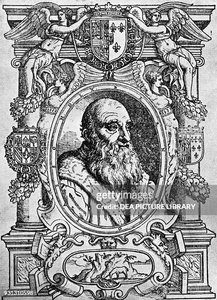
bernardo ferrari
1598 - 1669 , Italy
Quick Facts
- Artistic Movement Or Style: Baroque
- Artists Or Movements Influenced By This Artist: ['Later Genoese Baroque art']
- Artists Who Influenced This Artist:
- Anthony van Dyck
- Bernardo Castello
- Bernardo Strozzi
- Date Of Birth: 1598, Genoa, Italy
- Date Of Death: 1669
- Full Name: Giovanni Andrea de Ferrari
- Nationality: Italian
- Notable Artworks:
- Portrait of Emilio Omodeo
- Religious scenes
- Place Of Birth: Genoa, Italy