 Preview
 Send
Send Share
Share
 Details

 Download
 Similars
 X-Ray
X-Ray Diaporama
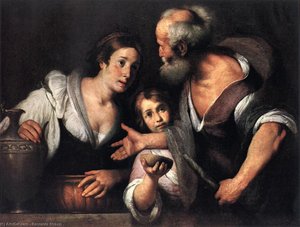
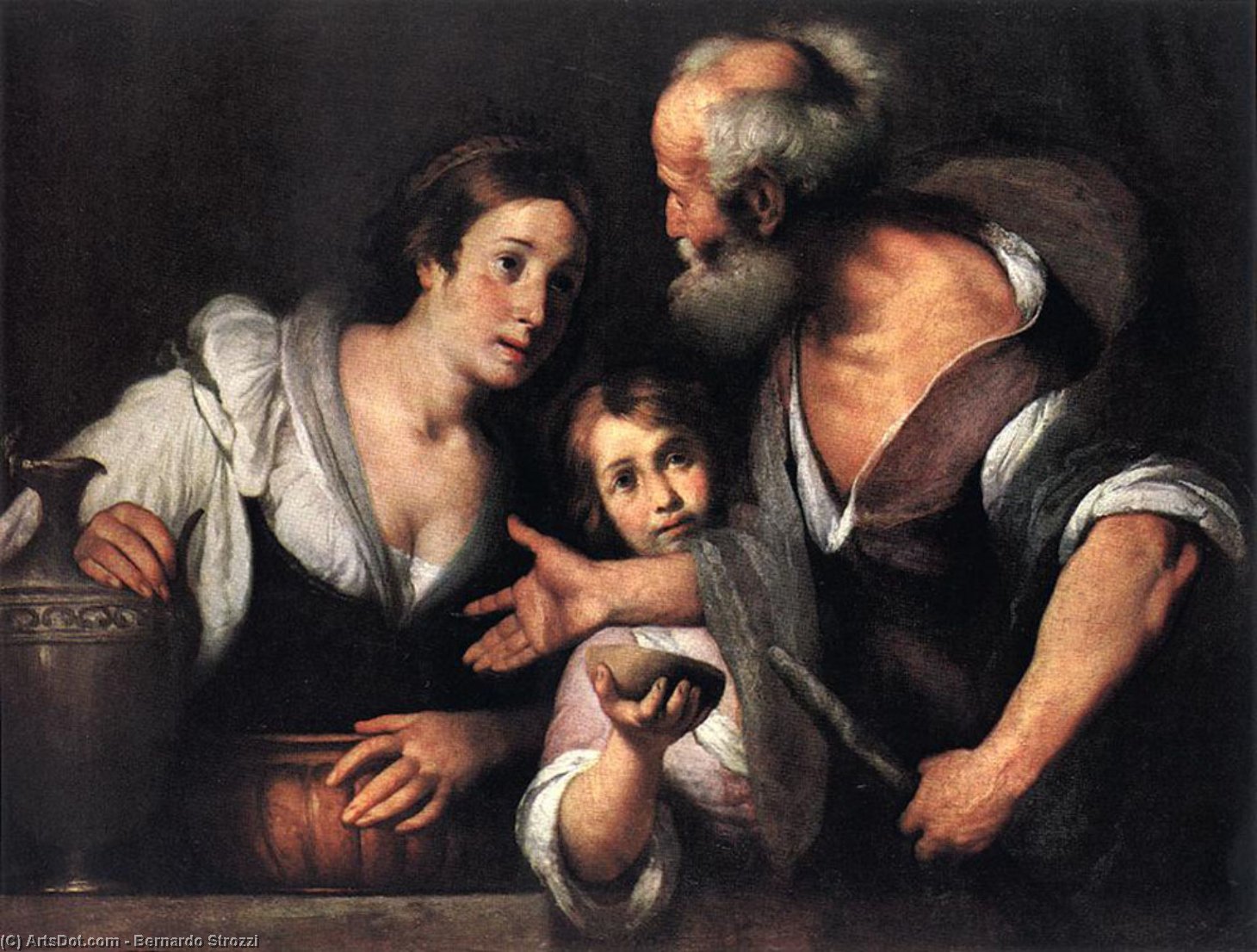
Prophet Elijah and the Widow of Sarepta
 Oil On Canvas
- WallArt
- Baroque
 1630
1630- Early Modern
 106.0 x 138.0 cm
 Kunsthistorisches Museum
 Read More
Giclée / Art Print
Museum-quality giclée or canvas print with fast production and flexible finish options. ( Buy Hand Made Painting Buy Image)




P118B $10

P118H $10

P118W $10

P438Z $10

P508JH $12

P508YH $12

P805H $10

P805Z $10

P919BZ $10

P919G $10

P919XJ $10

P959ZH $10

P968JZ $12

W106C $8

W218G $10

W218JH $8

W218Y $10

W307PJ $10

W316G $10

W316PJ $8

W316Y $10

W398PJ $8

W4111J $10

W500HY $15

W500JH $15

W692G $12

W849H $8

W940BG $15

W953PJ $8




Pick from our preset sizes that match the artwork's original proportions.

You may enter your own dimensions to fit a specific frame or space. If your selected size does not match the original image's proportions, we will either crop the artwork or extend the image with a mirrored or solid-fill edge. A digital mockup will be sent for your approval before production begins.
Please note that the on-screen preview does not reflect the actual cropping or extension. Only the mockup will accurately show the final composition.
While custom sizes are available, we recommend selecting a dimension from the predefined list to preserve the original proportions.
Worldwide Delivery () in 2 weeks instead of standard 4/5 weeks. (16 August)

Free Worldwide Express Shipping

High-Quality Linen Canvas

Full Shipping Insurance

Customs Tax Refund Guarantee

True Color Matching Guarantee

60-Day Return Policy (Defects Only)

100% Money-Back Guarantee

Bulk Discount Offer
 Glass option is only available in size under 110 CM

Prophet Elijah and the Widow of Sarepta
Giclée / Art Print
Reproduction Size
-


Total Price
$ 63
Collectible Description
Bernardo Strozzi’s Prophet Elijah and the Widow of Sarepta: A Testament to Faith Amidst Adversity
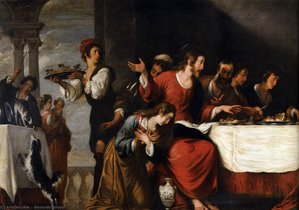
The painting “Prophet Elijah and the Widow of Sarepta,” created in 1630 by Bernardo Strozzi, stands as a cornerstone of Venetian Baroque art—a masterful depiction that transcends mere visual representation to convey profound spiritual themes. Executed on canvas with oil paints, this artwork resides within the Kunsthistorisches Museum’s collection, offering visitors an unparalleled glimpse into Strozzi's artistic vision and his ability to capture the essence of biblical narrative.A Portrait of Resilience: Composition and Technique
Strozzi’s compositional choices immediately establish a dynamic tension between figures and space. The central trio—a prophet, a man, and a woman—occupy a carefully balanced arrangement within a richly textured interior setting. Strozzi skillfully employs chiaroscuro – the dramatic interplay of light and shadow – to sculpt the forms of his subjects, emphasizing their physicality while simultaneously conveying an aura of solemn contemplation. Brushstrokes are broad and energetic, characteristic of Venetian painting during this period, yet imbued with meticulous detail that brings forth a palpable sense of realism. The artist’s masterful handling of color contributes significantly to the overall mood, favoring warm hues—particularly reds and golds—to illuminate the faces of Elijah and the widow, symbolizing divine grace and unwavering faith.Biblical Narrative Illuminated: Symbolism and Context
The painting recounts the biblical tale of Elijah confronting King Ahab and Queen Jezebel in Samaria, where he miraculously restores water to the withered wells of Sarepta – a miraculous event attributed to God’s intervention on behalf of Elijah's devoted disciple, Hannah. Strozzi’s depiction captures this pivotal moment with remarkable sensitivity. Elijah, portrayed as a venerable figure radiating authority and piety, stands confidently before his companions, embodying prophetic courage and unwavering devotion. The widow of Sarepta, kneeling humbly before him, represents vulnerability and supplication—a poignant reminder of humanity's dependence on divine providence. The presence of two bowls brimming with water symbolizes the miraculous renewal brought about by Elijah’s prayer, signifying God’s compassion for those who persevere in faith despite hardship.The Venetian Baroque Spirit: Artistic Influence
Strozzi’s work exemplifies the stylistic hallmarks of Venetian Baroque painting—a movement that prioritized emotional intensity and dramatic visual effects. Influenced by Caravaggio's revolutionary use of tenebrism, Strozzi embraced a similar approach to heighten the impact of his compositions. Furthermore, he drew inspiration from classical ideals of beauty and harmony, blending them seamlessly with baroque dynamism. This synthesis resulted in an artistic idiom that resonated deeply within Venetian society—celebrated for its grandeur, spirituality, and ability to evoke profound contemplation.Emotional Resonance: A Legacy of Faith
“Prophet Elijah and the Widow of Sarepta” transcends its biblical subject matter to communicate a universal message about faith, resilience, and divine grace. Strozzi’s masterful execution captures not only the visual details of the scene but also the emotional core—the unwavering conviction of Elijah and Hannah—inspiring viewers with an enduring testament to spiritual fortitude. Its luminous colors and expressive brushstrokes continue to captivate audiences today, cementing Strozzi's place as a pivotal figure in Venetian art history and ensuring that this iconic image remains a source of artistic contemplation for generations to come.Related Artworks
Artist Biography
early life and training
bernardo strozzi, also known as il cappuccino and il prete genovese, was a prominent italian baroque painter and engraver born in 1581 in genoa, italy. his early training took place in the workshop of cesare corte, a minor genoese painter, under whose guidance strozzi developed his skills until 1596. he then joined the workshop of pietro sorri, an innovative sienese painter, who led strozzi towards a more naturalistic style.artistic career
strozzi's career can be divided into two main periods: his early years in genoa and his later work in venice. in genoa, he worked on various projects, including the frescoes in the choir of the san domenico church, commissioned by members of the doria family.- key works:
- the vision of saint dominic (paradise) ( preparatory oil bozzetto for the vault, located at the museo dell’accademia ligustica in genoa)
- portrait of doge francesco erizzo (painted soon after his arrival in venice)
influence and legacy
strozzi's powerful art, characterized by rich colors and broad brushstrokes, had a significant impact on the artistic developments in both genoa and venice. he is considered one of the principal founders of the venetian baroque style.- notable patrons:
- doge francesco erizzo
- catholic cardinal and patriarch of venice federico baldissera
- prominent venetian artists, including claudio monteverdi and barbara strozzi
later life and death
strozzi's later years were marked by his work as an engineer. he died in venice in 1644, leaving behind a legacy as a versatile and prolific artist. view more works by bernardo strozzi on ArtsDot: [https://ArtsDot.com/@/bernardo-strozzi](https://ArtsDot.com/@/bernardo-strozzi) explore the pinacoteca di vicenza, italy, featuring works from various periods and styles: /en/art/show/art-d3afpd-en/
Bernardo Strozzi
1581 - 1644 , Italy
Quick Facts
- Artistic Movement Or Style: Baroque
- Artists Or Movements Influenced By This Artist: ['Venetian Baroque']
- Artists Who Influenced This Artist:
- Cesare Corte
- Pietro Sorri
- Date Of Birth: 1581
- Date Of Death: 1644
- Full Name: Bernardo Strozzi
- Nationality: Italian
- Notable Artworks:
- Vision of St. Dominic
- Portrait of Doge Erizzo
- St Lawrence Giving Alms
- Place Of Birth: Genoa, Italy
Related Articles

Jacopo Tintoretto's Masterpieces: 25 Paintings That Define Venetian Drama | ArtsDot
Explore 25 breathtaking masterpieces by Jacopo Tintoretto, the Venetian master of drama and light. Discover the stories behind iconic Renaissance paintings & find museum-quality art reproductions to elevate your home decor on ArtsDot.com.

Giclée Prints: Archival Quality & Aesthetic Nuances for the Discerning Collector
Explore the world of giclée prints with ArtsDot. Learn about archival quality, aesthetic nuances & investment potential. Expert guidance for discerning art collectors seeking museum-quality reproductions and lasting value.

Echoes of Time: Exploring the Enduring Appeal & Historical Context of Vintage Art Prints
Explore the captivating world of vintage art prints! Discover their history, collecting tips & enduring appeal. Expert insights on chromolithography and building a legacy collection with ArtsDot.

Baroque Drama: Bringing Opulence & Emotion into Contemporary Interiors
Explore the opulent world of Baroque interior design! Discover key elements, modern applications & how to bring dramatic elegance into your home with 's authentic reproductions.

The Enduring Legacy of Fine Art Prints: Technique, History & Aesthetic Impact
Explore the rich history & techniques of fine art prints. Discover investment potential, assess authenticity, and learn how to preserve your collection with expert guidance. Trusted insights for discerning collectors.