 Preview
 Send
Send Share
Share
 Details

 Download
 Similars
 X-Ray
X-Ray Diaporama
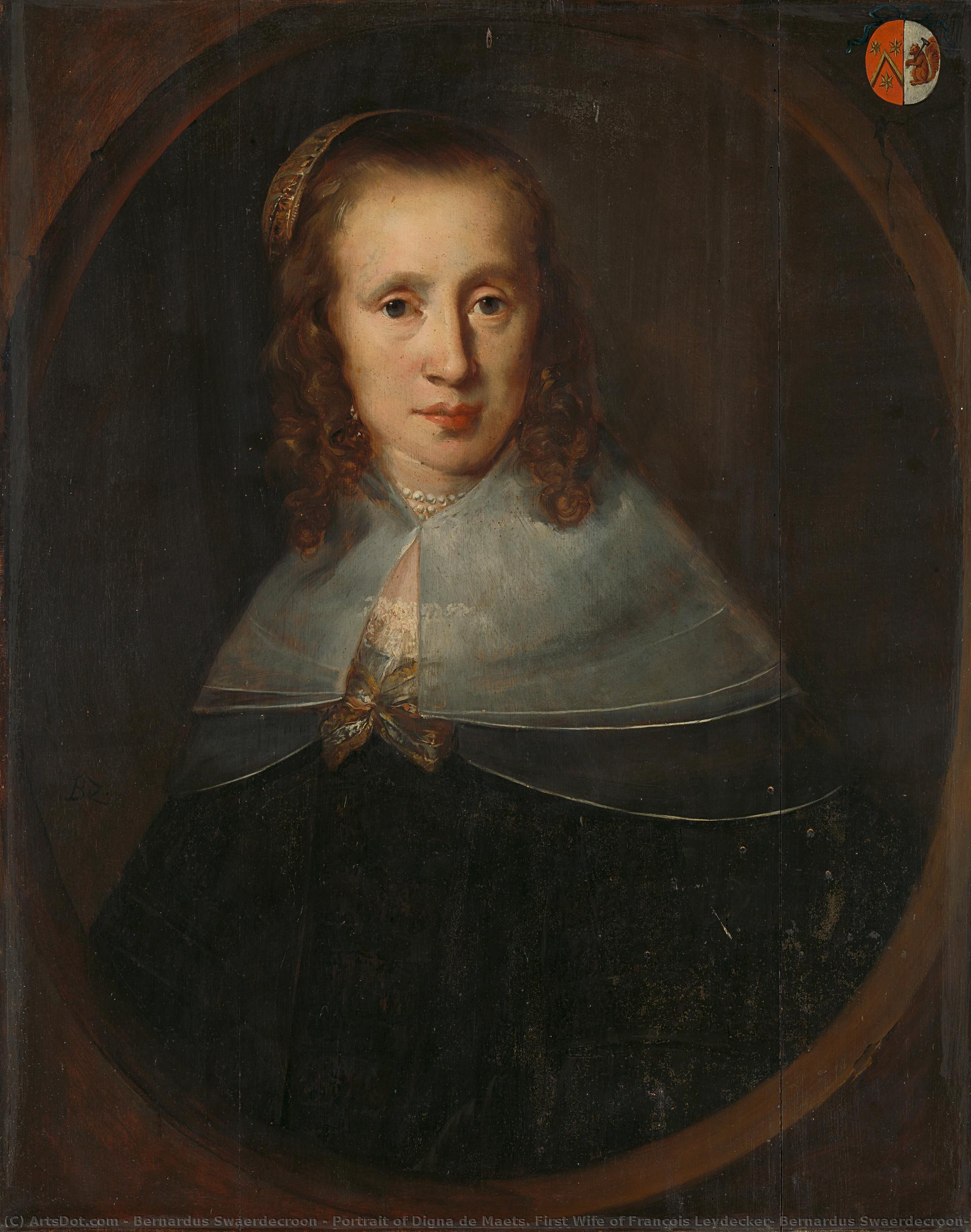
Portrait of Digna de Maets. First Wife of François Leydecker, Bernardus Swaerdecroon, 1640 - 1654
 1654
1654 75.0 x 60.0 cm
 Read More
Hand Made Oil Reproduction
Hand-painted oil on canvas in your size and frame, made to order by our artists. ( Buy Print Buy Image)




































Pick from our preset sizes that match the artwork's original proportions.

You may enter your own dimensions to fit a specific frame or space. If your selected size does not match the original image's proportions, we will either crop the artwork or extend the painting with additional hand-painted elements. A digital mockup will be sent for your approval before production begins.
Please note that the on-screen preview does not reflect the actual cropping or extension. Only the mockup will accurately show the final composition.
While custom sizes are available, we recommend selecting a dimension from the predefined list to preserve the original proportions.
After order, ArtsDot.com team will email client for instructions and provide a mockup preview
Worldwide Delivery () in 3/4 weeks instead of standard 5 weeks. (5 September). No compromise on quality.

Free Worldwide Express Shipping

High-Quality Linen Canvas

Full Shipping Insurance

Customs Tax Refund Guarantee

True Color Matching Guarantee

60-Day Return Policy (Defects Only)

100% Money-Back Guarantee

Bulk Discount Offer
 Glass option is only available in size under 110 CM

Portrait of Digna de Maets. First Wife of François Leydecker, Bernardus Swaerdecroon, 1640 - 1654
Reproduction Medium
Reproduction Size
-


Total Price
$ 263
Related Artworks






Artist Biography
A Brief Radiance: The Life and Legacy of Bernardus Swaerdecroon
In the vibrant, bustling atmosphere of the Dutch Golden Age, a period defined by unparalleled artistic flourishing and mercantile prosperity, the name Bernardus Swaerdecroon emerges as a poignant symbol of fleeting brilliance. Born around 1617 in the historic city of Utrecht, Swaerdecroon entered a world where light and shadow were being redefined by masters of the Baroque. While his recorded professional journey was tragically brief—spanning only about eight years before his untimely death in 1654—the impact of his brushwork remains etched in the annals of Dutch portraiture. He was an artist who captured not just the likeness of his subjects, but the very soul of a society navigating the complexities of newfound wealth and social prestige.
The lineage of Swaerdecroon suggests a deep-rooted connection to the artistic fabric of the Netherlands. As the son of Wolfaert Zwaerdecroon, he was part of a milieu where craftsmanship was both a family tradition and a civic duty. His early years in Utrecht placed him at the heart of a significant cultural crossroads, where the influence of Italian chiaroscuro—the dramatic interplay of light and dark popularized by Caravaggio—was permeating the Northern European consciousness. This stylistic tension between the stark realism of the Dutch tradition and the theatricality of the Southern Baroque would become the cornerstone of his developing technique.
Mastery of Light and Psychological Depth
Swaerdecroon’s oeuvre is a testament to the power of meticulous observation. His approach to portraiture went far beyond mere documentation; he sought to sculpt form through the masterful manipulation of light. By utilizing deep shadows to recede into the background, he allowed his subjects to emerge with a startling, three-dimensional presence. This technique did more than create visual depth; it imbued his sitters with a palpable psychological nuance, inviting the viewer to contemplate the inner lives of the men and women depicted on his canvases.
His work often served as a mirror to the social hierarchies of Utrecht. The artist was frequently commissioned by the burgeoning class of wealthy merchants, civic leaders, and officials who viewed portraiture as an essential tool for establishing lineage and legitimacy. Through his eyes, we witness the intricate details of 17th-century life:
- The Texture of Status: His ability to render the heavy sheen of silk, the delicate patterns of lace, and the stiff collars of the era provided a tactile sense of reality.
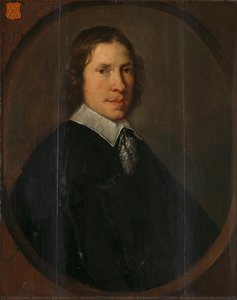
- The Dignity of Office: In works such as his portrait of François Leydecker, Burgomaster of Tholen, Swaerdecroon captures the gravity and authority inherent in civic leadership.
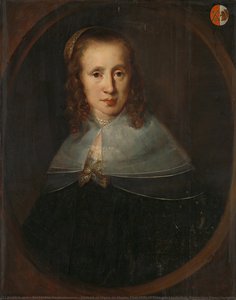
- Intimacy and Connection: His portraits often functioned in pairs or series, such as the poignant depictions of Leydecker and his wife, Digna de Maets, which offer a glimpse into the domestic alliances that shaped the period.
A Lasting Impression on the Dutch Golden Age
Though Swaerdecroon succumbed to illness in October 1654, leaving behind an incomplete legacy, his contributions to the Utrecht school of painting remain significant. He belonged to a generation of artists who transformed the portrait from a static record into a dynamic narrative of character and class. His work stands as a vital historical document, preserving the hairstyles, fashions, and facial expressions of a vanished era with scientific precision and artistic grace.
The historical significance of Swaerdecroon lies in his ability to synthesize the grander European trends of the Baroque with the intimate, grounded realism characteristic of the Dutch tradition. He did not merely paint faces; he painted the very essence of the Dutch Golden Age—a period of intense light, profound shadow, and an enduring human spirit. Today, his portraits continue to resonate, serving as windows into a time when every brushstroke was an attempt to capture the fleeting beauty of existence.
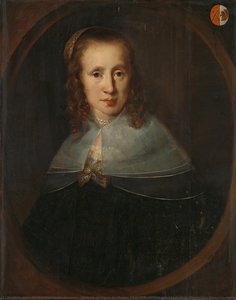
bernardus swaerdecroon
1654 , Netherlands
Quick Facts
- Artistic Movement Or Style: Dutch Golden Age
- Date Of Birth: c. 1617
- Date Of Death: 1654
- Full Name: Bernardus Swaerdecroon
- Nationality: Dutch
- Notable Artworks: ['Portrait of François Leydecker']
- Place Of Birth: Utrecht, Netherlands