

 Preview
 Send
Send Share
Share
 Details

 Download
 Similars
 X-Ray
X-Ray Diaporama
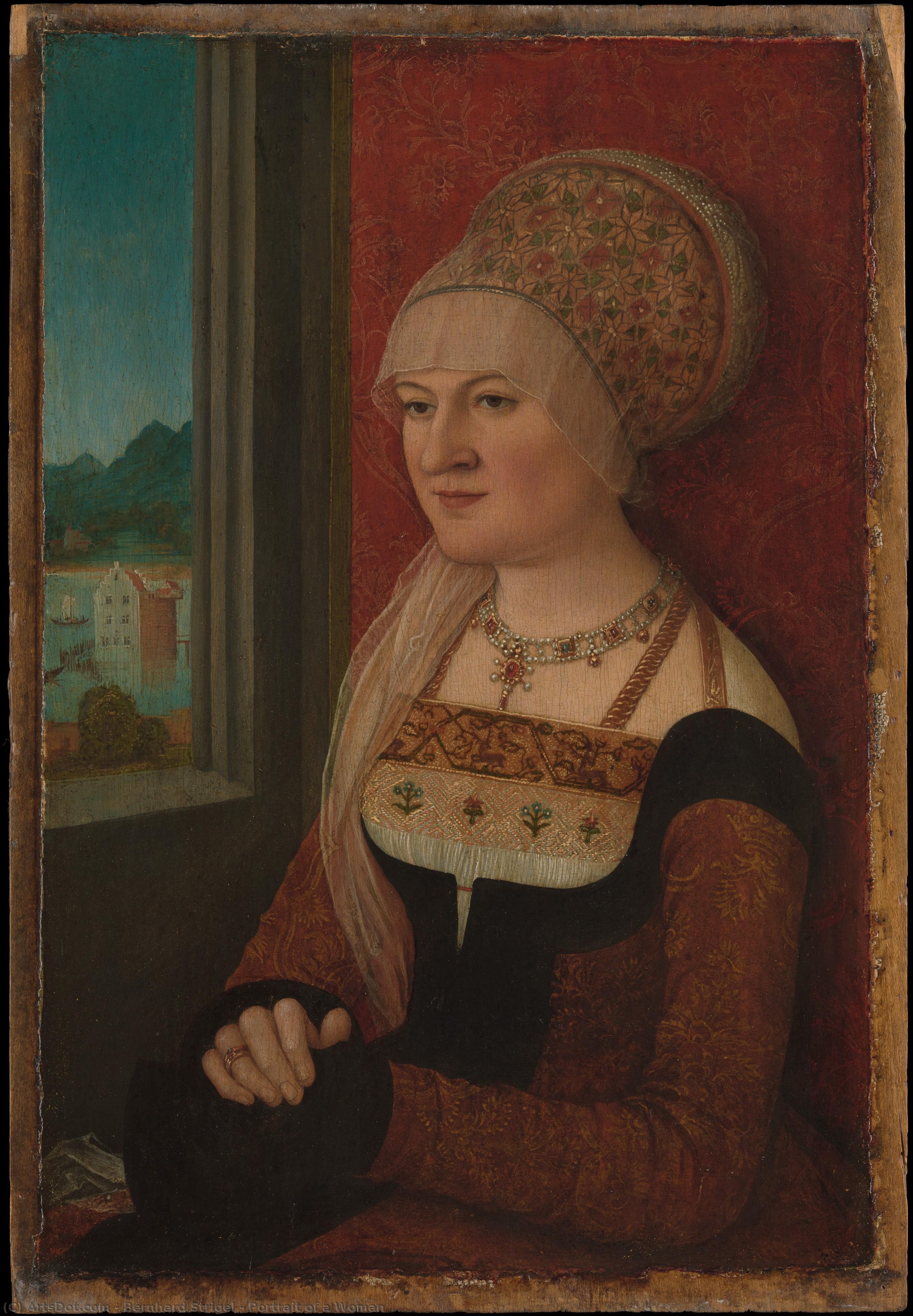
Portrait of a Woman


 Read More
Purchase a high-resolution, enhanced digital image, far superior to the online preview.
Each file is meticulously prepared by our in-house specialists using advanced tools and expert manual retouching. We ensure every image has exceptional clarity, precise color accuracy, and fine detail.
The final file is delivered via email within 72 hours, optimized for immediate use in professional, editorial, and print environments. This is the same quality trusted by top-tier design studios, publishers, and galleries.
Digital Image
Download a high-resolution file for personal display, printing, and creative projects. ( Buy Print Buy Hand Made Painting)
Included in Every Digital Image Order
Expert Digital Delivery, Guaranteed
When you choose ArtsDot.com, you're not just getting an image - you're receiving a professionally enhanced digital artwork, crafted with precision and backed by a satisfaction guarantee. Here's everything that comes with your order, automatically:

Fast Email Delivery
Your high-resolution digital image file will be emailed to you within 72 hours of ordering - ready for immediate use.

AI-Enhanced Digital File
Your artwork is professionally optimized using advanced AI tools and manual editing, ensuring maximum detail, clarity, and color accuracy.

Free Lifetime Re-Delivery
Accidentally deleted or lost your file? No worries - we'll resend it to you anytime, free of charge.

No Import Fees - Ever
Enjoy your artwork instantly with zero customs, duties, or delivery fees - digital downloads are always tax-free.

Color Accuracy Guarantee
We ensure your digital image reflects the original colors as closely as possible using professional tools and color management.

60-Day Satisfaction Guarantee
If you're not satisfied with your digital image, we'll revise it or refund 100% within 60 days - no questions asked.

100% Money-Back Guarantee
Not satisfied? Get a full refund within 60 days of receiving your digital file - no questions asked.

Bulk Order Discounts
Buy 3 images, save 10% - Buy 5, save 15% - Buy 10+, save 20%. Great for creative projects, galleries, and agencies.
Collectible Description
A Glimpse of Renaissance Elegance: Portrait of a Woman by Bernhard Strigel
Bernhard Strigel’s “Portrait of a Woman,” painted circa 1510-15, offers a captivating window into the refined tastes and social dynamics of early sixteenth-century Germany. More than just a likeness, this painting is a meticulously crafted tableau vivant—a snapshot of wealth, status, and the burgeoning artistic sensibilities of the era. Strigel, a pivotal figure in the Swabian School, masterfully employed his signature luminous color palette and exacting detail to capture not merely a face, but an entire persona, hinting at a life lived within the opulent circles of Memmingen society.
The subject herself remains shrouded in mystery, though her attire provides compelling clues. The elaborate gown, adorned with imported fabrics—likely velvet and silk—and shimmering jewelry speaks volumes about her family’s prosperity and connections. The choice of a dark, rich color scheme, contrasted against the lighter tones of her clothing and the backdrop of an open window framing a distant landscape, immediately establishes a sense of formality and grandeur. The inclusion of decorative textile hangings in the background further reinforces this impression, suggesting that the portrait was intended to be displayed prominently within a wealthy household—a testament to both the sitter’s status and the family's artistic patronage.
Technique and Artistic Style
Strigel’s skill lies not only in his ability to render realistic details but also in his masterful manipulation of light and shadow. He utilizes a technique known as “pointillé,” applying numerous tiny, closely spaced dots of paint to create the illusion of texture and depth—particularly evident in the fabric of her gown and the delicate rendering of her jewelry. This meticulous approach lends the portrait an almost photographic quality, capturing the subtle nuances of form and color with remarkable precision.
The composition is carefully balanced, drawing the viewer’s eye to the sitter's face – a study in serene composure. Her gaze, directed towards the unseen landscape beyond the window, conveys a sense of quiet contemplation, inviting us to imagine her thoughts and experiences. The subtle modeling of her features—the delicate curve of her lips, the slight furrow of her brow—reveals a remarkable understanding of human anatomy and expression.
Historical Context and Symbolism
To understand “Portrait of a Woman,” it’s crucial to consider the broader historical context. The early sixteenth century was a period of significant artistic innovation in Germany, marked by the influence of both Gothic traditions and emerging Renaissance ideals. Strigel's work reflects this dynamic interplay, blending established techniques with new approaches to perspective, color, and realism.
The portrait’s symbolism is equally intriguing. The open window, a recurring motif in Strigel’s work, represents not just a view of the outside world but also a connection between the interior and exterior realms—a metaphor for the sitter's position within society. Her luxurious attire symbolizes her wealth and social standing, while her contemplative gaze suggests a degree of intellectual curiosity and perhaps even a subtle defiance of societal expectations.
A Timeless Portrait
“Portrait of a Woman” is more than just a beautiful painting; it’s a compelling document of its time—a testament to the artistic skill of Bernhard Strigel and a window into the lives of those who inhabited the opulent courts of Renaissance Bavaria. Its luminous colors, meticulous detail, and subtle symbolism continue to captivate viewers centuries later, reminding us of the enduring power of art to illuminate both the past and the present.
Related Artworks
Artist Biography
The Luminous Legacy of Bernhard Strigel
In the heart of the Swabian landscape, during a period when the medieval world was beginning to yield to the dawn of the Renaissance, Bernhard Strigel emerged as a master of light and human presence. Born in Memmingen around 1461, Strigel did not merely paint figures; he breathed life into them through a meticulous command of color and form. His journey was one of profound artistic evolution, moving from the structured traditions of the Gothic era toward a more nuanced, observational style that would define the German Renaissance. As a pivotal figure of the Swabian School, his work serves as a vital bridge between the spiritual intensity of the Middle Ages and the humanistic clarity of the sixteenth century.
The foundations of Strigel’s genius were laid within the intimate confines of a familial workshop. Under the guidance of his father, Hans Strigel, and influenced by the esteemed master Zeitblom of Ulm, the young artist developed an eye for the minute details that characterize Northern Renaissance art. This early training instilled in him a reverence for the textures of reality—the heavy fold of a velvet robe, the subtle sheen of a pearl, and the soft glow of skin under candlelight. One can trace the echoes of masters like Rogier van der der Weyden and Dieric Bouts in his early compositions, where a sense of profound devotion meets an almost scientific precision in detail.
Imperial Favor and the Art of the Portrait
Strigel’s ascent from a regional talent to a celebrated figure of European importance was propelled by the most powerful patronage of his age: that of Emperor Maximilian I. The Emperor, a man with an insatiable appetite for imagery and historical documentation, recognized in Strigel a unique ability to capture not just the likeness, but the very essence of authority and nobility. This relationship transformed Strigel’s career, leading him on grand artistic expeditions through the cultural hubs of Augsburg, Innsbruck, and Vienna. His presence in the imperial courts allowed him to participate in the most significant political and social narratives of his time.
Perhaps his most enduring contribution to the history of portraiture lies in his role during the momentous Habsburg-Jagellon marriage negotiations. In 1515, summoned specifically to Vienna, Strigel was tasked with capturing the faces of a changing Europe. His portraits from this era are characterized by an extraordinary clarity and a psychological depth that transcends mere documentation. Through his brush, the subjects possess a quiet dignity and a luminous quality that suggests a soul peering out from behind the pigment. These works do more than record history; they humanize it, offering us an intimate window into the faces of the Renaissance elite.
A Masterpiece of Technique and Tradition
The technical brilliance of Bernhard Strigel is most evident in his mastery of luminosity. He possessed a rare ability to manipulate light so that it seemed to emanate from within the painting itself, rather than merely reflecting off its surface. This technique, combined with a sophisticated use of color palettes, allowed him to create works that felt both physically tangible and spiritually elevated. Whether he was working on large-scale historical compositions or intimate individual portraits, his commitment to precision remained unwavering.
His artistic achievements can be summarized through several key pillars of his career:
- The Synthesis of Styles: Successfully merging the meticulous detail of the Ulm school with the burgeoning naturalism of the Renaissance.
- Imperial Documentation: Serving as a primary visual chronicler for Emperor Maximilian I, capturing the faces of European royalty.
- Mastery of Color: Utilizing a vibrant and luminous palette that brought a sense of life and movement to static forms.
- Historical Significance: Acting as a crucial link in the evolution of German painting, transitioning from Gothic symbolism to Renaissance humanism.
Today, the works of Bernhard Strigel remain a testament to an era of profound transformation. His ability to capture the fleeting light of a moment and preserve it within the permanence of oil and tempera ensures that his legacy continues to resonate. To look upon a Strigel portrait is to encounter the very spirit of the Swabian Renaissance—a world where every brushstroke is an act of devotion to the beauty of the visible world.
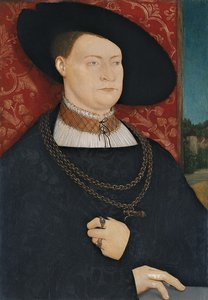
Bernhard Strigel
1461 - 1528 , Germany
Quick Facts
- Artistic Movement Or Style: Swabian School
- Artists Or Movements Influenced By This Artist:
- Danube School
- Renaissance Painting
- Artists Who Influenced This Artist:
- Zeitblom
- Hans Strigel
- Rogier van der Weyden
- Dürer
- Hans Holbein
- Date Of Birth: Memmingen, Germany (1461)
- Date Of Death: 1528
- Full Name: Bernhard Strigel
- Nationality: German
- Notable Artworks:
- Mary & Joseph with Jesus
- Emperor Maximilian I
- Portrait of Louis II of Hungary
- Saint Catherine and Dorothy
- Altarpiece of the Virgin
- Place Of Birth: Memmingen

