

 Preview
 Send
Send Share
Share
 Details

 Download
 Similars
 X-Ray
X-Ray Diaporama
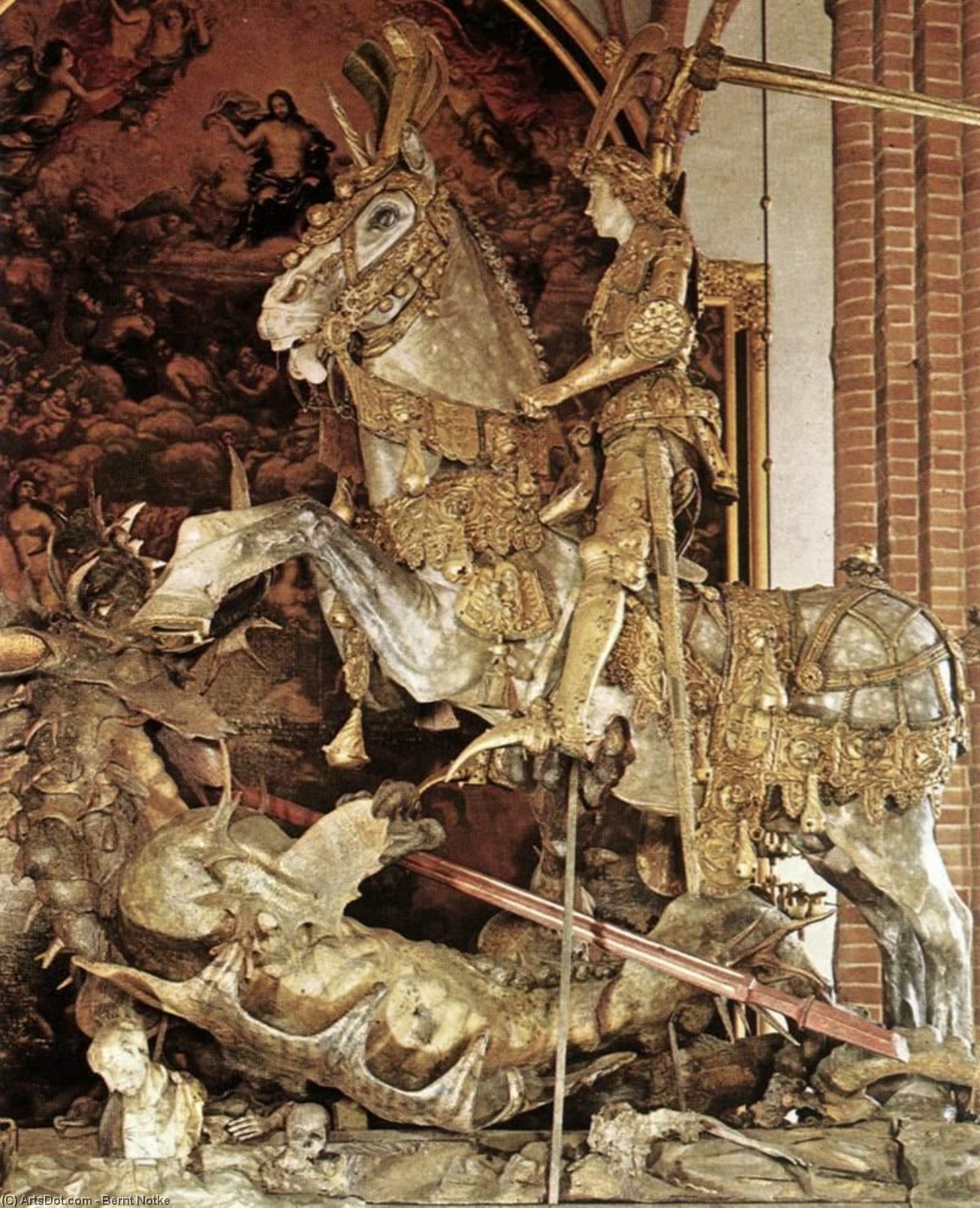
St George and the Dragon (detail)


 Read More
Purchase a high-resolution, enhanced digital image, far superior to the online preview.
Each file is meticulously prepared by our in-house specialists using advanced tools and expert manual retouching. We ensure every image has exceptional clarity, precise color accuracy, and fine detail.
The final file is delivered via email within 72 hours, optimized for immediate use in professional, editorial, and print environments. This is the same quality trusted by top-tier design studios, publishers, and galleries.
Digital Image
Download a high-resolution file for personal display, printing, and creative projects. ( Buy Print Buy Hand Made Painting)
Included in Every Digital Image Order
Expert Digital Delivery, Guaranteed
When you choose ArtsDot.com, you're not just getting an image - you're receiving a professionally enhanced digital artwork, crafted with precision and backed by a satisfaction guarantee. Here's everything that comes with your order, automatically:

Fast Email Delivery
Your high-resolution digital image file will be emailed to you within 72 hours of ordering - ready for immediate use.

AI-Enhanced Digital File
Your artwork is professionally optimized using advanced AI tools and manual editing, ensuring maximum detail, clarity, and color accuracy.

Free Lifetime Re-Delivery
Accidentally deleted or lost your file? No worries - we'll resend it to you anytime, free of charge.

No Import Fees - Ever
Enjoy your artwork instantly with zero customs, duties, or delivery fees - digital downloads are always tax-free.

Color Accuracy Guarantee
We ensure your digital image reflects the original colors as closely as possible using professional tools and color management.

60-Day Satisfaction Guarantee
If you're not satisfied with your digital image, we'll revise it or refund 100% within 60 days - no questions asked.

100% Money-Back Guarantee
Not satisfied? Get a full refund within 60 days of receiving your digital file - no questions asked.

Bulk Order Discounts
Buy 3 images, save 10% - Buy 5, save 15% - Buy 10+, save 20%. Great for creative projects, galleries, and agencies.
Related Artworks








Artist Biography
A Master of the Baltic Gothic: The Life and Art of Bernt Notke
Bernt Notke, a name resonating with the somber beauty and expressive power of late Gothic art, remains an enigmatic figure despite his profound influence on Northern European sculpture and painting. Born around 1440 in the small Pomeranian town of Lassan, his life unfolded amidst the burgeoning trade routes and artistic currents of the Baltic Sea region. While concrete details about his early years are scarce, we know he emerged from a family deeply connected to commerce – his father, Michel Notke, was a trader and ship-owner based in Tallinn. This maritime background likely fostered an openness to diverse influences that would characterize his art. His mother, Gertraut, hailed from Visby, further cementing the artist’s ties to the Hanseatic League's vibrant network of exchange. Little is known about his formal training, but it is believed he spent time in Flanders, possibly within the workshop of tapestry weaver Pasquier Grenier in Tournai. This experience instilled in him not only technical skills but also an understanding of large-scale collaborative projects – a hallmark of his later work.The Workshop and its Innovations
Notke’s artistic practice was deeply rooted in the medieval workshop system, a communal endeavor far removed from the solitary studio of the Renaissance artist. He wasn't merely an individual creator but a master orchestrator, leading a team of skilled artisans – carpenters, painters, sculptors – to realize ambitious visions. A remarkable discovery during the restoration of his Triumphal Cross in Lübeck revealed a signed note by Notke and five collaborators, offering a rare glimpse into the inner workings of his workshop. This collaborative spirit allowed him to undertake projects of monumental scale and complexity. But what truly set Notke apart was his willingness to experiment with materials and techniques. He wasn’t content with simply carving wood or applying paint; he sought to imbue his sculptures with an almost unsettling realism, often employing unconventional additions like leather strips to simulate veins or fragments of cloth and glass to enhance the texture and detail of garments. This innovative approach blurred the lines between sculpture and painting, creating works that were both visually striking and emotionally resonant. The question of whether Notke was primarily a painter, sculptor, or organizer remains debated, but his 1467 recognition by the Lübeck city council as a “painter” suggests an initial focus on this discipline.Themes of Mortality and Majesty: Key Works
Notke’s oeuvre is dominated by two powerful themes: the inevitability of death and the grandeur of religious devotion. These are vividly expressed in his most celebrated works. The *Danse Macabre*, or Dance of Death, a popular medieval motif, found particularly potent expression in Notke's hands. Two versions survive – one fragment in Tallinn’s St. Nicholas Church, and a 1701 copy (based on the original) of the larger Lübeck version which was destroyed during World War II. These depictions of death leading figures from all walks of life to their final fate are not merely morbid exercises but profound meditations on human mortality and the transience of earthly power. His *Triumphal Cross* in Lübeck Cathedral, completed around 1477, stands as a testament to his sculptural prowess. Comprising seventy-two intricately carved figures surrounding the crucified Christ, it is a breathtaking display of realism, monumentality, and emotional intensity. Commissioned by Bishop Albert Krummedik, this work showcases Notke’s ability to convey both divine suffering and human grief with remarkable sensitivity. Another significant commission was the high altar for Aarhus Cathedral in Denmark (1479), a towering structure featuring sculptures of Saint Anne, John the Baptist, and Pope Clement I. This altarpiece, signed by Notke in three places, reflects the growing influence of early Northern Renaissance portraiture, evident in the realistic depiction of individual features. Finally, his *Saint George and the Dragon* sculpture in Stockholm’s Storkyrkan, created during his time as mint master of Sweden (1491-1497), embodies a heroic narrative with dynamic composition and expressive detail.A Legacy Forged in Wood and Paint
Bernt Notke's artistic journey spanned the late 15th and early 16th centuries, a period of transition between the medieval world and the dawn of the Renaissance. While he absorbed influences from Flanders and Italy, his work remained firmly rooted in the Gothic tradition, characterized by its emotional intensity, dramatic compositions, and symbolic richness. He died before May 1509 in Lübeck, leaving behind a legacy that continues to inspire awe and admiration. His impact on Northern European art is undeniable. He not only elevated sculpture and painting to new heights of technical skill and artistic expression but also established a thriving workshop that trained generations of artists. His innovative use of materials, his mastery of form, and his profound engagement with the themes of life, death, and faith cemented his position as one of the foremost artists of his time – a true master of the Baltic Gothic. His works serve as poignant reminders of a bygone era, inviting us to contemplate the enduring mysteries of human existence.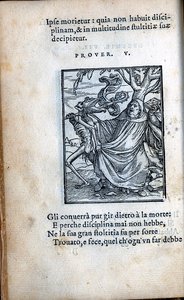
Bernt Notke
1440 - 1509 , Germany
Quick Facts
- Artistic Movement Or Style: Late Gothic
- Date Of Birth: c. 1440
- Date Of Death: 1509
- Full Name: Bernt Notke
- Nationality: German
- Notable Artworks:
- Danse Macabre
- Triumphal Cross
- St. George & Dragon
- Place Of Birth: Lassan, Germany

