 Preview
 Send
Send Share
Share
 Details

 Download
 Similars
 X-Ray
X-Ray Diaporama
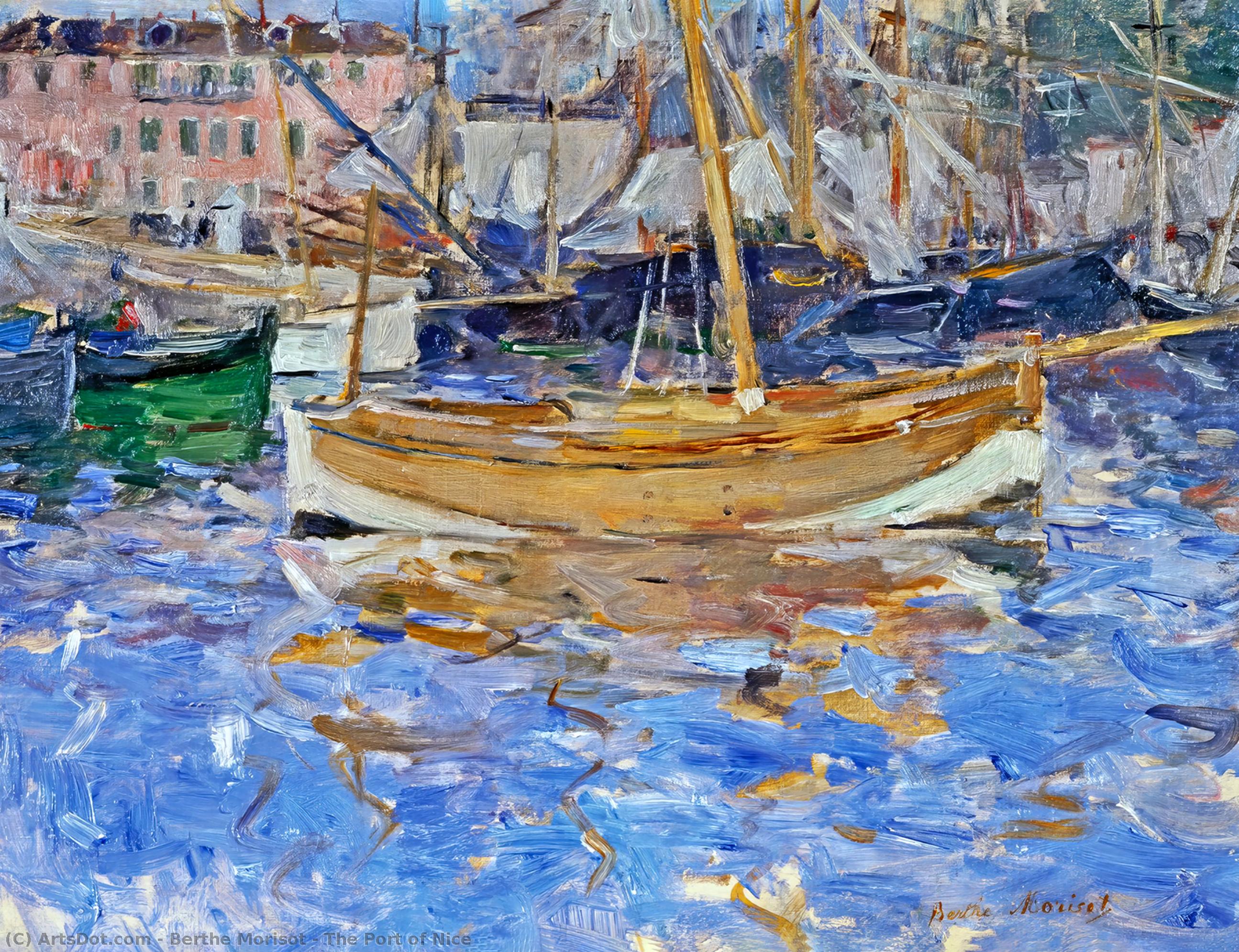
The Port of Nice
 Oil On Canvas
- WallArt
- Impressionism
 1882
1882- 19th Century
 38.0 x 46.0 cm
 Read More
Hand Made Oil Reproduction
Hand-painted oil on canvas in your size and frame, made to order by our artists. ( Buy Print Buy Image)




P118B $10

P118H $10

P118W $10

P438Z $10

P508JH $12

P508YH $12

P805H $10

P805Z $10

P919BZ $10

P919G $10

P919XJ $10

P959ZH $10

P968JZ $12

W106C $8

W218G $10

W218JH $8

W218Y $10

W307PJ $10

W316G $10

W316PJ $8

W316Y $10

W398PJ $8

W4111J $10

W500HY $15

W500JH $15

W692G $12

W849H $8

W940BG $15

W953PJ $8




Pick from our preset sizes that match the artwork's original proportions.

You may enter your own dimensions to fit a specific frame or space. If your selected size does not match the original image's proportions, we will either crop the artwork or extend the painting with additional hand-painted elements. A digital mockup will be sent for your approval before production begins.
Please note that the on-screen preview does not reflect the actual cropping or extension. Only the mockup will accurately show the final composition.
While custom sizes are available, we recommend selecting a dimension from the predefined list to preserve the original proportions.
After order, ArtsDot.com team will email client for instructions and provide a mockup preview
Worldwide Delivery () in 3/4 weeks instead of standard 5 weeks. (16 August). No compromise on quality.

Free Worldwide Express Shipping

High-Quality Linen Canvas

Full Shipping Insurance

Customs Tax Refund Guarantee

True Color Matching Guarantee

60-Day Return Policy (Defects Only)

100% Money-Back Guarantee

Bulk Discount Offer
 Glass option is only available in size under 110 CM

The Port of Nice
Reproduction Medium
Reproduction Size
-


Total Price
$ 263
Artwork Description
The Port of Nice: A Symphony in Light and Movement by Berthe Morisot
- Subject Matter: Berthe Morisot’s “The Port of Nice,” painted in 1882, isn't merely a depiction of a harbor; it’s an intimate snapshot of everyday life – the gentle bustle of a French coastal town. The canvas breathes with the atmosphere of the Mediterranean, capturing the essence of leisure and trade within the vibrant heart of Nice.
- Impressionist Technique: Executed in oil on canvas, the painting exemplifies the core tenets of Impressionism. Morisot’s masterful use of loose, visible brushstrokes creates a shimmering effect, particularly noticeable in the reflections on the water and the billowing sails of the boats. This technique wasn't about precise representation but rather about conveying an *impression* – the fleeting quality of light and movement.
- Color Palette: The color scheme is dominated by soft, pastel hues—pale yellows, blues, pinks, and whites—that evoke a sense of tranquility and warmth. Morisot’s skillful blending creates subtle gradations of tone, enhancing the painting's luminous quality and contributing to its overall harmonious feel.
A Window into the World of 1882: Historical Context
Painted during a pivotal moment in art history, “The Port of Nice” reflects the burgeoning Impressionist movement’s challenge to traditional academic painting. Berthe Morisot, alongside artists like Monet and Renoir, sought to capture modern life as it unfolded – not through grand historical narratives or mythological subjects, but through scenes of ordinary people engaged in everyday activities. The late 19th century was a time of rapid social change in France, with the rise of industrialization and urbanization, and Morisot’s work captures this shift by focusing on the evolving relationship between humanity and its environment.
The painting's setting – Nice itself – adds another layer of historical significance. By the mid-19th century, Nice had become a fashionable resort town, attracting artists, writers, and wealthy tourists from across Europe. Morisot’s depiction of the port reflects this burgeoning tourism industry and the growing importance of coastal towns as centers of leisure and commerce.
Symbolism and Emotional Impact
Beyond its technical brilliance, “The Port of Nice” resonates with a quiet emotional depth. The composition—with its focus on a single sailboat dominating the foreground—creates a sense of calm contemplation. The two figures present in the scene – likely family members enjoying a day out – add a touch of human connection and intimacy to the otherwise expansive landscape.
Morisot’s ability to capture the play of light and shadow, particularly during the fleeting moments of dawn or dusk, imbues the painting with a sense of nostalgia and serenity. It's a scene that invites viewers to pause, reflect, and appreciate the simple beauty of everyday life.
Collecting and Appreciating Morisot’s Legacy
“The Port of Nice” is more than just a beautiful artwork; it’s a significant piece of art history. Its creation helped pave the way for modern art movements like Expressionism and Fauvism, demonstrating the power of subjective perception and emotional expression in artistic representation. A reproduction of this stunning work offers an opportunity to bring a touch of Impressionist elegance into any space – perfect for collectors, interior designers seeking a calming aesthetic, or anyone captivated by the beauty of light and color.
Related Artworks

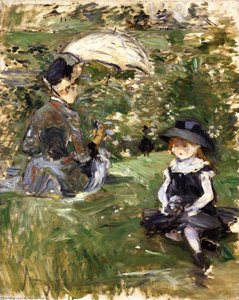
Artist Biography
A Life Immersed in Light and Intimacy
Berthe Morisot, born in Bourges, France, in 1841, emerged as a pivotal figure within the Impressionist movement, yet her story extends far beyond simply being a “female Impressionist.” To define her solely by gender diminishes the profound originality of her artistic vision and her unwavering commitment to capturing the fleeting moments of modern life. Descended from a bourgeois family with artistic lineage – she was related to the celebrated Rococo painter Jean-Honoré Fragonard – Morisot received an education uncommon for women of her era, one that nurtured her innate talent and fostered a lifelong dedication to painting. Early lessons with Geoffroy-Alphonse Chocarne and Joseph Guichard provided foundational skills, but it was exposure to the masterpieces within the Louvre, copying works by the Old Masters, that truly ignited her artistic sensibility. This period of rigorous training laid the groundwork for her later explorations of light, color, and form. The influence of Jean-Baptiste-Camille Corot proved particularly significant; his emphasis on *plein air* painting – working outdoors directly from nature – became a cornerstone of Morisot’s approach, allowing her to capture the ephemeral qualities of light and atmosphere with remarkable sensitivity.Navigating the Impressionist Circle
Morisot's artistic journey intertwined closely with that of Édouard Manet, whom she met in 1864. Their relationship was one of mutual respect and intellectual exchange, with Manet serving as a mentor and friend. He painted her numerous times, immortalizing her presence within his own evolving style. However, Morisot wasn’t merely a subject; she actively participated in the burgeoning Impressionist movement, becoming a founding member alongside Monet, Degas, Renoir, and Pissarro. In 1874, she boldly exhibited with this group of “rejected” artists, defying the conservative standards of the official Salon. This first Impressionist exhibition marked a turning point in art history, challenging traditional academic conventions and paving the way for new modes of artistic expression. Morisot participated in nearly all subsequent Impressionist exhibitions, consistently showcasing her unique perspective and solidifying her position within the avant-garde. Her work, often depicting intimate scenes of domestic life – women reading, mothers with children, leisurely moments in gardens – offered a distinctly feminine gaze, challenging prevailing societal norms and expanding the scope of acceptable subject matter for female artists.A Distinctive Artistic Voice
What sets Morisot apart is not simply *what* she painted, but *how* she painted it. Her brushwork is characterized by its delicate fluidity, a lightness of touch that conveys an impression of spontaneity and immediacy. She masterfully employed broken color – applying small strokes of pure pigment side-by-side to create a shimmering effect of light and atmosphere. Unlike some of her Impressionist colleagues who focused on grand landscapes or bustling cityscapes, Morisot often chose intimate interior scenes and portraits, exploring the nuances of human relationships and the quiet beauty of everyday life. Her palette is typically soft and harmonious, favoring pastel shades and subtle gradations of color. This isn’t to say her work lacks strength; rather, it possesses a refined elegance and emotional depth that resonates with viewers even today. Critics like Gustave Geffroy recognized this unique quality, hailing her as one of “les trois grandes dames” of Impressionism – alongside Marie Bracquemond and Mary Cassatt – acknowledging her significant contribution to the movement.Legacy and Lasting Influence
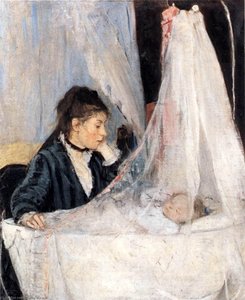
Berthe Morisot’s life was tragically cut short in 1895, but her artistic legacy endures. Married to Eugène Manet, brother of Édouard, she navigated a world that often underestimated female artists, yet she persevered with unwavering determination. She exhibited under her full maiden name – a subtle act of independence and self-assertion – and consistently challenged conventional expectations. Her work continues to captivate audiences with its delicate beauty, emotional honesty, and innovative technique. Morisot’s influence extends beyond the realm of Impressionism; she paved the way for future generations of female artists, demonstrating that women could achieve artistic excellence and contribute meaningfully to the evolution of art history. Today, her paintings are held in prestigious collections around the world, serving as a testament to her enduring talent and her pivotal role in shaping modern art. Woman in the Green Dress, The Cradle, and Summer’s Day remain iconic examples of her mastery, inviting viewers into a world of light, intimacy, and quiet contemplation.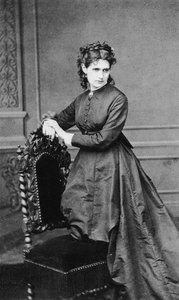
Berthe Morisot
1841 - 1895 , France
Quick Facts
- Artistic Movement Or Style: Impressionism
- Artists Or Movements Influenced By This Artist: ['Impressionism']
- Artists Who Influenced This Artist:
- Corot
- Manet
- Date Of Birth: January 14, 1841
- Date Of Death: March 2, 1895
- Full Name: Berthe Morisot
- Nationality: French
- Notable Artworks:
- Woman in the green dress
- The Cradle
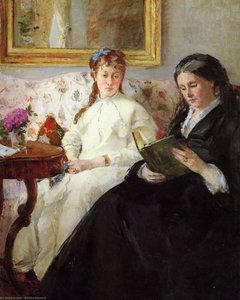
- La Lecture
- Place Of Birth: Bourges, France
Related Articles

Giclée Prints: Archival Quality & Aesthetic Nuances for the Discerning Collector
Explore the world of giclée prints with ArtsDot. Learn about archival quality, aesthetic nuances & investment potential. Expert guidance for discerning art collectors seeking museum-quality reproductions and lasting value.

The Enduring Legacy of Fine Art Prints: Technique, History & Aesthetic Impact
Explore the rich history & techniques of fine art prints. Discover investment potential, assess authenticity, and learn how to preserve your collection with expert guidance. Trusted insights for discerning collectors.
Impressionistic Realism's Finest: 10 Masterpieces for Your Home | ArtsDot
Journey through Impressionistic Realism with 10 iconic masterpieces by Monet, Renoir & Van Gogh. Explore art history, techniques & find museum-quality reproductions for your home at ArtsDot.com. Discover all masterpieces online!

Echoes of Time: Exploring the Enduring Appeal & Historical Context of Vintage Art Prints
Explore the captivating world of vintage art prints! Discover their history, collecting tips & enduring appeal. Expert insights on chromolithography and building a legacy collection with ArtsDot.
Impressionist Landscapes: 10 Masterpieces for Your Home | ArtsDot
Journey through 10 iconic Impressionist landscapes by Monet, Renoir & Degas. Explore the history, techniques & emotions behind these masterpieces. Find museum-quality reproductions for your home at ArtsDot.com – where art comes to life! Discover all masterpieces on ArtsDot.com