

 Send
Send Share
Share
 Details

 Download
 Similars
 Diaporama
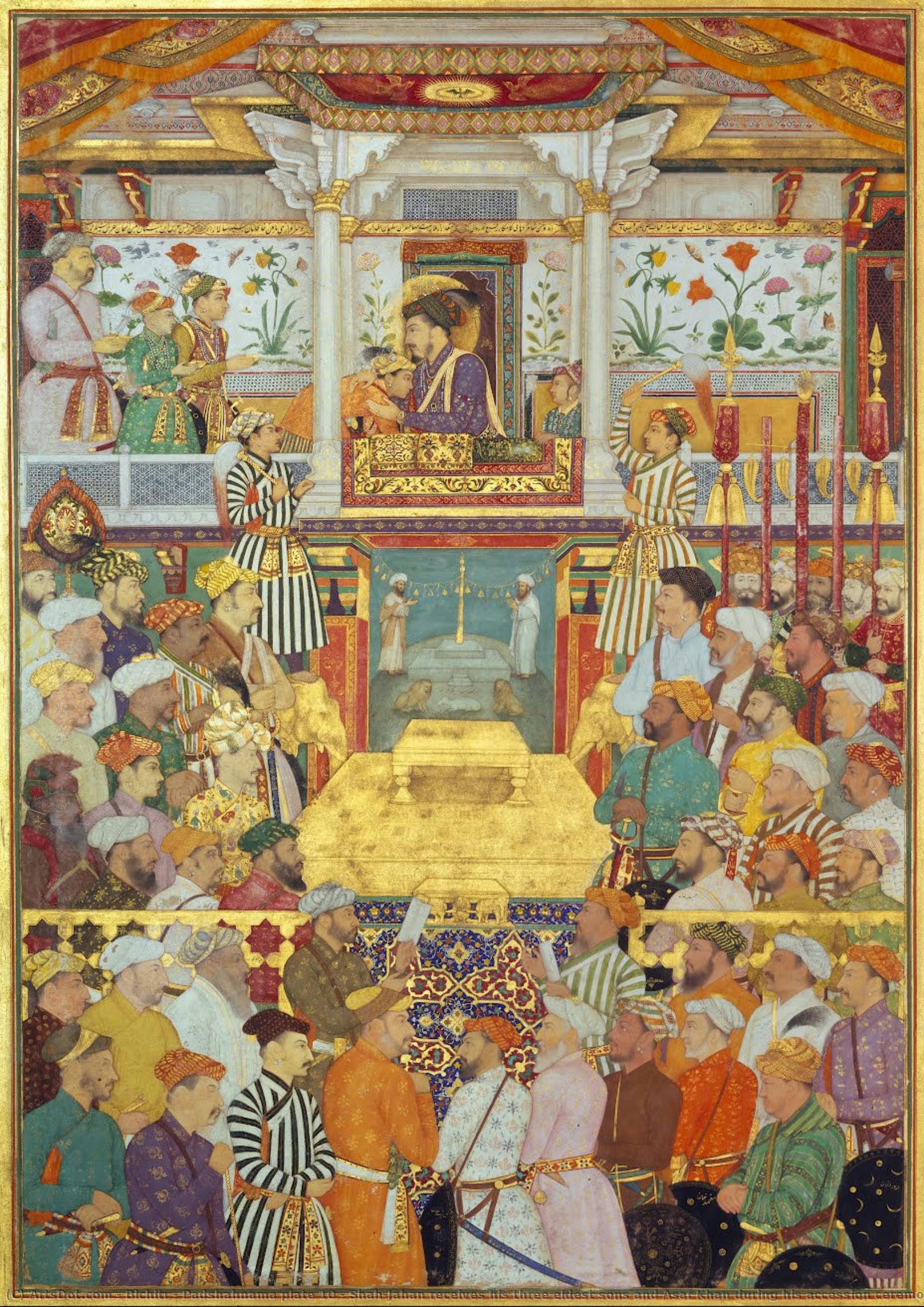
Padshahnama plate 10 : Shah-Jahan receives his three eldest sons and Asaf Khan during his accession ceremonies (8 March 1628)


 Read More
Purchase a high-resolution, enhanced digital image, far superior to the online preview.
Each file is meticulously prepared by our in-house specialists using advanced tools and expert manual retouching. We ensure every image has exceptional clarity, precise color accuracy, and fine detail.
The final file is delivered via email within 72 hours, optimized for immediate use in professional, editorial, and print environments. This is the same quality trusted by top-tier design studios, publishers, and galleries.
Digital Image
Download a high-resolution file for personal display, printing, and creative projects. ( Buy Print Buy Hand Made Painting)
Included in Every Digital Image Order
Expert Digital Delivery, Guaranteed
When you choose ArtsDot.com, you're not just getting an image - you're receiving a professionally enhanced digital artwork, crafted with precision and backed by a satisfaction guarantee. Here's everything that comes with your order, automatically:

Fast Email Delivery
Your high-resolution digital image file will be emailed to you within 72 hours of ordering - ready for immediate use.

AI-Enhanced Digital File
Your artwork is professionally optimized using advanced AI tools and manual editing, ensuring maximum detail, clarity, and color accuracy.

Free Lifetime Re-Delivery
Accidentally deleted or lost your file? No worries - we'll resend it to you anytime, free of charge.

No Import Fees - Ever
Enjoy your artwork instantly with zero customs, duties, or delivery fees - digital downloads are always tax-free.

Color Accuracy Guarantee
We ensure your digital image reflects the original colors as closely as possible using professional tools and color management.

60-Day Satisfaction Guarantee
If you're not satisfied with your digital image, we'll revise it or refund 100% within 60 days - no questions asked.

100% Money-Back Guarantee
Not satisfied? Get a full refund within 60 days of receiving your digital file - no questions asked.

Bulk Order Discounts
Buy 3 images, save 10% - Buy 5, save 15% - Buy 10+, save 20%. Great for creative projects, galleries, and agencies.
Collectible Description
A Royal Homecoming: Bichitr’s Padshahnama Plate 10
The Mughal Emperor Shah Jahan’s accession ceremony in March 1628—a moment fraught with political intrigue and familial reconciliation—is immortalized in Bichitr’s “Padshahnama plate 10,” a breathtaking miniature painting housed within the Royal Collection Trust. More than just a depiction of an event, this artwork embodies the grandeur of Mughal court life and speaks volumes about the complexities of dynastic succession. Executed between 1630 and 1657 during Shah Jahan’s reign, it stands as one of the finest examples of Mughal painting technique—a testament to meticulous detail and vibrant color palettes achieved through painstaking layering of gold leaf and translucent pigments.- Subject Matter: The scene captures a pivotal reunion: Shah Jahan, having endured exile following his rebellion against Jahangir, returns to Agra Fort alongside his three eldest sons – Dara Shukoh, Shah Shuja, and Aurangzeb – marking the culmination of a turbulent period.
- Composition & Symbolism: Bichitr skillfully arranges figures within a richly ornamented balcony, emphasizing hierarchy and conveying profound symbolic meaning. The central figure, Shah Jahan himself, sits regally, surrounded by his family members, reflecting the emperor’s authority and piety. Two horses flank the scene, symbolizing power and prestige—one positioned near the center, representing Shah Jahan's dominion, and another on the right, signifying auspiciousness and divine favor.
- Historical Context: This plate belongs to a larger chronicle documenting Shah Jahan’s reign—a period marked by both artistic flourishing and political instability. It reflects the influence of Persian art traditions alongside burgeoning European styles, demonstrating the cosmopolitan spirit of Mughal patronage.
- Royal Collection Trust Significance: The painting's arrival in the Royal Collection underscores its exceptional quality and historical importance. Its provenance traces back to Asafuddawla’s acquisition in 1776 and subsequent presentation to George III in 1797, cementing its place within Britain’s artistic heritage.
Related Artworks


Artist Biography
Bichitr: A Mughal Master of Vibrant Detail
Early Life and Training
- Bichitr was an Indian painter active during the Mughal period. His origins are somewhat obscure, with details about his early life remaining largely undocumented.
- It is believed he was born in India during the 16th century and likely received training from his father or another experienced artist – a common practice at the time.
- His earliest known work dates to around 1615, indicating he was already a mature artist by that point. He remained active possibly until 1660.
Patronage and Artistic Context
- Bichitr enjoyed the patronage of two significant Mughal emperors: Jahangir and Shah Jahan. This imperial support was crucial for his artistic development and allowed him to create some of his most celebrated works.
- The Mughal court fostered a rich artistic environment, blending Persian, Indian, and increasingly, European influences. Bichitr thrived within this dynamic context.
- Mughal painting during this period was renowned for its meticulous detail, vibrant colors, and sophisticated compositions, often depicting scenes from court life, historical events, and literary narratives.
Artistic Style and Influences
- Bichitr’s style is distinguished by its exquisite craftsmanship, faultless technique, and a majestic formality. Britannica notes his court style may have been the most brilliant of all Mughal painters.
- He skillfully integrated Indian and Persian artistic traditions, creating a unique visual language.
- European influences are also evident in his work. Bichitr incorporated elements such as figures with shadows, Western perspective techniques, and even the occasional *putto* (cherubic figure) into his compositions.
- His paintings often feature intricate details, vibrant color palettes, and a refined sense of composition.
Notable Works
- Manohar: scenes from the childhood Krishna, from a *Sur Sagar* manuscript (housed in the Toledo Museum of Art), is one of his most celebrated works. This intricate drawing showcases his mastery of blending traditional Indian styles with European influences.
- He also created numerous portraits of Mughal emperors and nobles, demonstrating his skill in capturing likenesses and conveying status through artistic representation.
- His contributions to illuminated manuscripts were significant, adding visual splendor to literary texts.
Legacy and Historical Significance
- Bichitr’s legacy as a Mughal painter endures today. His unique artistic style has influenced generations of Indian artists.
- His work is admired for its beauty, craftsmanship, and the harmonious blend of diverse cultural influences.
- As a prominent figure in the Mughal art movement, Bichitr’s contributions to Indian art are undeniable. His paintings provide valuable insights into the artistic tastes and cultural values of the Mughal court.
- His works can be found in prestigious museums and collections worldwide, including the Victoria and Albert Museum in London.
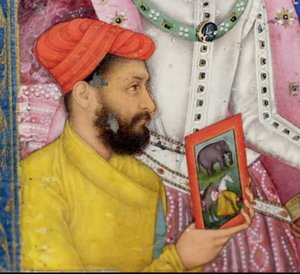
Bichitr
1660 , India
Quick Facts
- Birth Place: New Delhi, India
- Death Date: 1660
- Influenced: Later Indian artists
- Influenced By: European art
- Movement: Mughal painting
- Name: Bichitr
- Nationality: Indian
- Notable Works: Manohar: scenes from the childhood krishna

