 Preview
 Send
Send Share
Share
 Details

 Download
 Similars
 X-Ray
X-Ray Diaporama
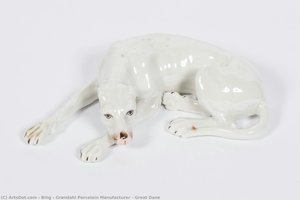
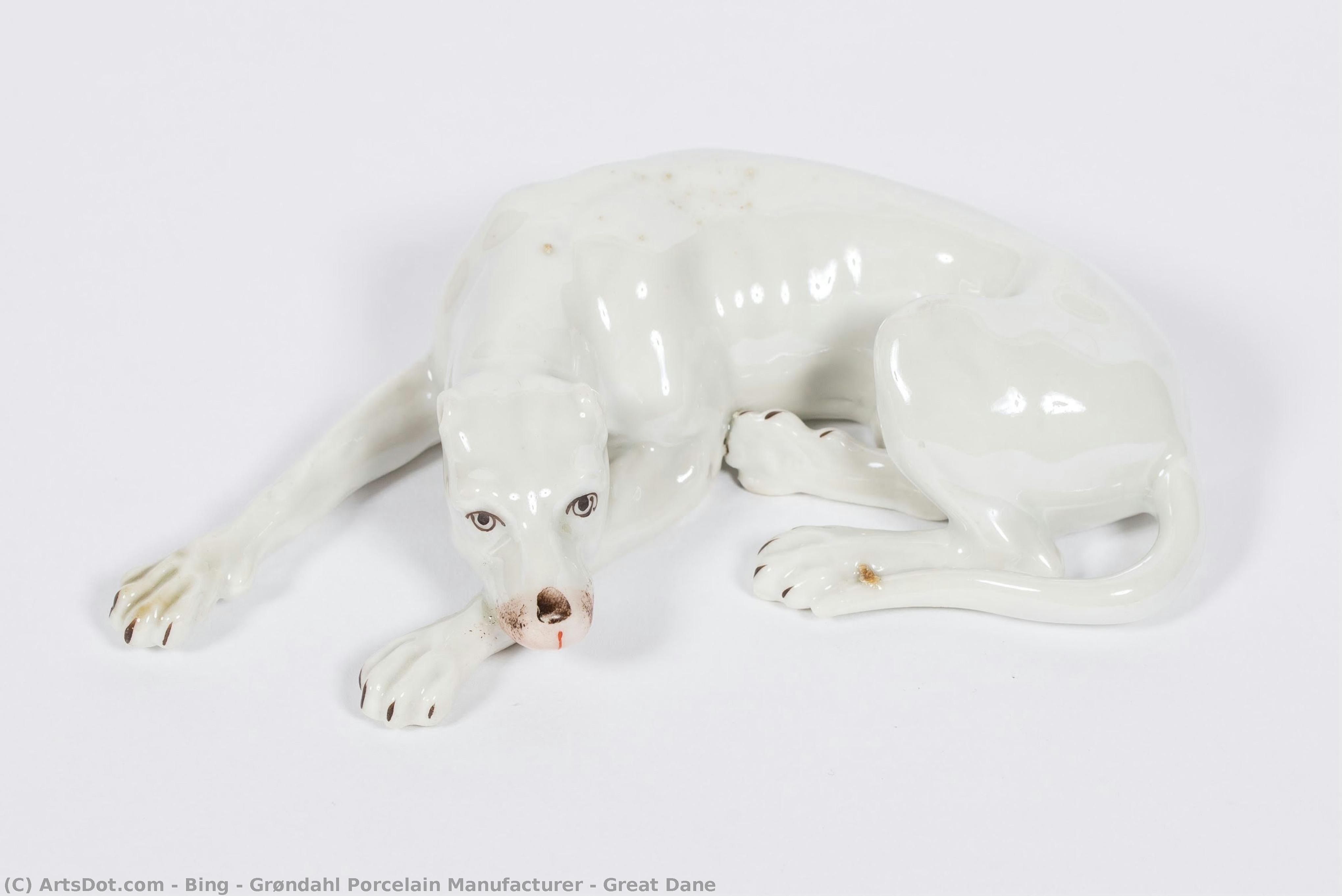
Great Dane

 Read More
Hand Made Oil Reproduction
Hand-painted oil on canvas in your size and frame, made to order by our artists. ( Buy Print Buy Image)




































Pick from our preset sizes that match the artwork's original proportions.

You may enter your own dimensions to fit a specific frame or space. If your selected size does not match the original image's proportions, we will either crop the artwork or extend the painting with additional hand-painted elements. A digital mockup will be sent for your approval before production begins.
Please note that the on-screen preview does not reflect the actual cropping or extension. Only the mockup will accurately show the final composition.
While custom sizes are available, we recommend selecting a dimension from the predefined list to preserve the original proportions.
After order, ArtsDot.com team will email client for instructions and provide a mockup preview
Worldwide Delivery () in 3/4 weeks instead of standard 5 weeks. (26 August). No compromise on quality.

Free Worldwide Express Shipping

High-Quality Linen Canvas

Full Shipping Insurance

Customs Tax Refund Guarantee

True Color Matching Guarantee

60-Day Return Policy (Defects Only)

100% Money-Back Guarantee

Bulk Discount Offer
 Glass option is only available in size under 110 CM

Great Dane
Reproduction Medium
Reproduction Size
-


Total Price
$ 263
Related Artworks

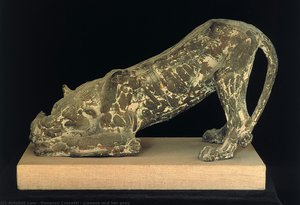
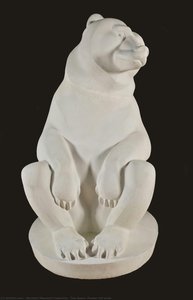

Artist Biography
The Enduring Legacy of Bing & Grøndahl Porcelain
The story of Bing & Grøndahl is more than a tale of porcelain; it’s a chronicle of Danish national identity, artistic innovation, and the enduring power of craftsmanship. Founded in 1853 by Johan Hendrik Brøndsted-Jørgensen, a sculptor, and Frederik William Ludvig Bing, a merchant, the Copenhagen workshop quickly rose to prominence as Denmark's first porcelain factory dedicated to producing art porcelain rather than simply utilitarian wares. This distinction was crucial; from its inception, Bing & Grøndahl aimed not just to *make* objects but to create works of beauty that reflected Danish culture and aesthetics. Brøndsted-Jørgensen’s artistic vision, coupled with Bing's astute business acumen, laid the foundation for a company that would become synonymous with quality and elegance. The early years were marked by a deliberate focus on historical motifs and scenes from Danish folklore, appealing to a growing sense of national pride in the mid-19th century.Early Successes and Artistic Development
The factory’s initial success hinged upon its ability to replicate popular porcelain styles – particularly those emanating from France and Germany – but with a distinctly Danish sensibility. However, Bing & Grøndahl quickly moved beyond imitation. Brøndsted-Jørgensen's designs, often depicting romanticized rural life or scenes from Hans Christian Andersen’s fairy tales, proved immensely popular. The introduction of the iconic blue full-lace mark in 1862 became a symbol of authenticity and quality, instantly recognizable to collectors. This period also saw the development of innovative techniques in underglaze painting, allowing for intricate details and vibrant colors. The factory actively sought out talented artists, fostering an environment where creativity flourished. The emphasis on hand-painting ensured that each piece was unique, elevating Bing & Grøndahl porcelain beyond mere mass production to a level of artistic expression. This commitment to artistry became the hallmark of the company’s reputation. The factory's early patronage from the Danish royal family further solidified its position as a leading cultural institution.Themes and Symbolism in Bing & Grøndahl Porcelain
Throughout its history, Bing & Grøndahl porcelain consistently explored themes of national identity, domesticity, and idyllic rural life. Scenes from everyday Danish life – farmers working the land, families gathered around a hearth, children playing – were frequently depicted, often imbued with a romanticized nostalgia for a simpler past. The influence of Hans Christian Andersen’s fairy tales was particularly profound, with numerous figurines and decorative pieces based on his beloved stories. These depictions weren't merely illustrative; they served as powerful symbols of Danish values: hard work, family unity, and a deep connection to the land. The porcelain also reflected broader artistic trends of the time, including Romanticism and Realism. Later designs incorporated elements of Art Nouveau and later modernist styles, demonstrating the factory’s ability to adapt and innovate while remaining true to its core aesthetic principles. The use of specific colors – particularly the signature blue – held symbolic weight, representing loyalty, tradition, and Danish heritage.Major Achievements and Lasting Influence
Bing & Grøndahl achieved international acclaim throughout the late 19th and early 20th centuries, exhibiting at numerous world fairs and garnering awards for its exceptional craftsmanship. The factory’s Christmas plates, introduced in 1895, became a beloved annual tradition in Danish homes – and later worldwide – each plate commemorating significant events or depicting scenes of winter life. The “Mother” figurines, designed by Gunnar Nylund, are particularly celebrated for their delicate beauty and emotional resonance.- The factory’s commitment to hand-painting ensured a consistently high level of quality.
- The iconic blue full-lace mark became synonymous with Danish porcelain.
- The annual Christmas plates established a lasting cultural tradition.
Quick Facts
- Artistic Movement Or Style: Porcelain Manufacturing
- Date Of Death: Living
- Full Name: Bing & Grøndahl Porcelain Manufacturer