

 Preview
 Send
Send Share
Share
 Details

 Download
 Similars
 X-Ray
X-Ray Diaporama
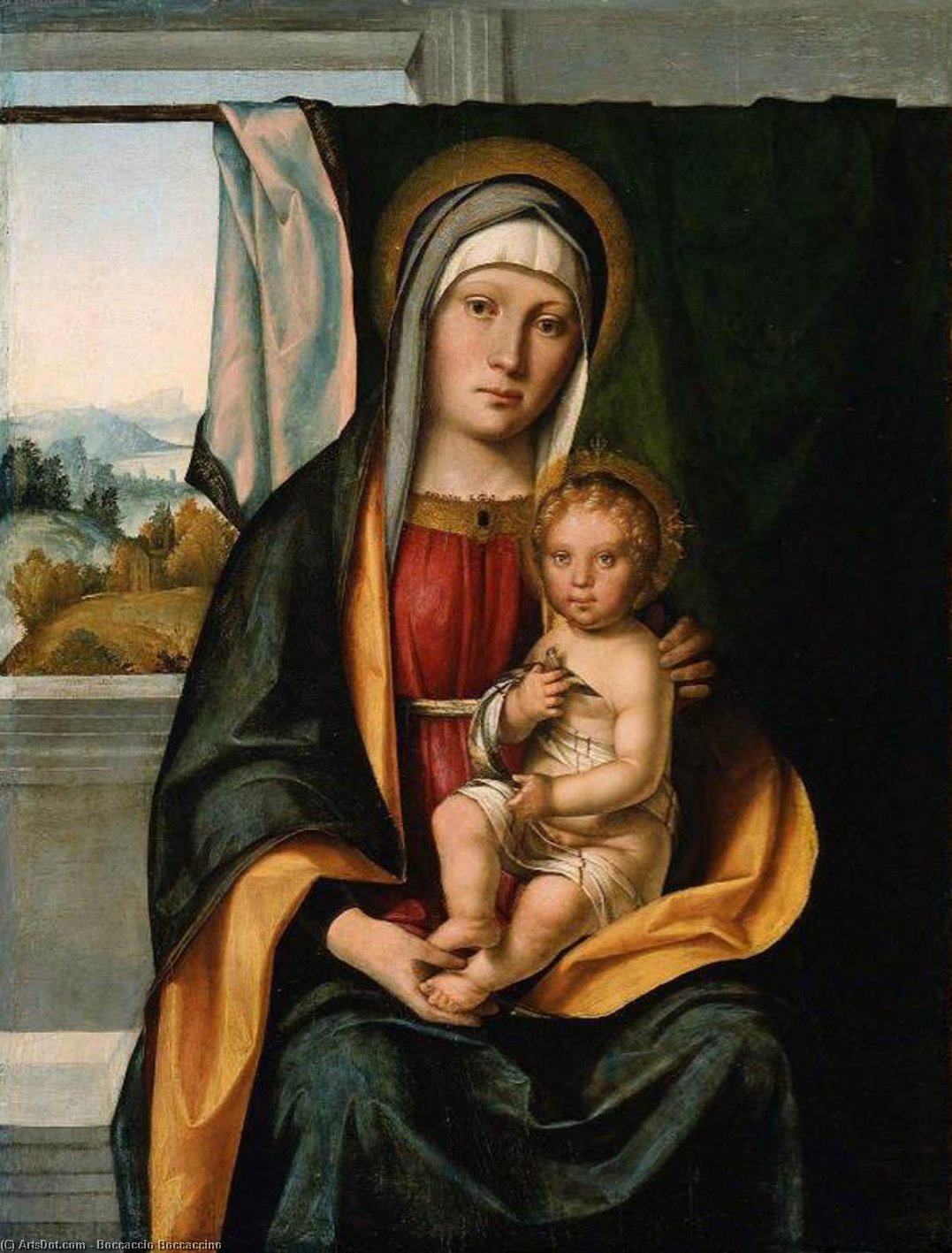
Virgin and Child
 Oil On Canvas
- WallArt
- Early Renaissance
 1500
1500- Renaissance
 81.0 x 62.0 cm
 Museum of Fine Arts
 Read More
Purchase a high-resolution, enhanced digital image, far superior to the online preview.
Each file is meticulously prepared by our in-house specialists using advanced tools and expert manual retouching. We ensure every image has exceptional clarity, precise color accuracy, and fine detail.
The final file is delivered via email within 72 hours, optimized for immediate use in professional, editorial, and print environments. This is the same quality trusted by top-tier design studios, publishers, and galleries.
Digital Image
Download a high-resolution file for personal display, printing, and creative projects. ( Buy Print Buy Hand Made Painting)
Included in Every Digital Image Order
Expert Digital Delivery, Guaranteed
When you choose ArtsDot.com, you're not just getting an image - you're receiving a professionally enhanced digital artwork, crafted with precision and backed by a satisfaction guarantee. Here's everything that comes with your order, automatically:

Fast Email Delivery
Your high-resolution digital image file will be emailed to you within 72 hours of ordering - ready for immediate use.

AI-Enhanced Digital File
Your artwork is professionally optimized using advanced AI tools and manual editing, ensuring maximum detail, clarity, and color accuracy.

Free Lifetime Re-Delivery
Accidentally deleted or lost your file? No worries - we'll resend it to you anytime, free of charge.

No Import Fees - Ever
Enjoy your artwork instantly with zero customs, duties, or delivery fees - digital downloads are always tax-free.

Color Accuracy Guarantee
We ensure your digital image reflects the original colors as closely as possible using professional tools and color management.

60-Day Satisfaction Guarantee
If you're not satisfied with your digital image, we'll revise it or refund 100% within 60 days - no questions asked.

100% Money-Back Guarantee
Not satisfied? Get a full refund within 60 days of receiving your digital file - no questions asked.

Bulk Order Discounts
Buy 3 images, save 10% - Buy 5, save 15% - Buy 10+, save 20%. Great for creative projects, galleries, and agencies.
Related Artworks
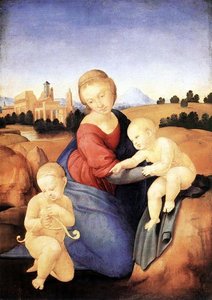
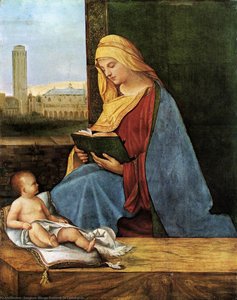
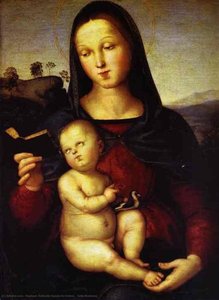
Artist Biography
The Luminescent Legacy of Boccaccio Boccaccino
In the golden twilight of the Quattrocento, a period defined by the profound rebirth of classical ideals, Boccaccio Boccaccino emerged as a vital architect of the Emilian school's visual language. Born near Ferrara around 1460, Boccaccino’s life was woven into the very fabric of the Italian Renaissance, a time when the boundaries between sculpture and painting were fluid and the pursuit of naturalism was an all-consuming passion. While the historical record offers only fragmented glimpses into his early years, the sheer majesty of his surviving works allows us to reconstruct a narrative of immense talent and profound influence. His journey from the humanist traditions of Ferrara to the grander stages of Cremona and Venice represents more than just a personal career; it mirrors the expansion of an artistic movement that sought to harmonize the divine with the earthly through light, color, and meticulous detail.
The foundations of Boccaccino’s aesthetic were likely laid under the tutelage of Domenico Panetti, a master whose devotion to humanist precision instilled in the young artist a reverence for classical form. This early training provided the essential scaffolding upon which Boccaccino would build his later, more complex compositions. As he moved through the artistic landscapes of Northern Italy, his style began to coalesce into something uniquely distinctive—a blend of the delicate grace found in Venetian works and the structural rigor characteristic of the Emilian tradition. His ability to manipulate trompe l'oeil effects and master atmospheric perspective suggests an artist who was not merely a decorator of walls, but a storyteller capable of manipulating space to evoke deep spiritual resonance.
A Master of the Cremonese Fresco
The true zenith of Boccaccino’s career is inextricably linked to the Cathedral of Cremona. Between 1506 and 1519, he became a central figure in a prolific workshop alongside luminaries such as Pietro Parmeggiani and Andrea Altobello Melone. This period was marked by an extraordinary collaborative energy that transformed the cathedral into a sanctuary of Renaissance innovation. His frescoes are not merely religious illustrations; they are immersive environments where the boundaries between the viewer's world and the sacred realm begin to dissolve. Through the use of soft, luminous transitions and a sophisticated understanding of light, Boccaccino achieved a sense of sfumato that brought a breathing, organic quality to his figures.
His mastery extended far beyond the monumental scale of fresco painting into the intimate realm of devotional works. The artist possessed a singular gift for rendering the Virgin and Child with a tenderness that felt both timeless and profoundly human. In these compositions, one finds:
- A harmonious balance between landscape and figure, where nature serves as a silent participant in the divine narrative.
- An exquisite attention to the textures of fabric and the subtle glow of skin, achieved through layered glazes and careful pigment selection.
- The integration of classical motifs that reflect the humanist intellectual climate of his era.
Historical Significance and Enduring Influence
Though the passage of centuries has occasionally obscured the specific biographical milestones of Boccaccio Boccaccino, his impact on the trajectory of Italian art remains undeniable. As documented by Giorgio Vasari in his seminal Lives of Eminent Painters, Sculptors, and Architects, Boccaccino was a figure of significant repute whose technical prowess commanded respect across regional borders. His workshop served as a crucible for the next generation of artists, most notably influencing the development of Garofalo, who would go on to carry the torch of the Emilian style into the High Renaissance.
The historical significance of Boccaccino lies in his role as a bridge between the meticulous detail of the early Renaissance and the more fluid, emotive grandeur of the later period. He helped establish Cremona as a vital center of artistic production, proving that the periphery of the Italian peninsula could produce art of equal complexity and spiritual depth to the great centers of Florence or Rome. Today, when we gaze upon the remnants of his frescoes or the quiet dignity of his Madonnas, we are witnessing the enduring triumph of an artist who mastered the art of making the eternal visible.
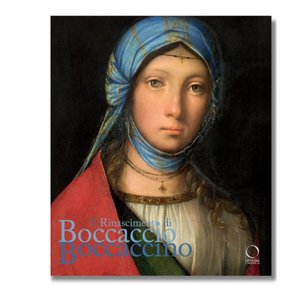
Boccaccio Boccaccino
1460 - 1525 , Italy
Quick Facts
- Artistic Movement Or Style: Early Italian Renaissance; Emilian School
- Artists Or Movements Influenced By This Artist: ['Garofalo']
- Artists Who Influenced This Artist: ['Domenico Panetti']
- Date Of Birth: c. 1460
- Date Of Death: c. 1525
- Full Name: Boccaccio Boccaccino
- Nationality: Italian
- Notable Artworks:
- Virgin and Child
- Marriage of Saint Catherine
- Holy Family
- Place Of Birth: Ferrara, Italy

