

 Preview
 Send
Send Share
Share
 Details

 Download
 Similars
 X-Ray
X-Ray Diaporama
Mariétou/Gabéro


 Read More
Purchase a high-resolution, enhanced digital image, far superior to the online preview.
Each file is meticulously prepared by our in-house specialists using advanced tools and expert manual retouching. We ensure every image has exceptional clarity, precise color accuracy, and fine detail.
The final file is delivered via email within 72 hours, optimized for immediate use in professional, editorial, and print environments. This is the same quality trusted by top-tier design studios, publishers, and galleries.
Digital Image
Download a high-resolution file for personal display, printing, and creative projects. ( Buy Print Buy Hand Made Painting)
Included in Every Digital Image Order
Expert Digital Delivery, Guaranteed
When you choose ArtsDot.com, you're not just getting an image - you're receiving a professionally enhanced digital artwork, crafted with precision and backed by a satisfaction guarantee. Here's everything that comes with your order, automatically:

Fast Email Delivery
Your high-resolution digital image file will be emailed to you within 72 hours of ordering - ready for immediate use.

AI-Enhanced Digital File
Your artwork is professionally optimized using advanced AI tools and manual editing, ensuring maximum detail, clarity, and color accuracy.

Free Lifetime Re-Delivery
Accidentally deleted or lost your file? No worries - we'll resend it to you anytime, free of charge.

No Import Fees - Ever
Enjoy your artwork instantly with zero customs, duties, or delivery fees - digital downloads are always tax-free.

Color Accuracy Guarantee
We ensure your digital image reflects the original colors as closely as possible using professional tools and color management.

60-Day Satisfaction Guarantee
If you're not satisfied with your digital image, we'll revise it or refund 100% within 60 days - no questions asked.

100% Money-Back Guarantee
Not satisfied? Get a full refund within 60 days of receiving your digital file - no questions asked.

Bulk Order Discounts
Buy 3 images, save 10% - Buy 5, save 15% - Buy 10+, save 20%. Great for creative projects, galleries, and agencies.
Collectible Description
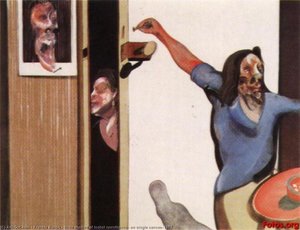
Mariétou/Gabéro: A Symphony of Rural Life
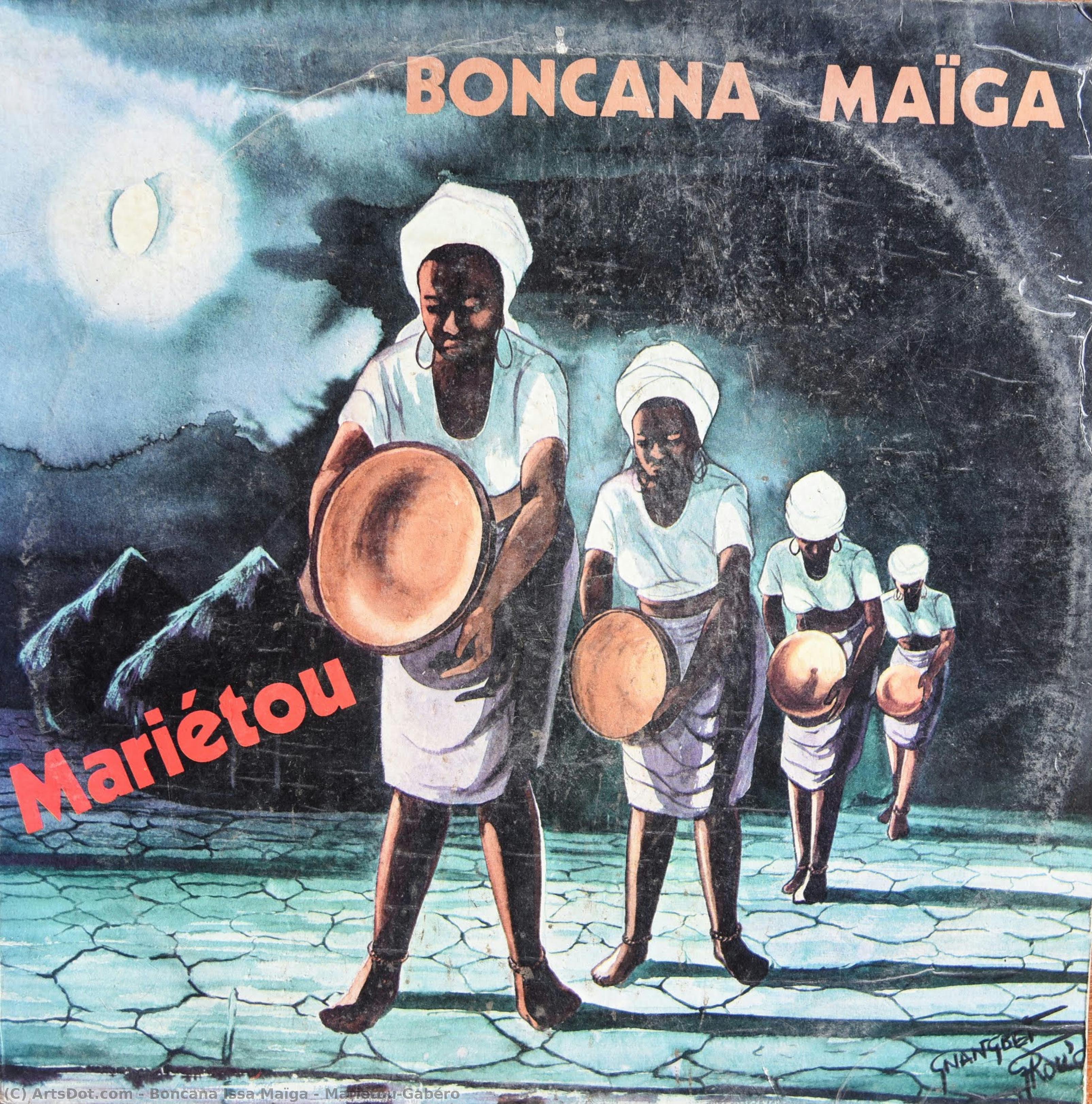
Boncana Issa Maïga’s “Mariétou/Gabéro,” painted in 1984, is more than just a depiction of three women; it's a vibrant embodiment of Malian culture and the enduring spirit of community. The scene unfolds against a backdrop of a dark, mountainous landscape – a common motif in West African art that speaks to both the physical terrain and the spiritual realm. The painting’s immediate impact lies in its composition: the women are presented with an almost theatrical grace, their postures conveying a sense of purposeful activity and quiet strength. The moon, a luminous presence in the sky, adds a layer of mystery and perhaps symbolizes fertility or guidance – elements frequently interwoven into Malian artistic traditions.
Artistic Style and Technique
- Traditional Roots, Modern Vision: Maïga’s work exemplifies a fascinating synthesis of traditional Malian art forms with influences from global musical genres. While rooted in the rich heritage of his homeland – evident in the women's attire and the overall narrative – he incorporates elements reminiscent of salsa and jazz, reflecting his own eclectic musical journey.
- Figurative Painting: The artwork is a masterful example of figurative painting, characterized by its detailed rendering of human figures and their immediate surroundings. Maïga’s skill lies in capturing not just the physical likenesses but also the emotional essence of his subjects.
- Color Palette & Texture: The use of earthy tones – browns, ochres, and muted blues – creates a sense of realism while simultaneously evoking the warmth and vibrancy of the Malian landscape. The artist’s brushwork is deliberate, with visible strokes that contribute to the painting's tactile quality.
Symbolism and Narrative Context
The three women, Mariétou and Gabéro, likely represent a familial or communal unit engaged in daily tasks – most probably related to agriculture or food preparation. The bowls they carry are not merely objects; they symbolize sustenance, abundance, and the vital role women play within their society. The act of gathering and sharing is central to the painting’s narrative, highlighting themes of cooperation, responsibility, and the interconnectedness of life. The setting itself – a mountainous landscape – suggests resilience, endurance, and a deep connection to the land—a cornerstone of Malian identity.
Historical Significance and Maïga's Legacy
Created in 1984, “Mariétou/Gabéro” offers a poignant glimpse into rural life in Mali during a period of significant social and political change. Boncana Issa Maïga’s work gained recognition for his unique blend of musical and artistic expression, contributing to the growing appreciation of Malian culture on an international stage. His legacy extends beyond painting; he was a pioneering musician who bridged cultural divides through his innovative compositions and performances. This artwork stands as a testament to his vision – a celebration of tradition, community, and the enduring power of art to capture the essence of human experience.
Related Artworks





Artist Biography
A Symphony of Color and Sound: The Legacy of Boncana Issa Maïga
The life of Boncana Issa Maïga was a profound dialogue between the rhythmic heartbeat of Mali and the expansive melodies of the global stage. Born in Gao in 1940, Maïga emerged from a landscape steeped in ancient musical traditions, yet his spirit was never confined by geography or genre. He possessed a rare, dualistic genius, moving with equal grace between the structured discipline of a composer and the expressive freedom of a painter. His journey was one of constant synthesis, where the dusty, vibrant textures of his Malian roots met the sophisticated brass flourishes of jazz and the infectious, syncopated heat of Cuban salsa.
Maïga’s artistic evolution was profoundly shaped by his transformative years in Cuba during the early 1960s. It was here that he mastered the flute and saxophone, instruments that would later serve as his visual brushes on canvas. This period of immersion in Latin American musicality instilled in him a unique sensitivity to harmonic complexity and melodic nuance. When he returned to Mali, he did not merely bring back new sounds; he brought a new way of perceiving rhythm—a rhythmic approach to color and form that would define his later visual works. His ability to translate the auditory experience into a visual language allowed him to bridge the gap between different sensory worlds.
The Architect of Melodic Traditions
In 1968, Maïga founded Les Merveilles du Mali, an ensemble that became a cornerstone for cultural preservation and innovation. Through this group, he sought to honor the ancestral sounds of his homeland while inviting contemporary influences to dance alongside them. His leadership was not limited to the stage; as a music professor and the director of the RTI orchestra, he dedicated much of his life to nurturing the next generation of Malian talent. This commitment to excellence earned him prestigious recognition, including the Kora Award for Best Arrangement of Africa, cementing his status as a master architect of African sound.
His musical collaborations with legends such as Alpha Blondy and Abdoulaye Diabaté showcased his ability to weave diverse cultural threads into a single, cohesive tapestry. This same spirit of collaboration is evident in his paintings, where the subjects often reflect a deep communal connection. In works like Mariétou/Gabéro, Maïga captures the serene essence of Malian life, using the presence of traditional figures under a lunar glow to evoke a sense of timelessness and peace. His art serves as a visual echo of his music—layered, soulful, and deeply rooted in the human experience.
A Visual Resonance of Heritage
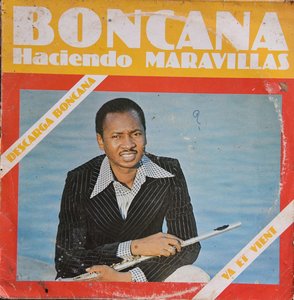
As a painter, Maïga’s technique was an extension of his musicality. He approached the canvas with the same improvisational spirit found in a jazz solo, layering colors to create depth and movement. His portraits often embody the very essence of the instruments he played; for instance, in Haciendo Maravillas, one can sense the breathy texture of a saxophone through his evocative use of light and shadow. He did not merely depict scenes; he composed them, arranging elements of tradition and modernity to create a visual harmony that resonates with the viewer.
The historical significance of Boncana Issa Maïga lies in his role as a cultural diplomat. Through his art, he proved that tradition is not a static relic of the past but a living, breathing entity capable of infinite transformation. His legacy remains a testament to the power of artistic exploration, reminding us that when we embrace the influences of the world, we do not lose our identity—we enrich it. He leaves behind a body of work that continues to sing with the vibrant, enduring spirit of Mali.
boncana issa maïga
1940 - , Mali
Quick Facts
- Artistic Movement Or Style: Fusion of traditional Malian music with salsa & jazz
- Artists Or Movements Influenced By This Artist: ['Cuban Jazz']
- Artists Who Influenced This Artist:
- Alpha Blondy
- Abdoulaye Diabaté
- Date Of Birth: 1940
- Full Name: Boncana Issa Maïga
- Nationality: Malian
- Notable Artworks:
- Haciendo Maravillas
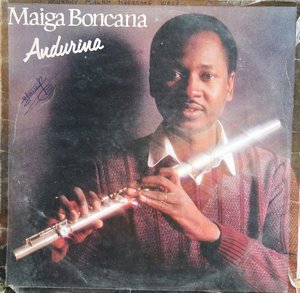
- Andurina
- Place Of Birth: Gao, Mali

