 Preview
 Send
Send Share
Share
 Details

 Download
 Similars
 X-Ray
X-Ray Diaporama
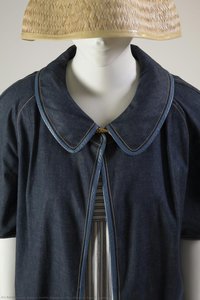
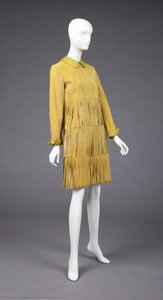
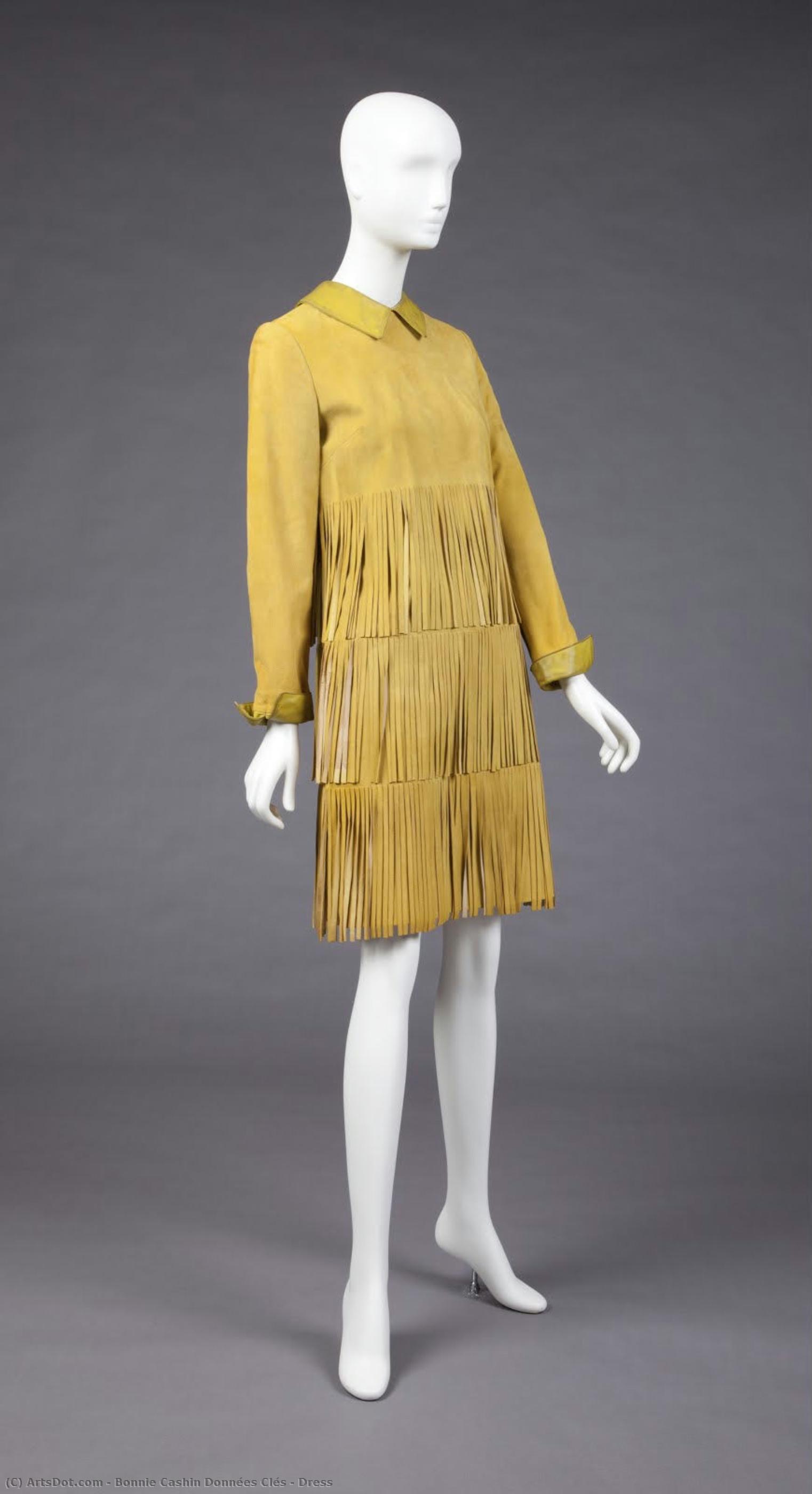
Dress

 Read More
Giclée / Art Print
Museum-quality giclée or canvas print with fast production and flexible finish options. ( Buy Hand Made Painting Buy Image)




































Pick from our preset sizes that match the artwork's original proportions.

You may enter your own dimensions to fit a specific frame or space. If your selected size does not match the original image's proportions, we will either crop the artwork or extend the image with a mirrored or solid-fill edge. A digital mockup will be sent for your approval before production begins.
Please note that the on-screen preview does not reflect the actual cropping or extension. Only the mockup will accurately show the final composition.
While custom sizes are available, we recommend selecting a dimension from the predefined list to preserve the original proportions.
Worldwide Delivery () in 2 weeks instead of standard 4/5 weeks. (24 August)

Free Worldwide Express Shipping

High-Quality Linen Canvas

Full Shipping Insurance

Customs Tax Refund Guarantee

True Color Matching Guarantee

60-Day Return Policy (Defects Only)

100% Money-Back Guarantee

Bulk Discount Offer
 Glass option is only available in size under 110 CM

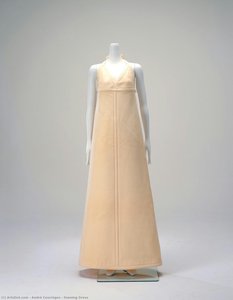
Dress
Giclée / Art Print
Reproduction Size
-


Total Price
$ 63
Related Artworks






Artist Biography
A Pioneer of Practicality: The Life and Legacy of Bonnie Cashin
Bonnie Cashin, born in Oakland, California around 1908 (sources vary on the exact year, often citing 1915), wasn’t merely a fashion designer; she was an architect of American sportswear. Her impact resonates even today, though her name isn't always as immediately recognizable as some of her contemporaries. This is perhaps fitting for a woman who prioritized function and freedom over flamboyant display, designing for the *real* lives of women rather than idealized notions of femininity. Cashin’s early life instilled in her a deep appreciation for diverse cultures and practical design. Growing up amidst the bustling communities of northern California, she absorbed influences from Asian and Latin American traditions, which would later become hallmarks of her aesthetic. Her mother, Eunice, a dressmaker herself, provided foundational sewing skills before Bonnie could even write, setting the stage for a lifelong dedication to craft. A youthful ambition to be a dancer or painter ultimately yielded to a fascination with costume design, leading to early work creating outfits for Broadway revues and Hollywood productions in the 1920s and 30s. This period honed her technical abilities and fostered an understanding of how clothing moved and interacted with the body—a crucial element that would define her later success.From Roxyettes to Ready-to-Wear: Establishing a Distinctive Style
Cashin’s career trajectory was anything but conventional. She didn't rise through the ranks of established couture houses, instead carving her own path by embracing ready-to-wear and prioritizing the needs of everyday women. Her time designing for the “Roxyettes” at New York City’s Roxy Theater in the 1930s demanded rapid production and a keen eye for practicality—skills she carried forward throughout her career. A stint with Adler & Adler, a prominent ready-to-wear manufacturer, followed, but it was after World War II that Cashin truly began to define her signature style. Returning to California, she designed costumes for 20th Century Fox, notably for the film *Anna and the King of Siam* (1946). These designs weren’t about creating glamorous illusions; they were thoughtfully constructed garments reflecting a character's personality and lifestyle—a revolutionary approach at the time. In 1949, she launched her own company, Bonnie Cashin Designs, combining business operations with her studio, allowing for complete creative control. This independence was paramount to her vision. She wasn’t interested in dictating trends; she wanted to *respond* to women's needs and desires, creating clothing that empowered them through comfort, versatility, and understated elegance.Innovation as a Core Principle: Layering, Leather, and the Modern Woman
Bonnie Cashin was an innovator at heart, constantly challenging conventional fashion norms. She is widely credited with popularizing the concept of “layered dressing” in the early 1950s—a seemingly simple idea that revolutionized women’s wardrobes by allowing for adaptable outfits suitable for varying temperatures and occasions. But her innovations extended far beyond layering. Cashin boldly incorporated materials previously considered unsuitable for high fashion, most notably leather and suede, transforming them into sophisticated separates. She wasn't afraid to experiment with industrial hardware—toggles, buckles, and zippers—using them not merely as functional elements but as design details that added a touch of ruggedness and modernity. Her designs were characterized by clean lines, natural earth tones, and a focus on comfortable silhouettes. Cashin’s clothing was designed for movement, travel, and the active lifestyle of the post-war woman. She understood that women weren't simply dressing to be admired; they were living full lives, and their clothes needed to reflect that. She famously coordinated her collections with accessories—hoods, bags, boots, belts—all designed in-house, creating complete looks that embodied her holistic vision of style.A Lasting Influence: Beyond the Runway
Bonnie Cashin’s impact extends far beyond the garments she created. She was a pioneer in licensing, collaborating with companies like Hermès and Coach to expand her reach and influence. Her partnership with Coach, beginning in 1962, transformed the company from a small maker of men's wallets into a renowned handbag brand—a testament to her ability to identify potential and elevate existing products. Cashin’s designs were frequently featured in *Harper’s Bazaar* and other leading fashion publications, solidifying her reputation as a visionary designer. She was known for her outspoken personality and unwavering commitment to originality, often criticizing the fashion industry's tendency to recycle past trends. Cashin eschewed assistants and licensing deals later in life, preferring to maintain complete control over her creative process. She retired from the fashion world in 1985, leaving behind a legacy of practical elegance and enduring style. While she may not have sought widespread fame, Bonnie Cashin’s influence can be seen in countless contemporary designs—a testament to the timelessness of her vision and the profound impact she had on American sportswear. Her work continues to inspire designers today, reminding us that true style is about more than just aesthetics; it's about empowering women through clothing that reflects their lives and celebrates their individuality.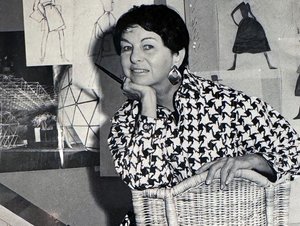
bonnie cashin données clés
1915 - 2000 , United States of America
Quick Facts
- Artistic Movement Or Style: Sportswear design
- Date Of Birth: 1915
- Date Of Death: 2000
- Full Name: Bonnie Cashin
- Nationality: American
- Place Of Birth: Oakland, USA