

 Preview
 Send
Send Share
Share
 Details

 Download
 Similars
 X-Ray
X-Ray Diaporama
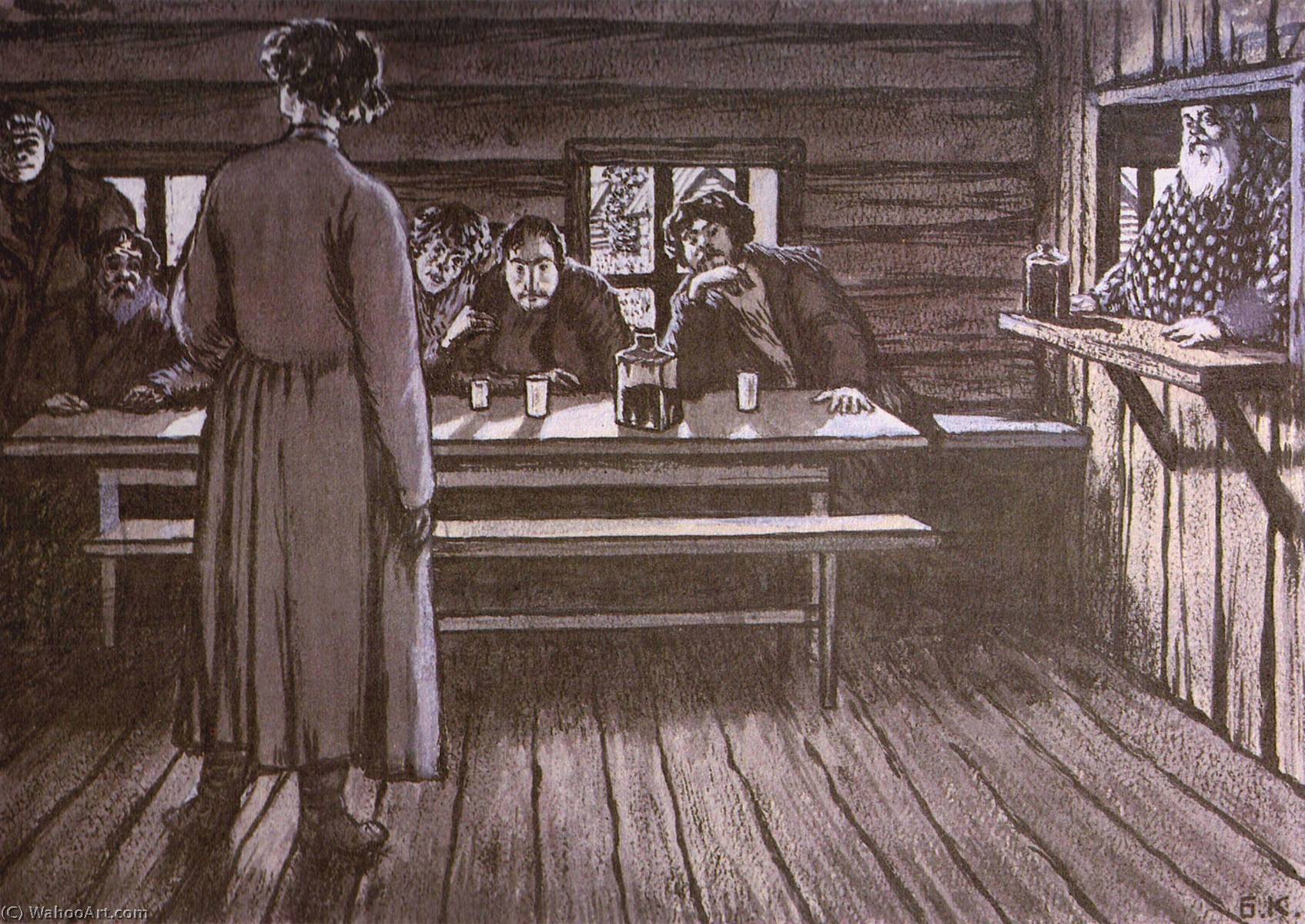
English Yakov Turok Is Singing Русский Яков Турок поёт
 Oil On Canvas
- WallArt
- Russian Realism
 1908
1908 17.0 x 25.0 cm
 Institute of Russian Literature
 Read More
Purchase a high-resolution, enhanced digital image, far superior to the online preview.
Each file is meticulously prepared by our in-house specialists using advanced tools and expert manual retouching. We ensure every image has exceptional clarity, precise color accuracy, and fine detail.
The final file is delivered via email within 72 hours, optimized for immediate use in professional, editorial, and print environments. This is the same quality trusted by top-tier design studios, publishers, and galleries.
Digital Image
Download a high-resolution file for personal display, printing, and creative projects. ( Buy Print Buy Hand Made Painting)
Included in Every Digital Image Order
Expert Digital Delivery, Guaranteed
When you choose ArtsDot.com, you're not just getting an image - you're receiving a professionally enhanced digital artwork, crafted with precision and backed by a satisfaction guarantee. Here's everything that comes with your order, automatically:

Fast Email Delivery
Your high-resolution digital image file will be emailed to you within 72 hours of ordering - ready for immediate use.

AI-Enhanced Digital File
Your artwork is professionally optimized using advanced AI tools and manual editing, ensuring maximum detail, clarity, and color accuracy.

Free Lifetime Re-Delivery
Accidentally deleted or lost your file? No worries - we'll resend it to you anytime, free of charge.

No Import Fees - Ever
Enjoy your artwork instantly with zero customs, duties, or delivery fees - digital downloads are always tax-free.

Color Accuracy Guarantee
We ensure your digital image reflects the original colors as closely as possible using professional tools and color management.

60-Day Satisfaction Guarantee
If you're not satisfied with your digital image, we'll revise it or refund 100% within 60 days - no questions asked.

100% Money-Back Guarantee
Not satisfied? Get a full refund within 60 days of receiving your digital file - no questions asked.

Bulk Order Discounts
Buy 3 images, save 10% - Buy 5, save 15% - Buy 10+, save 20%. Great for creative projects, galleries, and agencies.
Collectible Description
A Window into Russian Soul: The Enduring Charm of Boris Kustodiev's "English Yakov Turok Is Singing"
Boris Mikhailovich Kustodiev, a name synonymous with the vibrant heart of 20th-century Russia, gifted us with a body of work that transcends mere representation. His paintings aren’t simply depictions of scenes; they are windows into a specific cultural landscape – a world steeped in tradition, folklore, and an almost palpable sense of communal spirit. “English Yakov Turok Is Singing Русский Яков Турок поёт” (1908), housed within a modest 17 x 25 cm canvas, is a prime example of this artistic philosophy. It’s not merely a portrait; it's an immersion into the warmth and boisterous energy of a rural gathering, a snapshot frozen in time that speaks volumes about Russian identity.
The painting immediately draws the eye to its central figure: Yakov Turok, a legendary Cossack hero from Ukrainian folklore. Here, he’s not portrayed as a fearsome warrior but as a jovial singer, his voice carrying through the evening air. He's surrounded by a group of villagers – men and women alike – all engaged in a lively celebration. The scene unfolds within what appears to be a communal hall or tavern, its wooden walls hinting at a rustic simplicity. Notice the deliberate use of light; it’s warm and inviting, casting long shadows that add depth and drama to the composition.
A Masterclass in Realism and Symbolism
Kustodiev's style is often described as “Russian realism,” but it’s far more nuanced than a simple adherence to photographic accuracy. He possessed an extraordinary ability to capture not just the outward appearance of his subjects, but also their inner lives – their emotions, their social roles, and their connection to the land. The brushstrokes are loose and expressive, creating a sense of movement and spontaneity. He employed a technique that blended meticulous observation with a generous dose of artistic license, imbuing the scene with an almost dreamlike quality.
- Color Palette: Kustodiev’s signature use of rich, earthy tones – deep reds, browns, and ochres – dominates the canvas. These colors evoke the warmth of a hearth fire, the richness of the soil, and the enduring spirit of the Russian people.
- Composition: The arrangement of figures is carefully considered, creating a sense of dynamism and interaction. The eye is drawn from Yakov Turok to the other participants, each engaged in their own activity – drinking, singing, dancing, or simply observing.
- Details: Notice the intricate details—the embroidered clothing, the worn faces, the instruments being played. These elements contribute to a sense of authenticity and immediacy.
Historical Context and Artistic Influences
Created in 1908, “English Yakov Turok Is Singing” reflects the burgeoning artistic movement of Mir Iskusstva (World of Art) in Russia. This group sought to break away from academic traditions and embrace a more democratic approach to art, drawing inspiration from folk culture, peasant life, and the visual arts of other cultures. Kustodiev’s early training at the Imperial Academy of Arts provided him with a solid foundation in technique, but it was his exposure to Perov's social realism that truly shaped his artistic vision.
The figure of Yakov Turok himself is deeply rooted in Ukrainian folklore. He represents strength, courage, and loyalty – qualities highly valued in Russian culture. His singing serves as a unifying force, bringing the community together in celebration. The inclusion of an “English” element within the scene adds a layer of intrigue, suggesting a blending of cultures and traditions.
Emotional Resonance and Lasting Appeal
“English Yakov Turok Is Singing Русский Яков Турок поёт” is more than just a painting; it’s an emotional experience. It evokes a sense of nostalgia for a simpler time, a longing for connection, and a celebration of the enduring spirit of community. The warmth of the scene, the infectious joy of the music, and the genuine expressions on the faces of the villagers create a powerful and unforgettable image. Reproductions capture this essence beautifully, offering a tangible link to a rich cultural heritage. It’s a piece that continues to resonate with viewers today, reminding us of the importance of tradition, community, and the power of human connection.
Related Artworks
Artist Biography
A Life Immersed in Russian Spirit
Boris Mikhailovich Kustodiev, born on March 7, 1878, in Astrakhan, Russia, was an artist whose work became synonymous with a vibrant and often idealized depiction of Russian life. His early years were marked by a sense of provinciality, shaped by the financial struggles following his father’s untimely death – a professor of philosophy, history, and logic. This exposure to the lives of merchants and common folk would deeply influence the themes that permeated his art throughout his career. Kustodiev's formative education began within the theological seminary in Astrakhan, yet it was private lessons with Pavel Vlasov, a student of Vasily Perov, that truly ignited his artistic passion. This foundation led him to St. Petersburg and the prestigious Imperial Academy of Arts, where he studied under the renowned Ilya Repin from 1896 to 1903. Repin recognized Kustodiev’s talent early on, even inviting him to assist with a monumental commemorative painting, providing invaluable experience and mentorship. This period was crucial in honing his skills and establishing his commitment to capturing the essence of Russian identity.Artistic Development and Key Themes
Kustodiev's artistic journey unfolded across various genres – portraiture, genre scenes, and book illustration – but he consistently returned to portraying the richness and complexity of Russian culture. His style evolved over time, initially influenced by Realism and later embracing elements of Art Nouveau. He possessed a remarkable ability to depict not just *what* he saw, but also the atmosphere and spirit of a place or moment. The merchant class, with their traditions and customs, became a recurring motif in his work, reflecting those early impressions from his childhood. Paintings like The Merchant’s Wife, completed in 1918, stand as powerful testaments to this fascination, showcasing the dignity and character of these often-overlooked figures. Beyond portraits, Kustodiev masterfully captured scenes of everyday life – bustling marketplaces, lively festivals such as Maslenitsa (Pancake Week) depicted vividly in his 1916 painting of the same name, and serene landscapes that evoked a deep sense of national pride. His work wasn’t merely representational; it was infused with a palpable love for Russia and its people. He traveled extensively throughout Europe – France, Spain, Italy – but always felt drawn back to his homeland, believing that true artistic inspiration lay within the Russian soul.Overcoming Adversity: Art as Resilience
In 1916, Kustodiev’s life took a dramatic turn when he was struck with paraplegia. Confined to a wheelchair, his physical suffering could have easily extinguished his creative flame. However, it instead fueled an even greater artistic output and a remarkable shift in perspective. Despite the immense challenges, he continued to paint prolifically, his later works characterized by an intensified joyfulness and vibrant color palette. It’s as if, unable to physically experience life fully, he poured all of his energy into recreating its beauty on canvas. This period saw him further refine his style, embracing a more decorative approach that celebrated the simple pleasures of life. His resilience in the face of adversity became an integral part of his artistic legacy, demonstrating the power of art as a source of strength and solace. The market painting by Alexey Petrovich Bogolyubov is a testament to this enduring influence.Legacy and Historical Significance
Boris Kustodiev’s contribution to Russian art lies in his ability to capture the spirit of an era – a time of immense social change, political upheaval, and cultural awakening. He wasn't simply documenting reality; he was interpreting it through a lens of nostalgia, affection, and profound understanding. His paintings offer invaluable insights into the lives of ordinary Russians during the late 19th and early 20th centuries, preserving their traditions, customs, and values for posterity. His work resonated deeply with audiences then and continues to captivate viewers today. Kustodiev’s influence can be seen in the works of subsequent generations of Russian artists who sought to celebrate their national identity and depict the beauty of everyday life. His paintings are now held in prominent collections across Russia, including the Kramskoy Museum of Fine Arts in Voronezh and the Kharkov Museum of Art in Ukraine, ensuring that his artistic vision will continue to inspire and enrich for years to come.Notable Works & Collections
- The Merchant’s Wife (1918): A seminal work embodying Kustodiev's mastery of Russian realism and his affectionate portrayal of the merchant class.
- Fontanka (1916): A vibrant depiction of St. Petersburg life, showcasing his ability to capture atmosphere and movement.
- Pancake Tuesday/Maslenitsa (1916): A joyous celebration of a traditional Russian festival, brimming with color and energy.
- Trinity Day: Captures the lively spirit of a Russian religious celebration.
- The Attack on the Wedding Carriage: A dramatic woodcut illustrating a historical conflict with striking intensity.
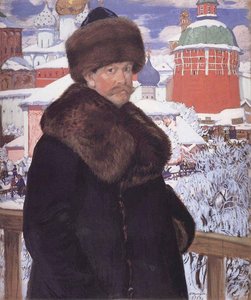
Boris Mikhailovich Kustodiev
1878 - 1927 , Russia
Quick Facts
- Artistic Movement Or Style: Realism, Art Nouveau
- Artists Who Influenced This Artist:
- Ilya Repin
- Vasily Perov
- Date Of Birth: March 7, 1878
- Date Of Death: May 28, 1927
- Full Name: Boris Mikhailovich Kustodiev
- Nationality: Russian
- Notable Artworks:
- The Merchant's Wife
- Fontanka
- Maslenitsa
- Place Of Birth: Astrakhan, Russia

