 Preview
 Send
Send Share
Share
 Details

 Download
 Similars
 X-Ray
X-Ray Diaporama
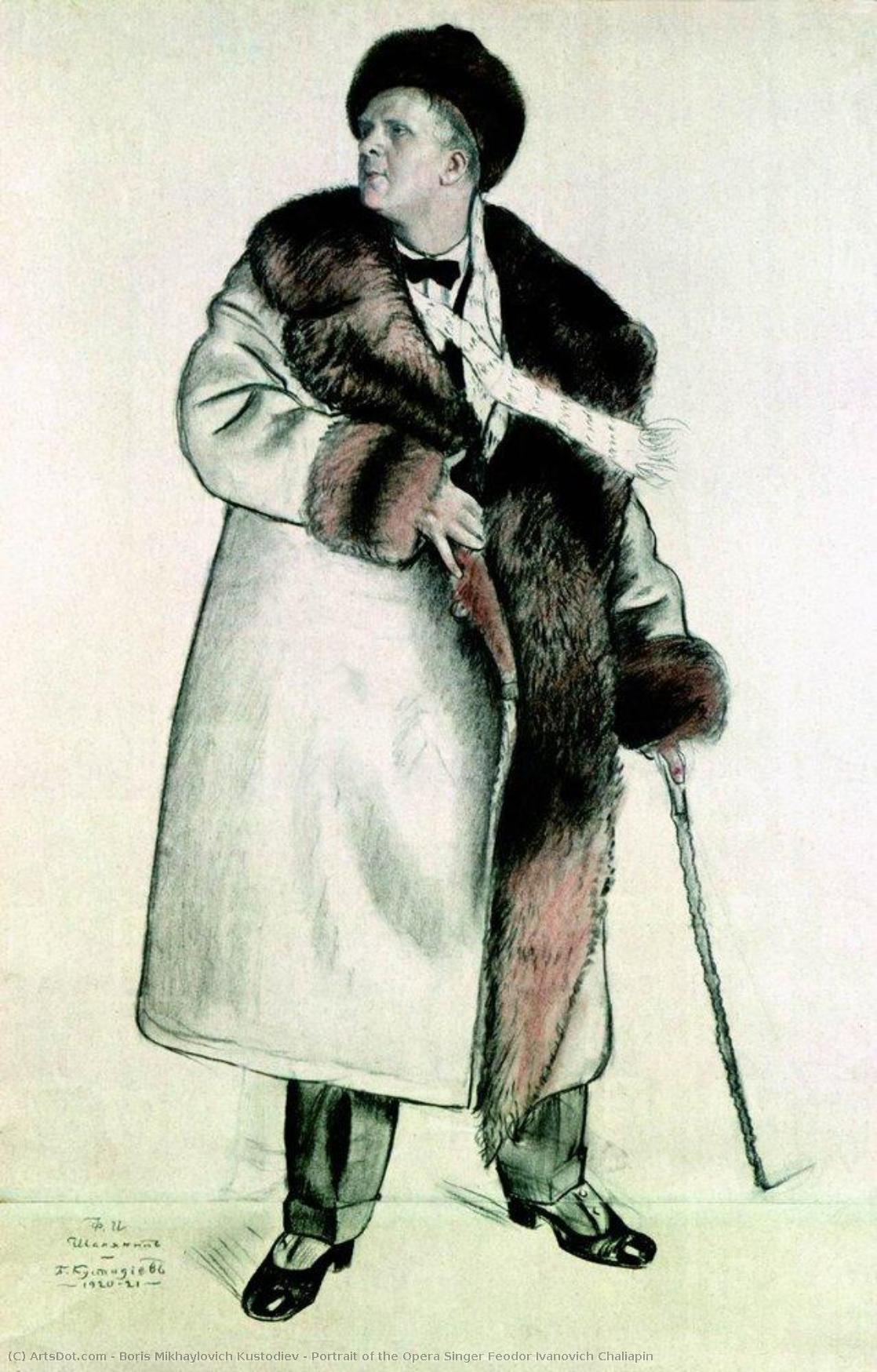
Portrait of the Opera Singer Feodor Ivanovich Chaliapin


 Read More
Purchase a high-resolution, enhanced digital image, far superior to the online preview.
Each file is meticulously prepared by our in-house specialists using advanced tools and expert manual retouching. We ensure every image has exceptional clarity, precise color accuracy, and fine detail.
The final file is delivered via email within 72 hours, optimized for immediate use in professional, editorial, and print environments. This is the same quality trusted by top-tier design studios, publishers, and galleries.
Digital Image
Download a high-resolution file for personal display, printing, and creative projects. ( Buy Print Buy Hand Made Painting)
Included in Every Digital Image Order
Expert Digital Delivery, Guaranteed
When you choose ArtsDot.com, you're not just getting an image - you're receiving a professionally enhanced digital artwork, crafted with precision and backed by a satisfaction guarantee. Here's everything that comes with your order, automatically:

Fast Email Delivery
Your high-resolution digital image file will be emailed to you within 72 hours of ordering - ready for immediate use.

AI-Enhanced Digital File
Your artwork is professionally optimized using advanced AI tools and manual editing, ensuring maximum detail, clarity, and color accuracy.

Free Lifetime Re-Delivery
Accidentally deleted or lost your file? No worries - we'll resend it to you anytime, free of charge.

No Import Fees - Ever
Enjoy your artwork instantly with zero customs, duties, or delivery fees - digital downloads are always tax-free.

Color Accuracy Guarantee
We ensure your digital image reflects the original colors as closely as possible using professional tools and color management.

60-Day Satisfaction Guarantee
If you're not satisfied with your digital image, we'll revise it or refund 100% within 60 days - no questions asked.

100% Money-Back Guarantee
Not satisfied? Get a full refund within 60 days of receiving your digital file - no questions asked.

Bulk Order Discounts
Buy 3 images, save 10% - Buy 5, save 15% - Buy 10+, save 20%. Great for creative projects, galleries, and agencies.
Related Artworks







Artist Biography
A Life Immersed in Russia: The World of Boris Kustodiev
Boris Mikhaylovich Kustodiev, born in 1878 in Astrakhan, a vibrant city on the Volga River, was an artist deeply and irrevocably connected to the soul of Russia. His life unfolded during a period of immense social and political upheaval – from the waning days of the Tsarist empire through revolution, civil war, and the early years of Soviet rule. This tumultuous backdrop profoundly shaped his artistic vision, imbuing his work with both a nostalgic reverence for traditional Russian life and an acute awareness of its changing realities. Kustodiev wasn’t merely *a* painter of Russia; he was a chronicler, a celebrator, and ultimately, a poignant witness to its transformation. His early education at the Astrakhan Art School laid the foundation for his technical skill, but it was his move to St. Petersburg in 1896 and enrollment at the Imperial Academy of Arts that truly ignited his artistic journey. There, he studied under Ilya Repin, whose influence is visible in Kustodiev’s early portraits and genre scenes – a commitment to realism and a keen observation of character. However, Kustodiev quickly began to forge his own path, drawn not to the grand historical narratives favored by many of his contemporaries, but to the everyday lives of ordinary Russians: merchants, townsfolk, provincial festivals, and the bustling energy of city streets.From Realism to a Unique National Style
Initially working in a style rooted in realism, Kustodiev gradually developed a distinctive aesthetic that blended elements of Impressionism, Symbolism, and Russian folk art. He wasn’t interested in simply replicating what he saw; rather, he sought to capture the *essence* of Russia – its spirit, its color, its very atmosphere. This is particularly evident in his series of paintings depicting provincial life, such as “The Merchant’s Wife” (1903) and “Tea Drinking in a Garden” (1905). These works are characterized by their rich, saturated colors, flattened perspectives, and stylized forms – qualities that owe much to the icon painting tradition. Kustodiev's palette became increasingly vibrant, almost jewel-toned, creating an effect of heightened reality. He also began to incorporate decorative elements into his compositions, drawing inspiration from Russian embroidery, wood carvings, and popular prints. This unique blend of influences resulted in a style that was both deeply rooted in Russian tradition and strikingly modern for its time. His travels throughout Russia – to the Volga region, Ukraine, and other provinces – were crucial to this development, providing him with an inexhaustible source of inspiration and reinforcing his commitment to portraying the diversity and richness of Russian culture.Navigating Revolution and Beyond
The revolutions of 1905 and 1917 had a profound impact on Kustodiev’s life and work. While he didn't actively participate in political movements, he was deeply affected by the social unrest and upheaval that surrounded him. His paintings from this period reflect both the chaos and the hope of these tumultuous times. The series “The Bolshevik” (1920) is a particularly striking example – a powerful and ambivalent portrayal of the new regime. While seemingly celebrating the energy and dynamism of the revolution, it also hints at the potential for violence and oppression. Despite facing criticism from both sides of the political spectrum, Kustodiev managed to navigate the complexities of the post-revolutionary art world. He became a member of the Association of Artists of Revolutionary Russia (AKhRR), an organization dedicated to promoting socialist realism, but he resisted attempts to dictate his artistic style or subject matter.Major Themes and Lasting Legacy
Kustodiev’s oeuvre is remarkably consistent in its thematic focus: the celebration of Russian life, particularly the lives of ordinary people. He was fascinated by festivals, fairs, and religious processions – events that provided a glimpse into the soul of Russia and offered a sense of communal identity. His paintings are filled with vibrant scenes of merriment, music, and dance, but they also often contain subtle undertones of melancholy and loss. His mastery of color and composition, combined with his deep understanding of Russian culture, allowed him to create works that were both visually stunning and emotionally resonant. He was a prolific portraitist as well, capturing the likenesses of merchants, actors, writers, and other prominent figures of his time. Kustodiev’s influence on subsequent generations of Russian artists is undeniable. His unique blend of realism, symbolism, and folk art paved the way for new approaches to portraying Russian identity and culture. He left behind a vast body of work that continues to captivate audiences today, offering a poignant and unforgettable glimpse into a Russia that was rapidly disappearing. He died in Leningrad (now St. Petersburg) in 1930, leaving behind a legacy as one of the most important and beloved Russian painters of the early 20th century.Key Characteristics of Kustodiev’s Style
- Rich, Saturated Colors: His palette is known for its jewel-toned hues and vibrant intensity.
- Flattened Perspectives: He often employed a deliberately flattened perspective, creating a sense of depth and intimacy.
- Stylized Forms: His figures are often stylized and simplified, drawing inspiration from Russian folk art and icon painting.
- Decorative Elements: He incorporated decorative motifs into his compositions, adding to their visual richness and symbolic meaning.
- Celebration of Russian Life: His paintings are primarily focused on portraying the lives of ordinary Russians and celebrating their culture.