 Preview
 Send
Send Share
Share
 Details

 Download
 Similars
 X-Ray
X-Ray Diaporama
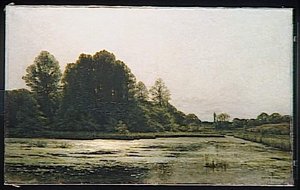
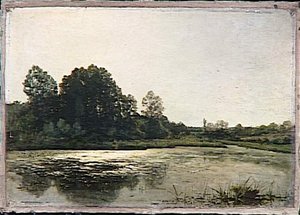
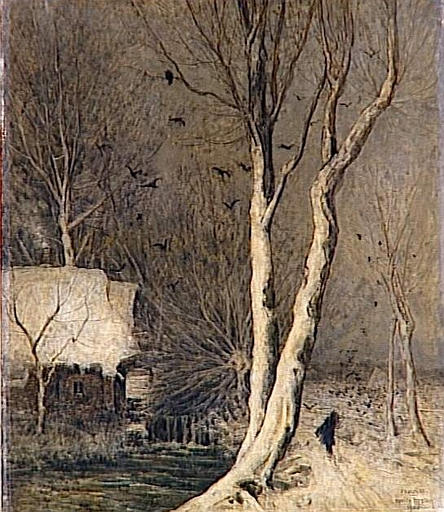
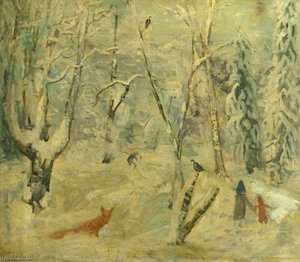
FROIDURE
 Read More
Hand Made Oil Reproduction
Hand-painted oil on canvas in your size and frame, made to order by our artists. ( Buy Print Buy Image)




































Pick from our preset sizes that match the artwork's original proportions.

You may enter your own dimensions to fit a specific frame or space. If your selected size does not match the original image's proportions, we will either crop the artwork or extend the painting with additional hand-painted elements. A digital mockup will be sent for your approval before production begins.
Please note that the on-screen preview does not reflect the actual cropping or extension. Only the mockup will accurately show the final composition.
While custom sizes are available, we recommend selecting a dimension from the predefined list to preserve the original proportions.
After order, ArtsDot.com team will email client for instructions and provide a mockup preview
Worldwide Delivery () in 3/4 weeks instead of standard 5 weeks. (23 August). No compromise on quality.

Free Worldwide Express Shipping

High-Quality Linen Canvas

Full Shipping Insurance

Customs Tax Refund Guarantee

True Color Matching Guarantee

60-Day Return Policy (Defects Only)

100% Money-Back Guarantee

Bulk Discount Offer
 Glass option is only available in size under 110 CM

FROIDURE
Reproduction Medium
Reproduction Size
-


Total Price
$ 263
Related Artworks







Artist Biography
Émile Breton: Capturing the Poetic Soul of French Rural Life
Émile Breton (1831-1902) stands as a quietly compelling figure in 19th-century French painting, renowned for his evocative landscapes imbued with melancholic beauty and populated by solitary figures. Born in Courrières, a small mining town nestled in northern France, Breton’s artistic journey was inextricably linked to the rhythms of his environment—the rugged coastline of Brittany—and profoundly shaped by personal tragedy that ultimately silenced one of France’s most intriguing artistic voices for nearly a decade. He possessed an innate sensitivity to light and shadow, translating these observations into canvases that resonate with profound emotional depth.- Early Life & Artistic Beginnings:
- Influences & Style Development:
- Notable Works: La Vague & Other Landscapes:
- Service During the Franco-Prussian War:
- Later Years & Legacy:
Early Life & Artistic Beginnings
Émile Breton’s formative years were marked by familial ties to the Breton artistic tradition. His elder brother, Jules Breton—a celebrated realist painter specializing in depictions of rural life—served as his initial mentor, fostering a passion for observation and capturing the essence of the natural world. Unlike Jules' meticulous attention to detail, Émile favored a looser brushstroke technique, prioritizing mood and atmosphere over precise representation. This stylistic divergence foreshadowed Breton’s distinctive artistic vision. His father, Marie-Louis Breton, was also involved in mining activities—a profession that instilled in him an appreciation for the harsh realities of rural existence. Ludovic Breton, his younger brother, pursued a career as an engineer, overseeing the ambitious project to construct a cross-channel railway tunnel—a testament to Breton’s family's commitment to innovation and progress.Influences & Style Development
Breton’s artistic sensibilities were nurtured by exposure to Impressionism and Symbolism, movements that championed subjective experience and emotional resonance. The influence of Jules Breton is undeniable, particularly in his early landscapes—characterized by a serene depiction of rural scenes bathed in golden light. However, Émile Breton swiftly developed an independent style rooted in Symbolist principles. He embraced the expressive power of muted colors and dramatic contrasts to convey feelings of solitude, contemplation, and spiritual yearning. Breton’s artistic explorations were profoundly impacted by his personal life—the devastating loss of his son, Louis, in 1891—which spurred him to abandon painting altogether and sell his workshop at auction. This poignant experience solidified his belief that art should serve as a conduit for conveying inner emotions rather than merely mirroring external reality.Notable Works: La Vague & Other Landscapes
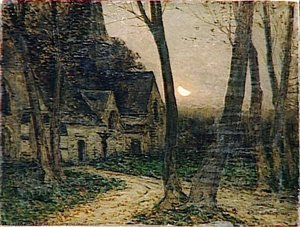
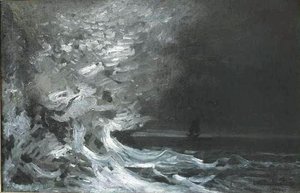
Breton’s oeuvre is dominated by nocturnal landscapes—particularly “La Vague” (“The Wave”), arguably his most iconic masterpiece. This monumental canvas captures the turbulent energy of the Atlantic Ocean under a stormy sky, rendered with masterful use of dark blues and greys punctuated by flashes of luminous white—a technique that exemplifies Breton's signature style. Unlike Jules Breton’s idealized portrayals of rural tranquility, Émile Breton’s landscapes confront viewers with the sublime—the awe-inspiring grandeur of nature combined with an awareness of its inherent vulnerability. His compositions frequently feature solitary figures—farmers, shepherds, or travelers—positioned against vast expanses of sky and sea, symbolizing humanity's insignificance in the face of cosmic forces. Breton skillfully manipulated light and shadow to evoke mood and emotion, prioritizing psychological depth over photographic accuracy.Service During the Franco-Prussian War
During the Franco-Prussian War (1870), Émile Breton served as a commander in Pas-de-Calais—a pivotal moment that solidified his commitment to civic duty and instilled in him an understanding of human resilience amidst adversity. The war’s impact on Breton extended beyond military service; it profoundly influenced his artistic vision, shaping the melancholic tone characteristic of many of his later paintings. He also served as Mayor of Courrières, continuing a family tradition of leadership and engagement with local affairs—a testament to Breton's unwavering dedication to his community.Later Years & Legacy
Following the war’s conclusion, Émile Breton retreated from public life, selling his workshop at auction and abandoning painting altogether—a decision that effectively silenced one of France’s most intriguing artistic voices for nearly a decade. Despite this abrupt cessation of creative activity, Breton remained connected to the artistic world through his niece, Virginie Demont-Breton—who herself became a respected painter—and his students, including Adrien Demont and Henri Duhem. A street in Courrières bears his name—a lasting tribute to Breton’s enduring influence on French art and culture. His legacy resides not merely in his celebrated paintings but also in the profound exploration of human emotion and the evocative portrayal of nature's sublime beauty—themes that continue to resonate with audiences today.
breton emile
1831 - 1902
Quick Facts
- Artistic Movement Or Style: Realism
- Artists Or Movements Influenced By This Artist: ['Symbolism']
- Artists Who Influenced This Artist: ['Jules Breton']
- Date Of Birth: March 8, 1831
- Date Of Death: November 24, 1902
- Full Name: Émile Adélard Breton
- Nationality: French
- Notable Artworks:
- Le Dégel
- Paysage de nuit
- Le Crépuscule sous la neige
- Place Of Birth: Courrières, France