 Preview
 Send
Send Share
Share
 Details

 Download
 Similars
 X-Ray
X-Ray Diaporama
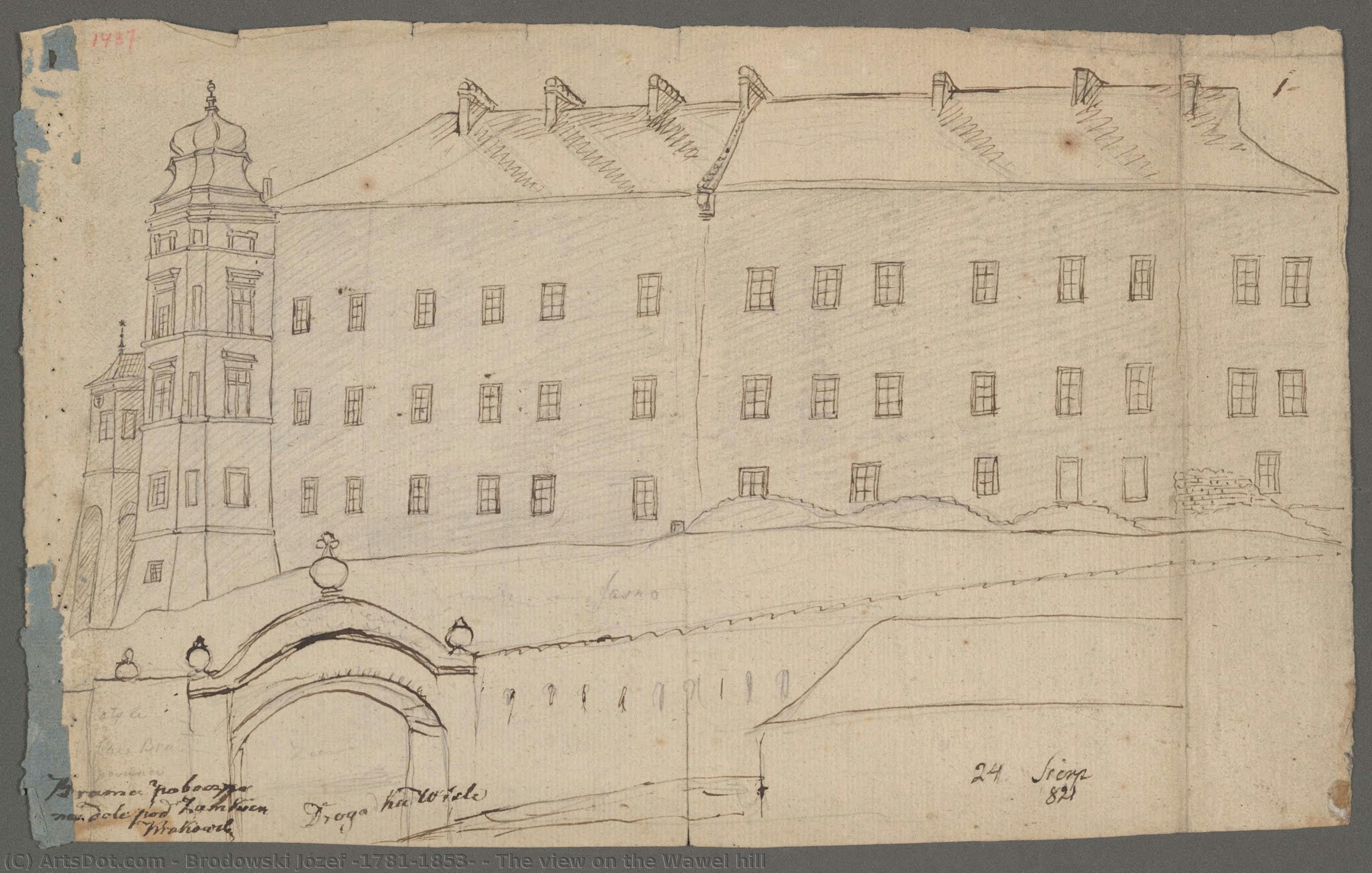
The view on the Wawel hill


 Read More
Giclée / Art Print
Museum-quality giclée or canvas print with fast production and flexible finish options. ( Buy Hand Made Painting Buy Image)




































Pick from our preset sizes that match the artwork's original proportions.

You may enter your own dimensions to fit a specific frame or space. If your selected size does not match the original image's proportions, we will either crop the artwork or extend the image with a mirrored or solid-fill edge. A digital mockup will be sent for your approval before production begins.
Please note that the on-screen preview does not reflect the actual cropping or extension. Only the mockup will accurately show the final composition.
While custom sizes are available, we recommend selecting a dimension from the predefined list to preserve the original proportions.
Worldwide Delivery () in 2 weeks instead of standard 4/5 weeks. (24 August)

Free Worldwide Express Shipping

High-Quality Linen Canvas

Full Shipping Insurance

Customs Tax Refund Guarantee

True Color Matching Guarantee

60-Day Return Policy (Defects Only)

100% Money-Back Guarantee

Bulk Discount Offer
 Glass option is only available in size under 110 CM

The view on the Wawel hill
Giclée / Art Print
Reproduction Size
-


Total Price
$ 63
Related Artworks









Artist Biography
Józef Brodowski: A Master of Polish Landscapes and the Soul of Kraków
Józef Brodowski (1781-1853) stands as a pivotal figure in 19th-century Polish art, a painter whose evocative landscapes and meticulously rendered cityscapes captured not just the visual beauty of his homeland but also its spirit. Often overshadowed by more flamboyant contemporaries, Brodowski’s legacy lies in his profound understanding of light, color, and composition—qualities that allowed him to transform ordinary scenes into moments of quiet contemplation and enduring artistic value. His work offers a unique window into Kraków during a period of significant social and political change, reflecting both the grandeur of its historical heritage and the burgeoning spirit of Polish nationalism.
Born in Warsaw, Brodowski’s early life was shaped by the turbulent realities of partitioned Poland. He received his initial artistic training under Josef Abel and Johann Baptist von Lampi in Vienna, absorbing the principles of Neoclassicism—a style characterized by its emphasis on order, clarity, and idealized forms. However, it was his relocation to Łańcut, a noble estate near Kraków, that proved to be a crucial turning point. Here, he found patronage from Princess Izabela Czartoryska, a generous benefactor of the arts who provided him with the financial stability and freedom to pursue his artistic ambitions. This period marked a shift away from purely academic training and towards a more personal and expressive approach to painting.
The Wawel Hill: A Defining Subject
Brodowski’s most celebrated works are undoubtedly those depicting the Wawel Hill, Kraków's iconic landmark. He produced numerous studies and paintings of this historic site, capturing its majestic architecture, serene gardens, and dramatic interplay of light and shadow. These images weren’t merely topographical representations; they were imbued with a deep sense of place—a palpable connection to Kraków’s rich past and enduring identity. His “View on the Wawel Hill” (circa 1830), now housed in the National Museum in Kraków, exemplifies this approach. The painting isn't simply a depiction of the hill; it’s an invitation to lose oneself in its timeless beauty, to feel the weight of history and the serenity of the present.
Brodowski’s meticulous attention to detail is evident in every brushstroke. He employed a subtle palette—predominantly muted blues, greens, and browns—to create a sense of atmospheric depth and realism. His use of light was particularly masterful, capturing the way it shifted across the landscape throughout the day, transforming familiar scenes into fleeting moments of ethereal beauty. He wasn’t interested in dramatic contrasts or bold colors; instead, he sought to convey the subtle nuances of light and shadow that define the Polish countryside.
Beyond Landscapes: Portraits and Historical Scenes
While his landscapes are undoubtedly his most famous works, Brodowski was also a skilled portrait painter and produced several historical paintings. His portraits often captured the dignity and intelligence of his subjects, revealing their inner character through subtle expressions and gestures. He frequently depicted figures from Polish history and culture, contributing to a growing sense of national identity during a period of political upheaval.
His historical works, such as those depicting scenes from the life of Tadeusz Kościuszko—a symbol of Polish independence—demonstrate his ability to blend artistic skill with patriotic fervor. These paintings weren’t simply illustrations of historical events; they were carefully constructed narratives that aimed to inspire a sense of pride and resilience among the Polish people. Brodowski's work served as a visual reminder of Poland's past struggles and aspirations, contributing to the nation's cultural heritage.
Legacy and Influence
Józef Brodowski’s influence on subsequent generations of Polish artists is considerable. His meticulous draftsmanship and his ability to capture the essence of place established him as a leading figure in the Romantic landscape tradition. He demonstrated that painting could be both aesthetically pleasing and emotionally resonant, paving the way for future artists to explore new forms of expression. Although he often worked in relative obscurity during his lifetime, Brodowski’s legacy has been increasingly recognized in recent decades, solidifying his place as one of Poland's most important painters.
His work continues to resonate with viewers today, offering a glimpse into the beauty and complexity of 19th-century Poland. Brodowski’s paintings are not merely representations of landscapes or portraits; they are windows into the soul of Kraków—a city that has endured centuries of change and remains a symbol of Polish resilience and cultural identity.
brodowski józef (1781-1853)
1781 - 1853 , Poland
Quick Facts
- Artistic Movement Or Style: Classical
- Artists Or Movements Influenced By This Artist: ['None specified']
- Artists Who Influenced This Artist:
- Josef Abel
- Johann Baptist von Lampi
- Date Of Birth: c.1781
- Date Of Death: 1853
- Full Name: Józef Brodowski
- Nationality: Polish
- Notable Artworks:
- Wawel Hill views
- Historical scenes
- Place Of Birth: Warsaw, Poland