

 Preview
 Send
Send Share
Share
 Details

 Download
 Similars
 X-Ray
X-Ray Diaporama
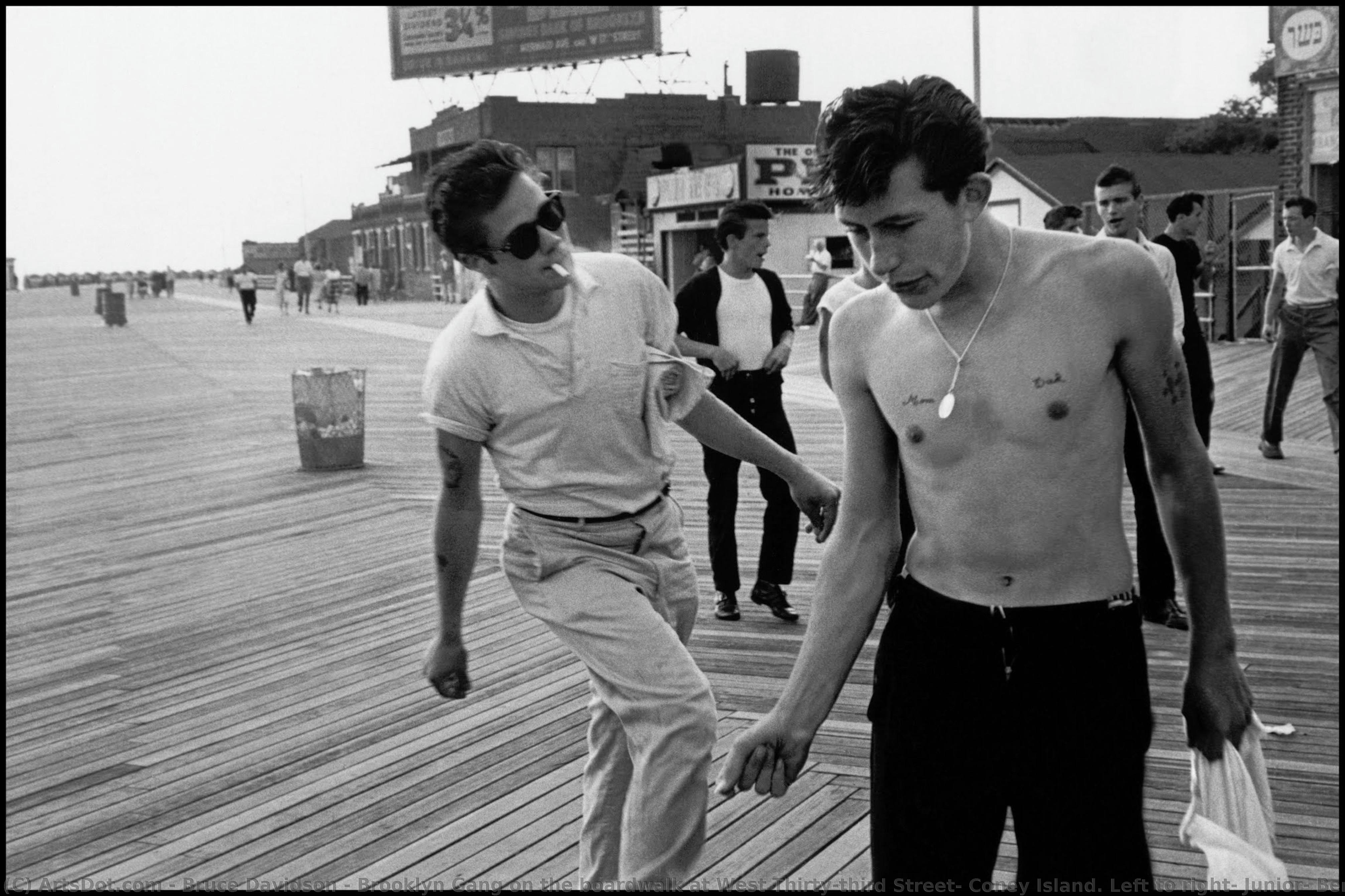
Brooklyn Gang on the boardwalk at West Thirty-third Street, Coney Island. Left to right: Junior, Bengie, Lefty.


 Read More
Purchase a high-resolution, enhanced digital image, far superior to the online preview.
Each file is meticulously prepared by our in-house specialists using advanced tools and expert manual retouching. We ensure every image has exceptional clarity, precise color accuracy, and fine detail.
The final file is delivered via email within 72 hours, optimized for immediate use in professional, editorial, and print environments. This is the same quality trusted by top-tier design studios, publishers, and galleries.
Digital Image
Download a high-resolution file for personal display, printing, and creative projects. ( Buy Print Buy Hand Made Painting)
Included in Every Digital Image Order
Expert Digital Delivery, Guaranteed
When you choose ArtsDot.com, you're not just getting an image - you're receiving a professionally enhanced digital artwork, crafted with precision and backed by a satisfaction guarantee. Here's everything that comes with your order, automatically:

Fast Email Delivery
Your high-resolution digital image file will be emailed to you within 72 hours of ordering - ready for immediate use.

AI-Enhanced Digital File
Your artwork is professionally optimized using advanced AI tools and manual editing, ensuring maximum detail, clarity, and color accuracy.

Free Lifetime Re-Delivery
Accidentally deleted or lost your file? No worries - we'll resend it to you anytime, free of charge.

No Import Fees - Ever
Enjoy your artwork instantly with zero customs, duties, or delivery fees - digital downloads are always tax-free.

Color Accuracy Guarantee
We ensure your digital image reflects the original colors as closely as possible using professional tools and color management.

60-Day Satisfaction Guarantee
If you're not satisfied with your digital image, we'll revise it or refund 100% within 60 days - no questions asked.

100% Money-Back Guarantee
Not satisfied? Get a full refund within 60 days of receiving your digital file - no questions asked.

Bulk Order Discounts
Buy 3 images, save 10% - Buy 5, save 15% - Buy 10+, save 20%. Great for creative projects, galleries, and agencies.
Collectible Description
Brooklyn Gang on the Boardwalk at West Thirty-third Street, Coney Island
Bruce Davidson’s “Brooklyn Gang,” captured in 1959 during his seminal Harlem Renaissance project, stands as an enduring testament to American documentary photography's ability to distill complex social realities into moments of arresting visual power. The photograph depicts three young men – Junior, Bengie, and Lefty – lounging on the Coney Island boardwalk, bathed in the diffused glow of late afternoon sunlight. This seemingly simple tableau transcends mere representation; it embodies Davidson’s meticulous approach to capturing human experience with profound empathy and unwavering honesty. Davidson's stylistic hallmark is characterized by a deliberate stillness—a technique he termed “seeing.” Unlike photographers striving for dynamism or grand narratives, Davidson prioritized observing the world around him with an acute awareness of gesture and expression. He eschewed flash photography, opting instead for natural light to illuminate his subjects, fostering an atmosphere of spontaneity that feels remarkably authentic. The composition itself is masterful: positioned diagonally across the frame, it draws the viewer’s eye into the scene while simultaneously conveying a sense of movement—the subtle sway of the boardwalk beneath their feet and the relaxed postures of the men themselves. The photograph's monochrome palette contributes significantly to its emotional resonance. Davidson skillfully utilizes tonal range to sculpt form and texture, emphasizing shadows that deepen the figures’ presence and highlighting the weathered surface of the wooden boardwalk. This deliberate restriction of color underscores the image's focus on psychological depth rather than superficial visual spectacle. The grainy texture of the film stock lends a palpable immediacy to the photograph, mirroring the gritty reality of Coney Island in its heyday—a vibrant hub of immigrant communities grappling with challenges and aspirations alike. Beyond its technical prowess, “Brooklyn Gang” resonates powerfully due to its historical context. Shot during the burgeoning Civil Rights Movement, Davidson’s work served as an unflinching portrayal of Black youth navigating urban life amidst systemic inequalities. The figures' nonchalant demeanor—one man sporting sunglasses—hints at a defiance born from resilience and determination. Yet, there’s also a palpable vulnerability conveyed through their gaze, suggesting a quiet contemplation of circumstance and identity. The photograph’s enduring appeal lies in its ability to evoke a feeling of nostalgia for a bygone era while simultaneously prompting reflection on universal themes of youth, camaraderie, and the pursuit of freedom. It's a portrait not merely of individuals but of an entire community—a snapshot frozen in time that continues to captivate audiences today with its understated beauty and profound human insight. Its reproduction offers collectors and interior designers alike a chance to experience Davidson’s masterful vision – a timeless reminder of photography’s capacity to illuminate the human condition.Related Artworks
Artist Biography
Early Life and Artistic Awakening
Bruce Landon Davidson, born in Oak Park, Illinois, in 1933, embarked on a photographic journey that would indelibly mark the landscape of American documentary photography. His story isn’t one of immediate artistic calling, but rather a gradual unfolding nurtured by familial support and early exploration. At the tender age of ten, his mother thoughtfully constructed a darkroom within their basement—a pivotal act that ignited a lifelong passion. This wasn't merely access to equipment; it was an invitation into a world of light, shadow, and creative control. He quickly sought guidance from Al Cox, a local news photographer, who imparted not only the technical intricacies of the craft but also the subtle art of lighting and printing—skills that would become foundational to his distinctive style. The influence of masters like Robert Frank, Eugene Smith, and Henri Cartier-Bresson began to subtly shape his vision, instilling in him a desire to capture raw emotion and social realities with unflinching honesty. Even as a teenager, Davidson demonstrated exceptional talent, earning the 1952 Kodak National High School Photographic Award for an evocative image of an owl—a testament to his burgeoning eye for composition and mood.Formative Years and Magnum’s Embrace
Davidson's academic pursuits at the Rochester Institute of Technology and Yale University further honed his artistic sensibilities. At Yale, under the tutelage of Josef Albers, a renowned color theorist, he experienced a critical turning point. Initially presenting a series of photographs depicting alcoholics on Skid Row, Davidson received challenging feedback from Albers, who urged him to discard what he deemed “sentimental” work and embrace the discipline of drawing and color study. This rigorous training proved invaluable, shaping his understanding of visual form and composition. His college thesis, a photo-essay titled "Tension in the Dressing Room," offered an intimate glimpse behind the scenes of Yale’s football team, capturing the emotional intensity of athletes preparing for competition—a project that garnered publication in Life magazine in 1955. Following graduation, Davidson served in the US Army Signal Corps at Fort Huachuca, Arizona, where he leveraged his photographic skills to document military life. A fortuitous assignment to Supreme Headquarters Allied Powers Europe near Paris brought him into contact with Henri Cartier-Bresson, a pivotal encounter that led to mentorship and ultimately, membership in the prestigious Magnum Photos agency in 1958.Documenting Marginalized Communities
Davidson’s work is characterized by an unwavering commitment to documenting communities often overlooked or misunderstood by mainstream society. His early projects, such as “Brooklyn Gang” (1959), offered a poignant portrayal of troubled teenagers navigating the complexities of urban life. This wasn't simply observation; it was immersion—a willingness to spend months gaining the trust of his subjects and capturing their world with empathy and respect. He continued this exploration with assignments from The New York Times covering the Freedom Riders in the South, which evolved into a broader documentation of the Civil Rights Movement between 1961 and 1965. Supported by a Guggenheim Fellowship, Davidson fearlessly captured the struggles and triumphs of those fighting for equality, producing images that resonated deeply with audiences and contributed to a growing national awareness of racial injustice. His commitment to social commentary reached its zenith with “East 100th Street” (1970), a two-year immersive study of a poverty-stricken block in East Harlem—a project that earned widespread acclaim and solidified his reputation as a master of documentary photography.Expanding Horizons: Subway, Central Park, and Beyond
Throughout the 1970s and beyond, Davidson continued to push creative boundaries, exploring new subjects and techniques. “Subway” (late 1970s) marked a significant shift towards color photography, capturing the gritty energy and diverse characters of New York City’s underground transit system. He didn't shy away from the darkness or the chaos; instead, he embraced it, creating images that were both visually arresting and emotionally resonant. In the early 1990s, Davidson turned his lens towards Central Park, transforming this iconic urban oasis into a canvas for exploring themes of beauty, solitude, and human connection. He revisited East 100th Street in 1998, documenting the changes that had occurred over three decades—a poignant reflection on gentrification, resilience, and the enduring spirit of community. Beyond still photography, Davidson also ventured into filmmaking, directing award-winning short films that further showcased his storytelling abilities. His work has been recognized with numerous accolades, including the Outstanding Contribution to Photography Award at the 2011 Sony World Photography Awards and the Infinity Award for Lifetime Achievement from the International Center of Photography in 2018—testaments to a career dedicated to capturing the human experience with compassion, integrity, and artistic vision. His images continue to provoke thought, inspire dialogue, and remind us of our shared humanity.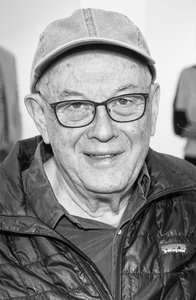
Bruce Davidson
1933 - , United States of America
Quick Facts
- Artistic Movement Or Style: Social documentary photography
- Artists Who Influenced This Artist:
- Robert Frank
- Eugene Smith
- Henri Cartier-Bresson
- Date Of Birth: September 5, 1933
- Full Name: Bruce Landon Davidson
- Nationality: American
- Notable Artworks:
- Brooklyn Gang
- East 100th Street
- Subway
- Untitled
- Place Of Birth: Oak Park, USA

