 Preview
 Send
Send Share
Share
 Details

 Download
 Similars
 X-Ray
X-Ray Diaporama
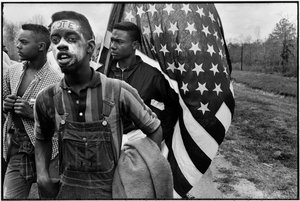
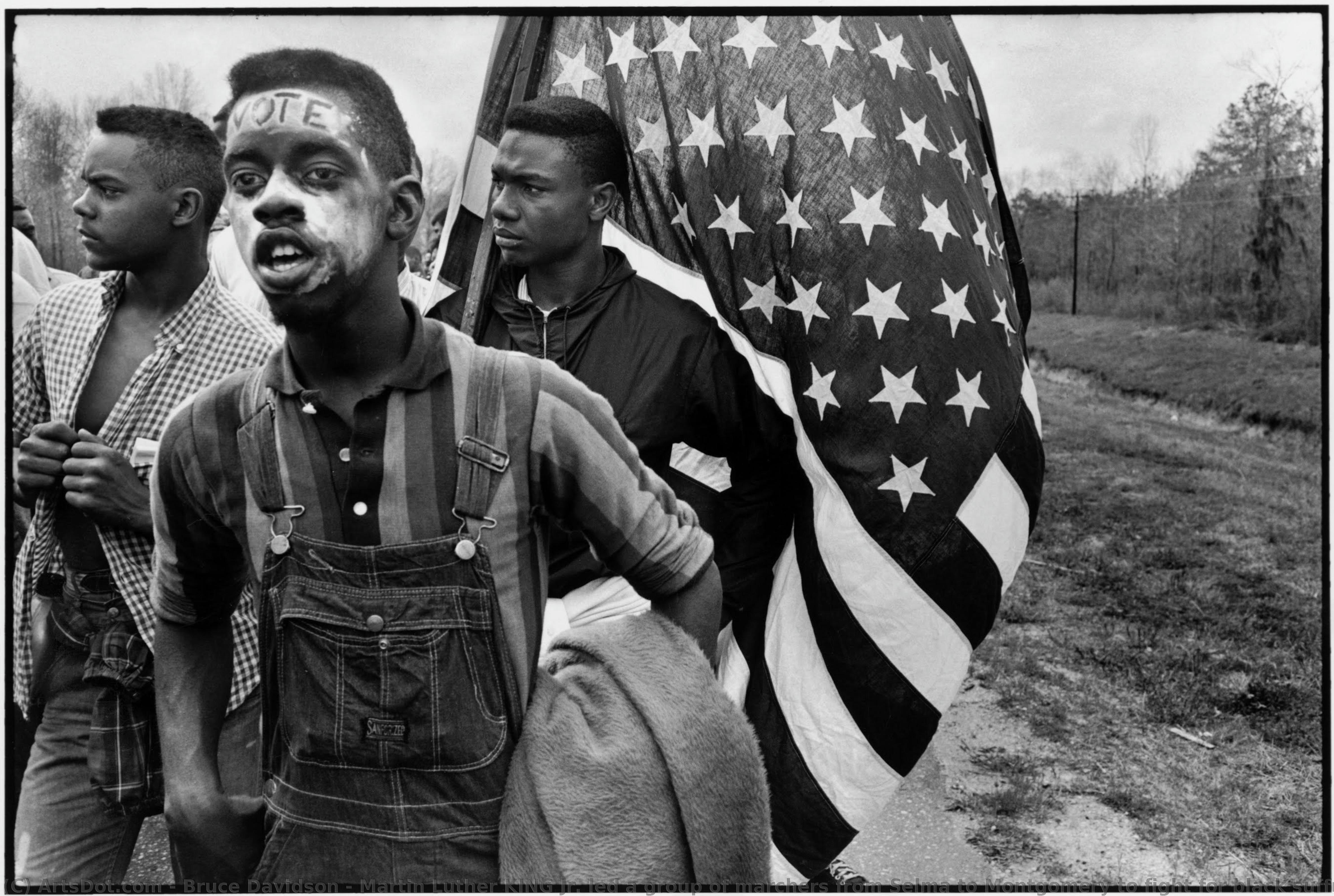
Martin Luther KING Jr. led a group of marchers from Selma to Montgomery to fight for black suffrage.


 Read More
Giclée / Art Print
Museum-quality giclée or canvas print with fast production and flexible finish options. ( Buy Hand Made Painting Buy Image)




P118B $10

P118H $10

P118W $10

P438Z $10

P508JH $12

P508YH $12

P805H $10

P805Z $10

P919BZ $10

P919G $10

P919XJ $10

P959ZH $10

P968JZ $12

W106C $8

W218G $10

W218JH $8

W218Y $10

W307PJ $10

W316G $10

W316PJ $8

W316Y $10

W398PJ $8

W4111J $10

W500HY $15

W500JH $15

W692G $12

W849H $8

W940BG $15

W953PJ $8




Pick from our preset sizes that match the artwork's original proportions.

You may enter your own dimensions to fit a specific frame or space. If your selected size does not match the original image's proportions, we will either crop the artwork or extend the image with a mirrored or solid-fill edge. A digital mockup will be sent for your approval before production begins.
Please note that the on-screen preview does not reflect the actual cropping or extension. Only the mockup will accurately show the final composition.
While custom sizes are available, we recommend selecting a dimension from the predefined list to preserve the original proportions.
Worldwide Delivery () in 2 weeks instead of standard 4/5 weeks. (26 August)

Free Worldwide Express Shipping

High-Quality Linen Canvas

Full Shipping Insurance

Customs Tax Refund Guarantee

True Color Matching Guarantee

60-Day Return Policy (Defects Only)

100% Money-Back Guarantee

Bulk Discount Offer
 Glass option is only available in size under 110 CM

Martin Luther KING Jr. led a group of marchers from Selma to Montgomery to fight for black suffrage.
Giclée / Art Print
Reproduction Size
-


Total Price
$ 63
Collectible Description
The Weight of History: An Encounter with Davidson's Selma
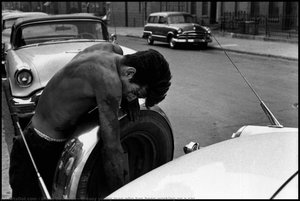
Bruce Davidson’s photograph, "Untitled (During the Freedom march that Martin Luther King led from Selma to Montgomery)," isn’t merely a snapshot; it’s a visceral embodiment of a pivotal moment in American history. Captured during the 1965 Selma to Montgomery marches, this black and white image transcends its documentary origins to become a profound meditation on struggle, resilience, and the enduring pursuit of justice. Davidson, a master of candid portraiture honed through early mentorship with Al Cox and influenced by photographic giants like Robert Frank, doesn’t offer a triumphant narrative of victory. Instead, he presents a raw, unflinching portrayal of the marchers – three men standing resolute against the backdrop of an American flag – conveying the palpable tension and unwavering determination that defined this landmark civil rights campaign.
The photograph's power resides in its meticulous composition. The central figures are framed with deliberate precision, their postures and expressions meticulously rendered to communicate a sense of shared purpose and quiet strength. The American flag, positioned prominently in the background, operates on multiple levels – as a symbol of national ideals, a stark contrast to the realities of racial injustice, and perhaps even a subtle acknowledgement of the complex relationship between freedom and oppression within the United States.
Technical Mastery & Documentary Precision
Davidson’s technical skill is evident in every detail. The use of gelatin silver print creates a rich tonal range, allowing for dramatic contrasts between light and shadow that heighten the emotional impact of the image. Strong vertical lines, created by the flagpoles and the figures themselves, lend a sense of stability and groundedness to the composition, while diagonal lines – subtly present in clothing and facial expressions – inject a dynamic energy into the scene. The lighting, seemingly natural yet carefully controlled, emphasizes textures and forms, revealing the weariness etched on the marchers’ faces alongside their unwavering commitment.
The photograph's historical context is crucial to understanding its significance. The Selma marches were born out of a long history of disenfranchisement and violence against African Americans in Alabama, particularly within the Black Belt region. The systematic denial of voting rights, coupled with pervasive segregation and racial terror, fueled the determination of activists like Martin Luther King Jr., Amelia Boynton, and countless others to demand equal access to democracy. Davidson’s image serves as a powerful visual record of this struggle, capturing not just the events themselves but also the spirit of resistance that animated the movement.
Symbolism & Emotional Resonance
Beyond its technical merits, “Untitled” is laden with symbolism. The open mouths of the marchers – subtly visible in Davidson’s composition – suggest a collective cry for justice, a silent declaration of defiance against systemic oppression. The American flag, often associated with patriotism and liberty, becomes a potent symbol of the hypocrisy inherent in a nation that professed to uphold these values while simultaneously denying them to its Black citizens. The photograph evokes a complex range of emotions: determination, sorrow, anger, and ultimately, hope – reflecting the multifaceted nature of the civil rights struggle.
Davidson’s work stands as a testament to the power of photography to bear witness to history and to illuminate the human condition. “Untitled (During the Freedom march that Martin Luther King led from Selma to Montgomery)” is more than just an image; it's a poignant reminder of the sacrifices made in the pursuit of equality and a powerful call to action for those who seek to build a more just and equitable world.
Related Artworks
Artist Biography
Early Life and Artistic Awakening
Bruce Landon Davidson, born in Oak Park, Illinois, in 1933, embarked on a photographic journey that would indelibly mark the landscape of American documentary photography. His story isn’t one of immediate artistic calling, but rather a gradual unfolding nurtured by familial support and early exploration. At the tender age of ten, his mother thoughtfully constructed a darkroom within their basement—a pivotal act that ignited a lifelong passion. This wasn't merely access to equipment; it was an invitation into a world of light, shadow, and creative control. He quickly sought guidance from Al Cox, a local news photographer, who imparted not only the technical intricacies of the craft but also the subtle art of lighting and printing—skills that would become foundational to his distinctive style. The influence of masters like Robert Frank, Eugene Smith, and Henri Cartier-Bresson began to subtly shape his vision, instilling in him a desire to capture raw emotion and social realities with unflinching honesty. Even as a teenager, Davidson demonstrated exceptional talent, earning the 1952 Kodak National High School Photographic Award for an evocative image of an owl—a testament to his burgeoning eye for composition and mood.Formative Years and Magnum’s Embrace
Davidson's academic pursuits at the Rochester Institute of Technology and Yale University further honed his artistic sensibilities. At Yale, under the tutelage of Josef Albers, a renowned color theorist, he experienced a critical turning point. Initially presenting a series of photographs depicting alcoholics on Skid Row, Davidson received challenging feedback from Albers, who urged him to discard what he deemed “sentimental” work and embrace the discipline of drawing and color study. This rigorous training proved invaluable, shaping his understanding of visual form and composition. His college thesis, a photo-essay titled "Tension in the Dressing Room," offered an intimate glimpse behind the scenes of Yale’s football team, capturing the emotional intensity of athletes preparing for competition—a project that garnered publication in Life magazine in 1955. Following graduation, Davidson served in the US Army Signal Corps at Fort Huachuca, Arizona, where he leveraged his photographic skills to document military life. A fortuitous assignment to Supreme Headquarters Allied Powers Europe near Paris brought him into contact with Henri Cartier-Bresson, a pivotal encounter that led to mentorship and ultimately, membership in the prestigious Magnum Photos agency in 1958.Documenting Marginalized Communities
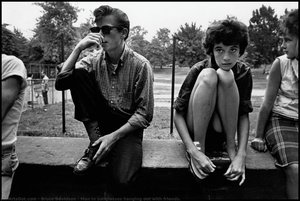
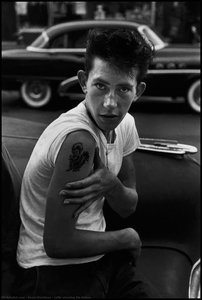
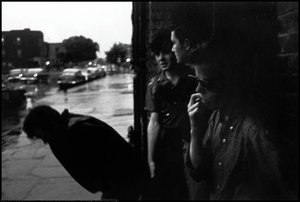
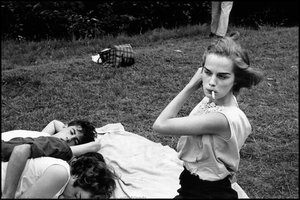
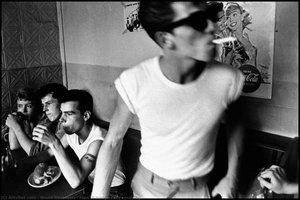
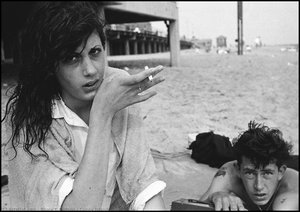
Davidson’s work is characterized by an unwavering commitment to documenting communities often overlooked or misunderstood by mainstream society. His early projects, such as “Brooklyn Gang” (1959), offered a poignant portrayal of troubled teenagers navigating the complexities of urban life. This wasn't simply observation; it was immersion—a willingness to spend months gaining the trust of his subjects and capturing their world with empathy and respect. He continued this exploration with assignments from The New York Times covering the Freedom Riders in the South, which evolved into a broader documentation of the Civil Rights Movement between 1961 and 1965. Supported by a Guggenheim Fellowship, Davidson fearlessly captured the struggles and triumphs of those fighting for equality, producing images that resonated deeply with audiences and contributed to a growing national awareness of racial injustice. His commitment to social commentary reached its zenith with “East 100th Street” (1970), a two-year immersive study of a poverty-stricken block in East Harlem—a project that earned widespread acclaim and solidified his reputation as a master of documentary photography.Expanding Horizons: Subway, Central Park, and Beyond
Throughout the 1970s and beyond, Davidson continued to push creative boundaries, exploring new subjects and techniques. “Subway” (late 1970s) marked a significant shift towards color photography, capturing the gritty energy and diverse characters of New York City’s underground transit system. He didn't shy away from the darkness or the chaos; instead, he embraced it, creating images that were both visually arresting and emotionally resonant. In the early 1990s, Davidson turned his lens towards Central Park, transforming this iconic urban oasis into a canvas for exploring themes of beauty, solitude, and human connection. He revisited East 100th Street in 1998, documenting the changes that had occurred over three decades—a poignant reflection on gentrification, resilience, and the enduring spirit of community. Beyond still photography, Davidson also ventured into filmmaking, directing award-winning short films that further showcased his storytelling abilities. His work has been recognized with numerous accolades, including the Outstanding Contribution to Photography Award at the 2011 Sony World Photography Awards and the Infinity Award for Lifetime Achievement from the International Center of Photography in 2018—testaments to a career dedicated to capturing the human experience with compassion, integrity, and artistic vision. His images continue to provoke thought, inspire dialogue, and remind us of our shared humanity.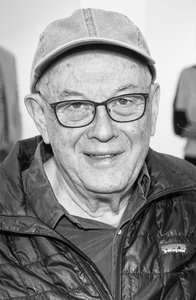
Bruce Davidson
1933 - , United States of America
Quick Facts
- Artistic Movement Or Style: Social documentary photography
- Artists Who Influenced This Artist:
- Robert Frank
- Eugene Smith
- Henri Cartier-Bresson
- Date Of Birth: September 5, 1933
- Full Name: Bruce Landon Davidson
- Nationality: American
- Notable Artworks:
- Brooklyn Gang
- East 100th Street
- Subway
- Untitled
- Place Of Birth: Oak Park, USA
Related Articles
Alte Pinakothek's Masterpieces: 25 Iconic Paintings for Art Lovers | ArtsDot
Journey through Alte Pinakothek's 25 most iconic paintings! Explore masterpieces by Dürer, Rembrandt & Rubens. Discover art history, techniques & find museum-quality reproductions for your home at ArtsDot.com.

Georges Braque's Masterpieces: 25 Paintings That Defined Cubism & Modern Art | ArtsDot
Explore 25 iconic Georges Braque paintings that revolutionized Cubism & modern art. Discover the stories behind his masterpieces, from Fauvism to Analytical Cubism. Find museum-quality reproductions & elevate your home decor with ArtsDot.com.
Renoir's Masterpieces: Explore 25 Iconic Paintings & Bring Art Home | ArtsDot
Explore 25 iconic Pierre-Auguste Renoir paintings! Discover the stories behind Impressionist masterpieces like 'Dance at Le Moulin de la Galette' & 'Luncheon of the Boating Party'. Find museum-quality art reproductions and elevate your home decor with ArtsDot.com.
Navigating Copyright and Creativity: Commissioning Inspired Paintings with Artistic Integrity
Navigate art commissions with confidence! Expert legal guidance for collectors on copyright, contracts & protecting your investment. Ensure artistic integrity & secure ownership.
Hermitage Masterpieces: 25 Art Treasures to Inspire Your Home Decor
Journey through the Hermitage Museum's 25 greatest artworks! Explore masterpieces by Rembrandt, Leonardo da Vinci & Vermeer. Find museum-quality art reproductions and curated decor ideas to bring timeless beauty home. Discover all masterpieces on ArtsDot.com.