 Preview
 Send
Send Share
Share
 Details

 Download
 Similars
 X-Ray
X-Ray Diaporama
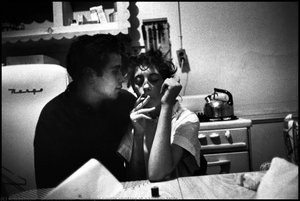
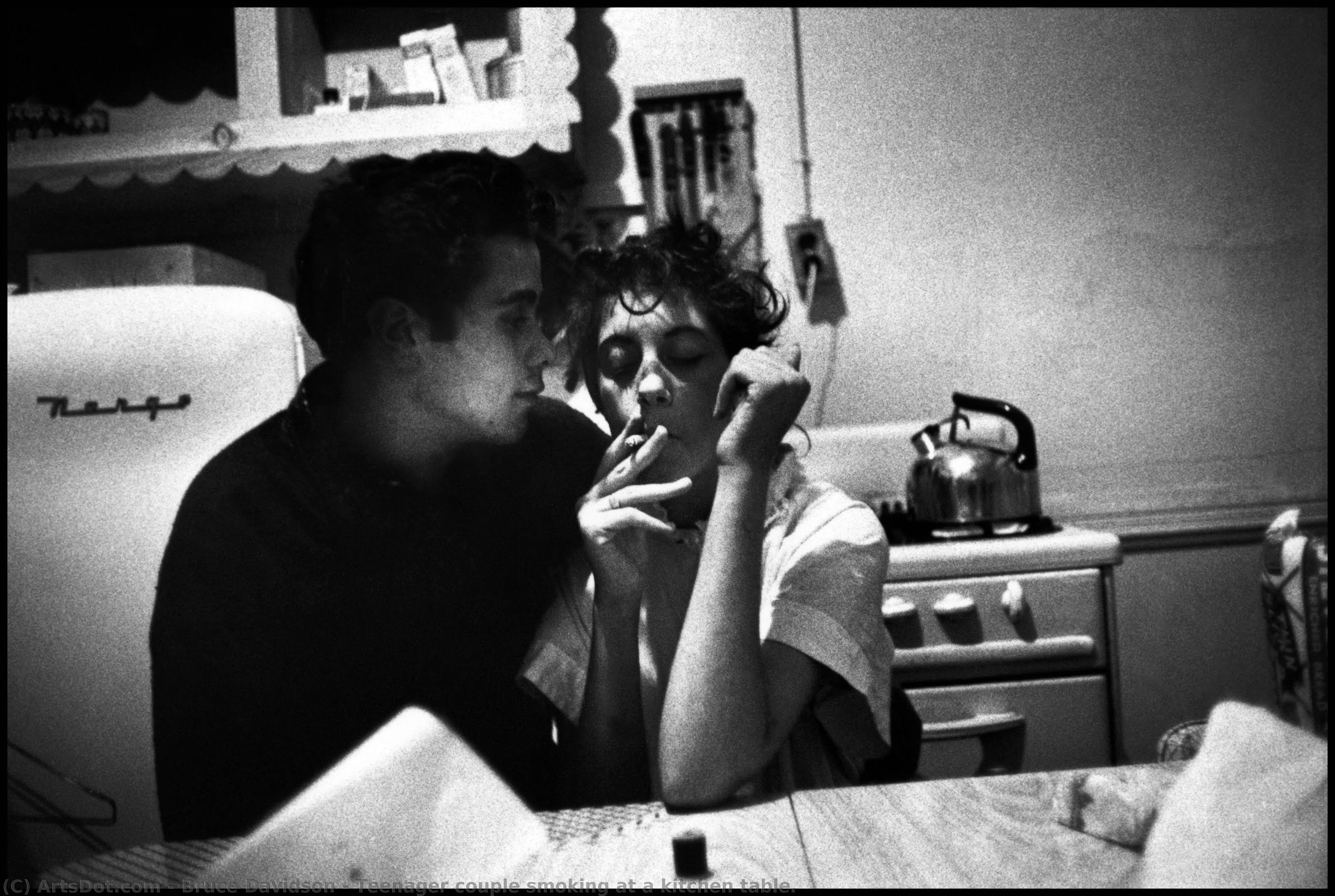
Teenager couple smoking at a kitchen table.


 Read More
Giclée / Art Print
Museum-quality giclée or canvas print with fast production and flexible finish options. ( Buy Hand Made Painting Buy Image)




P118B $10

P118H $10

P118W $10

P438Z $10

P508JH $12

P508YH $12

P805H $10

P805Z $10

P919BZ $10

P919G $10

P919XJ $10

P959ZH $10

P968JZ $12

W106C $8

W218G $10

W218JH $8

W218Y $10

W307PJ $10

W316G $10

W316PJ $8

W316Y $10

W398PJ $8

W4111J $10

W500HY $15

W500JH $15

W692G $12

W849H $8

W940BG $15

W953PJ $8




Pick from our preset sizes that match the artwork's original proportions.

You may enter your own dimensions to fit a specific frame or space. If your selected size does not match the original image's proportions, we will either crop the artwork or extend the image with a mirrored or solid-fill edge. A digital mockup will be sent for your approval before production begins.
Please note that the on-screen preview does not reflect the actual cropping or extension. Only the mockup will accurately show the final composition.
While custom sizes are available, we recommend selecting a dimension from the predefined list to preserve the original proportions.
Worldwide Delivery () in 2 weeks instead of standard 4/5 weeks. (17 August)

Free Worldwide Express Shipping

High-Quality Linen Canvas

Full Shipping Insurance

Customs Tax Refund Guarantee

True Color Matching Guarantee

60-Day Return Policy (Defects Only)

100% Money-Back Guarantee

Bulk Discount Offer
 Glass option is only available in size under 110 CM

Teenager couple smoking at a kitchen table.
Giclée / Art Print
Reproduction Size
-


Total Price
$ 63
Collectible Description
A Stark Portrait of Youth and Uncertainty
Bruce Davidson’s “Teenager Couple Smoking at a Kitchen Table” is not merely a photograph; it's a distilled moment, a frozen tableau of adolescent tension and unspoken anxieties. Executed in 1959, this black-and-white image, part of Davidson’s seminal "Looking for Work" series documenting the lives of unemployed men in New York City, transcends its immediate subject matter to become a poignant meditation on youth, rebellion, and the quiet desperation simmering beneath the surface of everyday life. The photograph captures two teenagers, their postures suggesting both intimacy and guardedness, as they share a cigarette within the confines of a modestly furnished kitchen. The scene is rendered with a remarkable immediacy – it feels less like a staged composition and more like a fleeting observation captured in its rawest form.
Davidson’s approach to documentary photography was deeply rooted in his belief that images should reveal, not dictate. He eschewed elaborate setups or artificial lighting, instead favoring natural light and direct engagement with his subjects. This commitment to authenticity is powerfully evident here; the kitchen itself—with its worn linoleum floor, utilitarian appliances, and slightly cluttered surfaces—feels utterly real, a window into a specific time and place. The shallow depth of field expertly isolates the couple, drawing our attention to their faces and gestures while subtly blurring the background, creating a sense of intimacy and drawing us further into their private world.
The Language of Light and Shadow
The photograph’s stark tonal range is crucial to its impact. Davidson masterfully utilizes the contrast between deep blacks – representing the shadows that cling to the corners of the room and the figures themselves – and bright whites, illuminating faces and highlighting key details. This dramatic lighting isn't simply aesthetic; it serves to heighten the sense of drama and mystery inherent in the scene. The grainy texture characteristic of silver gelatin prints from this era adds a layer of visual richness, lending the image a tactile quality that evokes the feel of vintage film. The subtle imperfections—a slight blur here, a hint of grain there—only enhance its authenticity and immediacy.
Davidson’s use of lines is equally deliberate. The horizontal line created by the kitchen table anchors the composition, providing stability while simultaneously emphasizing the couple's proximity to one another. Diagonal lines emerge from their postures, adding dynamism and subtly suggesting a sense of unease or restlessness. The geometric shapes of the furniture—the rectangular cabinets, the cylindrical cups—are rendered with precision, grounding the scene in reality while also contributing to its overall visual balance.
Symbolism and Context
Within the context of Davidson’s “Looking for Work” series, "Teenager Couple Smoking at a Kitchen Table" speaks volumes about the anxieties of post-war America. The unemployment rate was high, and young people were grappling with disillusionment and uncertainty as they navigated a rapidly changing world. Smoking itself carried significant social weight during this period – it was often associated with rebellion, independence, and a rejection of societal norms. The act of sharing a cigarette becomes a symbolic gesture of connection amidst the prevailing sense of isolation.
Furthermore, the image resonates with themes explored by Davidson throughout his career—the vulnerability of marginalized individuals, the complexities of human relationships, and the search for meaning in an increasingly impersonal world. The photograph’s quiet intensity invites viewers to contemplate the unspoken stories behind these two young people, prompting questions about their hopes, fears, and dreams.
A Timeless Masterpiece
“Teenager Couple Smoking at a Kitchen Table” is more than just a snapshot of a moment in time; it’s a powerful and enduring work of art. Davidson's masterful use of light, composition, and symbolism creates an image that continues to resonate with viewers today, offering a poignant glimpse into the lives of ordinary people grappling with extraordinary challenges. It stands as a testament to the power of photography to capture not just what is seen, but also what is felt—a quiet reminder of the complexities and uncertainties inherent in the human experience.
Related Artworks
Artist Biography
Early Life and Artistic Awakening
Bruce Landon Davidson, born in Oak Park, Illinois, in 1933, embarked on a photographic journey that would indelibly mark the landscape of American documentary photography. His story isn’t one of immediate artistic calling, but rather a gradual unfolding nurtured by familial support and early exploration. At the tender age of ten, his mother thoughtfully constructed a darkroom within their basement—a pivotal act that ignited a lifelong passion. This wasn't merely access to equipment; it was an invitation into a world of light, shadow, and creative control. He quickly sought guidance from Al Cox, a local news photographer, who imparted not only the technical intricacies of the craft but also the subtle art of lighting and printing—skills that would become foundational to his distinctive style. The influence of masters like Robert Frank, Eugene Smith, and Henri Cartier-Bresson began to subtly shape his vision, instilling in him a desire to capture raw emotion and social realities with unflinching honesty. Even as a teenager, Davidson demonstrated exceptional talent, earning the 1952 Kodak National High School Photographic Award for an evocative image of an owl—a testament to his burgeoning eye for composition and mood.Formative Years and Magnum’s Embrace
Davidson's academic pursuits at the Rochester Institute of Technology and Yale University further honed his artistic sensibilities. At Yale, under the tutelage of Josef Albers, a renowned color theorist, he experienced a critical turning point. Initially presenting a series of photographs depicting alcoholics on Skid Row, Davidson received challenging feedback from Albers, who urged him to discard what he deemed “sentimental” work and embrace the discipline of drawing and color study. This rigorous training proved invaluable, shaping his understanding of visual form and composition. His college thesis, a photo-essay titled "Tension in the Dressing Room," offered an intimate glimpse behind the scenes of Yale’s football team, capturing the emotional intensity of athletes preparing for competition—a project that garnered publication in Life magazine in 1955. Following graduation, Davidson served in the US Army Signal Corps at Fort Huachuca, Arizona, where he leveraged his photographic skills to document military life. A fortuitous assignment to Supreme Headquarters Allied Powers Europe near Paris brought him into contact with Henri Cartier-Bresson, a pivotal encounter that led to mentorship and ultimately, membership in the prestigious Magnum Photos agency in 1958.Documenting Marginalized Communities
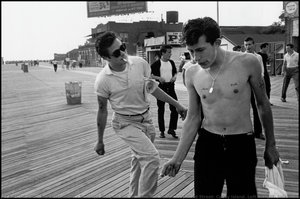
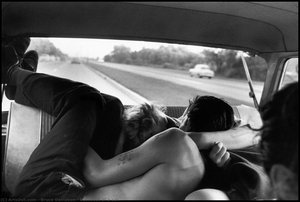
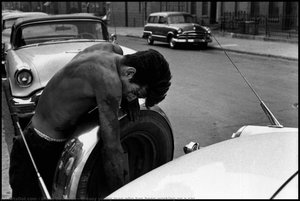
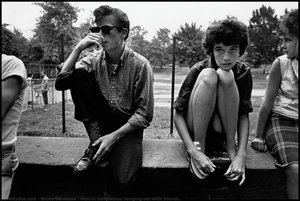
Davidson’s work is characterized by an unwavering commitment to documenting communities often overlooked or misunderstood by mainstream society. His early projects, such as “Brooklyn Gang” (1959), offered a poignant portrayal of troubled teenagers navigating the complexities of urban life. This wasn't simply observation; it was immersion—a willingness to spend months gaining the trust of his subjects and capturing their world with empathy and respect. He continued this exploration with assignments from The New York Times covering the Freedom Riders in the South, which evolved into a broader documentation of the Civil Rights Movement between 1961 and 1965. Supported by a Guggenheim Fellowship, Davidson fearlessly captured the struggles and triumphs of those fighting for equality, producing images that resonated deeply with audiences and contributed to a growing national awareness of racial injustice. His commitment to social commentary reached its zenith with “East 100th Street” (1970), a two-year immersive study of a poverty-stricken block in East Harlem—a project that earned widespread acclaim and solidified his reputation as a master of documentary photography.Expanding Horizons: Subway, Central Park, and Beyond
Throughout the 1970s and beyond, Davidson continued to push creative boundaries, exploring new subjects and techniques. “Subway” (late 1970s) marked a significant shift towards color photography, capturing the gritty energy and diverse characters of New York City’s underground transit system. He didn't shy away from the darkness or the chaos; instead, he embraced it, creating images that were both visually arresting and emotionally resonant. In the early 1990s, Davidson turned his lens towards Central Park, transforming this iconic urban oasis into a canvas for exploring themes of beauty, solitude, and human connection. He revisited East 100th Street in 1998, documenting the changes that had occurred over three decades—a poignant reflection on gentrification, resilience, and the enduring spirit of community. Beyond still photography, Davidson also ventured into filmmaking, directing award-winning short films that further showcased his storytelling abilities. His work has been recognized with numerous accolades, including the Outstanding Contribution to Photography Award at the 2011 Sony World Photography Awards and the Infinity Award for Lifetime Achievement from the International Center of Photography in 2018—testaments to a career dedicated to capturing the human experience with compassion, integrity, and artistic vision. His images continue to provoke thought, inspire dialogue, and remind us of our shared humanity.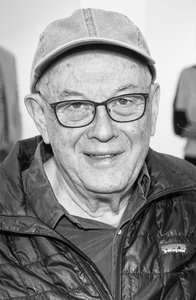
Bruce Davidson
1933 - , United States of America
Quick Facts
- Artistic Movement Or Style: Social documentary photography
- Artists Who Influenced This Artist:
- Robert Frank
- Eugene Smith
- Henri Cartier-Bresson
- Date Of Birth: September 5, 1933
- Full Name: Bruce Landon Davidson
- Nationality: American
- Notable Artworks:
- Brooklyn Gang
- East 100th Street
- Subway
- Untitled
- Place Of Birth: Oak Park, USA
Related Articles

Monochrome Visions: Exploring the Aesthetic & Historical Significance of Black & White Photography
Explore the rich history & artistic power of black and white photography. From early techniques to iconic masters like Ansel Adams, discover why monochrome continues to captivate art lovers today. Expert insights for collectors.

White on Canvas: 10 Masterpieces & Timeless Elegance for Your Home Decor
Explore 10 iconic white paintings by Monet, Whistler & Rothko! Discover the stories behind these serene masterpieces and their impact on art history. Find museum-quality reproductions for your home decor at .

Timeless & Chic: Elevating Your New Home with the Sophistication of Black and White Photography
Transform your new home with the timeless allure of black and white photography. ArtsDot.com specializes in elegant monochrome decor and custom hand-painted wedding portraits that turn cherished milestones into lasting, soulful masterpieces. Elevate your space with ease.

Beyond the Lens: Photography's Enduring Influence on Modern & Contemporary Art
Explore photography's pivotal role in shaping modern & contemporary art. Discover key movements, influential artists like Stieglitz, and expert collecting advice from ArtsDot.

Dark Masterpieces: 10 Iconic Paintings Dominated by Black Tones |
Explore 10 iconic paintings dominated by black tones, from Rembrandt’s chiaroscuro to Goya's dark expressions. Discover the stories behind these masterpieces & find museum-quality art reproductions for your home at .