


 Send
Send Share
Share
 Details

 Download
 Similars
 Diaporama
View of Statue of Liberty with the photographer’s reflection


 Read More
Purchase a high-resolution, enhanced digital image, far superior to the online preview.
Each file is meticulously prepared by our in-house specialists using advanced tools and expert manual retouching. We ensure every image has exceptional clarity, precise color accuracy, and fine detail.
The final file is delivered via email within 72 hours, optimized for immediate use in professional, editorial, and print environments. This is the same quality trusted by top-tier design studios, publishers, and galleries.
Digital Image
Download a high-resolution file for personal display, printing, and creative projects. ( Buy Print Buy Hand Made Painting)
Included in Every Digital Image Order
Expert Digital Delivery, Guaranteed
When you choose ArtsDot.com, you're not just getting an image - you're receiving a professionally enhanced digital artwork, crafted with precision and backed by a satisfaction guarantee. Here's everything that comes with your order, automatically:

Fast Email Delivery
Your high-resolution digital image file will be emailed to you within 72 hours of ordering - ready for immediate use.

AI-Enhanced Digital File
Your artwork is professionally optimized using advanced AI tools and manual editing, ensuring maximum detail, clarity, and color accuracy.

Free Lifetime Re-Delivery
Accidentally deleted or lost your file? No worries - we'll resend it to you anytime, free of charge.

No Import Fees - Ever
Enjoy your artwork instantly with zero customs, duties, or delivery fees - digital downloads are always tax-free.

Color Accuracy Guarantee
We ensure your digital image reflects the original colors as closely as possible using professional tools and color management.

60-Day Satisfaction Guarantee
If you're not satisfied with your digital image, we'll revise it or refund 100% within 60 days - no questions asked.

100% Money-Back Guarantee
Not satisfied? Get a full refund within 60 days of receiving your digital file - no questions asked.

Bulk Order Discounts
Buy 3 images, save 10% - Buy 5, save 15% - Buy 10+, save 20%. Great for creative projects, galleries, and agencies.
A Moment Frozen in Time: Bruce Davidson’s ‘View of Statue of Liberty with the Photographer’s Reflection’
Bruce Davidson's 1958 photograph, “View of Statue of Liberty with the Photographer’s Reflection,” isn’t merely a depiction of an iconic landmark; it’s a quietly profound meditation on observation, perspective, and the very act of creating art. Captured during a period of significant social and artistic upheaval – the burgeoning era of documentary photography – this black-and-white image transcends its subject matter to become a compelling study in layered meaning and visual storytelling. The photograph immediately draws the viewer in with its stark simplicity: a towering view of the Statue of Liberty, partially obscured by a lamppost, yet dominated by an arresting reflection within that same post. This subtle inclusion isn’t merely a technical detail; it's a deliberate invitation to consider the photographer’s role as both witness and participant in the scene.
Davidson, a key figure in Magnum Photos and renowned for his intimate portraits of marginalized communities, employed techniques honed through mentorship with masters like Robert Frank. The photograph’s documentary style – characterized by its unvarnished realism and focus on capturing authentic moments – is evident in the composition's deliberate use of diagonals created by power lines and architectural elements, guiding the eye towards both the monumental statue and the enigmatic reflection. These lines aren’t simply compositional devices; they speak to the urban landscape of New York City at mid-century, a city grappling with rapid growth and social change. The inclusion of two figures in the background subtly anchors the scene within a broader context of human activity, reminding us that even grand symbols are viewed through the lens of everyday life.
The Language of Light and Shadow
Davidson’s masterful control over light and shadow is crucial to the photograph's impact. The image exists entirely in shades of gray, relying on a dramatic range from deep blacks to bright whites to define form and create an atmosphere of both strength and vulnerability. The harsh, directional lighting emphasizes the statue’s imposing presence while simultaneously highlighting the photographer’s reflection – a ghostly echo superimposed upon the scene. This layering creates a sense of depth and intrigue, inviting the viewer to question what they are seeing and how it is being perceived. The graininess inherent in black-and-white photography adds another layer of texture, lending a tactile quality to the image and reinforcing its documentary roots.
Symbolism and Self-Reflection
Beyond its technical merits, “View of Statue of Liberty with the Photographer’s Reflection” is rich in symbolic meaning. The statue itself, an enduring emblem of American ideals – liberty, democracy, and opportunity – stands as a powerful symbol of national identity. However, Davidson's inclusion of his own reflection within the lamppost introduces a layer of self-awareness and complexity. It suggests that even the act of observing and documenting carries with it a degree of subjectivity. The reflection becomes a mirror reflecting not just the statue but also the photographer’s presence, prompting us to consider how our own perspectives shape our understanding of the world around us.
Furthermore, the solitary figure in the reflection can be interpreted as representing isolation or contemplation – a poignant detail within the bustling urban landscape. The photograph evokes a sense of history, capturing a specific moment in time while simultaneously resonating with timeless themes of observation and self-awareness. It’s a quiet yet powerful statement about the relationship between the observer and the observed, inviting viewers to contemplate their own role as witnesses to the world.
A Reproduction Worth Cherishing
ArtsDot offers meticulously crafted hand-painted reproductions of this iconic photograph, allowing you to bring its evocative power into your home or office. Each reproduction is created by skilled artists using archival-quality materials, ensuring that the image’s rich detail and nuanced tones are faithfully preserved for generations to come. Whether you're an art collector, a design enthusiast, or simply someone seeking a piece of history to admire, this reproduction offers a beautiful and meaningful way to connect with Bruce Davidson’s groundbreaking work.
Related Artworks
Artist Biography
Early Life and Artistic Awakening
Bruce Landon Davidson, born in Oak Park, Illinois, in 1933, embarked on a photographic journey that would indelibly mark the landscape of American documentary photography. His story isn’t one of immediate artistic calling, but rather a gradual unfolding nurtured by familial support and early exploration. At the tender age of ten, his mother thoughtfully constructed a darkroom within their basement—a pivotal act that ignited a lifelong passion. This wasn't merely access to equipment; it was an invitation into a world of light, shadow, and creative control. He quickly sought guidance from Al Cox, a local news photographer, who imparted not only the technical intricacies of the craft but also the subtle art of lighting and printing—skills that would become foundational to his distinctive style. The influence of masters like Robert Frank, Eugene Smith, and Henri Cartier-Bresson began to subtly shape his vision, instilling in him a desire to capture raw emotion and social realities with unflinching honesty. Even as a teenager, Davidson demonstrated exceptional talent, earning the 1952 Kodak National High School Photographic Award for an evocative image of an owl—a testament to his burgeoning eye for composition and mood.Formative Years and Magnum’s Embrace
Davidson's academic pursuits at the Rochester Institute of Technology and Yale University further honed his artistic sensibilities. At Yale, under the tutelage of Josef Albers, a renowned color theorist, he experienced a critical turning point. Initially presenting a series of photographs depicting alcoholics on Skid Row, Davidson received challenging feedback from Albers, who urged him to discard what he deemed “sentimental” work and embrace the discipline of drawing and color study. This rigorous training proved invaluable, shaping his understanding of visual form and composition. His college thesis, a photo-essay titled "Tension in the Dressing Room," offered an intimate glimpse behind the scenes of Yale’s football team, capturing the emotional intensity of athletes preparing for competition—a project that garnered publication in Life magazine in 1955. Following graduation, Davidson served in the US Army Signal Corps at Fort Huachuca, Arizona, where he leveraged his photographic skills to document military life. A fortuitous assignment to Supreme Headquarters Allied Powers Europe near Paris brought him into contact with Henri Cartier-Bresson, a pivotal encounter that led to mentorship and ultimately, membership in the prestigious Magnum Photos agency in 1958.Documenting Marginalized Communities
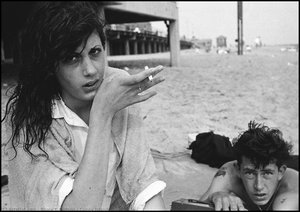
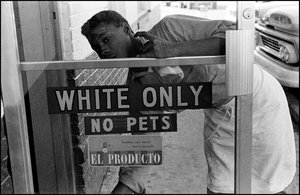
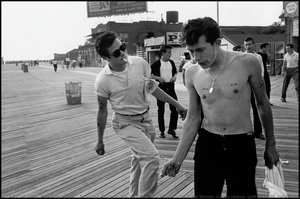
Davidson’s work is characterized by an unwavering commitment to documenting communities often overlooked or misunderstood by mainstream society. His early projects, such as “Brooklyn Gang” (1959), offered a poignant portrayal of troubled teenagers navigating the complexities of urban life. This wasn't simply observation; it was immersion—a willingness to spend months gaining the trust of his subjects and capturing their world with empathy and respect. He continued this exploration with assignments from The New York Times covering the Freedom Riders in the South, which evolved into a broader documentation of the Civil Rights Movement between 1961 and 1965. Supported by a Guggenheim Fellowship, Davidson fearlessly captured the struggles and triumphs of those fighting for equality, producing images that resonated deeply with audiences and contributed to a growing national awareness of racial injustice. His commitment to social commentary reached its zenith with “East 100th Street” (1970), a two-year immersive study of a poverty-stricken block in East Harlem—a project that earned widespread acclaim and solidified his reputation as a master of documentary photography.Expanding Horizons: Subway, Central Park, and Beyond
Throughout the 1970s and beyond, Davidson continued to push creative boundaries, exploring new subjects and techniques. “Subway” (late 1970s) marked a significant shift towards color photography, capturing the gritty energy and diverse characters of New York City’s underground transit system. He didn't shy away from the darkness or the chaos; instead, he embraced it, creating images that were both visually arresting and emotionally resonant. In the early 1990s, Davidson turned his lens towards Central Park, transforming this iconic urban oasis into a canvas for exploring themes of beauty, solitude, and human connection. He revisited East 100th Street in 1998, documenting the changes that had occurred over three decades—a poignant reflection on gentrification, resilience, and the enduring spirit of community. Beyond still photography, Davidson also ventured into filmmaking, directing award-winning short films that further showcased his storytelling abilities. His work has been recognized with numerous accolades, including the Outstanding Contribution to Photography Award at the 2011 Sony World Photography Awards and the Infinity Award for Lifetime Achievement from the International Center of Photography in 2018—testaments to a career dedicated to capturing the human experience with compassion, integrity, and artistic vision. His images continue to provoke thought, inspire dialogue, and remind us of our shared humanity.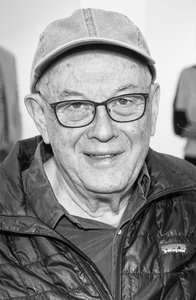
Bruce Davidson
1933 - , United States of America
Quick Facts
- Artistic Movement Or Style: Social documentary photography
- Artists Who Influenced This Artist:
- Robert Frank
- Eugene Smith
- Henri Cartier-Bresson
- Date Of Birth: September 5, 1933
- Full Name: Bruce Landon Davidson
- Nationality: American
- Notable Artworks:
- Brooklyn Gang
- East 100th Street
- Subway
- Untitled
- Place Of Birth: Oak Park, USA

