

 Preview
 Send
Send Share
Share
 Details

 Download
 Similars
 X-Ray
X-Ray Diaporama
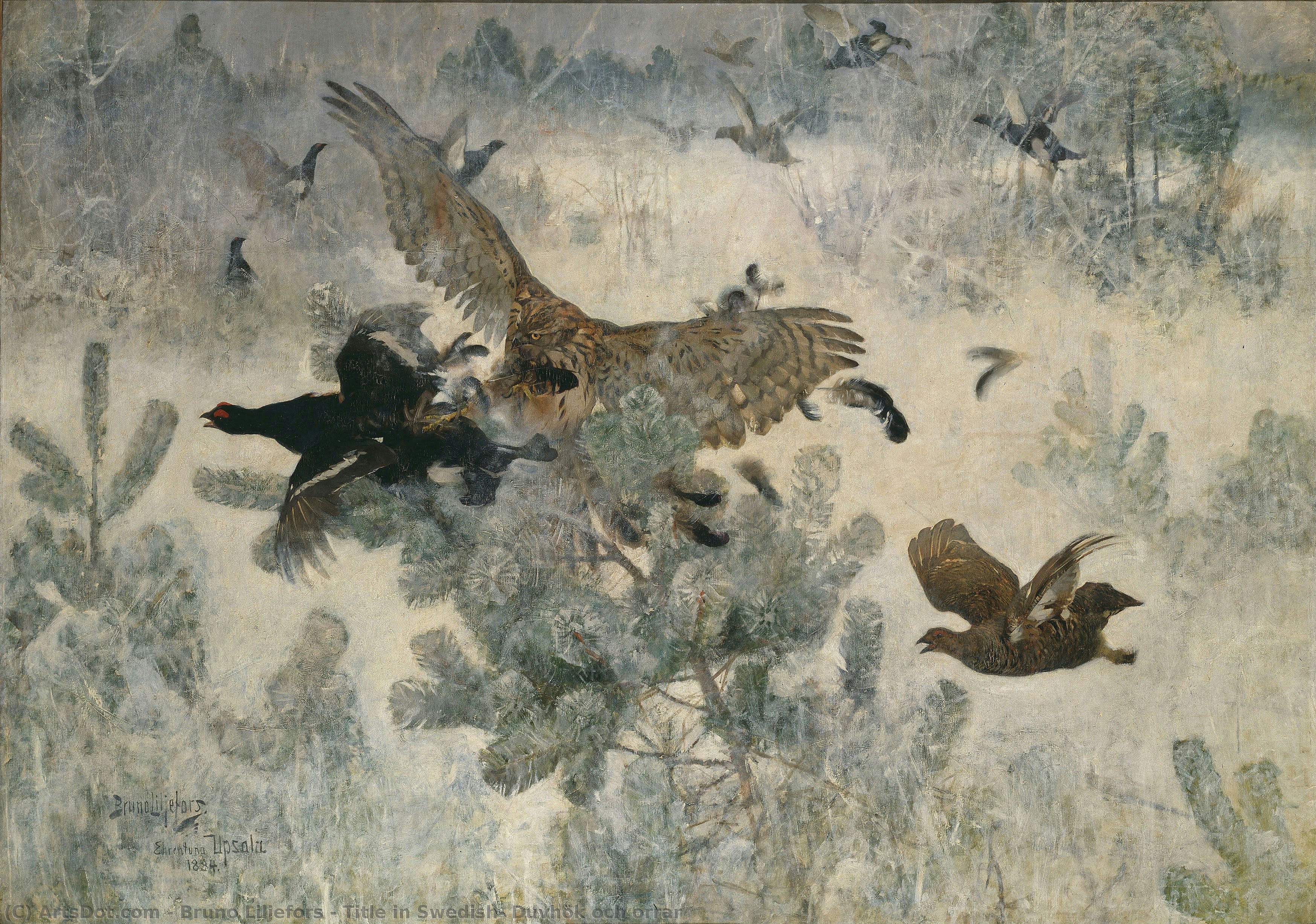
Title in Swedish: Duvhök och orrar
 Acrylic On Canvas
- WallArt
- Impressionistic Techniques
 1884
1884 2030.0 x 1430.0 cm
 Nationalmuseum
 Read More
Purchase a high-resolution, enhanced digital image, far superior to the online preview.
Each file is meticulously prepared by our in-house specialists using advanced tools and expert manual retouching. We ensure every image has exceptional clarity, precise color accuracy, and fine detail.
The final file is delivered via email within 72 hours, optimized for immediate use in professional, editorial, and print environments. This is the same quality trusted by top-tier design studios, publishers, and galleries.
Digital Image
Download a high-resolution file for personal display, printing, and creative projects. ( Buy Print Buy Hand Made Painting)
Included in Every Digital Image Order
Expert Digital Delivery, Guaranteed
When you choose ArtsDot.com, you're not just getting an image - you're receiving a professionally enhanced digital artwork, crafted with precision and backed by a satisfaction guarantee. Here's everything that comes with your order, automatically:

Fast Email Delivery
Your high-resolution digital image file will be emailed to you within 72 hours of ordering - ready for immediate use.

AI-Enhanced Digital File
Your artwork is professionally optimized using advanced AI tools and manual editing, ensuring maximum detail, clarity, and color accuracy.

Free Lifetime Re-Delivery
Accidentally deleted or lost your file? No worries - we'll resend it to you anytime, free of charge.

No Import Fees - Ever
Enjoy your artwork instantly with zero customs, duties, or delivery fees - digital downloads are always tax-free.

Color Accuracy Guarantee
We ensure your digital image reflects the original colors as closely as possible using professional tools and color management.

60-Day Satisfaction Guarantee
If you're not satisfied with your digital image, we'll revise it or refund 100% within 60 days - no questions asked.

100% Money-Back Guarantee
Not satisfied? Get a full refund within 60 days of receiving your digital file - no questions asked.

Bulk Order Discounts
Buy 3 images, save 10% - Buy 5, save 15% - Buy 10+, save 20%. Great for creative projects, galleries, and agencies.
Collectible Description
A Symphony of Winter’s Grip: Exploring Bruno Liljefors' Duvhök och Orrar
Bruno Liljefors’ “Duvhök och Orrar” – translated as “Hawk and Owls” – isn’t merely a painting; it’s a distillation of the Swedish winter landscape, imbued with an arresting immediacy that speaks to both scientific observation and profound artistic emotion. Completed in 1884, this monumental canvas embodies Liljefors' signature style: a breathtakingly realistic portrayal of wildlife interwoven with Impressionistic brushstrokes that capture the ephemeral beauty of fleeting moments. It resides within the Uppsala Kunsthalle’s collection, securing its place as one of Sweden’s most treasured artistic achievements.The Scene Unfolds: Observation and Artistic Capture
The painting depicts a snowy field teeming with black grouse – *Tetrao tetrax* – their plumage rendered in meticulous detail against the stark white expanse. Dominating the composition is a goshawk (*Accipiter gentilis*) poised mid-strike, its powerful wings outstretched as it pursues a juvenile hawk. Liljefors’ genius lies not just in accurately depicting these birds but in conveying the palpable tension of their encounter – the drama of survival played out against the backdrop of winter's unforgiving cold. He meticulously recreated this scene outdoors, applying grey-white paint thinly with a half-dry brush to achieve an atmospheric effect that perfectly embodies the swirling snow and biting wind characteristic of Ärentuna, north of Uppsala where Liljefors spent his winters.Technique and Impressionistic Vision
Liljefors’ technique was revolutionary for its time. Rejecting academic conventions, he embraced Impressionism's focus on capturing light and color as perceived by the eye – a bold departure from traditional artistic representations. Yet, unlike many Impressionists who prioritized fleeting impressions, Liljefors combined this approach with painstaking anatomical accuracy. He painstakingly studied specimens of hawks and grouse, meticulously sketching them before applying his vibrant palette to canvas. The resulting texture is remarkable; visible brushstrokes create a sense of movement and dynamism, mirroring the frantic activity of the birds themselves. This layering of technique – observation coupled with Impressionistic artistry – elevates “Duvhök och Orrar” beyond mere depiction into an immersive experience for the viewer.Historical Context: Liljefors' Pursuit of Naturalism
Liljefors’ artistic endeavors were driven by a fervent belief in the importance of portraying nature truthfully. He was deeply influenced by Darwinian theory, recognizing the interconnectedness of all living organisms and striving to capture their essence with uncompromising realism. The painting reflects the broader intellectual currents of its era – a burgeoning interest in scientific inquiry alongside an appreciation for the sublime beauty of the natural world. It stands as testament to Liljefors’ conviction that art could illuminate the wonders of existence and inspire awe.Symbolism: More Than Just Birds
Beyond its stunning visual impact, “Duvhök och Orrar” carries symbolic weight. The hawk represents power and dominance, while the juvenile hawk symbolizes vulnerability and innocence – a poignant juxtaposition reflecting the cyclical nature of life and death within the ecosystem. The snow itself serves as a metaphor for hardship and resilience, mirroring Liljefors’ own unwavering dedication to his craft despite facing considerable challenges during his lifetime. Ultimately, the painting invites contemplation on themes of predation, survival, and the enduring beauty of the natural world.Emotional Resonance: A Masterpiece That Still Captivates
“Duvhök och Orrar” transcends mere artistic skill; it evokes a profound emotional response. The painting’s dynamism captures the thrill of observation, transporting the viewer to the frozen landscape of Ärentuna and immersing them in the drama of the avian world. It speaks to our primal fascination with wildlife and reminds us of the fragility of existence within the grand scheme of nature. Liljefors' ability to convey both scientific precision and emotional depth solidified his legacy as one of Sweden’s greatest artists—a painter who dared to confront the sublime beauty and inherent brutality of the natural world, resulting in a timeless masterpiece that continues to inspire admiration and contemplation today.Related Artworks

Artist Biography
A Master of Wild Encounters: The Life and Art of Bruno Liljefors
Bruno Andreas Liljefors, born in Uppsala, Sweden, in 1860, emerged as a pivotal figure in late nineteenth and early twentieth-century art, celebrated primarily for his dynamic depictions of wildlife. He wasn’t merely an animal painter; he was a chronicler of nature's raw drama, a master of capturing fleeting moments of predator and prey locked in their ancient dance. Liljefors distinguished himself through an innovative blend of Impressionistic techniques with meticulous observation, creating works that resonated with both scientific accuracy and emotional power. His influence extended far beyond his native Sweden, impacting generations of wildlife artists who followed. His early life offered little indication of the artistic path he would forge. Though born into a modest family—his father was an official in the mining industry—a natural talent for drawing quickly became apparent. Local shopkeepers recognized and nurtured this gift, providing young Bruno with art supplies that fueled his burgeoning passion. This early encouragement laid the foundation for formal training at the Royal Swedish Academy of Fine Arts in Stockholm beginning in 1879.From Academic Roots to Impressionistic Visions
Liljefors’s artistic journey wasn't immediate or straightforward. His initial studies adhered to the academic realism prevalent at the time, focusing on historical painting and traditional subjects. However, a period of travel across Europe—Düsseldorf, Venice, Florence, Rome, and Paris—proved transformative. Exposure to diverse artistic currents, particularly in France, ignited a shift towards Impressionism. He found himself drawn to the loose brushwork, vibrant colors, and emphasis on capturing fleeting moments of light that characterized the work of artists like Claude Monet and Pierre-Auguste Renoir. This newfound aesthetic sensibility wasn’t simply adopted wholesale; Liljefors ingeniously integrated it with his deep understanding of animal behavior and anatomy. He didn't just paint animals *in* nature, he painted nature *through* the animals, conveying their essence within a dynamic environment. This period also saw him engage with the Scandinavian artist colony in Gréz-sur-Loing, further refining his artistic vision and fostering connections that would shape his career. The influence of Japanese woodblock prints, with their unique perspectives and flattened compositions, also began to subtly permeate his work, adding another layer of complexity to his evolving style.The Drama of the Wild: Defining Liljefors’s Style
Liljefors carved a niche for himself by focusing on scenes of predation—the hawk descending upon its prey, the sea eagle pursuing an eider duck, the fox stalking a hare. These weren't merely depictions of violence; they were explorations of nature’s inherent drama, rendered with remarkable sensitivity and psychological insight. He avoided sensationalism or moralizing, instead presenting these encounters as natural occurrences within a larger ecological framework. His technique was crucial to achieving this effect. Liljefors employed broken brushstrokes and a vibrant palette to capture the play of light and shadow across feathers, fur, and landscapes. He possessed an exceptional ability to render camouflage patterns, demonstrating a keen understanding of how animals blend into their surroundings. This wasn’t simply about visual accuracy; it was about conveying the animal's perspective—how they perceive and interact with their environment. To ensure authenticity, Liljefors maintained a menagerie of live animals at his home, allowing him to study their movements and behaviors firsthand. He didn’t rely on sketches or photographs; he painted from life, imbuing his works with an immediacy and vitality that set them apart.Legacy and Enduring Influence
Bruno Liljefors died in Stockholm in 1939, leaving behind a body of work that continues to captivate audiences today. His paintings are held in major museums across Sweden and internationally, serving as testaments to his artistic skill and enduring vision. He remains an iconic figure in Swedish art and culture, celebrated for his ability to capture the essence of the natural world with both scientific precision and poetic grace. His influence on subsequent generations of wildlife artists is undeniable. Artists like Michael Coleman have openly acknowledged their debt to Liljefors’s innovative techniques and profound understanding of animal behavior. Beyond the realm of fine art, Liljefors's work has also had a subtle but significant impact on our perception of nature itself. His paintings encourage us to look more closely at the world around us, to appreciate the beauty and complexity of ecological relationships, and to recognize the inherent drama that unfolds in even the most seemingly tranquil landscapes. His legacy is not merely one of artistic achievement, but also of fostering a deeper connection between humanity and the natural world. He stands as a testament to the power of art to illuminate, inspire, and ultimately, to remind us of our place within the grand tapestry of life.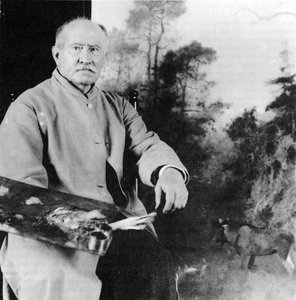
Bruno Liljefors
1860 - 1939 , Sweden
Quick Facts
- Artistic Movement Or Style: Impressionism, Wildlife art
- Artists Or Movements Influenced By This Artist: ['20thC wildlife artists']
- Artists Who Influenced This Artist:
- Claude Monet
- Pierre-Auguste Renoir
- Date Of Birth: 1860
- Date Of Death: 1939
- Full Name: Bruno Liljefors
- Nationality: Swedish
- Notable Artworks:
- Hawk attacking prey
- Sea eagle & Eider Duck
- Red Grouse In The Snow
- Midsummer Celebration
- Place Of Birth: Uppsala, Sweden

