

 Preview
 Send
Send Share
Share
 Details

 Download
 Similars
 X-Ray
X-Ray Diaporama
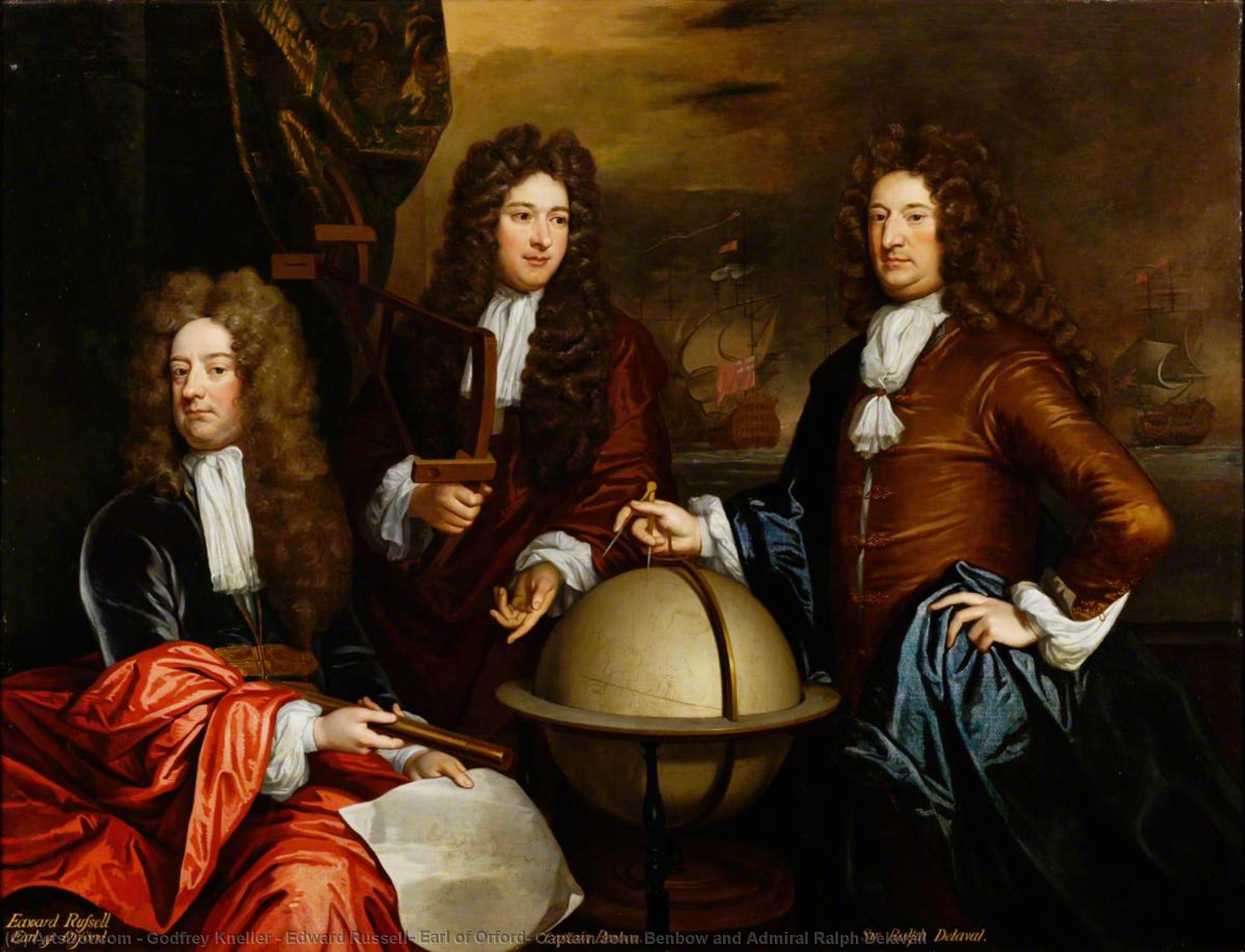
Edward Russell, Earl of Orford, Captain John Benbow and Admiral Ralph Delavall


 Read More
Purchase a high-resolution, enhanced digital image, far superior to the online preview.
Each file is meticulously prepared by our in-house specialists using advanced tools and expert manual retouching. We ensure every image has exceptional clarity, precise color accuracy, and fine detail.
The final file is delivered via email within 72 hours, optimized for immediate use in professional, editorial, and print environments. This is the same quality trusted by top-tier design studios, publishers, and galleries.
Digital Image
Download a high-resolution file for personal display, printing, and creative projects. ( Buy Print Buy Hand Made Painting)
Included in Every Digital Image Order
Expert Digital Delivery, Guaranteed
When you choose ArtsDot.com, you're not just getting an image - you're receiving a professionally enhanced digital artwork, crafted with precision and backed by a satisfaction guarantee. Here's everything that comes with your order, automatically:

Fast Email Delivery
Your high-resolution digital image file will be emailed to you within 72 hours of ordering - ready for immediate use.

AI-Enhanced Digital File
Your artwork is professionally optimized using advanced AI tools and manual editing, ensuring maximum detail, clarity, and color accuracy.

Free Lifetime Re-Delivery
Accidentally deleted or lost your file? No worries - we'll resend it to you anytime, free of charge.

No Import Fees - Ever
Enjoy your artwork instantly with zero customs, duties, or delivery fees - digital downloads are always tax-free.

Color Accuracy Guarantee
We ensure your digital image reflects the original colors as closely as possible using professional tools and color management.

60-Day Satisfaction Guarantee
If you're not satisfied with your digital image, we'll revise it or refund 100% within 60 days - no questions asked.

100% Money-Back Guarantee
Not satisfied? Get a full refund within 60 days of receiving your digital file - no questions asked.

Bulk Order Discounts
Buy 3 images, save 10% - Buy 5, save 15% - Buy 10+, save 20%. Great for creative projects, galleries, and agencies.
A Portrait of Ambition and Exploration: Edward Russell, Earl of Orford, Captain John Benbow and Admiral Ralph Delavall
Sir Godfrey Kneller’s “Edward Russell, Earl of Orford, Captain John Benbow and Admiral Ralph Delavall,” painted in 1692, transcends mere representation; it embodies the spirit of its era—a period defined by burgeoning scientific curiosity, naval prowess, and aristocratic grandeur. This Baroque portrait captures three figures who stood at the forefront of British maritime adventure and intellectual enlightenment.
- Subject Matter: The painting depicts Earl Russell, a prominent nobleman known for his patronage of science and exploration, alongside Captain John Benbow, a celebrated navigator famed for his daring voyages to Tierra del Fuego, and Admiral Ralph Delavall, a respected naval officer who commanded ships during the War of Succession. Their presence is underscored by a large terrestrial globe – a potent symbol of ambition, knowledge, and dominion—serving as a focal point for contemplation.
- Style & Technique: Kneller’s masterful execution exemplifies the Baroque aesthetic, prioritizing dramatic lighting and meticulous detail. Oil paints on canvas lend themselves to rich textures and nuanced tonal gradations, allowing for an immersive experience of color and form. Lines delineate the figures' contours with precision, creating a sense of solidity and reinforcing their status as commanding personalities.
- Historical Context: Created during Charles II’s reign and continuing into George I’s rule, “Edward Russell…” reflects the intellectual fervor of the time—a fascination with scientific discovery fueled by voyages like Benbow's. The depiction aligns perfectly with the aristocratic tastes of the period, emphasizing lineage, honor, and worldly achievement.
- Symbolism: Beyond its visual splendor, the painting is laden with symbolic significance. The globe represents not merely geographical awareness but also the aspiration to conquer new frontiers—a metaphor for Russell’s intellectual pursuits and Benbow's daring expeditions. Furthermore, Delavall’s posture against a ship symbolizes naval authority and the importance of maritime power.
- Emotional Impact: Kneller skillfully conveys dignity and confidence through his portrayal of the subjects. The dramatic lighting enhances their expressions, conveying ambition and commanding presence. The overall composition exudes grandeur and formality—a testament to Kneller’s ability to capture not just likenesses but also the essence of character.
A reproduction of “Edward Russell…” offers an exceptional opportunity to bring a masterpiece of Baroque portraiture into any interior space, preserving its captivating beauty and conveying its profound historical resonance. Its meticulous detail and evocative symbolism continue to inspire admiration and intrigue centuries later.
Related Artworks






Artist Biography
Sir Godfrey Kneller: The Master of Manner
Godfrey Kneller (1646-1723) stands as a monumental figure in English Baroque art, recognized primarily for his unparalleled skill in capturing the likenesses of prominent individuals – particularly what became known as “Kit-Cat portraits.” These exquisitely detailed depictions of cats adorning aristocratic interiors exemplify his meticulous technique and profound understanding of visual culture. Born Gottfried Kniller in Lübeck, Germany, he emigrated to England around 1675, establishing himself as a prolific portraitist and securing prestigious commissions from royalty and nobility throughout the reign of Charles II and George I. His legacy extends beyond mere artistic achievement; he played a crucial role in shaping the visual landscape of Georgian Britain and fostering an enduring fascination with royal patronage.- Early Life & Training: Kneller’s formative years were spent studying under Johann Zacharias Kneller, his brother, who instilled in him a rigorous approach to drawing and painting—a cornerstone of his artistic philosophy. This disciplined training honed his observational skills and prepared him for the demands of producing portraits that conveyed not only physical appearance but also psychological character.
- The Kit-Cat Portrait Phenomenon: Kneller’s fame skyrocketed thanks to his innovative “Kit-Cat portraits.” These canvases featured cats meticulously rendered alongside their aristocratic owners, reflecting a burgeoning trend in decorative arts and signaling a shift towards portraying subjects within their domestic environments. The symbolism embedded in these portraits—representing wealth, status, and intellectual pursuits—demonstrates Kneller's astute awareness of contemporary social conventions.
- Royal Patronage & Artistic Development: Kneller’s career flourished under the patronage of Charles II and George I, securing commissions that allowed him to refine his style and explore ambitious projects. He became court painter to both monarchs, producing portraits of kings, queens, princes, and diplomats—works that solidified his reputation as one of England's foremost artists. His meticulous attention to detail and masterful use of chiaroscuro (the dramatic interplay of light and shadow) exemplify the grandeur of the Grand Manner style prevalent during his era.
- Notable Works & Legacy: Among Kneller’s most celebrated achievements are portraits of Charles II, Henry Purcell, Christopher Wren, Isaac Newton, and Benjamin Franklin—each capturing subjects with remarkable accuracy and conveying their personalities with sensitivity. His influence extended beyond portraiture; he served as director of the Royal Military School of Music in Twickenham for decades, fostering artistic talent and contributing to the cultural vibrancy of Georgian London.
- A Lasting Impression: Kneller’s meticulous technique and stylistic innovations continue to inspire artists today. He remains a symbol of artistic excellence and exemplifies the enduring power of portraiture as a medium for documenting history and capturing the essence of human character. His work resides in major museums worldwide, ensuring that his contribution to English Baroque art will be remembered for generations to come.
Influences & Artistic Style
Kneller’s artistic vision was profoundly shaped by the traditions of Flemish and Italian Baroque painting—particularly Rembrandt van Rijn and Caravaggio—whose dramatic use of light and shadow established a precedent for portraying emotion and psychological complexity. He embraced the Grand Manner style, characterized by monumental scale, idealized figures, and carefully orchestrated compositions designed to convey dignity and authority. This stylistic approach reflected the aspirations of the English monarchy during his time and cemented Kneller’s position as a champion of artistic innovation.The Kneller Hall & Its Significance
The house Kneller built in Whitton, near Twickenham, became occupied by Kneller Hall in the mid-19th century—a testament to his enduring influence on British society and culture. This stately mansion served as a home for the Royal Military School of Music, symbolizing Kneller’s commitment to artistic education and fostering a tradition of musical excellence. The hall itself stands as an architectural landmark, reflecting the grandeur of Georgian Britain and embodying the values championed by Kneller—discipline, refinement, and intellectual curiosity.Further Exploration
For deeper insights into Godfrey Kneller’s life and work, consult resources such as: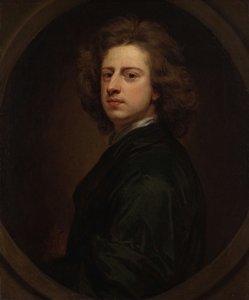
bt sir godfrey kneller
1646 - 1723 , Italy
Quick Facts
- Artistic Movement Or Style: Baroque
- Artists Or Movements Influenced By This Artist: English Portraiture
- Artists Who Influenced This Artist: Johann Zacharias Kneller
- Date Of Birth: August 8, 1646
- Date Of Death: October 19, 1723
- Full Name: Godfrey Kneller
- Nationality: Italian
- Notable Artworks:
- Portrait of Charles II
- Portrait of Henry Grey
- Place Of Birth: Lübeck, Italy

