

 Send
Send Share
Share
 Details

 Download
 Similars
 Diaporama
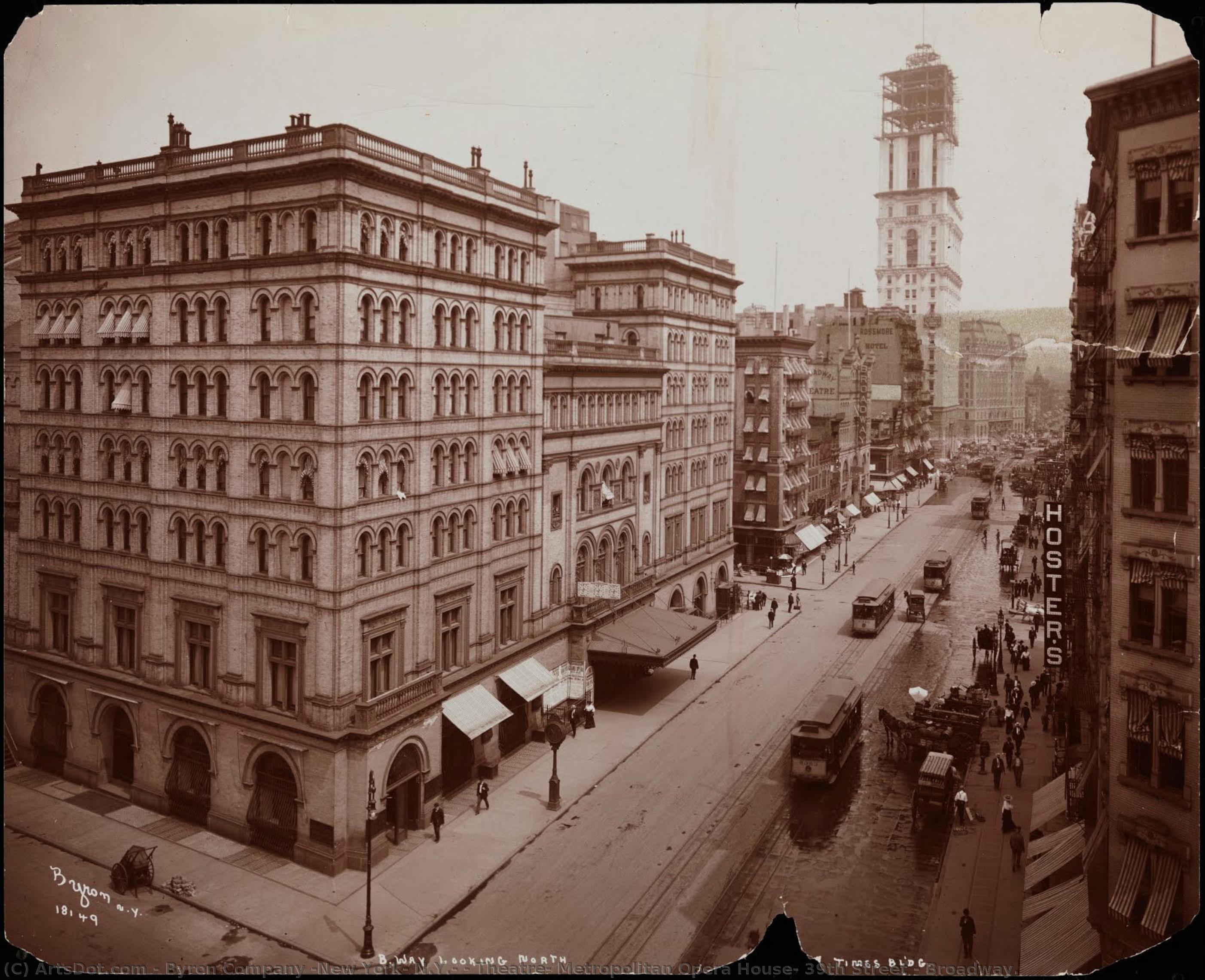
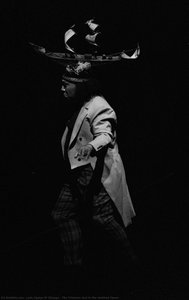
Theatre, Metropolitan Opera House, 39th Street & Broadway.


 Read More
Purchase a high-resolution, enhanced digital image, far superior to the online preview.
Each file is meticulously prepared by our in-house specialists using advanced tools and expert manual retouching. We ensure every image has exceptional clarity, precise color accuracy, and fine detail.
The final file is delivered via email within 72 hours, optimized for immediate use in professional, editorial, and print environments. This is the same quality trusted by top-tier design studios, publishers, and galleries.
Digital Image
Download a high-resolution file for personal display, printing, and creative projects. ( Buy Print Buy Hand Made Painting)
Included in Every Digital Image Order
Expert Digital Delivery, Guaranteed
When you choose ArtsDot.com, you're not just getting an image - you're receiving a professionally enhanced digital artwork, crafted with precision and backed by a satisfaction guarantee. Here's everything that comes with your order, automatically:

Fast Email Delivery
Your high-resolution digital image file will be emailed to you within 72 hours of ordering - ready for immediate use.

AI-Enhanced Digital File
Your artwork is professionally optimized using advanced AI tools and manual editing, ensuring maximum detail, clarity, and color accuracy.

Free Lifetime Re-Delivery
Accidentally deleted or lost your file? No worries - we'll resend it to you anytime, free of charge.

No Import Fees - Ever
Enjoy your artwork instantly with zero customs, duties, or delivery fees - digital downloads are always tax-free.

Color Accuracy Guarantee
We ensure your digital image reflects the original colors as closely as possible using professional tools and color management.

60-Day Satisfaction Guarantee
If you're not satisfied with your digital image, we'll revise it or refund 100% within 60 days - no questions asked.

100% Money-Back Guarantee
Not satisfied? Get a full refund within 60 days of receiving your digital file - no questions asked.

Bulk Order Discounts
Buy 3 images, save 10% - Buy 5, save 15% - Buy 10+, save 20%. Great for creative projects, galleries, and agencies.
Related Artworks


Artist Biography
A Glimpse into the World of Byron Company
Byron Company, a New York-based artist, remains an intriguing figure whose work offers a fascinating window into the visual culture surrounding the Metropolitan Opera House during its early years. While biographical details are currently scarce, his surviving artwork—specifically his depictions of the iconic theatre itself—provides compelling evidence of his skill and the importance he placed on capturing this architectural marvel. Company’s artistic output appears to be centered around the late 19th or early 20th century, a period marked by significant growth in both the arts and urban development within New York City. His work isn't about grand narratives or personal expression; instead, it is a meticulous documentation of place, imbued with an appreciation for detail and a sense of civic pride.Documenting the Metropolitan Opera House
The core of Byron Company’s known oeuvre consists of views of the Metropolitan Opera House, located on 39th Street & Broadway. These aren't merely architectural renderings; they are vibrant snapshots of a bustling cultural hub. His painting, “Theatre, Metropolitan Opera House, 39th Street & Broadway,” exemplifies this approach. The artwork isn’t simply about the building’s façade—though it is rendered with impressive precision—but also conveys the energy of the surrounding streets, hinting at the social life that flourished around the opera house. This suggests Company wasn't solely interested in architectural form but also in the theatre’s role as a focal point for New York society. The composition invites viewers to imagine themselves amidst the activity, experiencing the excitement and grandeur of an evening at the Opera.Technique and Style
Company’s technique leans towards realism, with a clear emphasis on accurate representation. His brushwork is detailed yet not overly labored, creating a sense of immediacy and capturing the textures of brick, stone, and glass. The use of light and shadow further enhances the depth and dimensionality of his scenes, drawing attention to key architectural features and highlighting the building’s imposing presence. While it's difficult to pinpoint specific artistic influences without more extensive biographical information, one can detect echoes of the American Realist movement in his commitment to depicting everyday life and urban landscapes. His style is accessible and inviting, appealing to a broad audience interested in capturing memories or celebrating local landmarks.Historical Significance
Byron Company’s work holds historical significance as a visual record of a pivotal moment in New York City's cultural development. The Metropolitan Opera House, opened in 1883, quickly became a symbol of the city’s growing sophistication and artistic ambition. Company’s paintings offer valuable insights into how this landmark was perceived by contemporaries—not just as an architectural achievement but also as a vibrant center for social interaction and entertainment. His art provides a tangible link to the past, allowing us to glimpse the atmosphere and energy of late 19th-century New York. While his name may not be widely recognized today, Byron Company’s contribution lies in his dedication to documenting a beloved institution and preserving its legacy through his skillful artwork. His paintings serve as important historical artifacts, offering a unique perspective on a bygone era.Further Research
- Uncovering Biographical Details: Further research into New York City directories, census records, and art historical archives may reveal more information about Byron Company’s life, artistic training, and connections within the local art community.
- Identifying Additional Works: Expanding the search for paintings signed by Byron Company could uncover additional examples of his work, providing a broader understanding of his artistic range and stylistic development.
- Exploring Contemporary Reception: Investigating contemporary art reviews or exhibition records may shed light on how Company’s work was received by critics and the public during his lifetime.


