 Send
Send Share
Share
 Details

 Download
 Similars
 Diaporama
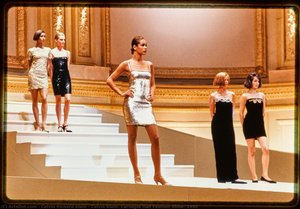
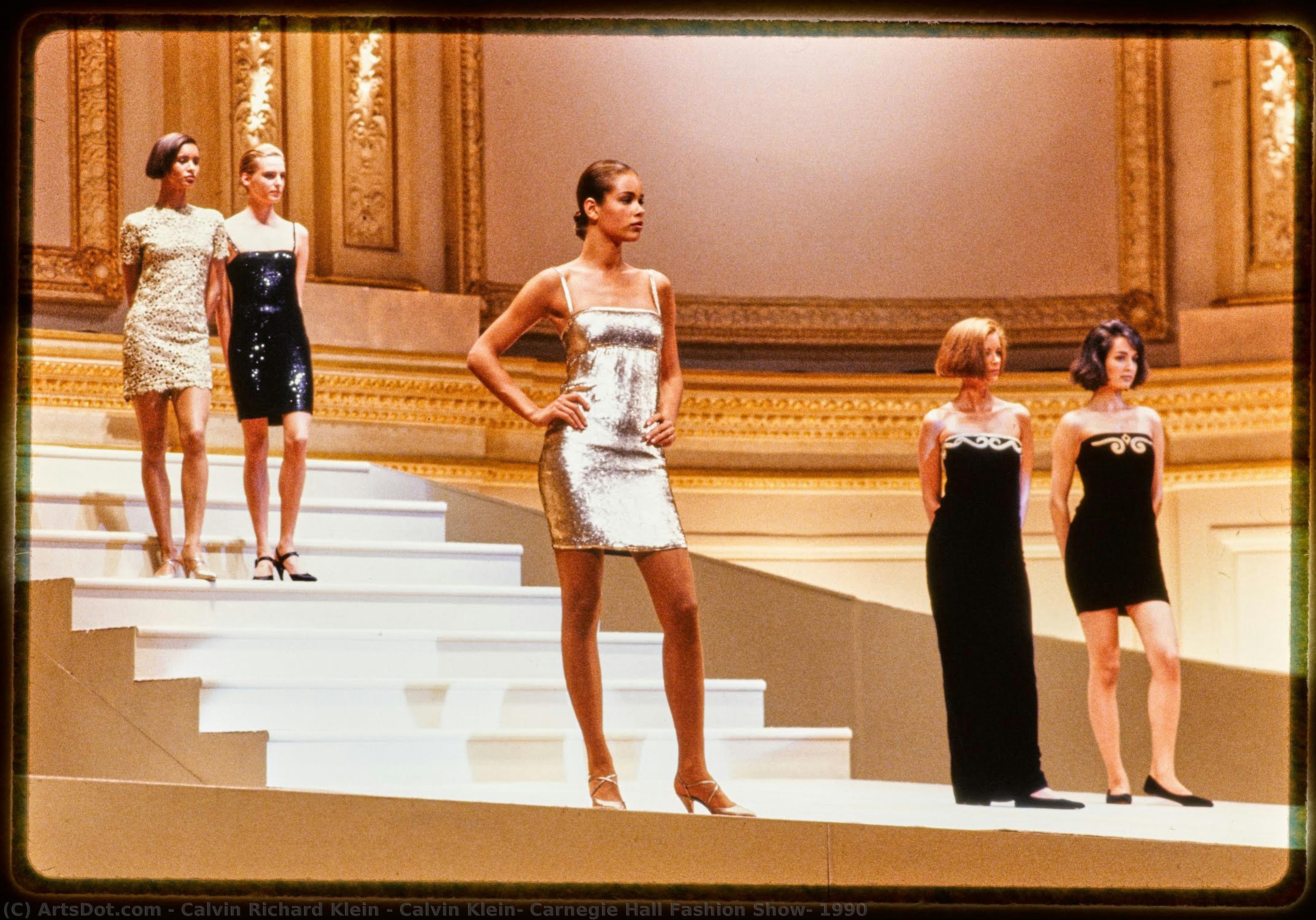
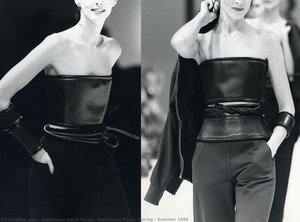
Calvin Klein, Carnegie Hall Fashion Show, 1990


 Read More
Hand Made Oil Reproduction
Hand-painted oil on canvas in your size and frame, made to order by our artists. ( Buy Print Buy Image)




































Pick from our preset sizes that match the artwork's original proportions.

You may enter your own dimensions to fit a specific frame or space. If your selected size does not match the original image's proportions, we will either crop the artwork or extend the painting with additional hand-painted elements. A digital mockup will be sent for your approval before production begins.
Please note that the on-screen preview does not reflect the actual cropping or extension. Only the mockup will accurately show the final composition.
While custom sizes are available, we recommend selecting a dimension from the predefined list to preserve the original proportions.
After order, ArtsDot.com team will email client for instructions and provide a mockup preview
Worldwide Delivery () in 3/4 weeks instead of standard 5 weeks. (1 September). No compromise on quality.

Free Worldwide Express Shipping

High-Quality Linen Canvas

Full Shipping Insurance

Customs Tax Refund Guarantee

True Color Matching Guarantee

60-Day Return Policy (Defects Only)

100% Money-Back Guarantee

Bulk Discount Offer
 Glass option is only available in size under 110 CM

Calvin Klein, Carnegie Hall Fashion Show, 1990
Reproduction Medium
Reproduction Size
-


Total Price
$ 263
A Symphony of Minimalism: The 1990 Carnegie Hall Fashion Show
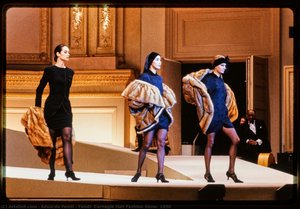
In the grand, storied halls of Manhattan’s cultural epicenter, a singular moment in fashion history was etched into the silver grain of photography. The Calvin Klein, Carnegie Hall Fashion Show, 1990 is not merely a document of apparel; it is a masterful distillation of an era where minimalism met monumental grandeur. Captured in striking black and white, the image presents a profound study in contrasts. It juxtaposes the stark, uncompromising lines of Calvin Klein’s signature aesthetic against the opulent, architectural weight of Carnegie Hall. This photograph serves as a visual manifesto, capturing the precise moment when the stripped-back elegance of the late twentieth century reclaimed its place within the most prestigious stage of classical tradition.
The composition of the piece draws the eye through a rhythmic arrangement of form and shadow. As models descend or ascend a staircase, their silhouettes create a geometric dance that mirrors the structured precision of Klein’s design philosophy. The use of monochrome photography strips away the distraction of color, forcing the viewer to confront the essential elements: the drape of the fabric, the interplay of light on silk and cotton, and the architectural depth of the venue. There is an undeniable sense of movement captured in stillness—a frozen breath of high society where the sleekness of modern fashion meets the timelessness of stone and velvet.
The Architect of Simplicity and Historical Resonance
To understand the emotional weight of this image, one must look to the visionary behind it. Calvin Richard Klein, a pioneer of the minimalist movement, revolutionized the industry by rejecting the flamboyant ornamentation of previous decades in favor of clean lines and understated sophistication. This photograph captures his triumph; by bringing nineteen international designers to Carnegie Hall, Klein elevated fashion from the ephemeral world of commerce to the enduring realm of fine art. The image reflects this ambition, presenting the garments not as mere clothing, but as sculptural objects navigating a space of immense cultural significance.
For the collector or the interior designer, this piece offers more than just aesthetic beauty; it provides a narrative of power and refinement. It evokes the atmosphere of New York City’s golden age of design—a time of bold confidence and quiet luxury. The photograph possesses a versatile emotional impact, capable of anchoring a room with its sophisticated monochrome palette while providing a conversational focal point that speaks to themes of innovation, legacy, and the intersection of different artistic disciplines. Whether placed in a contemporary gallery setting or a classic study, it remains a timeless testament to the power of simplicity.
Related Artworks



Artist Biography
Calvin Richard Klein: A Minimalist Visionary
Calvin Richard Klein (born November 19, 1942) is an American fashion designer renowned for his minimalist aesthetic and iconic branding. He launched the company that would become Calvin Klein Inc. in 1968, revolutionizing the fashion industry with clean lines, provocative advertising campaigns, and a global brand presence.
Early Life and Education
Born in the Bronx, New York City, to Jewish immigrant parents from Austria-Hungary (now Ukraine), Klein’s early life was shaped by a creative environment. He attended the High School of Art and Design in Manhattan, demonstrating an aptitude for design from a young age. He briefly studied at the Fashion Institute of Technology before leaving after his first year. His apprenticeship with cloak-and-suit manufacturer Dan Millstein provided valuable experience, followed by several years designing for other New York City shops.
The Rise of Calvin Klein: Minimalism and Branding
Klein’s breakthrough came in 1968 when he launched his own company with childhood friend Barry K. Schwartz. His early collections featured tailored coats that quickly gained recognition for their clean, minimalist designs. A pivotal moment arrived in 1974 with the introduction of Calvin Klein jeans, featuring provocative advertising campaigns that challenged conventional marketing and helped establish the brand's edgy image. This era saw the rise of his signature denim, known for its tight fit and bold branding, which became a cultural phenomenon.
- Early Influences: Baron de Gunzburg played a significant role in introducing Klein to New York’s elite fashion scene.
- Minimalist Aesthetic: Klein's designs emphasized simplicity, clean lines, and understated elegance, a departure from the more elaborate styles of the time.
- Provocative Advertising: His use of controversial advertising campaigns featuring celebrities and suggestive imagery generated both controversy and immense publicity, solidifying the brand’s identity.
Major Achievements and Legacy
Throughout his career, Klein received numerous accolades for his contributions to fashion, including the Council of Fashion Designers of America Lifetime Achievement Award in 1993. His brand expanded beyond clothing to encompass fragrances, watches, jewelry, and home goods, becoming a global powerhouse with products sold in over 110 countries.
- Iconic Jeans: The Calvin Klein jeans line remains one of the most recognizable and influential denim brands worldwide.
- Fragrance Empire: His fragrance lines, particularly "CK One," achieved massive commercial success and redefined gender norms in perfumery.
- Cultural Impact: Klein’s designs and marketing strategies significantly impacted popular culture, influencing trends in fashion, advertising, and celebrity endorsements.
Historical Significance
Calvin Klein's impact on the fashion industry is undeniable. He pioneered a minimalist aesthetic that continues to influence designers today. His innovative use of branding and provocative advertising campaigns redefined marketing strategies and blurred the lines between fashion and popular culture. Klein’s ability to create a global brand synonymous with luxury, sex appeal, and effortless style cemented his place as one of the most influential figures in 20th and 21st-century fashion.

calvin richard klein
1942 - , United States of America
Quick Facts
- Artistic Movement Or Style: Minimalist fashion design
- Date Of Birth: November 19, 1942
- Full Name: Calvin Richard Klein
- Nationality: American
- Notable Artworks: ['Calvin Klein, Carnegie Hall Fashion Show']
- Place Of Birth (City And Country): New York City, United States
Related Articles

White on Canvas: 10 Masterpieces & Timeless Elegance for Your Home Decor
Explore 10 iconic white paintings by Monet, Whistler & Rothko! Discover the stories behind these serene masterpieces and their impact on art history. Find museum-quality reproductions for your home decor at .

Giclée Prints: Archival Quality & Aesthetic Nuances for the Discerning Collector
Explore the world of giclée prints with ArtsDot. Learn about archival quality, aesthetic nuances & investment potential. Expert guidance for discerning art collectors seeking museum-quality reproductions and lasting value.

Dark Masterpieces: 10 Iconic Paintings Dominated by Black Tones |
Explore 10 iconic paintings dominated by black tones, from Rembrandt’s chiaroscuro to Goya's dark expressions. Discover the stories behind these masterpieces & find museum-quality art reproductions for your home at .

Monochrome Visions: Exploring the Aesthetic & Historical Significance of Black & White Photography
Explore the rich history & artistic power of black and white photography. From early techniques to iconic masters like Ansel Adams, discover why monochrome continues to captivate art lovers today. Expert insights for collectors.

The Enduring Legacy of Fine Art Prints: Technique, History & Aesthetic Impact
Explore the rich history & techniques of fine art prints. Discover investment potential, assess authenticity, and learn how to preserve your collection with expert guidance. Trusted insights for discerning collectors.