 Preview
 Send
Send Share
Share
 Details

 Download
 Similars
 X-Ray
X-Ray Diaporama
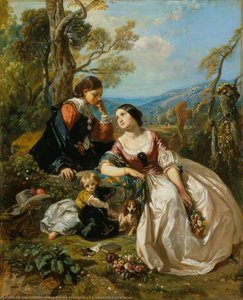
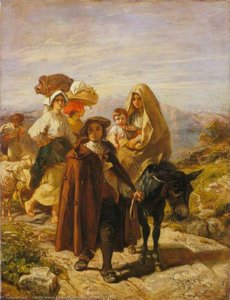
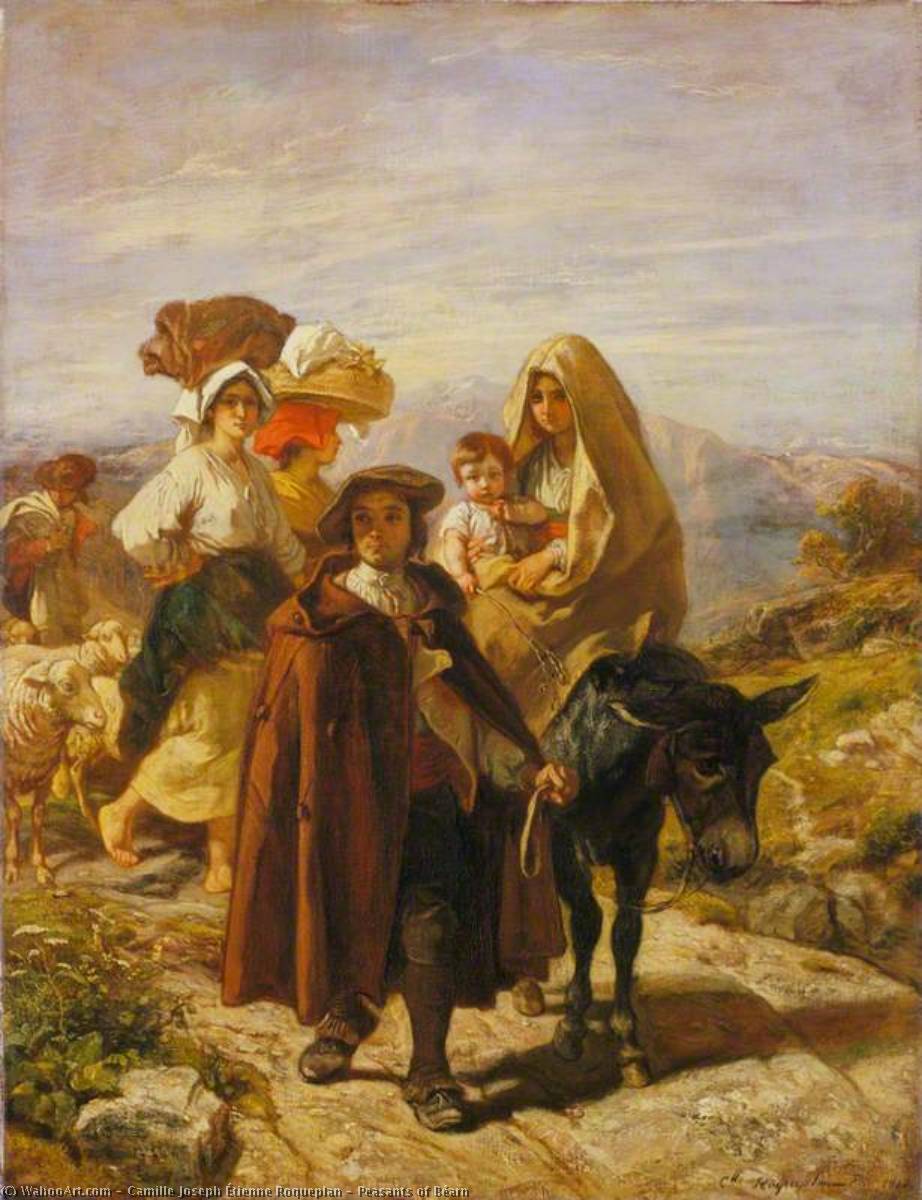
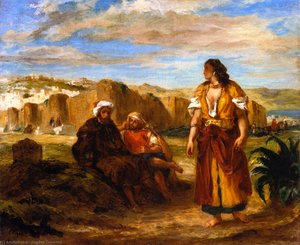
Peasants of Béarn
 1846
1846 55.0 x 41.0 cm
 The Wallace Collection
 Read More
Hand Made Oil Reproduction
Hand-painted oil on canvas in your size and frame, made to order by our artists. ( Buy Print Buy Image)




































Pick from our preset sizes that match the artwork's original proportions.

You may enter your own dimensions to fit a specific frame or space. If your selected size does not match the original image's proportions, we will either crop the artwork or extend the painting with additional hand-painted elements. A digital mockup will be sent for your approval before production begins.
Please note that the on-screen preview does not reflect the actual cropping or extension. Only the mockup will accurately show the final composition.
While custom sizes are available, we recommend selecting a dimension from the predefined list to preserve the original proportions.
After order, ArtsDot.com team will email client for instructions and provide a mockup preview
Worldwide Delivery () in 3/4 weeks instead of standard 5 weeks. (16 August). No compromise on quality.

Free Worldwide Express Shipping

High-Quality Linen Canvas

Full Shipping Insurance

Customs Tax Refund Guarantee

True Color Matching Guarantee

60-Day Return Policy (Defects Only)

100% Money-Back Guarantee

Bulk Discount Offer
 Glass option is only available in size under 110 CM

Peasants of Béarn
Reproduction Medium
Reproduction Size
-


Total Price
$ 263
Related Artworks
Artist Biography
Camille Joseph Etienne Roqueplan: A Romantic Vision of Dauphine Landscapes
Camille Joseph Etienne Roqueplan (18 February 1802/03 – 29 September 1855) was a French Romantic painter whose canvases captured the serene beauty of the Dauphiné region and explored themes of rural life, familial affection, and artistic contemplation. Born in Mallemort, Roqueplan’s early aptitude for drawing—evident in his habit of correcting his classmates—suggested an innate talent that would shape his artistic trajectory. Unlike many aspiring artists of his time who viewed painting as a vocation burdened by obligation, Roqueplan initially resisted the pressure to pursue it professionally, desiring instead a pastime rooted in pleasure and creativity. His father’s encouragement to embrace art ultimately spurred him toward formal instruction, though he confessed to finding the forced lessons distasteful. Driven by an aversion to academic pursuits, Roqueplan turned his attention to medicine, progressing as far as anatomy classes—a subject he found profoundly unappealing—and failing the examination. This setback led him into a clerkship position within the Ministry of Finance, where his father worked, providing a brief respite from artistic endeavors. However, recognizing the limitations of this path, Roqueplan returned to painting, diligently honing his skills through observation and study with local artists who advised him to seek guidance from established masters. A pivotal moment arrived when he secured a place in the studios of Abel de Pujol at the École des Beaux-Arts. Yet, Pujol’s influence proved disappointing; he offered little encouragement or genuine attention, prompting Roqueplan to abandon his studies after three years—perhaps due to lessened pressure compared to Pujol's tutelage. Undeterred by this setback, Roqueplan continued his artistic journey, studying with Antoine Gros, whose instruction was equally sparse. Despite Gros’s lack of enthusiasm, Roqueplan persevered for several more years, recognizing that a supportive environment fostered growth. Roqueplan’s breakthrough came through participation in the Salon of 1822, where he garnered considerable acclaim and secured a prestigious gold medal—a testament to his burgeoning talent and dedication. Subsequently, he accepted a teaching position at the École itself, shaping the artistic sensibilities of students like Charles-Théodore Frère, Prosper Mérilhat, Marie-Alexandre Lalotie, Eugène Lami, Constant Troyon, and Marie Elisabeth Blavot—artists who would go on to achieve considerable renown in their own right. His landscapes, particularly those depicting the Dauphiné, exemplify the Romantic movement’s fascination with unspoiled nature and its desire to convey emotion through visual representation. Works such as “Rousseau and Mlle. Galley Gathering Cherries” and “Summer Pleasures” showcase Roqueplan's masterful technique—characterized by luminous color palettes and meticulous attention to detail—reflecting his profound admiration for the idyllic beauty of rural France. Furthermore, "Peasants of Béarn" captures a poignant portrayal of familial bonds amidst the pastoral landscape. Camille Joseph Etienne Roqueplan’s legacy extends beyond his individual paintings; he stands as an influential teacher who nurtured the artistic vision of a generation and cemented his place as a significant figure in French Romantic art history.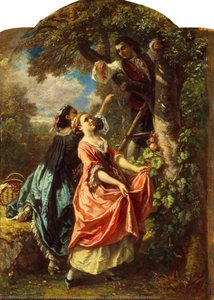
camille joseph étienne roqueplan
1803 - 1855
Quick Facts
- Artistic Movement Or Style: Romanticism
- Artists Or Movements Influenced By This Artist: ['Antoine Gros']
- Artists Who Influenced This Artist: ['Abel de Pujol']
- Date Of Birth: 1802/03
- Date Of Death: 1855
- Full Name: Camille Joseph Etienne Roqueplan
- Nationality: French
- Notable Artworks:
- Rousseau and Mlle. Galley Gathering Cherries
- Summer Pleasures
- Peasants of Béarn
- Place Of Birth: Mallemort