

 Preview
 Send
Send Share
Share
 Details

 Download
 Similars
 X-Ray
X-Ray Diaporama
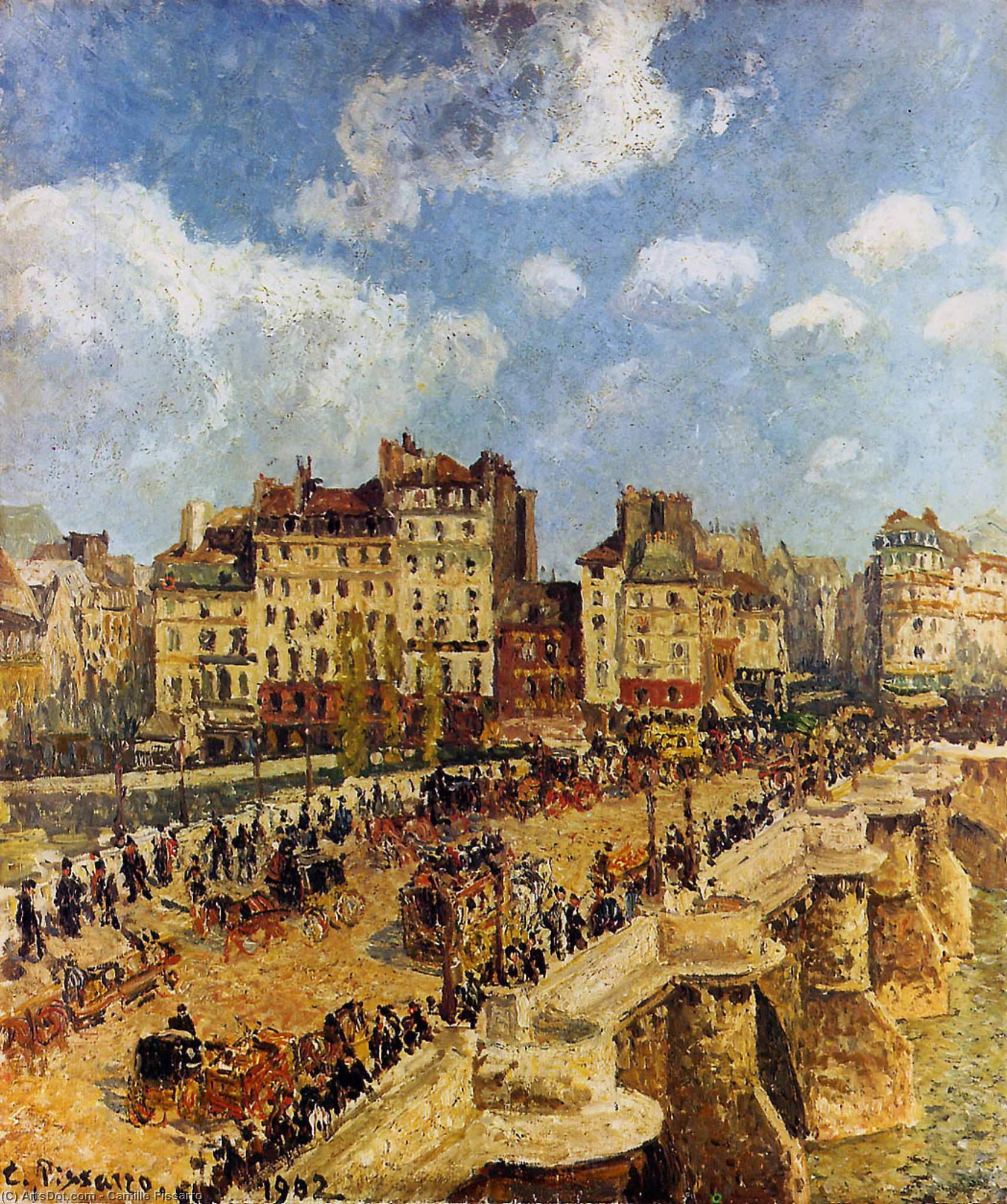
The pont Neuf
 Oil On Canvas
- WallArt
- Impressionism
 1902
1902- Modern
 55.0 x 46.0 cm
 Museum of Fine Arts
 Read More
Purchase a high-resolution, enhanced digital image, far superior to the online preview.
Each file is meticulously prepared by our in-house specialists using advanced tools and expert manual retouching. We ensure every image has exceptional clarity, precise color accuracy, and fine detail.
The final file is delivered via email within 72 hours, optimized for immediate use in professional, editorial, and print environments. This is the same quality trusted by top-tier design studios, publishers, and galleries.
Digital Image
Download a high-resolution file for personal display, printing, and creative projects. ( Buy Print Buy Hand Made Painting)
Included in Every Digital Image Order
Expert Digital Delivery, Guaranteed
When you choose ArtsDot.com, you're not just getting an image - you're receiving a professionally enhanced digital artwork, crafted with precision and backed by a satisfaction guarantee. Here's everything that comes with your order, automatically:

Fast Email Delivery
Your high-resolution digital image file will be emailed to you within 72 hours of ordering - ready for immediate use.

AI-Enhanced Digital File
Your artwork is professionally optimized using advanced AI tools and manual editing, ensuring maximum detail, clarity, and color accuracy.

Free Lifetime Re-Delivery
Accidentally deleted or lost your file? No worries - we'll resend it to you anytime, free of charge.

No Import Fees - Ever
Enjoy your artwork instantly with zero customs, duties, or delivery fees - digital downloads are always tax-free.

Color Accuracy Guarantee
We ensure your digital image reflects the original colors as closely as possible using professional tools and color management.

60-Day Satisfaction Guarantee
If you're not satisfied with your digital image, we'll revise it or refund 100% within 60 days - no questions asked.

100% Money-Back Guarantee
Not satisfied? Get a full refund within 60 days of receiving your digital file - no questions asked.

Bulk Order Discounts
Buy 3 images, save 10% - Buy 5, save 15% - Buy 10+, save 20%. Great for creative projects, galleries, and agencies.
Collectible Description
A Symphony of Parisian Motion
To stand before Camille Pissarro’s “The Pont Neuf” is to be swept into the rhythmic pulse of Paris at the dawn of the twentieth century. Painted in 1902, this masterpiece serves as a breathtaking window into an era defined by rapid transformation and urban vitality. The canvas does not merely depict a bridge; it captures the very breath of a city in motion. As your eyes wander across the scene, you encounter a vibrant tableau of daily life where horse-drawn carriages jostle alongside early bicycles, and pedestrians weave through the bustling streets. Pissarro, acting as a chronicler of modernity, masterfully arranges these figures not as static subjects, but as fleeting impressions of energy, creating a sense of immediacy that makes the viewer feel like a silent observer standing on the edge of the Seine.
The atmosphere is one of luminous, hazy brilliance, where sunlight filters through the architectural silhouettes to illuminate patches of color across the urban landscape. There is a profound emotional resonance in this work—a nostalgic yet exhilarating tribute to a bygone era. For the collector or interior designer, this painting offers more than just aesthetic beauty; it provides a soulful centerpiece that brings the sophisticated, romantic spirit of Belle Époque Paris into any contemporary space. It invites contemplation on the passage of time and the enduring magic of the human connection within the great metropolis.
The Mastery of Light and Broken Color
Technically, “The Pont Neuf” stands as a triumph of the Impressionist method, specifically showcasing Pissarro’s refined use of broken color. Rather than blending pigments into smooth, uniform gradients, the artist applied small, rhythmic strokes of pigment side-by-side. This deliberate technique allows light to dance across the surface of the canvas, creating a shimmering, vibrating quality that mimics the way the human eye perceives movement and light in real-time. The palette is a sophisticated harmony of earthy ochres, deep olive greens, and ethereal pale blues, all working together to construct a solid yet atmospheric structure.
In these later years of his career, Pissarro achieved a remarkable synthesis between the loose, emotive brushwork of his early Impressionist roots and the structured precision learned from Divisionism. This duality gives the painting its unique character: the massive, architectural presence of the bridge provides a sense of permanence, while the flickering touches of paint that form the crowds and carriages suggest the ephemeral nature of a single moment. It is this delicate balance between the enduring stone of Paris and the fleeting movement of its people that renders the work so captivating to the discerning eye.
An Icon of Urban Modernity
Historically, this painting marks a pivotal moment in art history when the focus of the Impressionist movement shifted from the quietude of rural landscapes to the kaleidoscopic energy of the modern city. While contemporaries like Monet retreated into private gardens, Pissarro embraced the street. He transformed the view from his own window into a grand stage for the spectacle of contemporary life. The inclusion of elements such as the Samaritaine department store and the various modes of transport serves as a historical record of a world on the brink of a new century.
For those seeking to adorn a home or gallery with a piece of profound historical significance, a high-quality reproduction of “The Pont Neuf” offers an unparalleled opportunity. It is a work that transcends mere decoration, acting as a bridge between the past and the present. Whether placed in a sunlit study or a grand living hall, Pissarro’s vision of Paris continues to inspire awe, offering a timeless elegance that complements both classical and modern interior aesthetics.
Artist Biography
A Life Rooted in Observation: The World of Camille Pissarro
Camille Pissarro, a name synonymous with both the birth and evolution of Impressionism, was an artist whose life mirrored the shifting landscapes he so devotedly captured on canvas. Born Jacob Abraham Camille Pissarro on July 10, 1830, in Charlotte Amalie, St. Thomas – then part of the Danish West Indies, now the US Virgin Islands – his origins were as diverse and vibrant as the scenes that would later define his artistic vision. His father, a Portuguese Jewish merchant with French nationality, and his mother, from a French-Jewish family on the island, instilled in him a unique cultural heritage. This upbringing, somewhat unconventional due to familial complexities, fostered an early sensitivity to the world around him, a quality that would become the cornerstone of his artistic practice. His initial formal training at the Savary Academy near Paris provided a foundation in traditional techniques, but it was his return to St. Thomas and subsequent work as a cargo clerk that truly ignited his passion for observation. The bustling harbor, the vibrant local life, and the raw beauty of the Caribbean landscape became his first subjects, shaping an eye keenly attuned to the nuances of everyday existence.
From Realism to Revolution: Artistic Development
Pissarro’s artistic journey was one of constant exploration and refinement. After a period assisting Danish painter Anton Melbye in Paris, he immersed himself in the works of masters like Gustave Courbet, Jean-Baptiste-Camille Corot, and Honoré Daumier – artists who championed realism and social commentary. He initially sought acceptance within the established art world, exhibiting at the Paris Salon, but soon found its constraints stifling. A pivotal moment came with his embrace of *plein air* painting—working outdoors directly from nature—a practice encouraged by Corot that would become central to Impressionism. This shift wasn’t merely technical; it represented a philosophical change, a desire to capture the fleeting effects of light and atmosphere, the very essence of a scene rather than its precise representation. He began experimenting with looser brushwork and brighter palettes, moving away from academic conventions towards a more subjective and expressive style. His early landscapes, though still grounded in realism, hinted at the revolutionary path he was about to forge. This period saw him grappling with finding his own voice amidst the burgeoning artistic ferment of Paris, a city undergoing rapid transformation that provided endless inspiration.
The Father Figure of Impressionism
Camille Pissarro wasn’t simply *an* Impressionist; he was arguably its most steadfast and unifying force. Uniquely, he exhibited at all eight Paris Impressionist exhibitions between 1874 and 1886, acting as a stabilizing presence within a group often characterized by internal disagreements and individual ambitions. He wasn’t merely present—he actively encouraged his fellow artists, offering support, guidance, and a much-needed sense of camaraderie. This earned him the affectionate nickname “the father figure” of the movement. His commitment to artistic freedom and innovation was unwavering, even in the face of critical scorn and public indifference. He believed in the power of collective action and championed the idea of artists exhibiting independently from the Salon’s restrictive rules. Beyond his own work, Pissarro's influence extended to a younger generation of artists, including Paul Cézanne, Vincent van Gogh, and Paul Gauguin, whom he mentored and profoundly impacted. He provided them with not only technical advice but also a philosophical framework for their artistic explorations. His willingness to experiment led him briefly into Neo-Impressionism, influenced by Georges Seurat and Paul Signac’s pointillist techniques, before ultimately returning to a more personal style that blended his earlier influences with new discoveries.
Landscapes of Life: Themes and Legacy
Pissarro's artistic output was remarkably diverse, yet consistently focused on the world around him. He is celebrated for his depictions of both rural and urban landscapes, often portraying scenes of everyday life—peasants working in fields, bustling Parisian streets, quiet village squares. His paintings weren’t simply picturesque views; they were social commentaries, reflecting his deep empathy for the working class and his commitment to depicting their lives with dignity and respect.
- Landscapes: Renowned for capturing the beauty of both countryside and city life.
- Scenes of Parisian Life: Vivid portrayals of a rapidly changing metropolis.
- Peasant Life: Reflecting his social consciousness and empathy for the working class.
His later works, particularly those created during periods of political unrest or personal hardship, often carry a sense of melancholy and social critique. Pissarro’s legacy extends far beyond his beautiful paintings. He was a champion of artistic freedom, a mentor to generations of artists, and a pioneer in the development of modern art. His commitment to *plein air* painting revolutionized landscape art, while his willingness to experiment with different styles demonstrated his intellectual curiosity and unwavering dedication to his craft. Today, his works are held in major museums worldwide, continuing to inspire and captivate audiences with their honesty, beauty, and profound humanity. He remains a celebrated figure whose contributions continue to be studied and appreciated for their enduring relevance. Camille Pissarro’s art is not merely a record of the world as it was; it is a testament to the power of observation, empathy, and artistic innovation.
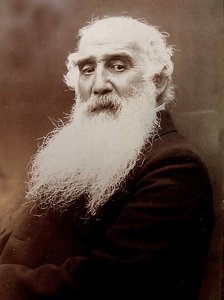
Camille Pissarro
1830 - 1903 , France
Quick Facts
- Artistic Movement Or Style: Impressionism, Neo-Impressionism
- Artists Or Movements Influenced By This Artist:
- Cézanne
- Van Gogh
- Gauguin
- Artists Who Influenced This Artist:
- Courbet
- Corot
- Daubigny
- Date Of Birth: July 10, 1830
- Date Of Death: November 13, 1903
- Full Name: Camille Pissarro
- Nationality: Danish-French
- Place Of Birth: Charlotte Amalie, USA

