 Preview
 Send
Send Share
Share
 Details

 Download
 Similars
 X-Ray
X-Ray Diaporama
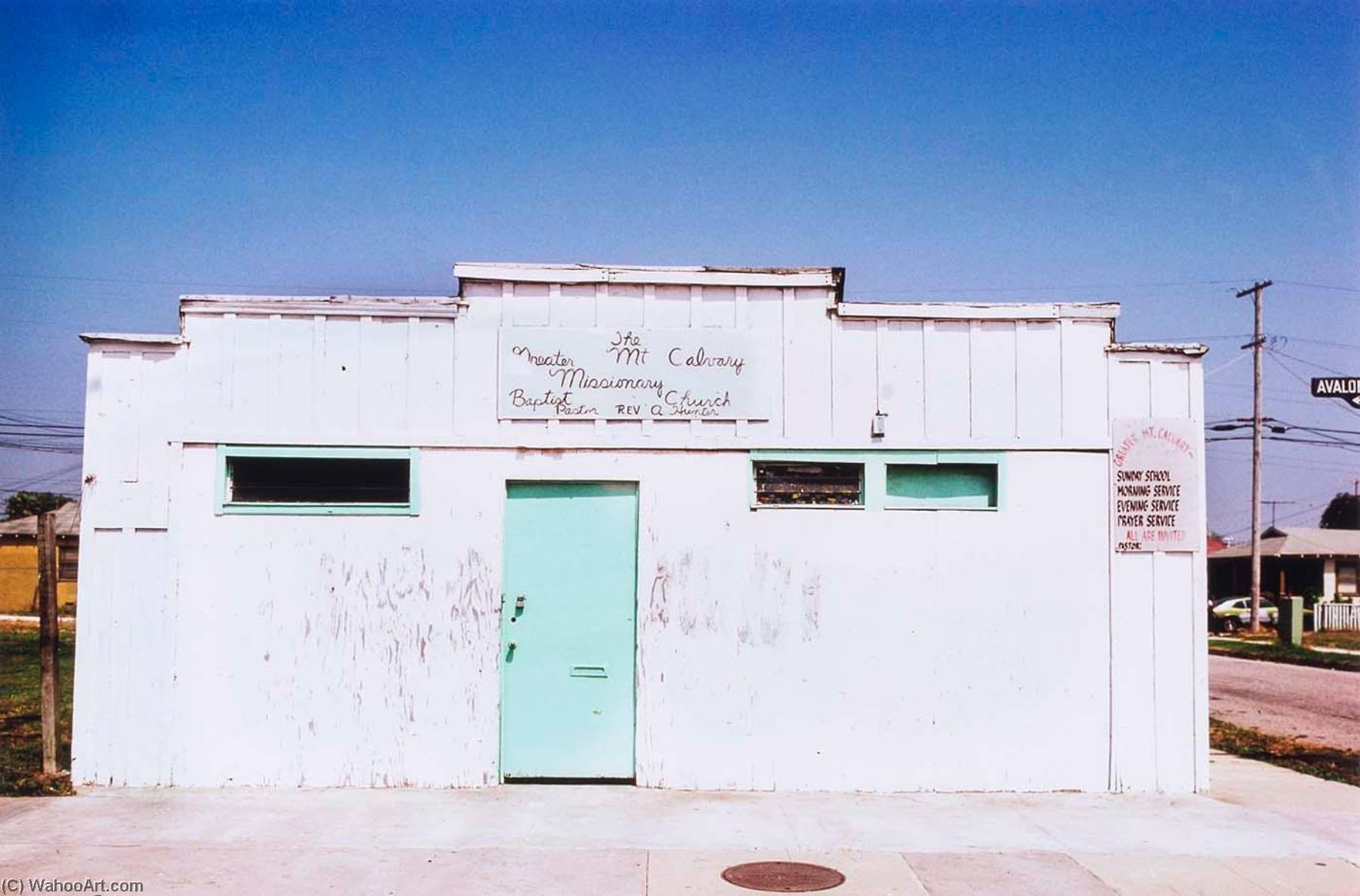
10828 S. Avalon Blvd., LA
 Documentary Photography
 2014
2014 41.0 x 51.0 cm
 Read More
Giclée / Art Print
Museum-quality giclée or canvas print with fast production and flexible finish options. ( Buy Hand Made Painting Buy Image)




P118B $10

P118H $10

P118W $10

P438Z $10

P508JH $12

P508YH $12

P805H $10

P805Z $10

P919BZ $10

P919G $10

P919XJ $10

P959ZH $10

P968JZ $12

W106C $8

W218G $10

W218JH $8

W218Y $10

W307PJ $10

W316G $10

W316PJ $8

W316Y $10

W398PJ $8

W4111J $10

W500HY $15

W500JH $15

W692G $12

W849H $8

W940BG $15

W953PJ $8




Pick from our preset sizes that match the artwork's original proportions.

You may enter your own dimensions to fit a specific frame or space. If your selected size does not match the original image's proportions, we will either crop the artwork or extend the image with a mirrored or solid-fill edge. A digital mockup will be sent for your approval before production begins.
Please note that the on-screen preview does not reflect the actual cropping or extension. Only the mockup will accurately show the final composition.
While custom sizes are available, we recommend selecting a dimension from the predefined list to preserve the original proportions.
Worldwide Delivery () in 2 weeks instead of standard 4/5 weeks. (21 August)

Free Worldwide Express Shipping

High-Quality Linen Canvas

Full Shipping Insurance

Customs Tax Refund Guarantee

True Color Matching Guarantee

60-Day Return Policy (Defects Only)

100% Money-Back Guarantee

Bulk Discount Offer
 Glass option is only available in size under 110 CM

10828 S. Avalon Blvd., LA
Giclée / Art Print
Reproduction Size
-


Total Price
$ 63
Collectible Description
Artistic Background
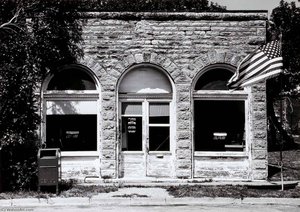
Camilo José Vergara is a renowned Chilean-born American photographer and documentarian, celebrated for his captivating works that showcase the transformation of urban landscapes and cultural heritage. His photographs often feature abandoned buildings, streets, and neighborhoods, highlighting the beauty in decay and neglect. Key Features of the painting include:- A black and white photograph of a building with a blue door
- The building appears to be old and possibly abandoned
- A sign that reads "Ms. Castle" above the doors
- A car parked near the left edge of the picture
Artistic Style and Technique
The painting 10828 S. Avalon Blvd., LA is a prime example of Camilo José Vergara's unique style and technique. His use of black and white photography creates a sense of timelessness, while the composition of the image draws the viewer's eye to the abandoned building. For more information on Camilo José Vergara's work, visit /art/list/?Filter=D3ZF62-Camilo-Jose-Vergara-Puerto-Rican-Wedding-East-Harlem-from-the-series-Old-Ne..The Smithsonian American Art Museum is home to an extensive collection of American art, including works by Julian Alden Weir and Glugio Nicandro. To learn more about the museum's collection, visit /art/list/?Filter=A@D3BE49-The-Smithsonian-Museums-and-their-Art-Collections.
In conclusion, the painting 10828 S. Avalon Blvd., LA by Camilo José Vergara is a thought-provoking piece that showcases the urban landscape of Los Angeles. As a professional expert in Art and salesman at https://ArtsDot.com, I highly recommend exploring the world of hand-made oil painting reproductions, including works by Camilo José Vergara and other renowned artists.
Related Artworks

Artist Biography
Camilo José Vergara: A Chronicler of Urban Decay and Enduring Memory
Camilo José Vergara (born 1944 in Santiago, Chile) is more than just a photographer; he’s a meticulous chronicler of disappearing landscapes – the ghosts of American cities slowly succumbing to time, neglect, and relentless change. His work, deeply rooted in sociological observation and informed by a profound understanding of urban decay, offers a poignant meditation on continuity, memory, and the stories embedded within the built environment. Vergara’s unique approach, utilizing rephotography—returning to the same locations over decades with the exact same camera settings – transforms simple documentation into a powerful narrative that reveals the subtle yet significant shifts occurring within communities.
Vergara's early life in Santiago provided an initial framework for his artistic vision. Born into a family experiencing financial hardship, he witnessed firsthand the complexities of social stratification and the impact of economic decline. This formative experience instilled in him a sensitivity to the human condition and a desire to document marginalized communities – a theme that would become central to his photographic practice. Moving to New York City in 1974 marked a pivotal moment, exposing him to the rapidly evolving urban landscape of America’s major metropolises. Initially working as a street photographer, capturing the vibrant energy of the city's diverse neighborhoods, Vergara soon began to notice patterns of decline and transformation – abandoned buildings, shuttered storefronts, and the gradual erosion of community life.
The Technique of Rephotography: Capturing Time’s Passage
Vergara’s most distinctive contribution to photography lies in his innovative use of rephotography. Rejecting traditional documentary approaches that often focused on capturing a single moment in time, he adopted a systematic methodology for documenting urban change over extended periods. Beginning in the late 1970s and continuing into the present day, Vergara has repeatedly photographed the same locations – from the crumbling tenements of New York City’s Lower East Side to the abandoned housing projects of Chicago and Detroit – using the exact same camera settings, lens, and vantage point. This meticulous process creates a visual record of gradual transformations, revealing subtle shifts in architecture, demographics, and the overall character of a place.
The technical rigor of rephotography is crucial to Vergara’s work. He meticulously documents his photographic equipment – including camera model, lens type, film stock, and exposure settings – ensuring that each subsequent photograph is as closely aligned with its predecessor as possible. This commitment to precision allows viewers to trace the evolution of a location over time, witnessing the slow but steady process of de-urbanization. Furthermore, Vergara’s method isn't simply about recording change; it’s about revealing the *persistence* of memory within the urban fabric – the echoes of past lives and experiences embedded in the physical landscape.
Key Works and Themes
Several key projects exemplify Vergara’s distinctive approach. “Old New York,” a seminal series documenting the transformation of Manhattan's historic neighborhoods, stands as a testament to his meticulous methodology. Through a sequence of photographs taken at the same vantage points over several decades, the series reveals the gradual displacement of immigrant communities and the rise of luxury developments. “The New American Ghetto” (1997), published by Rutgers University Press, further explored the challenges faced by marginalized urban populations in Chicago and other cities, combining photographic documentation with sociological analysis and personal narratives.
Beyond these major works, Vergara’s portfolio includes numerous compelling projects focused on diverse urban landscapes. His photographs of Los Angeles, for example, capture the city's complex history of immigration, industrial decline, and gentrification. Similarly, his series documenting Detroit’s abandoned factories and vacant lots offer a poignant reflection on the city’s economic struggles. Throughout his work, Vergara consistently explores themes of community life, social inequality, and the enduring power of memory in shaping our understanding of place.
Recognition and Legacy
Camilo José Vergara's unique approach to photography has garnered widespread recognition and critical acclaim. He was awarded the MacArthur Fellowship in 2002 – a prestigious “genius grant” that recognizes individuals who demonstrate exceptional creativity and leadership. His work has been exhibited at major museums and galleries around the world, including the National Building Museum in Washington D.C. and the Cooper-Hewitt, Smithsonian Design Museum in New York City. Vergara’s photographs have also been featured in numerous publications, solidifying his position as a leading figure in contemporary documentary photography.
More than just an observer of urban change, Camilo José Vergara is a storyteller – a meticulous chronicler who uses the power of photography to illuminate the hidden histories and enduring memories embedded within our cities. His rephotographic method offers a profound perspective on time, place, and the human experience, reminding us that even in the face of relentless transformation, the past continues to shape the present.
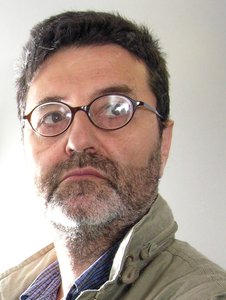
camilo josé vergara
1944 -
Quick Facts
- Artistic Movement Or Style: Urban Photography, Rephotography
- Artists Or Movements Influenced By This Artist: ['Documentary Photo']
- Artists Who Influenced This Artist: ['Jacob Riis']
- Date Of Birth: 1944
- Full Name: Camilo José Vergara
- Nationality: Chilean-American
- Notable Artworks:
- 10828 S. Avalon Blvd., LA
- Puerto Rican Wedding, East Harlem
- Lower East Side, Manhattan
- Place Of Birth: Santiago, Chile
Related Articles

Monochrome Visions: Exploring the Aesthetic & Historical Significance of Black & White Photography
Explore the rich history & artistic power of black and white photography. From early techniques to iconic masters like Ansel Adams, discover why monochrome continues to captivate art lovers today. Expert insights for collectors.
Beyond the Lens: Photography's Enduring Influence on Modern & Contemporary Art
Explore photography's pivotal role in shaping modern & contemporary art. Discover key movements, influential artists like Stieglitz, and expert collecting advice from ArtsDot.

Celestial Messengers: Angels in Painting – A Historical & Artistic Exploration
Explore the captivating history of angels in painting! Discover symbolism, iconic Renaissance & Byzantine masterpieces, and renowned artists. Expert insights for art lovers & collectors at ArtsDot.

Celestial Messengers: A Comprehensive Exploration of Angelic Representation in Art History
Explore the captivating history of angels in art! Discover symbolism, iconic Renaissance masterpieces & renowned artists. Expert insights for art lovers & collectors at ArtsDot.

Dark Masterpieces: 10 Iconic Paintings Dominated by Black Tones |
Explore 10 iconic paintings dominated by black tones, from Rembrandt’s chiaroscuro to Goya's dark expressions. Discover the stories behind these masterpieces & find museum-quality art reproductions for your home at .