

 Preview
 Send
Send Share
Share
 Details

 Download
 Similars
 X-Ray
X-Ray Diaporama
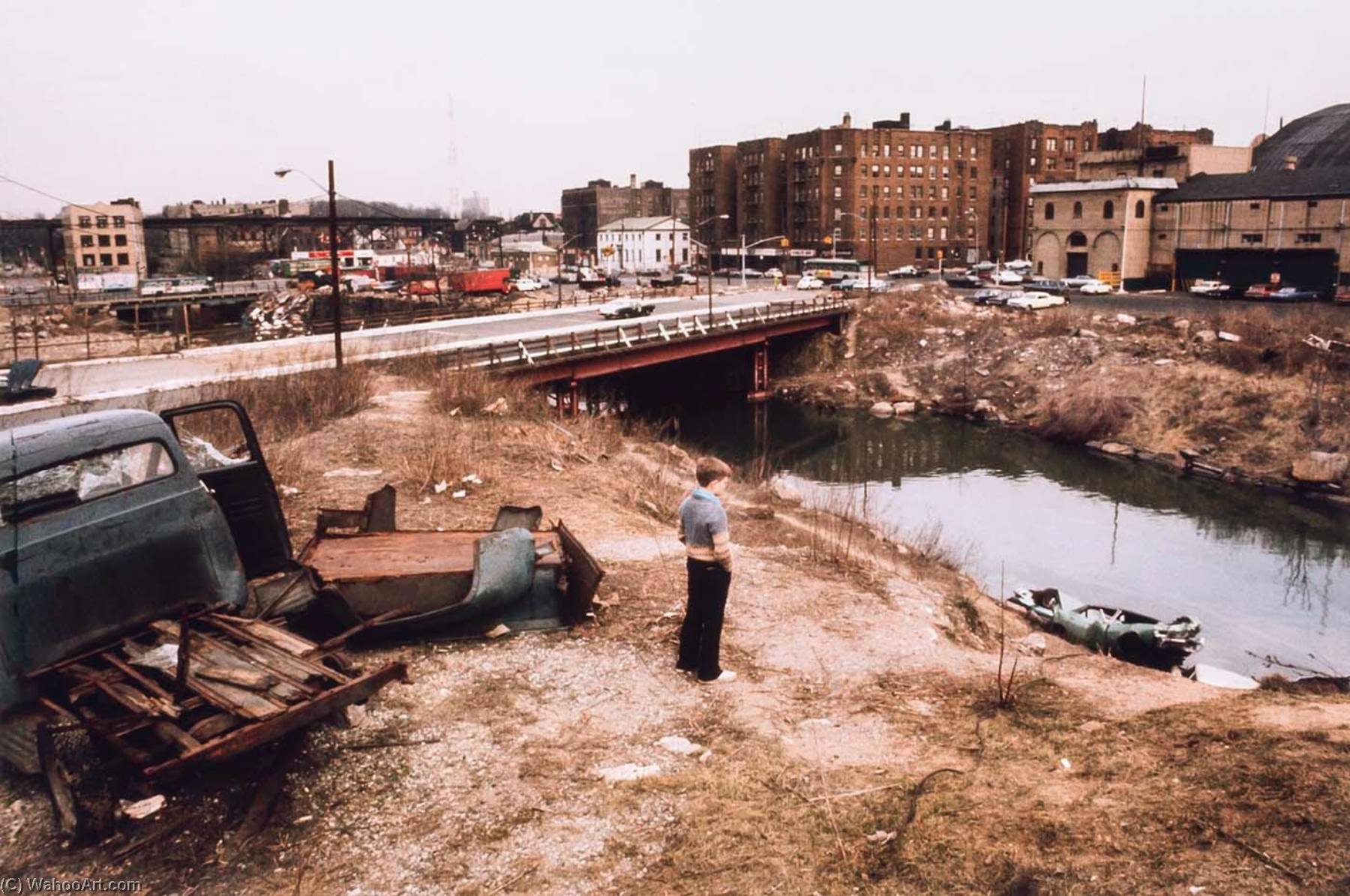
Old New York Bronx River, Bronx
 1970
1970 40.0 x 50.0 cm
 Read More
Purchase a high-resolution, enhanced digital image, far superior to the online preview.
Each file is meticulously prepared by our in-house specialists using advanced tools and expert manual retouching. We ensure every image has exceptional clarity, precise color accuracy, and fine detail.
The final file is delivered via email within 72 hours, optimized for immediate use in professional, editorial, and print environments. This is the same quality trusted by top-tier design studios, publishers, and galleries.
Digital Image
Download a high-resolution file for personal display, printing, and creative projects. ( Buy Print Buy Hand Made Painting)
Included in Every Digital Image Order
Expert Digital Delivery, Guaranteed
When you choose ArtsDot.com, you're not just getting an image - you're receiving a professionally enhanced digital artwork, crafted with precision and backed by a satisfaction guarantee. Here's everything that comes with your order, automatically:

Fast Email Delivery
Your high-resolution digital image file will be emailed to you within 72 hours of ordering - ready for immediate use.

AI-Enhanced Digital File
Your artwork is professionally optimized using advanced AI tools and manual editing, ensuring maximum detail, clarity, and color accuracy.

Free Lifetime Re-Delivery
Accidentally deleted or lost your file? No worries - we'll resend it to you anytime, free of charge.

No Import Fees - Ever
Enjoy your artwork instantly with zero customs, duties, or delivery fees - digital downloads are always tax-free.

Color Accuracy Guarantee
We ensure your digital image reflects the original colors as closely as possible using professional tools and color management.

60-Day Satisfaction Guarantee
If you're not satisfied with your digital image, we'll revise it or refund 100% within 60 days - no questions asked.

100% Money-Back Guarantee
Not satisfied? Get a full refund within 60 days of receiving your digital file - no questions asked.

Bulk Order Discounts
Buy 3 images, save 10% - Buy 5, save 15% - Buy 10+, save 20%. Great for creative projects, galleries, and agencies.
Related Artworks









Artist Biography
Camilo José Vergara: A Chronicler of Urban Decay and Enduring Memory
Camilo José Vergara (born 1944 in Santiago, Chile) is more than just a photographer; he’s a meticulous chronicler of disappearing landscapes – the ghosts of American cities slowly succumbing to time, neglect, and relentless change. His work, deeply rooted in sociological observation and informed by a profound understanding of urban decay, offers a poignant meditation on continuity, memory, and the stories embedded within the built environment. Vergara’s unique approach, utilizing rephotography—returning to the same locations over decades with the exact same camera settings – transforms simple documentation into a powerful narrative that reveals the subtle yet significant shifts occurring within communities.
Vergara's early life in Santiago provided an initial framework for his artistic vision. Born into a family experiencing financial hardship, he witnessed firsthand the complexities of social stratification and the impact of economic decline. This formative experience instilled in him a sensitivity to the human condition and a desire to document marginalized communities – a theme that would become central to his photographic practice. Moving to New York City in 1974 marked a pivotal moment, exposing him to the rapidly evolving urban landscape of America’s major metropolises. Initially working as a street photographer, capturing the vibrant energy of the city's diverse neighborhoods, Vergara soon began to notice patterns of decline and transformation – abandoned buildings, shuttered storefronts, and the gradual erosion of community life.
The Technique of Rephotography: Capturing Time’s Passage
Vergara’s most distinctive contribution to photography lies in his innovative use of rephotography. Rejecting traditional documentary approaches that often focused on capturing a single moment in time, he adopted a systematic methodology for documenting urban change over extended periods. Beginning in the late 1970s and continuing into the present day, Vergara has repeatedly photographed the same locations – from the crumbling tenements of New York City’s Lower East Side to the abandoned housing projects of Chicago and Detroit – using the exact same camera settings, lens, and vantage point. This meticulous process creates a visual record of gradual transformations, revealing subtle shifts in architecture, demographics, and the overall character of a place.
The technical rigor of rephotography is crucial to Vergara’s work. He meticulously documents his photographic equipment – including camera model, lens type, film stock, and exposure settings – ensuring that each subsequent photograph is as closely aligned with its predecessor as possible. This commitment to precision allows viewers to trace the evolution of a location over time, witnessing the slow but steady process of de-urbanization. Furthermore, Vergara’s method isn't simply about recording change; it’s about revealing the *persistence* of memory within the urban fabric – the echoes of past lives and experiences embedded in the physical landscape.
Key Works and Themes
Several key projects exemplify Vergara’s distinctive approach. “Old New York,” a seminal series documenting the transformation of Manhattan's historic neighborhoods, stands as a testament to his meticulous methodology. Through a sequence of photographs taken at the same vantage points over several decades, the series reveals the gradual displacement of immigrant communities and the rise of luxury developments. “The New American Ghetto” (1997), published by Rutgers University Press, further explored the challenges faced by marginalized urban populations in Chicago and other cities, combining photographic documentation with sociological analysis and personal narratives.
Beyond these major works, Vergara’s portfolio includes numerous compelling projects focused on diverse urban landscapes. His photographs of Los Angeles, for example, capture the city's complex history of immigration, industrial decline, and gentrification. Similarly, his series documenting Detroit’s abandoned factories and vacant lots offer a poignant reflection on the city’s economic struggles. Throughout his work, Vergara consistently explores themes of community life, social inequality, and the enduring power of memory in shaping our understanding of place.
Recognition and Legacy
Camilo José Vergara's unique approach to photography has garnered widespread recognition and critical acclaim. He was awarded the MacArthur Fellowship in 2002 – a prestigious “genius grant” that recognizes individuals who demonstrate exceptional creativity and leadership. His work has been exhibited at major museums and galleries around the world, including the National Building Museum in Washington D.C. and the Cooper-Hewitt, Smithsonian Design Museum in New York City. Vergara’s photographs have also been featured in numerous publications, solidifying his position as a leading figure in contemporary documentary photography.
More than just an observer of urban change, Camilo José Vergara is a storyteller – a meticulous chronicler who uses the power of photography to illuminate the hidden histories and enduring memories embedded within our cities. His rephotographic method offers a profound perspective on time, place, and the human experience, reminding us that even in the face of relentless transformation, the past continues to shape the present.
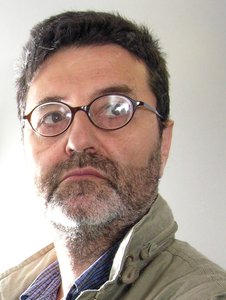
camilo josé vergara
1944 -
Quick Facts
- Artistic Movement Or Style: Urban Photography, Rephotography
- Artists Or Movements Influenced By This Artist: ['Documentary Photo']
- Artists Who Influenced This Artist: ['Jacob Riis']
- Date Of Birth: 1944
- Full Name: Camilo José Vergara
- Nationality: Chilean-American
- Notable Artworks:
- 10828 S. Avalon Blvd., LA
- Puerto Rican Wedding, East Harlem
- Lower East Side, Manhattan
- Place Of Birth: Santiago, Chile

