 Preview
 Send
Send Share
Share
 Details

 Download
 Similars
 X-Ray
X-Ray Diaporama
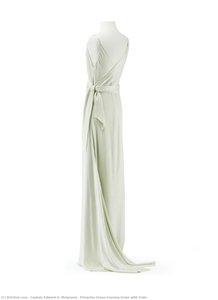
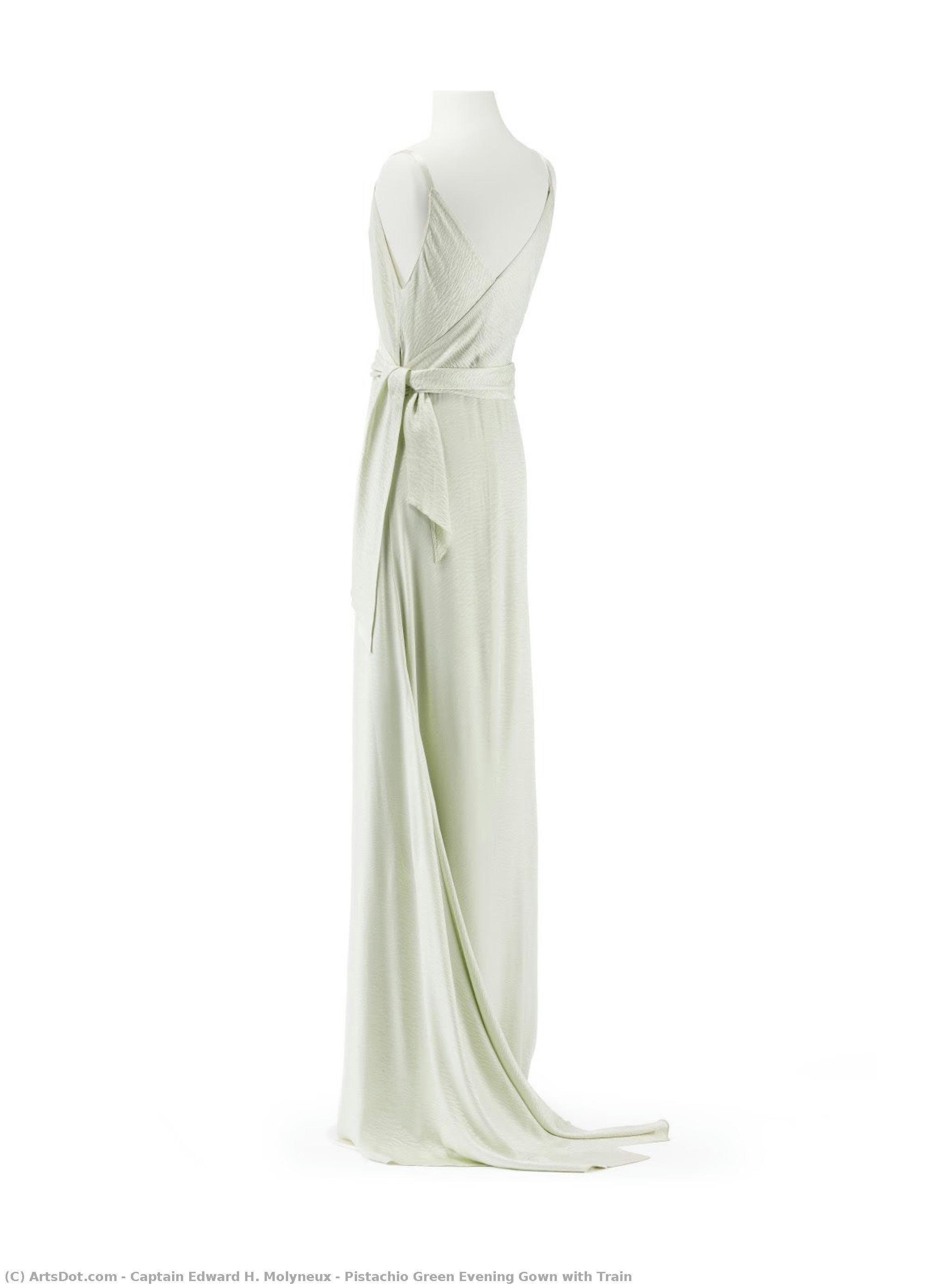
Pistachio Green Evening Gown with Train

 Read More
Giclée / Art Print
Museum-quality giclée or canvas print with fast production and flexible finish options. ( Buy Hand Made Painting Buy Image)




































Pick from our preset sizes that match the artwork's original proportions.

You may enter your own dimensions to fit a specific frame or space. If your selected size does not match the original image's proportions, we will either crop the artwork or extend the image with a mirrored or solid-fill edge. A digital mockup will be sent for your approval before production begins.
Please note that the on-screen preview does not reflect the actual cropping or extension. Only the mockup will accurately show the final composition.
While custom sizes are available, we recommend selecting a dimension from the predefined list to preserve the original proportions.
Worldwide Delivery () in 2 weeks instead of standard 4/5 weeks. (25 August)

Free Worldwide Express Shipping

High-Quality Linen Canvas

Full Shipping Insurance

Customs Tax Refund Guarantee

True Color Matching Guarantee

60-Day Return Policy (Defects Only)

100% Money-Back Guarantee

Bulk Discount Offer
 Glass option is only available in size under 110 CM

Pistachio Green Evening Gown with Train
Giclée / Art Print
Reproduction Size
-


Total Price
$ 63
Collectible Description
Related Artworks

Artist Biography
A Life Dedicated to Refined Modernity: Captain Edward H. Molyneux
Edward Henry Molyneux, known universally as Captain Molyneux, was a pivotal figure in the world of haute couture during the first half of the 20th century. Born on September 5, 1891, in London to Irish parents, his journey from aspiring artist to celebrated fashion designer embodies a fascinating intersection of creativity, social ambition, and wartime experience. His early life was marked by both privilege – attending Beaumont College, a respected Roman Catholic preparatory school – and sudden responsibility. The untimely death of his father at the age of sixteen forced him to abandon formal education and pursue avenues for supporting himself and his mother, igniting a passion that would ultimately redefine Parisian elegance. Molyneux’s initial foray into the art world came through fashion illustration, contributing sketches to *The Smart Set* magazine. This early exposure proved crucial, leading to an apprenticeship with the iconic Lucile (Lady Duff Gordon) in 1910, a relationship that would shape his formative years and provide invaluable experience on both sides of the Atlantic.From Sketcher to Salon Owner: The Parisian Years
Molyneux’s time with Lucile was transformative. He quickly ascended from sketch artist to assistant designer, traveling between London, New York, and Chicago, absorbing the nuances of international style and clientele. However, it was the First World War that dramatically altered his path. Enlisting in the Duke of Wellington's Regiment, he served with distinction, earning the rank of Captain – a title he would carry for life – but also sustaining an injury that resulted in the loss of vision in one eye. This experience instilled a resilience and perhaps a heightened sensitivity to form and texture. Following the war, Molyneux briefly returned to Lucile before boldly establishing his own couture house in Paris in November 1919 at 14 rue Royale. The salon’s immediate success was no accident; it reflected not only his innate talent but also a keen understanding of the evolving post-war aesthetic. He expanded rapidly, opening branches in Monte Carlo (1925), Cannes (1927), and finally London (1932).Defining a Modern Aesthetic: Simplicity, Elegance, and Social Grace
Captain Molyneux’s designs were characterized by an impeccably refined simplicity. In an era often defined by ostentation, he championed a modernist aesthetic that prioritized clean lines, luxurious fabrics, and subtle sophistication. He wasn't merely creating dresses; he was crafting a lifestyle, one imbued with social grace and cultural awareness. His clientele reflected this ethos – European royalty, including Princess Marina, Duchess of Kent (for whom he designed the wedding dress), alongside Hollywood stars like Greta Garbo, Marlene Dietrich, and Vivien Leigh. Molyneux’s approach involved a deliberate rejection of superfluous ornamentation, focusing instead on the quality of materials and the flattering cut of his garments. He favored colors such as navy, black, and beige, creating timeless pieces that transcended fleeting trends. His work was described by historian Caroline Milbank as offering “absolutely right” style without being predictable.Beyond Couture: Art Collecting and a Lasting Legacy
Molyneux’s influence extended beyond the realm of fashion. He possessed an avid passion for art, initially collecting 18th-century French paintings before turning his attention to the Impressionists. His collection was substantial enough to warrant exhibitions at the Galerie Weill in Paris (between 1950 and 1956) and the Hammer Galleries in New York (1967). In 1955, Ailsa Mellon Bruce acquired his entire art holdings, which were subsequently bequeathed to the National Gallery of Art. While he retired from active design in 1950, entrusting his house to Jacques Griffe, Molyneux briefly returned to the scene in 1964 with Studio Molyneux, a ready-to-wear line that demonstrated his enduring commitment to quality and classicism. He passed away on March 23, 1974, leaving behind a legacy of refined modernity that continues to inspire designers today. His story is not simply about creating beautiful clothes; it’s about the power of art, resilience in the face of adversity, and the enduring allure of timeless elegance.- Key Influences: Lucile (Lady Duff Gordon), Irish & French Huguenot heritage, Impressionist Art.
- Signature Style: Refined simplicity, modernist aesthetic, luxurious fabrics, clean lines, navy, black and beige color palettes.
- Notable Clients: Princess Marina, Duchess of Kent; Greta Garbo, Marlene Dietrich, Vivien Leigh.
- Historical Significance: Redefined Parisian couture in the interwar period, bridged fashion with art collecting, championed a modernist aesthetic that prioritized elegance and social grace.
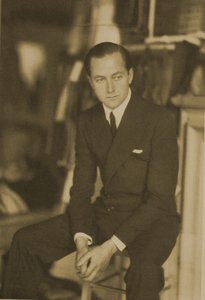
captain edward h. molyneux
1891 - 1974 , United Kingdom
Quick Facts
- Artistic Movement Or Style: Modernist Couture
- Artists Who Influenced This Artist: ['Lucile (Lady Duff Gordon)']
- Date Of Birth: September 5, 1891
- Date Of Death: March 23, 1974
- Full Name: Edward Henry Molyneux
- Nationality: British
- Place Of Birth: London, UK