

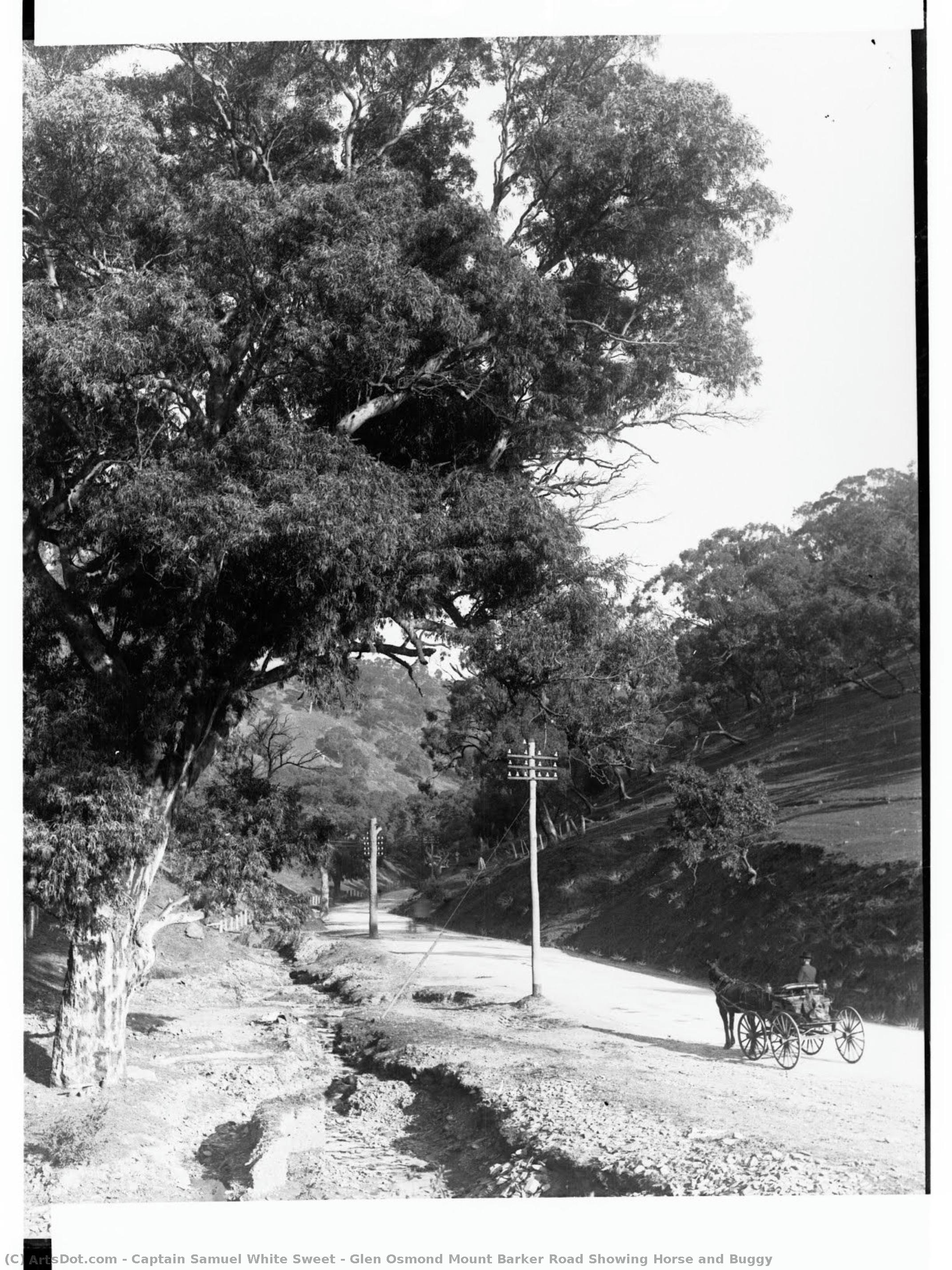
 Preview
 Send
Send Share
Share
 Details

 Download
 Similars
 X-Ray
X-Ray Diaporama
Glen Osmond Mount Barker Road Showing Horse and Buggy
 Read More
Purchase a high-resolution, enhanced digital image, far superior to the online preview.
Each file is meticulously prepared by our in-house specialists using advanced tools and expert manual retouching. We ensure every image has exceptional clarity, precise color accuracy, and fine detail.
The final file is delivered via email within 72 hours, optimized for immediate use in professional, editorial, and print environments. This is the same quality trusted by top-tier design studios, publishers, and galleries.
Digital Image
Download a high-resolution file for personal display, printing, and creative projects. ( Buy Print Buy Hand Made Painting)
Included in Every Digital Image Order
Expert Digital Delivery, Guaranteed
When you choose ArtsDot.com, you're not just getting an image - you're receiving a professionally enhanced digital artwork, crafted with precision and backed by a satisfaction guarantee. Here's everything that comes with your order, automatically:

Fast Email Delivery
Your high-resolution digital image file will be emailed to you within 72 hours of ordering - ready for immediate use.

AI-Enhanced Digital File
Your artwork is professionally optimized using advanced AI tools and manual editing, ensuring maximum detail, clarity, and color accuracy.

Free Lifetime Re-Delivery
Accidentally deleted or lost your file? No worries - we'll resend it to you anytime, free of charge.

No Import Fees - Ever
Enjoy your artwork instantly with zero customs, duties, or delivery fees - digital downloads are always tax-free.

Color Accuracy Guarantee
We ensure your digital image reflects the original colors as closely as possible using professional tools and color management.

60-Day Satisfaction Guarantee
If you're not satisfied with your digital image, we'll revise it or refund 100% within 60 days - no questions asked.

100% Money-Back Guarantee
Not satisfied? Get a full refund within 60 days of receiving your digital file - no questions asked.

Bulk Order Discounts
Buy 3 images, save 10% - Buy 5, save 15% - Buy 10+, save 20%. Great for creative projects, galleries, and agencies.
Related Artworks





Artist Biography
From Sea Captain to Pioneer Photographer: The Life and Legacy of Samuel White Sweet
Samuel White Sweet, born in 1825 in the naval district of Portsea, Hampshire, England, embodies a fascinating transition from the rigorous life of a sea captain to that of a pioneering Australian photographer. His early years were steeped in maritime tradition; joining the Royal Navy at nineteen, he spent five years on the China Station, gaining invaluable experience and a disciplined approach that would later inform his meticulous photographic work. He transitioned into merchant shipping, commanding vessels like the *Pizarro* and diligently recording meteorological data for the Board of Trade – efforts recognized with “Letters of Honorable Mentions.” This dedication to observation and documentation foreshadowed his future artistic pursuits. Before embarking on a new life in Australia, Sweet married Elizabeth Tilly and began a family in England, hinting at a desire for stability alongside his adventurous spirit.A New World, A New Focus: Colonization and the Call of Photography
In 1864, Sweet sought opportunity in Queensland, Australia, initially hoping to establish a cotton farm. This venture proved less successful than anticipated, leading him to Adelaide in 1867 where he partnered with William Gibson to open a photographic practice. This marked the turning point in his career; photography, previously a serious hobby, became a profession. The allure of capturing the unfolding Australian landscape and documenting the burgeoning colonial life resonated deeply with Sweet’s inherent observational skills honed during years at sea. He quickly committed himself to mastering the art form, keenly following technical advancements and recognizing its potential as more than just a record-keeping tool. In 1868, he applied for the position of official photographer for the Goyder Northern Territory Expedition, though ultimately appointed Commander of the Government Schooner *Gulnare*, supporting the expedition and the new settlement at Port Darwin. This role provided him with unparalleled access to scenes ripe for photographic capture.Documenting a Nation: The Northern Territory Expeditions and Early Works
Although not officially designated as the expedition’s photographer – Joseph Brooks held that title – Sweet actively contributed, supplementing Brooks' work during surveying duties. Upon his return from these northern voyages, he organized exhibitions and lectures showcasing his views of the territory, successfully selling prints through James Williams’ Stationery shop. He also secured a commission in 1870 to supply construction teams building the British-Australian overland telegraph link from Darwin to Port Adelaide, capturing crucial images of this monumental undertaking – arguably the only visual record of the event at the time. Sweet's photographs weren’t merely snapshots; they were carefully composed documents of progress and change, offering a unique glimpse into 19th-century colonial life. His work documented the ceremonial planting of the first telegraph pole, scenes within the township of Darwin, the labor involved in construction, and the raw beauty of the Northern Territory landscape. These images are invaluable today for understanding the challenges and triumphs of early Australian settlement.Challenges and Resilience: The Wreck of the Gulnare and a Lasting Artistic Legacy
Sweet’s career wasn't without its setbacks. In 1871, the *Gulnare*, under his command, ran aground on reefs near the Vernon Islands. Though he managed to salvage much of the cargo with assistance from Captain Hummel’s vessel, the incident led to an inquiry and condemnation of the ship. Further professional censure followed in 1875 when the collier *Wallaroo*, carrying his wife, was grounded due to a navigational error attributed to Sweet's judgment. Despite these challenges, he persevered, retiring from sea life and establishing a dedicated photographic studio in Adelaide. He embarked on extensive travels throughout South Australia with a horse-drawn darkroom, meticulously documenting stations, homesteads, and the vast outback. He embraced the new dry-plate process in the early 1880s, further enhancing the quality and detail of his work. Sweet’s photographs became synonymous with colonial South Australia, forming an extensive collection now preserved by the South Australian Archives – a testament to his skill and dedication. He died suddenly from sunstroke in 1886 at Halldale near Riverton, leaving behind a legacy as a true pioneer of Australian landscape photography, forever capturing a pivotal era in the nation’s history.A Pioneer's Impact: Sweet's Historical Significance
Samuel White Sweet stands as a significant figure in the development of Australian art and documentation. He wasn’t simply recording images; he was actively shaping perceptions of the landscape and colonial experience. His transition from sea captain to photographer reflects a broader shift towards visual storytelling and the desire to document a new world. Sweet's meticulous approach, honed by years of naval discipline, combined with his artistic eye, resulted in photographs that are both technically proficient and emotionally resonant. He was among the first to recognize photography’s potential as an art form, moving beyond mere representation to capture the essence of a changing nation. His work continues to provide invaluable insights into 19th-century Australia, offering a unique perspective on early colonial life, exploration, and the challenges faced by those who forged a new society in a remote and unforgiving land. The preservation of his extensive collection ensures that his legacy will continue to inspire and inform generations to come.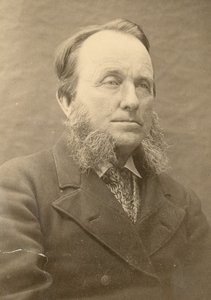
captain samuel white sweet
1825 - 1886 , United Kingdom
Quick Facts
- Artistic Movement Or Style: Landscape photography
- Date Of Birth: May 1, 1825
- Date Of Death: January 4, 1886
- Full Name: Samuel White Sweet
- Nationality: English-Australian
- Notable Artworks:
- Three ships on Roper River
- Adelaide Railway Station Interior
- Glen Osmond Mount Barker Road
- Place Of Birth: Portsea, UK

