

 Preview
 Send
Send Share
Share
 Details

 Download
 Similars
 X-Ray
X-Ray Diaporama
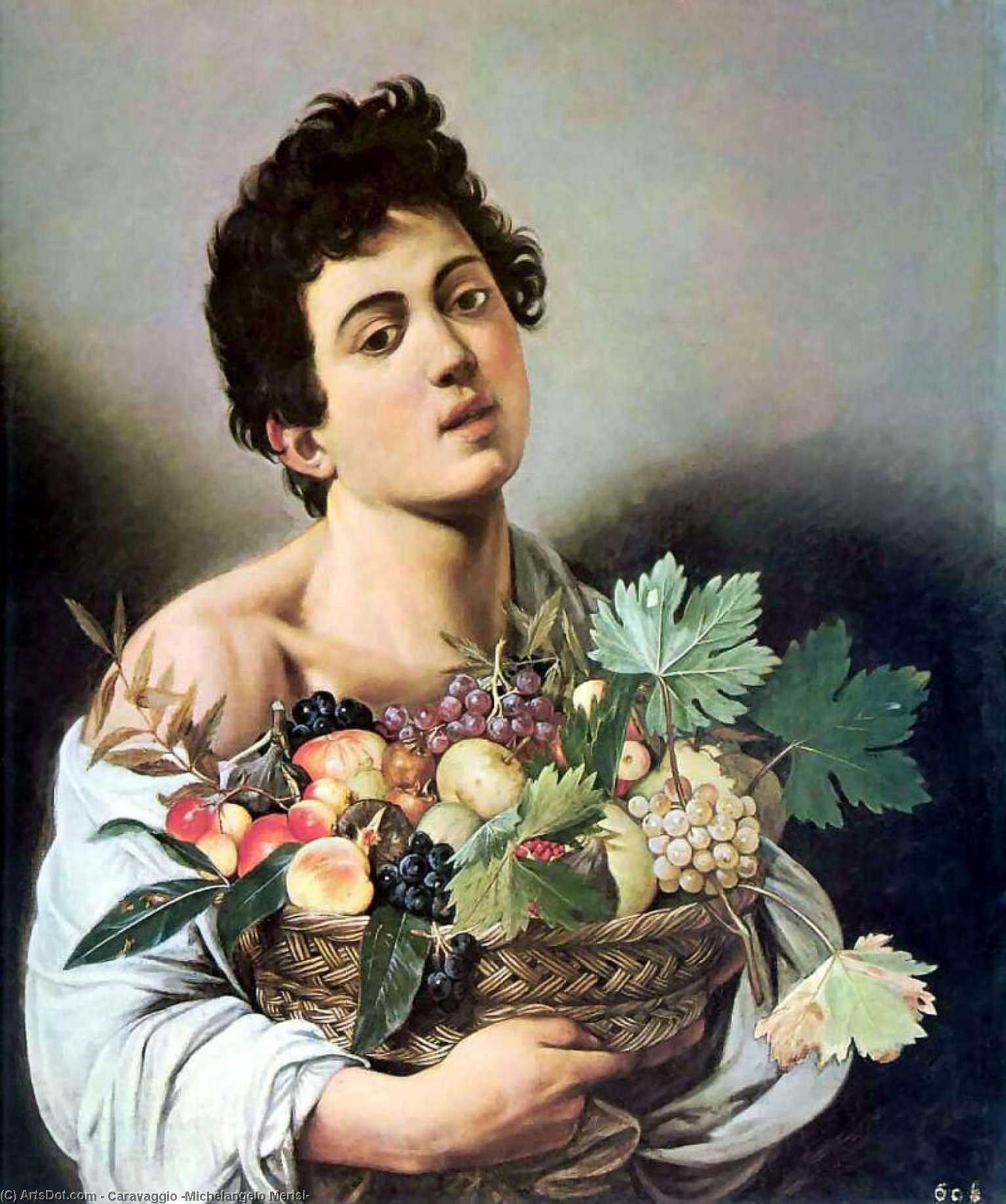
ragazzo con canestro di frutta


 Read More
Purchase a high-resolution, enhanced digital image, far superior to the online preview.
Each file is meticulously prepared by our in-house specialists using advanced tools and expert manual retouching. We ensure every image has exceptional clarity, precise color accuracy, and fine detail.
The final file is delivered via email within 72 hours, optimized for immediate use in professional, editorial, and print environments. This is the same quality trusted by top-tier design studios, publishers, and galleries.
Digital Image
Download a high-resolution file for personal display, printing, and creative projects. ( Buy Print Buy Hand Made Painting)
Included in Every Digital Image Order
Expert Digital Delivery, Guaranteed
When you choose ArtsDot.com, you're not just getting an image - you're receiving a professionally enhanced digital artwork, crafted with precision and backed by a satisfaction guarantee. Here's everything that comes with your order, automatically:

Fast Email Delivery
Your high-resolution digital image file will be emailed to you within 72 hours of ordering - ready for immediate use.

AI-Enhanced Digital File
Your artwork is professionally optimized using advanced AI tools and manual editing, ensuring maximum detail, clarity, and color accuracy.

Free Lifetime Re-Delivery
Accidentally deleted or lost your file? No worries - we'll resend it to you anytime, free of charge.

No Import Fees - Ever
Enjoy your artwork instantly with zero customs, duties, or delivery fees - digital downloads are always tax-free.

Color Accuracy Guarantee
We ensure your digital image reflects the original colors as closely as possible using professional tools and color management.

60-Day Satisfaction Guarantee
If you're not satisfied with your digital image, we'll revise it or refund 100% within 60 days - no questions asked.

100% Money-Back Guarantee
Not satisfied? Get a full refund within 60 days of receiving your digital file - no questions asked.

Bulk Order Discounts
Buy 3 images, save 10% - Buy 5, save 15% - Buy 10+, save 20%. Great for creative projects, galleries, and agencies.
Collectible Description
A Symphony of Light and Stillness
In the quiet corners of the Galleria Borghese, there exists a moment frozen in time, a masterpiece that captures the very essence of the Baroque soul. Caravaggio’s Ragazzo con canestro di frutta, or Young Man with Fruit Basket, is far more than a simple study of a youth and his harvest; it is a profound meditation on the fleeting nature of life. Painted during the artist's formative years in Rome around 1593-1594, this work serves as an early, breathtaking testament to his revolutionary ability to breathe life into the inanimate. As one gazes upon the canvas, the initial impression is one of startling intimacy, as if the viewer has stumbled upon a private moment of contemplation in a sun-drenched Roman studio.
The composition is anchored by the striking presence of a young man, whose gaze holds a subtle, enigmatic quality that bridges the gap between the painted world and our own. He carries a basket overflowing with the bounties of the earth—apples, pears, plums, and oranges—each rendered with such meticulous, tactile precision that one can almost sense the cool skin of the fruit and the sweet scent of ripening nectar. This level of verismo, or hyper-realism, was Caravaggio's gift to the art world, stripping away the idealized veneers of the Renaissance to reveal the raw, unadorned beauty of the natural world.
The Drama of Shadow and Substance
To understand this painting is to understand the mastery of tenebrism. Caravaggio does not merely use light; he wields it like a sculptor’s chisel. A radiant, directional glow strikes the young man's shoulder and the upper edges of the fruit, pulling them forward from an encroaching, velvety darkness. This dramatic interplay of chiaroscuro creates a sense of three-dimensional volume that is nothing short of hypnotic. The deep shadows do not simply represent empty space; they provide a psychological depth, suggesting mysteries that lie just beyond the reach of the light, inviting the observer to linger and wonder.
For the discerning collector or interior designer, this technique offers an unparalleled emotional resonance. The stark contrasts within the piece lend themselves beautifully to sophisticated environments, providing a focal point that commands attention through its quiet intensity rather than loud color. The way the light dances across the textures of the basket's weave and the soft flesh of the fruit creates a rhythmic visual experience that can anchor a room with both elegance and gravitas.
Symbolism and the Eternal Moment
Beneath the surface of this beautiful arrangement lies a complex web of symbolism. The abundance of the fruit basket serves as a classic memento mori—a reminder of the cycle of life, growth, and inevitable decay. While the fruits appear at the peak of their perfection, the very realism Caravaggio employs hints at the ephemeral nature of beauty. This tension between the vibrant present and the approaching shadow is what gives the work its enduring emotional impact, evoking a sense of bittersweet nostalgia that resonates across centuries.
Integrating a high-quality reproduction of this masterpiece into a contemporary space allows for a continuous dialogue with history. It brings into the home not just a beautiful image, but a piece of the Baroque revolution. Whether placed in a minimalist gallery-style setting or a richly textured classical study, Ragazzo con canestro di frutta acts as a window into the profound, reminding us that even in the simplest basket of fruit, there is a universe of light, shadow, and human emotion waiting to be discovered.
Artist Biography
A Life Forged in Shadow and Light
Michelangelo Merisi da Caravaggio, a name synonymous with the dramatic intensity of Baroque painting, was born in Milan in 1571, a period steeped in both artistic flourishing and societal upheaval. His early life was marked by loss; plague ravaged his hometown, claiming the lives of his father and grandfather when he was just six years old. Raised amidst relative poverty, young Michelangelo’s formative years instilled within him a keen awareness of human suffering and resilience—themes that would later dominate his canvases. He began his artistic training in Milan under Simone Peterzano, a former pupil of Titian, absorbing the fundamentals of Renaissance technique but already hinting at a rebellious spirit that would soon shatter conventional norms. This apprenticeship provided a solid foundation, yet it was in Rome, arriving around 1592, that Caravaggio truly found his voice, though not without initial struggle and hardship. The city, a vibrant hub of artistic patronage and religious fervor, proved both alluring and unforgiving to the ambitious young painter.Revolutionizing Vision: Technique and Style
Caravaggio’s arrival in Rome heralded a seismic shift in the landscape of Italian art. He rejected the prevailing Mannerist style—characterized by its artificial elegance and elongated forms—in favor of an uncompromising realism that shocked and captivated audiences. His most defining innovation was his masterful use of chiaroscuro, the dramatic contrast between light and dark, which he elevated to a new level of expressive power. This technique, often referred to as tenebrism, wasn’t merely an aesthetic choice; it was a means of intensifying emotional impact, drawing viewers into the heart of the scene, and imbuing his figures with a palpable sense of presence. He eschewed idealized depictions, instead populating his paintings with ordinary people—often drawn from the streets of Rome—as models for religious figures. This radical approach challenged traditional notions of beauty and sanctity, making the sacred relatable and profoundly human. His compositions were often stark and direct, focusing on pivotal moments of intense drama, whether it be the brutal realism of “The Taking of Christ” or the quiet contemplation in "Saint Francis of Assisi in Ecstasy".Key Works and Lasting Influence
Throughout his relatively short career, Caravaggio produced a body of work that continues to resonate with audiences today. Early pieces like “The Fortune Teller” (1594) demonstrate his burgeoning talent for capturing realistic detail and psychological nuance. “Supper at Emmaus” (1601-1602), housed in the National Gallery in London, exemplifies his mastery of chiaroscuro and ability to convey profound emotional depth within a biblical narrative. “David with the Head of Goliath” (c. 1610) is particularly haunting, often interpreted as a self-portrait reflecting Caravaggio’s own troubled state of mind. His influence extended far beyond Italy, inspiring a generation of artists known as the Caravaggisti, or “shadowists,” who adopted his style throughout Europe. Notable followers included Peter Paul Rubens, Jusepe de Ribera, and Gerrit van Honthorst, each adapting Caravaggio’s techniques to their own unique artistic visions.A Tumultuous Existence and Enduring Legacy
Caravaggio's life was as dramatic and turbulent as his art. A volatile temperament and a penchant for brawls led him into frequent trouble with the law, culminating in a murder charge in 1606 that forced him to flee Rome. He spent the next four years wandering through Naples, Malta, and Sicily, continuing to paint while desperately seeking a papal pardon. Despite his efforts, he remained an outlaw, haunted by his past and plagued by personal conflicts. He died in Porto Ercole, Italy, in 1610 under mysterious circumstances—the cause of his death remains debated, with theories ranging from fever to poisoning. Though his life was cut short, Caravaggio’s artistic legacy endures as a testament to his revolutionary vision and unwavering commitment to realism. He challenged the conventions of his time, paving the way for a more modern approach to painting and leaving an indelible mark on the course of Western art history. His work continues to inspire awe and provoke contemplation, reminding us of the power of art to illuminate the darkest corners of the human experience.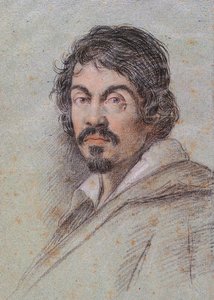
Caravaggio
1571 - 1610 , Spain
Quick Facts
- Artistic Movement Or Style: Baroque, Tenebrism
- Artists Or Movements Influenced By This Artist:
- Rubens
- Ribera
- Caravaggisti
- Artists Who Influenced This Artist:
- Titian
- Leonardo da Vinci
- Michelangelo
- Date Of Birth: September 29, 1571
- Date Of Death: July 18, 1610
- Full Name: Michelangelo Merisi da Caravaggio
- Nationality: Italian
- Notable Artworks:
- The Fortune Teller
- Supper at Emmaus
- David with Goliath
- Saint Francis in Ecstasy
- Place Of Birth: Milan, Italy

