

 Preview
 Send
Send Share
Share
 Details

 Download
 Similars
 X-Ray
X-Ray Diaporama
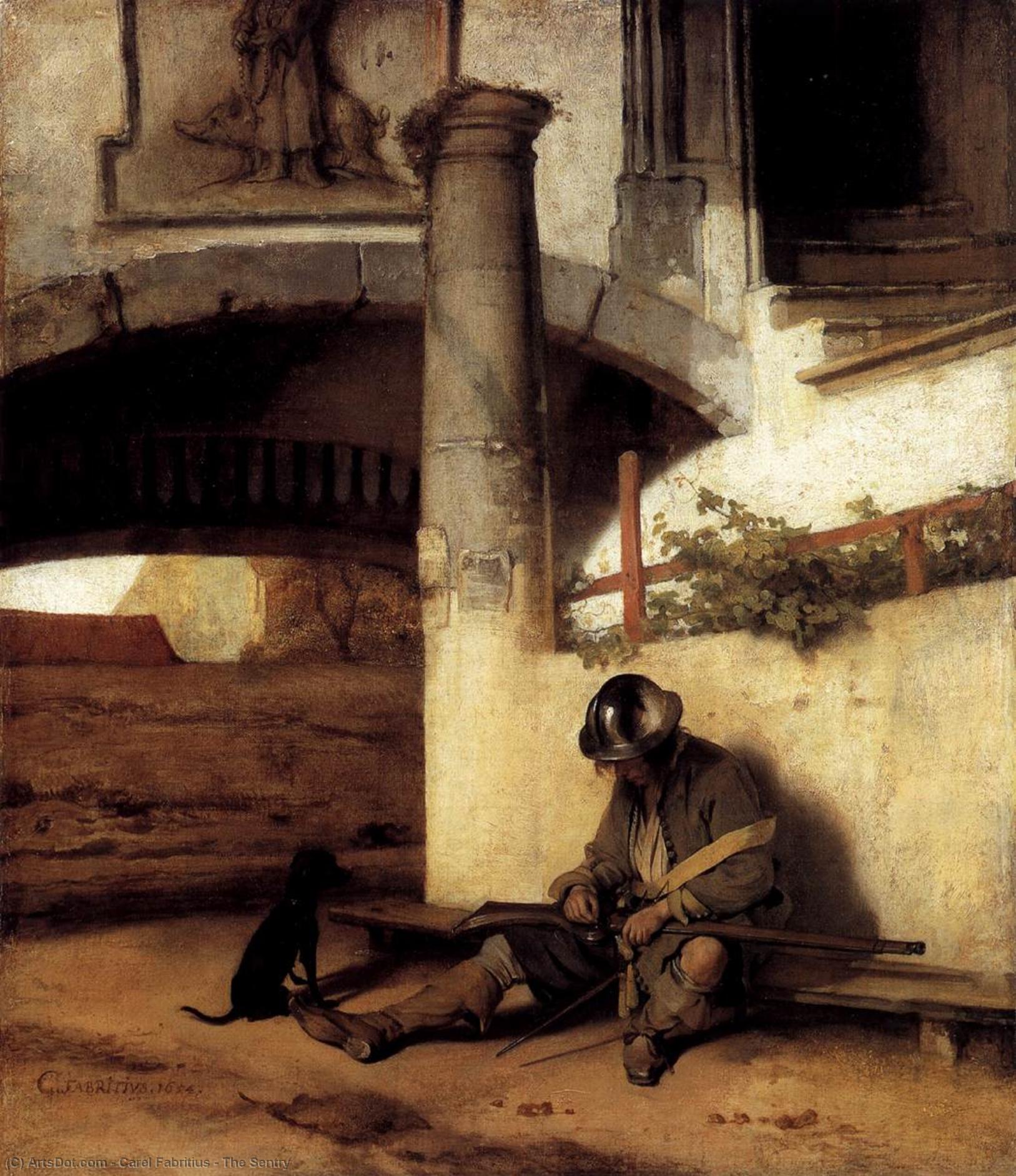
The Sentry
 Oil
Oil- WallArt
- Baroque
 1654
1654- Early Modern
 68.0 x 58.0 cm
 Staatliches Museum
 Read More
Purchase a high-resolution, enhanced digital image, far superior to the online preview.
Each file is meticulously prepared by our in-house specialists using advanced tools and expert manual retouching. We ensure every image has exceptional clarity, precise color accuracy, and fine detail.
The final file is delivered via email within 72 hours, optimized for immediate use in professional, editorial, and print environments. This is the same quality trusted by top-tier design studios, publishers, and galleries.
Digital Image
Download a high-resolution file for personal display, printing, and creative projects. ( Buy Print Buy Hand Made Painting)
Included in Every Digital Image Order
Expert Digital Delivery, Guaranteed
When you choose ArtsDot.com, you're not just getting an image - you're receiving a professionally enhanced digital artwork, crafted with precision and backed by a satisfaction guarantee. Here's everything that comes with your order, automatically:

Fast Email Delivery
Your high-resolution digital image file will be emailed to you within 72 hours of ordering - ready for immediate use.

AI-Enhanced Digital File
Your artwork is professionally optimized using advanced AI tools and manual editing, ensuring maximum detail, clarity, and color accuracy.

Free Lifetime Re-Delivery
Accidentally deleted or lost your file? No worries - we'll resend it to you anytime, free of charge.

No Import Fees - Ever
Enjoy your artwork instantly with zero customs, duties, or delivery fees - digital downloads are always tax-free.

Color Accuracy Guarantee
We ensure your digital image reflects the original colors as closely as possible using professional tools and color management.

60-Day Satisfaction Guarantee
If you're not satisfied with your digital image, we'll revise it or refund 100% within 60 days - no questions asked.

100% Money-Back Guarantee
Not satisfied? Get a full refund within 60 days of receiving your digital file - no questions asked.

Bulk Order Discounts
Buy 3 images, save 10% - Buy 5, save 15% - Buy 10+, save 20%. Great for creative projects, galleries, and agencies.
Collectible Description
A Moment Frozen in Time: The Quiet Vigil of Carel Fabritius
In the vast, luminous tapestry of the Dutch Golden Age, few names evoke as much mystery and profound technical mastery as Carel Fabritius. His masterpiece, The Sentry, serves as a breathtaking window into the year 1654, capturing a singular, quiet moment of repose that feels both intensely intimate and cosmically still. The painting presents us with a man seated upon a wooden bench, his legs crossed in a posture of relaxed alertness. In one hand, he grips a firearm, while the other holds a bow, suggesting a life defined by duty and readiness. Yet, there is no tension in his frame; instead, there is a meditative quality that invites the viewer to linger within the scene. A small cat wanders through the composition, its presence adding a layer of domestic tranquility to the soldier's vigil, while scattered potted plants breathe a soft, verdant life into the surrounding space.
The brilliance of this work lies in Fabritius’s unparalleled ability to manipulate light and shadow, a skill undoubtedly honed during his formative years in the studio of Rembrandt. The Baroque style is executed here with a delicate touch, moving away from heavy drama toward a more nuanced exploration of perception. Through masterful use of chiaroscuro, the artist allows light to dance across the textures of the man's clothing, the grain of the wooden bench, and the subtle leaves of the greenery. This technique does more than just define form; it creates an atmosphere of atmospheric depth, making the outdoor setting feel tangible and breathable. For the discerning collector, this painting offers a masterclass in how light can transform a simple subject into a profound study of existence.
Beyond its technical prowess, The Sentry resonates with a deep emotional intelligence that makes it an extraordinary choice for sophisticated interior curation. The composition balances the weight of human responsibility—symbolized by the weapons—with the lightness of nature and the fleeting presence of the cat. It is a painting about the beauty found in the intervals between actions, the stillness found within duty. For an interior designer, this piece serves as a powerful focal point, bringing a sense of historical gravity and contemplative calm to a room. Whether placed in a sunlit gallery or a moody, library-style study, a high-quality reproduction of this work brings with it the soul of the 17th century, offering an enduring connection to the fleeting, beautiful moments that define our lives.
Related Artworks
Artist Biography
A Brief Life Illuminated: The Enigmatic World of Carel Fabritius
Carel Fabritius, a name whispered with reverence among connoisseurs of the Dutch Golden Age, remains an elusive figure despite the profound impact his brief career had on the development of painting. Born in Middenbeemster in 1622, and tragically lost to the Delft gunpowder explosion of 1654 at just thirty-two years old, Fabritius left behind a remarkably small but intensely powerful body of work that continues to captivate and inspire. His paintings are not merely representations of reality; they are investigations into light, perception, and the very essence of visual experience.
Fabritius’s artistic journey began within the nurturing environment of his family home. His father, Pieter Carelsz Fabritius, was a painter himself—a schoolteacher who also practiced his craft, instilling in young Carel an early appreciation for the arts. This foundation led him to Amsterdam around 1641, where he entered the studio of Rembrandt van Rijn. While the exact duration of his apprenticeship remains debated, the influence of the master is undeniable. However, Fabritius was no mere imitator. He quickly began to forge his own path, diverging from Rembrandt’s characteristic tenebrism and developing a unique style that prioritized clarity, cool harmonies, and an almost scientific observation of light's effects.
The Delft School and a Distinctive Vision
Following his time with Rembrandt, Fabritius settled in Delft, becoming a member of the local painters’ guild in 1652. It was here, within the burgeoning artistic community known as the Delft School, that his mature style truly blossomed. Unlike many of his contemporaries who focused on grand historical narratives or bustling genre scenes, Fabritius gravitated towards intimate domestic interiors and carefully observed studies of everyday objects. His paintings possess a remarkable stillness, a quiet intensity that draws the viewer into a world suspended in time.
What sets Fabritius apart is his masterful manipulation of light. He didn’t simply depict illumination; he *analyzed* it, capturing its subtle gradations and its ability to define form and create atmosphere. This fascination with optics led him to experiment with perspective—often employing unusual viewpoints that heighten the sense of realism and draw the viewer into the scene. The Goldfinch, perhaps his most celebrated work, exemplifies this perfectly. The seemingly simple depiction of a chained goldfinch against a stark white wall is, in fact, a tour de force of trompe-l'oeil technique and spatial illusion. The bird appears to hover just beyond the picture plane, its feathers rendered with astonishing detail, while the interplay of light and shadow creates an almost palpable sense of depth.
Major Works and Lasting Legacy
Beyond The Goldfinch, Fabritius’s oeuvre includes other compelling works that showcase his distinctive vision. A View of Delft (1652) is a captivating cityscape, notable for its unique perspective and atmospheric rendering of the city's architecture. The painting isn’t simply a topographical record; it’s an evocation of place, imbued with a sense of tranquility and poetic beauty. The Sentry, painted shortly before his death, is perhaps his most enigmatic work—a haunting portrait of a lone soldier that invites contemplation on themes of duty, isolation, and the human condition.
Fabritius’s tragically short career meant he produced only around twelve surviving paintings. Yet, these few works had an outsized influence on subsequent generations of artists. His innovative use of light and perspective is widely believed to have profoundly impacted Johannes Vermeer, who shared a similar fascination with optical effects and domestic interiors. The cool tonalities, precise rendering, and quiet intimacy that characterize Vermeer’s masterpieces can be traced back to Fabritius's pioneering work.
A Painter Ahead of His Time
The explosion in Delft cut short not only Fabritius’s life but also a potentially revolutionary artistic trajectory. His paintings offer a glimpse into the mind of an artist who was pushing the boundaries of representation, exploring the very nature of seeing and perception. While his contemporaries were often preoccupied with narrative or symbolism, Fabritius focused on the fundamental elements of painting—light, color, form—creating works that are both visually stunning and intellectually stimulating.
Today, Carel Fabritius is recognized as a pivotal figure in the Dutch Golden Age, a painter whose brief but brilliant career left an indelible mark on the history of art. His paintings continue to resonate with viewers, offering a timeless testament to the power of observation, innovation, and the enduring beauty of light.
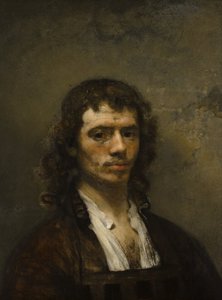
Carel Fabritius
1622 - 1654 , Netherlands
Quick Facts
- Artistic Movement Or Style: Baroque art
- Artists Or Movements Influenced By This Artist: ['Johannes Vermeer']
- Artists Who Influenced This Artist: ['Rembrandt van Rijn']
- Date Of Birth: February 27, 1622
- Date Of Death: October 12, 1654
- Full Name: Carel Pietersz Fabritius
- Nationality: Dutch
- Notable Artworks:
- The Raising of Lazarus
- A View of Delft
- The Goldfinch
- Place Of Birth: Muiden, Netherlands

