 Preview
 Send
Send Share
Share
 Details

 Download
 Similars
 X-Ray
X-Ray Diaporama
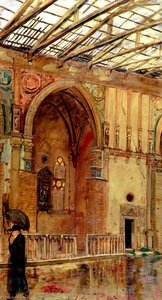
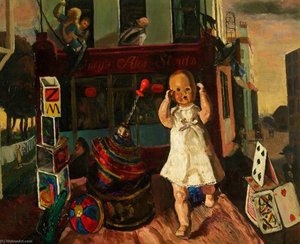
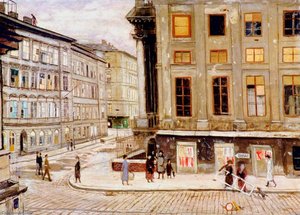
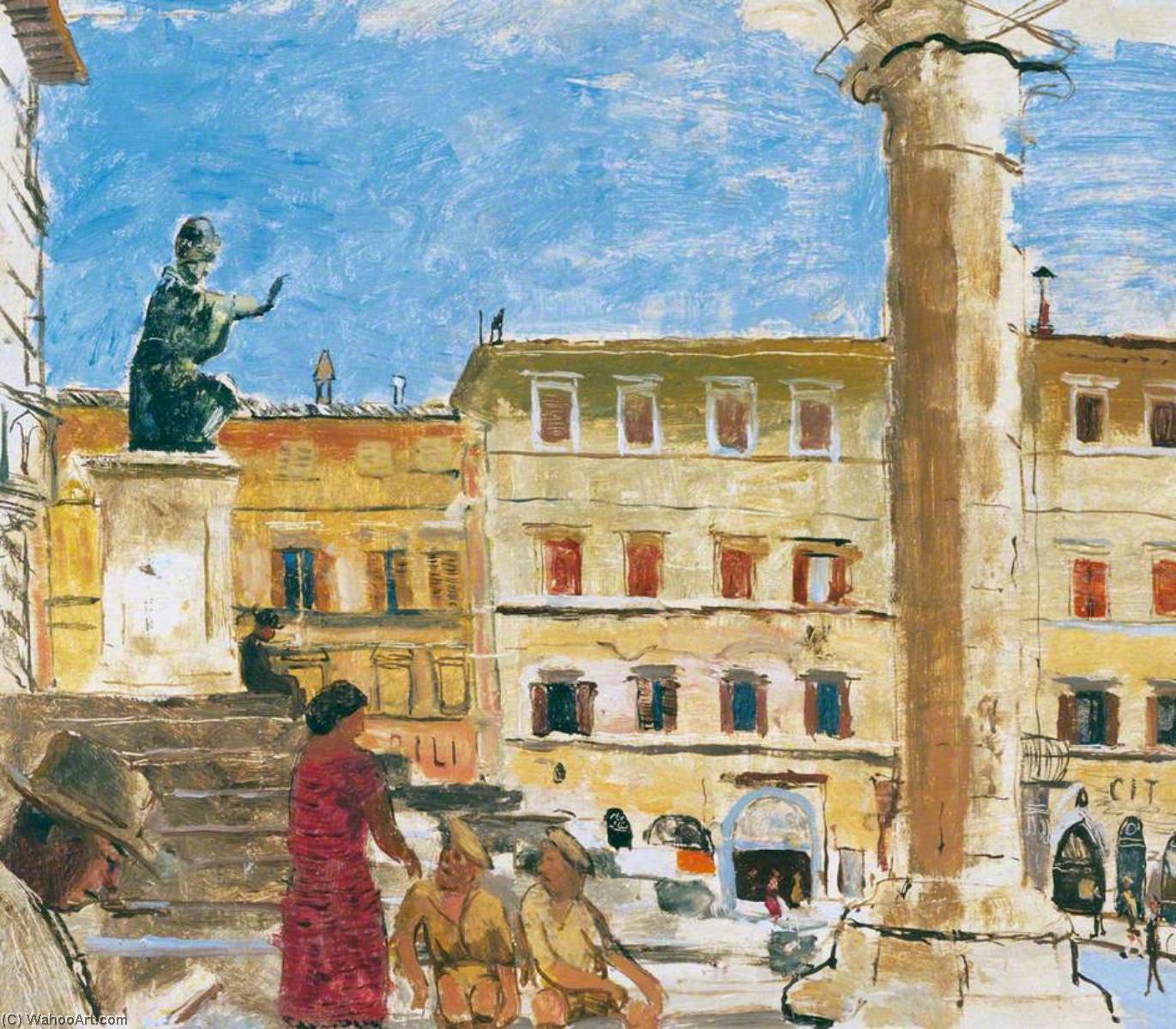
Scene in front of the Cathedral, Perugia
 Contemporary Realism
 1945
1945- Modern
 36.0 x 41.0 cm
 Government Art Collection
 Read More
Hand Made Oil Reproduction
Hand-painted oil on canvas in your size and frame, made to order by our artists. ( Buy Print Buy Image)




P118B $10

P118H $10

P118W $10

P438Z $10

P508JH $12

P508YH $12

P805H $10

P805Z $10

P919BZ $10

P919G $10

P919XJ $10

P959ZH $10

P968JZ $12

W106C $8

W218G $10

W218JH $8

W218Y $10

W307PJ $10

W316G $10

W316PJ $8

W316Y $10

W398PJ $8

W4111J $10

W500HY $15

W500JH $15

W692G $12

W849H $8

W940BG $15

W953PJ $8




Pick from our preset sizes that match the artwork's original proportions.

You may enter your own dimensions to fit a specific frame or space. If your selected size does not match the original image's proportions, we will either crop the artwork or extend the painting with additional hand-painted elements. A digital mockup will be sent for your approval before production begins.
Please note that the on-screen preview does not reflect the actual cropping or extension. Only the mockup will accurately show the final composition.
While custom sizes are available, we recommend selecting a dimension from the predefined list to preserve the original proportions.
After order, ArtsDot.com team will email client for instructions and provide a mockup preview
Worldwide Delivery () in 3/4 weeks instead of standard 5 weeks. (1 September). No compromise on quality.

Free Worldwide Express Shipping

High-Quality Linen Canvas

Full Shipping Insurance

Customs Tax Refund Guarantee

True Color Matching Guarantee

60-Day Return Policy (Defects Only)

100% Money-Back Guarantee

Bulk Discount Offer
 Glass option is only available in size under 110 CM

Scene in front of the Cathedral, Perugia
Reproduction Medium
Reproduction Size
-


Total Price
$ 263
A Window into Mid-Century Urbanity
In the evocative canvas of "Scene in front of the Cathedral, Perugia," we are transported to a moment frozen in time, capturing the rhythmic pulse of Italian life in 1945. This exquisite work by Carel Victor Morlais Weight serves as more than just a landscape; it is a cinematic window into a post-war era where the dust of conflict begins to settle, replaced by the steady, melodic movement of daily existence. The composition invites the viewer to wander through a bustling streetscape, where the grandeur of historical architecture meets the humble, transient nature of modern life. As we gaze upon the figures navigating the cobblestone atmosphere, there is a profound sense of continuity—a feeling that despite the monumental shifts in global history, the human spirit persists in its pursuit of routine, connection, and community.
The painting masterfully balances the permanence of stone with the fleeting nature of a passing moment. A woman, draped in a striking red dress, acts as a visual anchor amidst the urban flow, her presence injecting a vibrant warmth into the composition. The inclusion of a parked car—a symbol of burgeoning modernity—juxtaposed against the timeless silhouette of a distant statue and the looming cathedral, creates a fascinating dialogue between the old world and the new. This tension between the ancient and the contemporary is what gives the piece its enduring psychological depth, making it an ideal focal point for those who appreciate art that tells a story of transition and resilience.
Mastery of Light and Texture
Weight’s technical prowess is on full display through his signature approach to texture and luminosity. The artist employs a method that breathes life into the very fabric of the street, using light not merely to illuminate, but to sculpt the environment. One can almost feel the warmth of the sun reflecting off the cathedral's facade and the subtle shadows stretching across the pavement. His ability to manipulate color palettes—blending soft, atmospheric tones with sudden, brilliant accents—creates a sense of depth that draws the eye deep into the heart of Perugia.
For the discerning collector or interior designer, this piece offers a sophisticated interplay of light and shadow that can transform the mood of any room. The richness of the brushwork provides a tactile quality that is particularly captivating in high-quality reproductions, where the essence of Weight's textured surfaces can be truly appreciated. Whether placed in a sun-drenched gallery or a moody, contemporary study, the painting brings an air of cultured elegance and historical weight to its surroundings.
An Emotional Resonance for Modern Spaces
Beyond its aesthetic brilliance, "Scene in front of the Cathedral, Perugia" resonates on a deeply emotional level. It captures the nostalgia of a world rebuilding itself, offering a sense of peace and stability that is both comforting and inspiring. The painting does not demand attention through chaos; rather, it commands it through a quiet, dignified beauty. It invites contemplation on the passage of time and the beauty found in the mundane rituals of city life.
Integrating such a piece into a curated collection allows for a narrative of sophistication and worldly insight. It is an investment in atmosphere, providing a conversation piece that bridges the gap between mid-20th-century history and modern interior aesthetics. For those seeking to infuse their homes or professional spaces with a sense of movement, history, and light, this work stands as a testament to the enduring power of the urban landscape.
Related Artworks
Artist Biography
The Visionary Eye of Carel Victor Morlais Weight
Born in the heart of Paddington, London, in 1908, Carel Victor Morlais Weight emerged as a singular voice in the mid-20th century British art scene. His lineage, a tapestry of Swedish and German heritage, provided a rich cultural backdrop for an artist whose work would eventually bridge the gap between the mundane reality of suburban life and the profound depths of the human psyche. Weight’s early artistic identity was forged within the halls of the Hammersmith School of 1928, where his encounter with fellow painter Ruskin Spear ignited a lifelong passion for observation and imaginative exploration. This formative period instilled in him a commitment to capturing not just the visible world, but the atmospheric and emotional resonance that lingers beneath its surface.
As his technical mastery deepened through studies at Goldsmiths College between 1931 and 1933, Weight began to develop a signature aesthetic characterized by remarkable textural complexity. He was an artist of layers, often employing intricate glazing methods and a deliberate accumulation of pigments to create surfaces that seemed to breathe with light. His influences were rooted in the grand traditions of British landscape painting; the atmospheric mastery of Turner and the grounded, observational precision of Constable served as his guiding stars. From these masters, he inherited an obsession with the subtle shifts of light and the way weather and atmosphere can transform a familiar landscape into something hauntingly beautiful or deeply unsettling.
Suburban Dramas and the Shadows of War
The trajectory of Weight’s career was irrevocably altered by the onset of World War II. Serving with the Royal Engineers and the Army Education Corps, he experienced firsthand the fragmentation of the world he sought to depict. This period of upheaval did not stifle his creativity but rather provided a somber, poignant new subject matter. As an official war artist, Weight moved beyond mere documentation, using his brush to capture the psychological weight of conflict. His compositions from this era are marked by a sense of tension and a profound awareness of the fragility of existence, blending the grit of wartime reality with a dreamlike, almost surrealist sensibility.
In the post-war years, Weight turned his gaze toward the burgeoning landscapes of the English suburbs. He possessed a unique ability to find drama within the ordinary, transforming quiet streets and domestic scenes into stages for psychological inquiry. His work often features:
- Evocative Compositions: Landscapes that feel both intimately familiar and strangely otherworldly.
- Psychological Depth: Portraits and figures that convey a sense of isolation or quiet contemplation.
- Luminous Color Palettes: A masterful use of light to imbue even the most mundane settings with a spiritual or emotional glow.
A Lasting Legacy in British Art
Throughout his prolific career, which spanned several decades until his passing in 1997, Weight remained a steadfast explorer of the human condition. His ability to marry the techniques of the past—such as classical glazing and light manipulation—with the modern anxieties of the 20th century ensured his relevance in an ever-changing art world. His contributions were not merely aesthetic but historical, documenting the shifting social fabric of Britain through a lens that was both deeply personal and universally resonant.
Today, the significance of Carel Weight’s oeuvre is preserved within some of the most prestigious institutions in the world. His works serve as vital touchstones for understanding the intersection of landscape, memory, and modern history. The presence of his paintings in collections such as the Tate and the Victoria and Albert Museum (V&A) stands as a testament to his enduring impact on the British canon, ensuring that his vision of suburban drama and wartime poignancy continues to captivate and haunt future generations of art lovers.
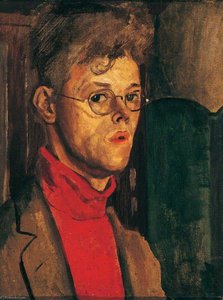
carel victor morlais weight
1908 - 1997 , United Kingdom
Quick Facts
- Artistic Movement Or Style: Imaginary Landscapes
- Artists Or Movements Influenced By This Artist: ['Tate Collection']
- Artists Who Influenced This Artist: ['Ruskin Spear']
- Date Of Birth: 1908
- Date Of Death: 1997
- Full Name: Carel Victor Morlais Weight
- Nationality: English
- Notable Artworks:
- The Dark Valley
- Allegro strepitoso
- Woman at a Table
- Place Of Birth: Paddington, United Kingdom
Related Articles

Crimson Threads of Narrative: Exploring Symbolism & Representation in Artworks Featuring the Red Dress
Explore the rich symbolism of the red dress in art history! From ancient power displays to iconic portraits like Cézanne’s 'Madame Cezanne', discover the cultural and artistic significance behind this captivating color. Expert analysis & insights.
Mark Rothko's Masterpieces: 25 Paintings That Define Abstract Expressionism | ArtsDot
Explore 25 iconic Mark Rothko paintings that define Abstract Expressionism. Discover the stories, colors & emotions behind these masterpieces. Find museum-quality art reproductions and curated decor ideas at ArtsDot.com.
The Tactile Canvas: Exploring Texture as Subject, Materiality & Meaning in Art History
Explore the rich history of texture in art! Discover how artists from Van Gogh to contemporary masters use materiality & technique to create captivating tactile experiences. Deepen your art appreciation with ArtsDot.
F.A.Q.: Textured Prints – Achieving the Oil Painting Look & Feel for the Elite Collector
Discover how ’s textured prints authentically replicate the look & feel of original oil paintings. Expert artists, premium materials, and a commitment to quality for discerning collectors. Explore our FAQ.
Beyond Graffiti: Exploring the Evolution & Cultural Impact of Street Art for Collectors
Explore the evolution of street art from rebellious origins to a respected fine art form. Discover key artists like Banksy & learn how to collect urban art with confidence. Expert insights for discerning investors.