 Preview
 Send
Send Share
Share
 Details

 Download
 Similars
 X-Ray
X-Ray Diaporama
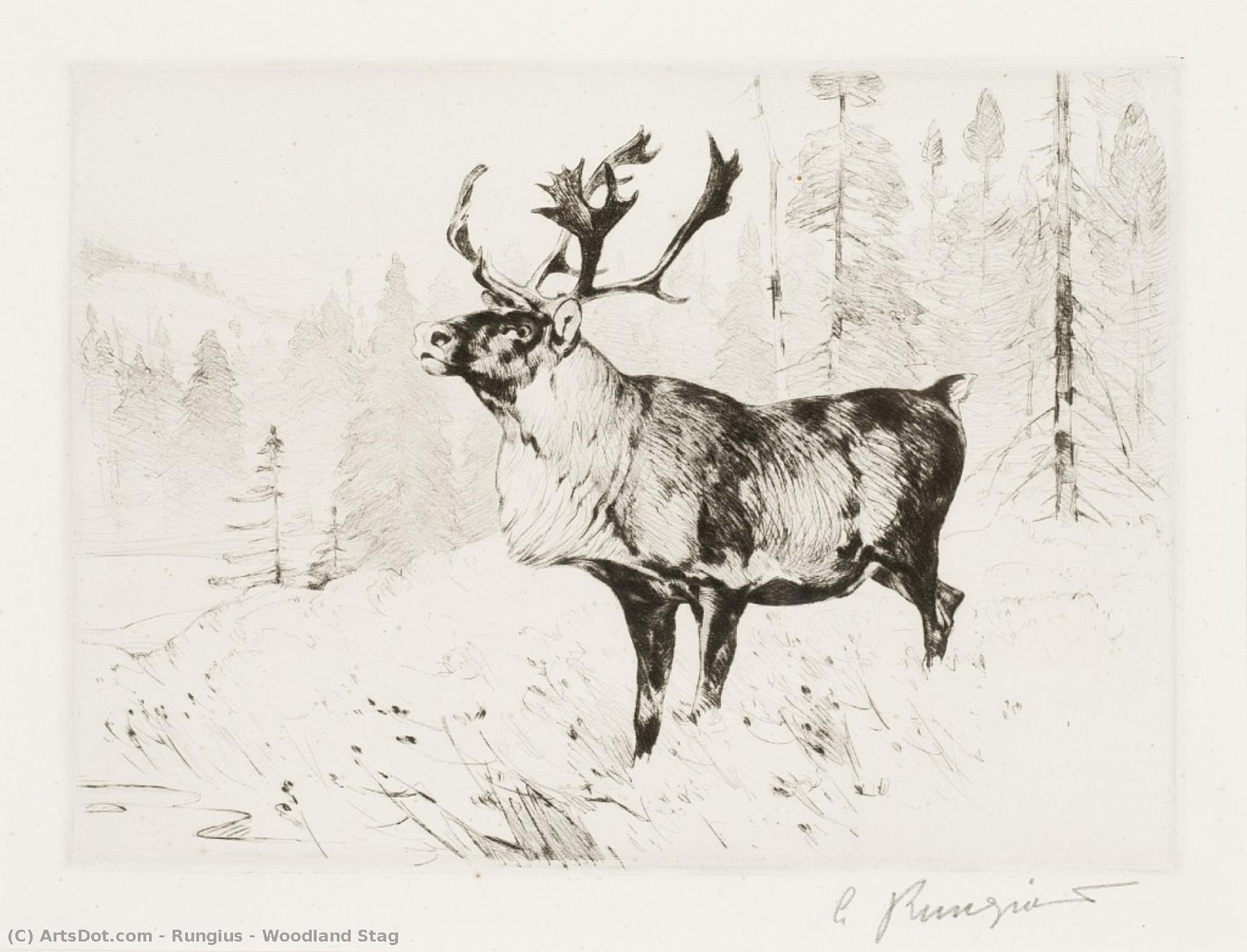
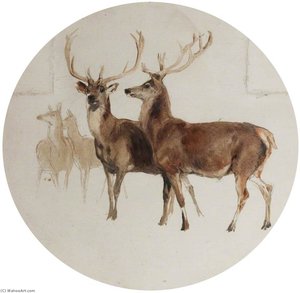
Woodland Stag
 Naturalism
 1926
1926 6.0 x 8.0 cm
 Read More
Giclée / Art Print
Museum-quality giclée or canvas print with fast production and flexible finish options. ( Buy Hand Made Painting Buy Image)




































Pick from our preset sizes that match the artwork's original proportions.

You may enter your own dimensions to fit a specific frame or space. If your selected size does not match the original image's proportions, we will either crop the artwork or extend the image with a mirrored or solid-fill edge. A digital mockup will be sent for your approval before production begins.
Please note that the on-screen preview does not reflect the actual cropping or extension. Only the mockup will accurately show the final composition.
While custom sizes are available, we recommend selecting a dimension from the predefined list to preserve the original proportions.
Worldwide Delivery () in 2 weeks instead of standard 4/5 weeks. (22 August)

Free Worldwide Express Shipping

High-Quality Linen Canvas

Full Shipping Insurance

Customs Tax Refund Guarantee

True Color Matching Guarantee

60-Day Return Policy (Defects Only)

100% Money-Back Guarantee

Bulk Discount Offer
 Glass option is only available in size under 110 CM

Woodland Stag
Giclée / Art Print
Reproduction Size
-


Total Price
$ 63
Related Artworks

Artist Biography
A Pioneer of the American Wilderness: The Life and Art of Carl Rungius
Carl Clemens Moritz Rungius, a name synonymous with the golden age of North American wildlife art, wasn’t born into the vast landscapes he so masterfully depicted. He arrived at his artistic destiny through a fascinating journey that began in the bustling heart of Germany in 1869. Born near Berlin to Pastor Heinrich Rungius and Magdalene Fulda, young Carl's childhood was steeped in an unusual blend of religious upbringing and a familial fascination with the natural world—a grandfather who practiced taxidermy ensured animals were not merely subjects for sermons but objects of keen observation. This early exposure ignited within him a passion for hunting and, crucially, a desire to capture the essence of wild creatures on canvas. Though initially resistant to formal schooling, Rungius pursued artistic training at the Berlin Art Academy, finding himself more captivated by sketching animals at the Berlin Zoo than mastering ornamental design. He even undertook rather unconventional studies—visiting glue factories to understand animal anatomy and observing the effects of hunting firsthand—demonstrating a commitment to realism that would define his career.From European Roots to American Horizons
Despite early artistic promise, Rungius faced obstacles. His father initially disapproved of a painting career, insisting on a more “respectable” trade. For three summers, Carl apprenticed as a house painter, but the call of the wild proved too strong. A pivotal moment arrived with an invitation from his uncle Clemens Fulda to hunt moose in Maine in 1894, followed by a transformative trip to Wyoming in 1895. The open skies, majestic mountains, and abundant big game of the American West ignited a passion that would forever alter his artistic course. He realized he had found his true home, declaring his heart belonged “in the west.” In 1896, Rungius immigrated to the United States, determined to dedicate himself to portraying the untamed beauty of North America. This wasn’t merely a geographical shift; it was an ideological one. He sought to capture a wilderness that was rapidly changing, recognizing its intrinsic value and fragility.The First Career Wildlife Artist
Rungius quickly established himself as a unique voice in American art. While European artists had long depicted wildlife, Rungius was the first to pursue it as a full-time profession in North America. He didn’t simply paint animals; he immersed himself in their world, meticulously studying their behavior, anatomy, and habitat. Hunting wasn't just a pastime for him—it was research. His summers were spent on expeditions to New Brunswick, the Yukon, and throughout the Rocky Mountains, sketching, painting *en plein air*, and gathering reference material. This dedication to authenticity set his work apart. He became renowned for his realistic depictions of moose, caribou, deer, and other iconic North American game animals, often placing them within dramatic landscapes that conveyed a sense of both grandeur and vulnerability. His technique blended German realism with an impressionistic sensibility, resulting in paintings that were both scientifically accurate and emotionally evocative.Legacy and Lasting Influence
Rungius’s impact on American wildlife art is immeasurable. He wasn't just a painter; he was a conservationist before the term became commonplace. His work helped to raise awareness about the importance of preserving wild spaces and protecting endangered species. Throughout his career, Rungius received numerous accolades, including membership in the National Academy of Design. His paintings were exhibited widely and acquired by prominent museums and collectors. He established a summer studio in Banff, Canada, further solidifying his connection to the North American wilderness. Today, Carl Rungius is remembered as the foremost big game painter in North America—a true pioneer who captured the spirit of the wild with unparalleled skill and passion. His legacy continues to inspire artists and conservationists alike, reminding us of the enduring power of art to connect us to the natural world and advocate for its preservation.Key Characteristics of Rungius’s Work
- Realism and Accuracy: Meticulous attention to anatomical detail, informed by direct observation and hunting experience.
- Dramatic Landscapes: Animals are often depicted within expansive, evocative landscapes that emphasize their natural habitat.
- Impressionistic Technique: A blend of German realism with loose brushwork and a focus on light and atmosphere.
- Emphasis on Big Game: Rungius is particularly known for his paintings of moose, caribou, deer, and other large North American mammals.
- Conservation Ethos: His work implicitly promotes the preservation of wildlife and wild spaces.
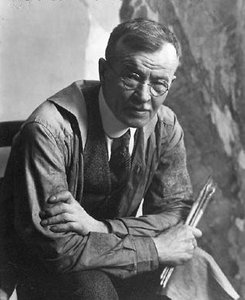
Carl Clemens Moritz Rungius
1869 - 1959 , Germany
Quick Facts
- Artistic Movement Or Style: Wildlife Realism
- Artists Or Movements Influenced By This Artist: ['North American wildlife art']
- Artists Who Influenced This Artist: ['Richard Friese']
- Date Of Birth: August 18, 1869
- Date Of Death: October 21, 1959
- Full Name: Carl Clemens Moritz Rungius
- Nationality: German and American
- Notable Artworks:
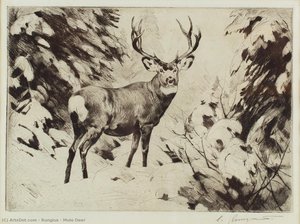
- Mule Deer
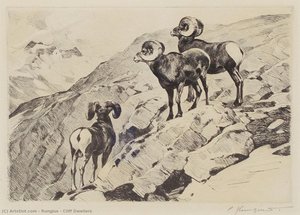
- Cliff Dwellers
- Woodland Stag
- Place Of Birth: Rixdorf, Germany