

 Preview
 Send
Send Share
Share
 Details

 Download
 Similars
 X-Ray
X-Ray Diaporama
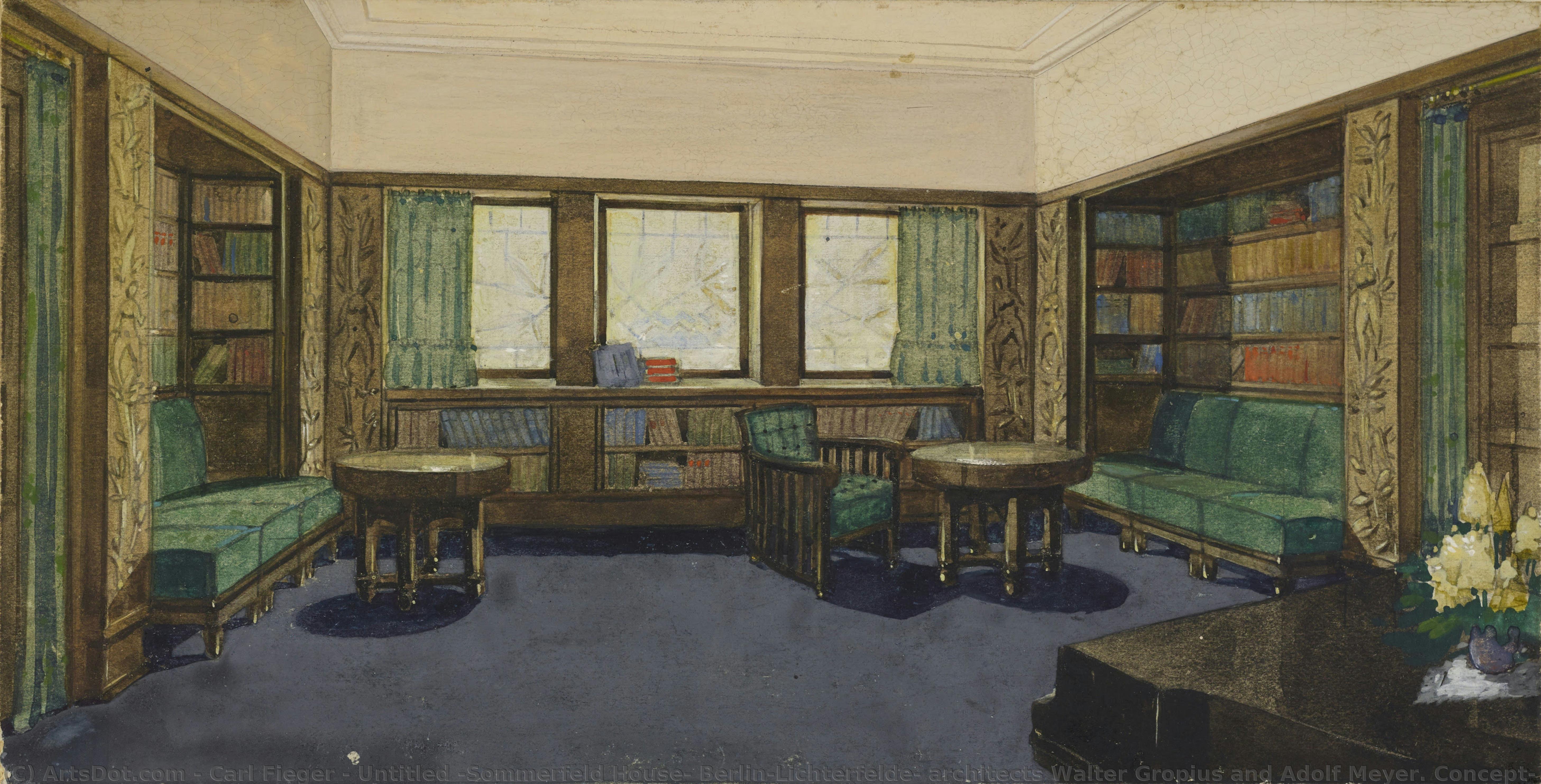
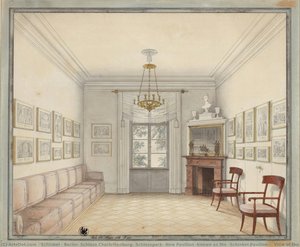
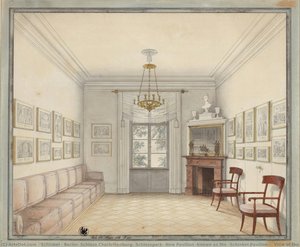
Untitled (Sommerfeld House, Berlin-Lichterfelde, architects Walter Gropius and Adolf Meyer. Concept, perspective view of a reading room)
 Watercolor
- WallArt
- Bauhaus
 1921
1921- Modern
 12.0 x 24.0 cm
 Bauhaus Dessau Foundation
 Read More
Purchase a high-resolution, enhanced digital image, far superior to the online preview.
Each file is meticulously prepared by our in-house specialists using advanced tools and expert manual retouching. We ensure every image has exceptional clarity, precise color accuracy, and fine detail.
The final file is delivered via email within 72 hours, optimized for immediate use in professional, editorial, and print environments. This is the same quality trusted by top-tier design studios, publishers, and galleries.
Digital Image
Download a high-resolution file for personal display, printing, and creative projects. ( Buy Print Buy Hand Made Painting)
Included in Every Digital Image Order
Expert Digital Delivery, Guaranteed
When you choose ArtsDot.com, you're not just getting an image - you're receiving a professionally enhanced digital artwork, crafted with precision and backed by a satisfaction guarantee. Here's everything that comes with your order, automatically:

Fast Email Delivery
Your high-resolution digital image file will be emailed to you within 72 hours of ordering - ready for immediate use.

AI-Enhanced Digital File
Your artwork is professionally optimized using advanced AI tools and manual editing, ensuring maximum detail, clarity, and color accuracy.

Free Lifetime Re-Delivery
Accidentally deleted or lost your file? No worries - we'll resend it to you anytime, free of charge.

No Import Fees - Ever
Enjoy your artwork instantly with zero customs, duties, or delivery fees - digital downloads are always tax-free.

Color Accuracy Guarantee
We ensure your digital image reflects the original colors as closely as possible using professional tools and color management.

60-Day Satisfaction Guarantee
If you're not satisfied with your digital image, we'll revise it or refund 100% within 60 days - no questions asked.

100% Money-Back Guarantee
Not satisfied? Get a full refund within 60 days of receiving your digital file - no questions asked.

Bulk Order Discounts
Buy 3 images, save 10% - Buy 5, save 15% - Buy 10+, save 20%. Great for creative projects, galleries, and agencies.
Collectible Description
A Vision of Intellectual Elegance
In this exquisite watercolor from 1921, we are invited into a sanctuary of thought and quietude. Carl Fieger, a master of architectural drafting and a figure deeply entwined with the burgeoning Bauhaus movement, presents us with a perspective view of a reading room within the famed Sommerfeld House in Berlin-Lichterfelde. The scene is not merely a depiction of a room, but an evocative window into a lost era of German modernism. Through delicate washes of pigment, Fieger captures a space where the rigid geometry of architecture meets the soft, inviting textures of domestic life. The composition is masterfully balanced, drawing the eye toward a central table that serves as the heart of this scholarly retreat, surrounded by the promise of quiet contemplation and the weight of accumulated knowledge.
The technique employed here is nothing short of poetic. Utilizing the fluid nature of watercolor, Fieger achieves a sense of atmospheric depth that belies the structured subject matter. The light, filtering softly through the windows, creates a subtle interplay of shadow and glow, lending a dreamlike quality to the straight lines of the bookshelves and furniture. While the architectural bones of the room—designed in collaboration with luminaries Walter Gropius and Adolf Meyer—are defined by precise, geometric forms, the watercolor medium softens these edges. This creates a beautiful tension between the disciplined precision of the Art Deco style and the organic, ephemeral nature of light and shadow, making the space feel lived-in and breathing rather than cold or clinical.
Symbolism and the Spirit of Modernity
Beyond its architectural significance, the artwork serves as a profound symbol of the intellectual aspirations of the early 20th century. Every element within the frame is curated to evoke a sense of purpose; the bookshelves, laden with the unseen weight of literature, represent the pursuit of wisdom and the enduring value of learning. The furniture, characterized by its streamlined and functionalist aesthetic, signifies a new way of living—one that finds beauty in utility and elegance in simplicity. For the collector or the interior designer, this piece offers more than just visual appeal; it offers a narrative of stability, sophistication, and the timeless allure of the study.
To possess a reproduction of this work is to bring a fragment of history into the contemporary home. It serves as an ideal focal point for spaces that value heritage and intellectual depth, such as private libraries, executive offices, or refined living areas. The muted palette and serene atmosphere allow it to integrate seamlessly into modern minimalist interiors while providing a rich, historical soul to the room. Fieger’s vision of the Sommerfeld House remains a testament to a moment in time when architecture sought to harmonize the human spirit with the advancing precision of the modern age, offering an enduring sense of peace to all who gaze upon it.
Related Artworks

Artist Biography
The Architect of Bauhaus Ideals: The Life and Legacy of Carl Fieger
In the grand tapestry of early 20th-century modernism, few figures embody the intersection of structural precision and social vision as elegantly as Carl Fieger. Born in Mainz, Germany, in 1893, Fieger emerged from a period of profound artistic transformation. His journey began at the Mainz Art and Vocational School, an institution where he first encountered the burgeoning currents of Impressionism and Jugendstil. These early exposures to organic forms and expressive color palettes provided him with a sensitive aesthetic foundation, yet it was his subsequent immersion in the rigorous, functionalist world of the Bauhaus that would ultimately define his historical significance.
The trajectory of Fieger’s career was irrevocably altered when he entered the orbit of Walter Gropius. Beginning his apprenticeship as a draftsman in 1912, Fieger became an integral part of the revolutionary atmosphere at the Bauhaus school in Weimar. Under Gropius’s mentorship, he moved away from the decorative flourishes of the past and toward a future defined by geometric abstraction, material experimentation, and the radical belief that art should serve a functional purpose in everyday life. This period was not merely a professional training ground but a philosophical awakening, where Fieger learned to view architecture as a tool for social progress.
Mastery of Form and Functionalist Vision
Fieger’s body of work is characterized by an extraordinary ability to translate complex architectural theories into tangible, human-centric designs. His collaborations with Gropius on monumental projects—such as the Fagus Factory and the iconic Bauhaus Building in Dessau—demonstrate his mastery of modern construction techniques, including the innovative use of tubular steel and glass. Through these works, Fieger helped pioneer a visual language that celebrated the beauty of industrial materials and the efficiency of modern engineering.
Beyond large-scale industrial structures, Fieger’s true genius often resided in his intimate approach to domesticity. He was deeply invested in the concept of Existenzminimum—the idea of designing highly efficient, minimal living spaces that did not sacrifice dignity or comfort. His notable projects include:
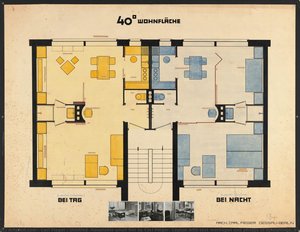
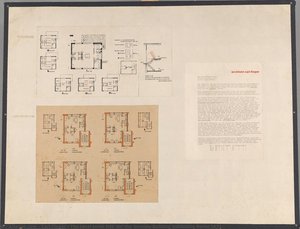
- The Ideal Small Flat: A visionary architectural concept developed for the 1931 German Building Exhibition (Deutsche Bauausstellung) in Berlin, which emphasized a logical flow between essential rooms such as the kitchen, living area, and bedroom.
- Adaptive Floor Plans: Detailed layouts that utilized text montages and photographic elements to showcase how furniture and spatial arrangement could maximize utility within limited urban footprints.
A Lasting Impression on Modern Design
The historical significance of Carl Fieger lies in his role as a bridge between the artistic experimentation of the late 19th century and the disciplined functionalism of the modern era. His work was never solely about the aesthetic of a building; it was about the lived experience within it. By prioritizing efficiency, light, and movement, he helped shape the very blueprint of contemporary urban living. Even as architectural styles shifted throughout the mid-20th century, the principles of clarity and purpose championed by Fieger remained foundational.
Though his life concluded in 1960, the echoes of his Bauhaus apprenticeship continue to resonate in the halls of architectural history. Through his meticulous drawings and groundbreaking housing concepts, Fieger remains a vital figure for anyone seeking to understand how the marriage of art and craft can fundamentally reshape the world we inhabit.
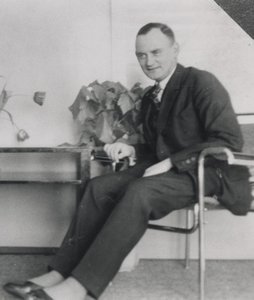
Carl Fieger
1893 - 1960 , Germany
Quick Facts
- Artistic Movement Or Style: Bauhaus
- Artists Who Influenced This Artist:
- Walter Gropius
- Peter Behrens
- Date Of Birth: June 15, 1893
- Date Of Death: 1960
- Full Name: Carl Fieger
- Nationality: German
- Notable Artworks:
- Untitled (Club House of the deutscher verein in barcelona, perspective view)
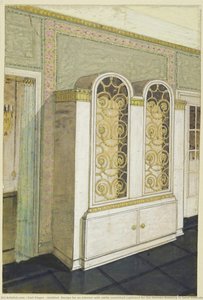
- Untitled (Design for an interior with white varnished cupboard for the German Embassy in Saint Petersburg)
- Untitled (Sommerfeld House, Berlin-Lichterfelde, architects Walter Gropius and Adolf Meyer. Concept, perspective view of a reading room)
- Place Of Birth: Mainz, Germany

