

 Preview
 Send
Send Share
Share
 Details

 Download
 Similars
 X-Ray
X-Ray Diaporama
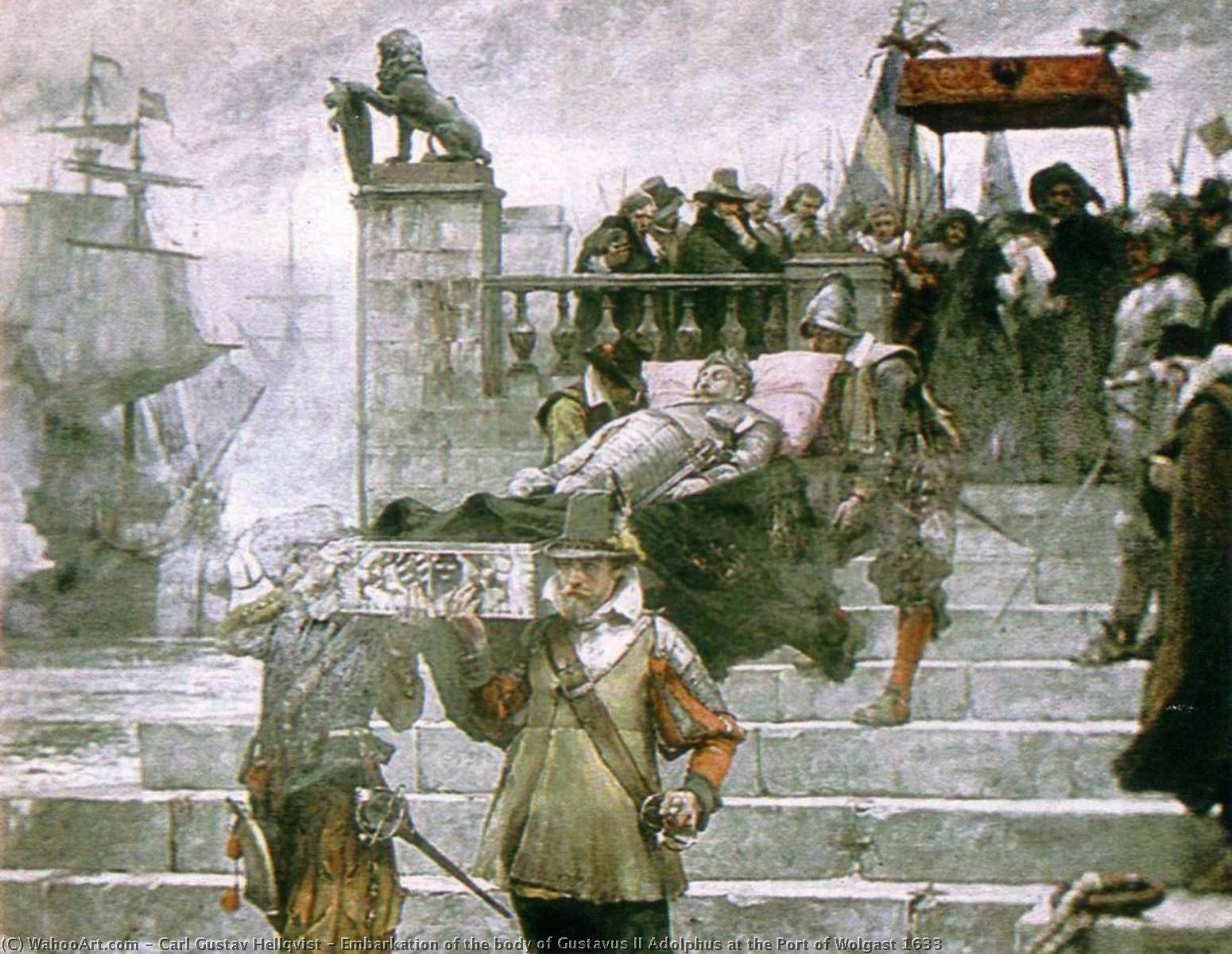
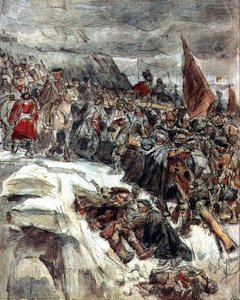
Embarkation of the body of Gustavus II Adolphus at the Port of Wolgast 1633
 1885
1885 193.0 x 259.0 cm
 Read More
Purchase a high-resolution, enhanced digital image, far superior to the online preview.
Each file is meticulously prepared by our in-house specialists using advanced tools and expert manual retouching. We ensure every image has exceptional clarity, precise color accuracy, and fine detail.
The final file is delivered via email within 72 hours, optimized for immediate use in professional, editorial, and print environments. This is the same quality trusted by top-tier design studios, publishers, and galleries.
Digital Image
Download a high-resolution file for personal display, printing, and creative projects. ( Buy Print Buy Hand Made Painting)
Included in Every Digital Image Order
Expert Digital Delivery, Guaranteed
When you choose ArtsDot.com, you're not just getting an image - you're receiving a professionally enhanced digital artwork, crafted with precision and backed by a satisfaction guarantee. Here's everything that comes with your order, automatically:

Fast Email Delivery
Your high-resolution digital image file will be emailed to you within 72 hours of ordering - ready for immediate use.

AI-Enhanced Digital File
Your artwork is professionally optimized using advanced AI tools and manual editing, ensuring maximum detail, clarity, and color accuracy.

Free Lifetime Re-Delivery
Accidentally deleted or lost your file? No worries - we'll resend it to you anytime, free of charge.

No Import Fees - Ever
Enjoy your artwork instantly with zero customs, duties, or delivery fees - digital downloads are always tax-free.

Color Accuracy Guarantee
We ensure your digital image reflects the original colors as closely as possible using professional tools and color management.

100-Day Satisfaction Guarantee
If you're not satisfied with your digital image, we'll revise it or refund 100% within 100 days - no questions asked.

100% Money-Back Guarantee
Not satisfied? Get a full refund within 100 days of receiving your digital file - no questions asked.

Bulk Order Discounts
Buy 3 images, save 10% - Buy 5, save 15% - Buy 10+, save 20%. Great for creative projects, galleries, and agencies.
Related Artworks






Artist Biography
Carl Gustaf Hellqvist: A Life in Historical Painting
Early Life and Education
- Born: December 15, 1851, in Kungsör, Sweden, a small town situated between Arboga and Eskilstuna on the shores of Lake Mälaren.
- Hellqvist’s upbringing in this scenic region likely influenced his later landscape work.
- Artistic Beginnings: In 1864, he began his formal artistic training at the Swedish Royal Academy of Fine Arts in Stockholm. This marked a crucial step towards establishing himself as a professional artist.
Rise to Prominence and Artistic Development
- Early Success: In 1875, Hellqvist achieved significant recognition when he was awarded the Royal Academy’s highest prize for his painting, “Gustaf I accuses Peder Sunnanväder and Mäster Knut in front of the chapter in Västerås.” This work demonstrated his skill in historical narrative and composition.
- European Travels: Two years later, in 1877, he received a travelling scholarship that allowed him to explore art across Europe. He eventually settled with his fiancée, Julie, in Munich in 1879.
- Parisian Exposure: A move to Paris in 1882 exposed Hellqvist to the broader European art scene and provided an opportunity to exhibit at the prestigious Paris Salon with “The Death of Sten Sture the Younger on the Ice of Lake Mälaren.”
- International Acclaim: In August 1882, he received a gold medal in Vienna for his powerful historical painting, “Valdemar Atterdag Holding Visby to Ransom, 1361,” solidifying his reputation as a talented and ambitious artist.
Themes and Influences
- Historical Focus: Hellqvist primarily focused on historical subjects, particularly those relating to Swedish history. His paintings often depicted dramatic events and figures from the nation’s past.
- Narrative Power: He excelled at creating visually compelling narratives that brought these historical moments to life.
- Influences: While specific influences are not extensively documented, his work reflects a broader 19th-century interest in Romanticism and Realism, combined with a distinctly Swedish nationalistic sentiment. He was likely influenced by contemporary European history painters.
Later Life and Challenges
- Health Struggles: Beginning in 1886, Hellqvist suffered from severe headaches that forced him to take a leave of absence from his teaching position at the Königliche akademische Hochschule für die Bildenden Künste in Berlin. This marked a turning point in his career.
- Declining Health: His health continued to deteriorate, and he underwent electroconvulsive therapy in 1889, along with being placed on a strict diet.
- Final Years: In 1890, his studio was put up for sale, signaling the end of his active painting career. He spent his final months in a mental hospital in Munich and passed away on November 19, 1890, at the young age of 38.
Legacy and Historical Significance
- Popularity in Sweden: Carl Gustaf Hellqvist was one of Sweden’s most popular historical painters during his time. His dramatic depictions of Swedish history resonated with a national audience.
- A Window into the Past: His paintings provide valuable insights into 19th-century interpretations of Swedish history and cultural identity.
- Documenting an Era: The photograph taken of his studio in 1890 offers a rare glimpse into the working environment of a historical painter during the late 19th century.

carl gustav hellqvist
1851 - 1890 , Sweden
Quick Facts
- Birth Date: 1851-12-15
- Birth Place: Kungsör, Sweden
- Death Date: 1890-11-19
- Movement: Historical painting
- Name: Carl Gustaf Hellqvist
- Nationality: Swedish
- Notable Works:
- Gustaf I accuses Peder Sunnanväder...
- The Death of Sten Sture the Younger...
- Valdemar Atterdag Holding Visby to Ransom, 1361